
EMS and SCADA technology partner for India's first and longest-running grid-scale Battery Energy Storage System, a 10 MW / 10 MWh facility operated by Tata Power at Rohini substation in Delhi. Over 6+ years of continuous operation.
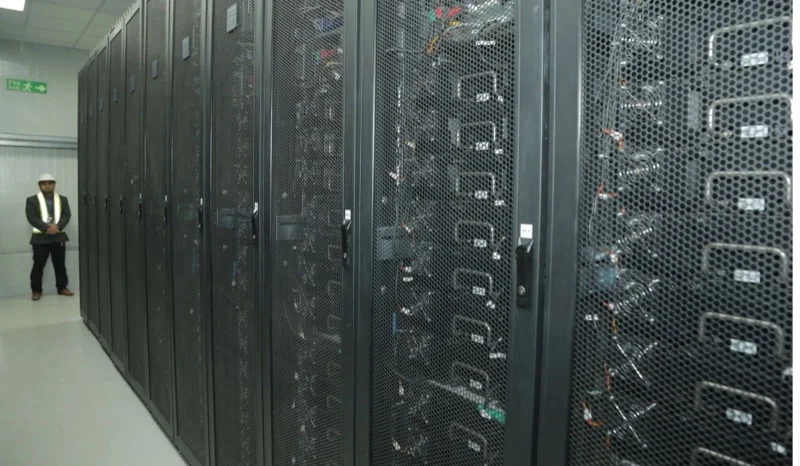
Ingro Energy has been the EMS and SCADA technology partner for India's first and longest-running grid-scale Battery Energy Storage System, a 10 MW / 10 MWh facility operated by Tata Power Delhi Distribution Limited (TPDDL) at their Rohini substation in Delhi. Originally commissioned in February 2019 as a joint initiative between Tata Power, AES Corporation, and Mitsubishi Corporation, the system was built on the Fluence Advancion platform using LG Chem NMC battery technology.
Ingro Energy took over the Energy Management System and SCADA operations, transforming a legacy vendor-locked platform into an intelligent, AI powered asset. Over 6+ years of continuous operation, Ingro's team has managed real-time monitoring, predictive maintenance, node-level fault diagnostics, and performance optimization, keeping the system operational well beyond its original design expectations.
124 Power Conversion System (PCS) units requiring coordinated dispatch and fault management
Node disconnection issues, individual battery racks dropping offline, reducing available capacity from 10 MW to ~7.78 MW
DC bus overvoltage events triggered during rapid state transitions, causing cascading protection trips
Cell voltage imbalance across aging NMC modules with some cells drifting outside optimal operating windows
Precharge relay failures in the RBMS 1.1 boards, preventing nodes from rejoining the active fleet
Legacy communication architecture, Modbus TCP to RBMS boards, CAN bus to cell monitoring modules, requiring protocol translation and custom integration
Deep BMS Integration: Reverse-engineered the LG Chem AESS RBMS 1.1 protocol to extract cell-level voltage, temperature, and SoC data for all 196 cells per rack across 37 racks
Node Revival Program: Developed systematic diagnostic and recovery procedures for disconnected nodes, including precharge relay testing and controlled re-synchronization
Predictive Analytics: Implemented pattern recognition for early detection of cell drift, thermal anomalies, and communication degradation, catching failures 72 hours in advance
Real-Time SCADA: 24/7 monitoring from Ingro's NOC with <10ms EMS response time, integrated alarm management, and automated dispatch optimization
Performance Reporting: Monthly EMS reviews with cell-level health metrics, degradation tracking, and capacity trend analysis
Utility, Delhi, India
Explore more of our energy storage and optimization deployments.
Let's discuss how Ingro Energy can deliver a similar solution tailored to your specific needs.