Every Battery Needs a Digital Identity
A battery without a digital passport is an asset that cannot be verified. Its health, history and compliance cannot be proven, which makes it harder to sell into second-life markets, to finance and to export to regulated markets.
Ingro's Digital Battery Passport addresses this. It creates a permanent, tamper-proof record of the battery's life, from the chemistry of the cells at manufacturing, through every charge cycle and thermal event during operation, to the material composition data recyclers need at end-of-life.
The passport works on its own, whichever EMS runs the battery, or none. Where Ingro products are on site, it is filled automatically: operating data from Ingro EMS, health analytics from Ingro Brain, and connects to external systems through the Integrations layer. Together, they give every battery a verifiable history.
Without a Digital Passport, Your Battery Is:
- Unverifiable: No proof of health history, no way to validate SOH claims to buyers or regulators
- Non-Compliant: Shut out of the EU market from February 2027, unprepared for India's BPAN (Battery Pack Aadhaar Number)
- Worth Less: Second-life buyers pay 20-30% less for batteries without verified operational history
- Unfinanceable: Lenders cannot de-risk what they cannot verify, so unverified assets attract higher risk premiums
- A Liability at End-of-Life: Without material composition data, recyclers must treat your battery as hazardous waste rather than recover its materials
The Window for Voluntary Adoption
Is Closing
Regulatory mandates, market forces, and ESG pressure are converging. Batteries without digital passports will be locked out of the most valuable markets and financing channels.
- Aug 2023
EU Battery Regulation (EU) 2023/1542 enters into force
- 18 Feb 2027
Digital battery passport becomes mandatory in the EU for EV, light-transport and industrial batteries above 2 kWh
- India
Draft BPAN guidelines: a 21-character ID and QR code on every pack, with lifecycle data on a government portal
EU Battery Regulation
From 18 February 2027, every industrial battery above 2 kWh, and every EV and light-transport battery, placed on the EU market must carry a digital passport under Regulation (EU) 2023/1542. Batteries without one cannot be sold into the world's largest regulated market.
India's BPAN Framework
India's Battery Pack Aadhaar Number (BPAN) is emerging as the domestic standard: draft guidelines give every EV battery and industrial battery above 2 kWh a unique ID, a QR code and a lifecycle record. Batteries that carry a passport now will be ready when compliance becomes mandatory.
ESG & Investor Pressure
ESG-focused investors and lenders expect verifiable lifecycle data. A digital passport makes your BESS an auditable asset that is easier to finance.
Second-Life Market Enabler
The second-life battery market is projected at $4.2 billion by 2030, but only if battery health history is verifiable. Without a passport, a used battery is hard to value for second life.
Anti-Counterfeit Protection
India's growing BESS market faces quality concerns. A tamper-proof digital identity proves provenance, protects asset owners from substandard cells and protects manufacturers' reputations.
Circular Economy Mandates
Recyclers need precise material composition data (lithium, cobalt, nickel and manganese percentages) to recover materials efficiently. Without this data, end-of-life batteries are handled as hazardous waste rather than as a source of recoverable materials.
From Factory Floor to
Recycling Facility
The passport adds data at every stage. By end-of-life, it holds the complete, verified history that supports second-life value and responsible recycling. Pick a stage to see what it writes.
Battery Passport
CreatedID IN7F3A21C9B04LFP28024
State of health
100%
Full cycles
0
Mar 2025
Held by
Cell maker
The record
4 entries
Manufacturing · Mar 2025
- Identity created, BPAN and QR assigned
- LFP chemistry and cell batch recorded
- Material composition declared
- Factory QC results and grade
Illustrative battery. Dates and values are examples.
Want an engineer to call you?
Leave your details. An Ingro engineer gets back to you within one business day, no obligation.
Eight Layers of
Battery Intelligence
Every battery's passport captures a comprehensive dataset across eight categories, from birth to recycling. It holds detailed operating data, not just metadata.
Written at birth
Recorded once, when the battery is made.
Manufacturing Data
Birth certificate- Cell chemistry and cathode composition (NMC, LFP, NCA)
- Manufacturer identity and production batch number
- Initial rated capacity and energy density
- Material composition, lithium, cobalt, nickel, manganese percentages
- Quality control test results and grading
Carbon Footprint
Lifecycle emissions- Manufacturing carbon footprint (kg CO2/kWh)
- Operational carbon avoided through renewable shifting
- Lifecycle CO2 impact assessment
- Carbon credit eligibility documentation
- Scope 1, 2, and 3 emissions attribution
Written every day
Added for as long as the battery is in service.
Operational History
Every cycle recorded- Every charge/discharge cycle with timestamps
- Cumulative energy throughput (MWh lifetime)
- Depth of discharge patterns and C-rate (charge/discharge rate) distribution
- Thermal events, excursions, and ambient conditions
- Anomalies flagged by Ingro Brain with root cause tags
Health Metrics
Real-time condition- Real-time State of Health (SOH) at cell and pack level
- Capacity fade curve with trend projection
- Internal impedance growth trajectory
- Remaining Useful Life (RUL) prediction via Ingro Brain
- Cell-level imbalance tracking and divergence alerts
Compliance Records
Audit-ready always- CERC compliance history and grid injection records
- SERC reporting documentation with timestamps
- Safety incident records and resolution status
- Warranty claim history and outcome tracking
- Export certification status (EU Battery Regulation)
Chain of Custody
Tamper-proof ownership- Tamper-proof ownership transfer records
- Installation and commissioning documentation
- O&M provider history and handover records
- Transport and storage condition logs
- Blockchain-anchored verification timestamps
Written at end of first life
Added when the battery's first duty ends.
Second-Life Assessment
AI-powered evaluation- AI-powered remaining capacity estimate
- Suitability scoring for second-life applications
- Recommended use cases (stationary storage, EV, telecom backup)
- Expected remaining lifespan under various duty cycles
- Market value estimate based on verified health data
Recycling Data
End-of-life ready- Precise material recovery potential by element
- Hazardous material inventory and handling requirements
- Recommended recycling pathway and certified recycler match
- Disassembly instructions and safety protocols
- Recycling compliance documentation for regulators
Written by the system
that runs the battery
A passport is only worth what its data is worth. Ingro's passport is filled by the same EMS that operates the battery, so the history is measured, not claimed.
- Measures
BMS, PCS and meters
Cell voltages, temperatures, currents and energy, straight from the hardware.
- Collects
Ingro EMS on site
Reads the plant continuously and keeps the site running with no internet connection.
- Stores
Cloud EMS
Holds the full operating history: every cycle, dispatch and event.
- Interprets
Ingro Brain
Turns raw data into state of health, degradation trend and remaining life.
- Seals
Passport record
Each entry is time-stamped and hashed, so any later change shows.
- Asset owner
- Lender
- Insurer
- O&M provider
- Regulator
- Second-life buyer
- Recycler
Who Benefits, and How
A digital passport creates measurable value for every participant in the battery value chain. Each role sees the part of the record it needs.
Asset Owner
Sees: Full recordVerified health data increases resale and second-life value by 20-30%. Your battery's digital history becomes a financial asset.
Investor / Lender
Sees: Shared by the ownerTransparent degradation data de-risks project finance. Lenders can verify actual vs. projected performance, reducing risk premiums.
O&M Provider
Sees: Operations and maintenanceA complete maintenance history prevents knowledge loss when the O&M provider changes. Every technician starts with full context.
Regulator
Sees: Authority accessAutomated compliance reporting and a complete audit trail. CERC, SERC, and EU Battery Regulation requirements met without manual documentation.
Recycler
Sees: Materials and handling dataPrecise material composition data enables targeted recovery processes. Know exactly what is inside every pack before disassembly begins.
Insurance
Sees: Shared by the ownerRisk assessment based on actual operational data rather than assumptions, including thermal history, cycle data and anomaly records.
The data behind the passport
comes from real BESS
Battery Passport is written by the same EMS platform that Ingro runs on grid-scale, industrial and EV-charging sites.
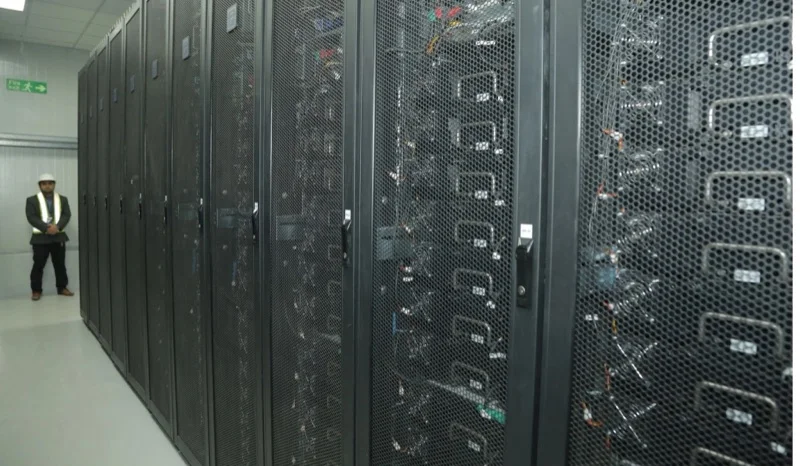 Grid-Scale BESS
Tata Power Delhi Distribution Limited (TPDDL)
India's First Grid-Scale BESS
EMS and SCADA partner. Ingro took over a legacy, vendor-locked platform.
10 MW / 10 MWh | 2+ Years on Ingro EMS | India's First Grid-Scale BESS
Read the project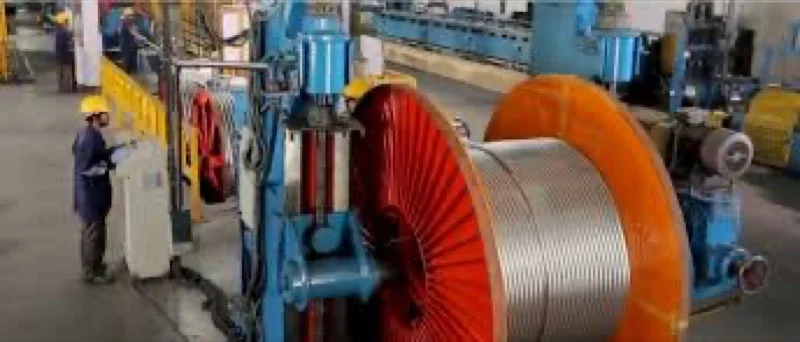 Industrial Energy Optimization
APAR Industries Limited
Industrial BESS Integration
End-to-end BESS for a manufacturing plant.
End-to-End BESS | Sub-1 ms Response | 15+ Year Lifecycle Design
Read the project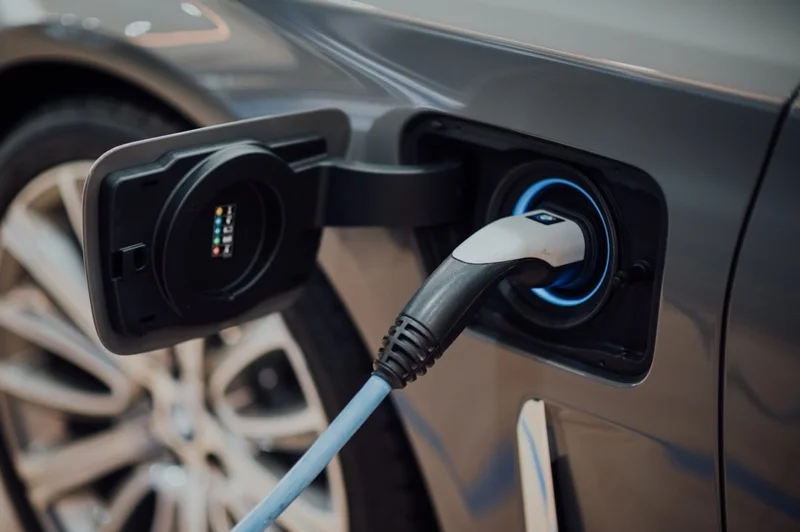 EV Charging Infrastructure
Jio-BP
EMS + BESS for EV Charging
EMS from edge BMS/PCS data to cloud monitoring.
EV Charging BESS | Real-Time BMS/PCS Monitoring | Cloud-Connected EMS
Read the projectBattery Passport, answered
What owners, manufacturers and lenders ask us most.
Have a question that isn't here?
Tell us about your batteries and target markets, and an engineer will answer it.
What is a digital battery passport?
A digital battery passport is an electronic record that stays with one battery for its whole life. It starts at manufacturing with the chemistry, materials, capacity and carbon footprint, grows with every cycle, repair and change of owner, and ends with the material data a recycler needs. A QR code on the battery links to it.
Is a battery passport mandatory?
In Europe, yes. Under the EU Battery Regulation (EU) 2023/1542, every industrial battery above 2 kWh, every EV battery and every light-means-of-transport battery placed on the EU market from 18 February 2027 must have a digital battery passport. In India, draft guidelines for the Battery Pack Aadhaar Number (BPAN) propose a similar unique ID and lifecycle record for EV batteries and industrial batteries above 2 kWh.
What is BPAN?
BPAN is the Battery Pack Aadhaar Number, India's proposed identity system for batteries. Under draft guidelines from the Ministry of Road Transport and Highways, the producer or importer gives each battery pack a unique 21-character code, marks it on the pack with a QR code, and uploads its data to a government portal so the pack can be traced from raw material to recycling.
What data does Ingro's battery passport hold?
Eight layers: manufacturing data, operational history, health metrics, compliance records, carbon footprint, chain of custody, second-life assessment and recycling data. Together they cover what the battery is made of, how it has been used, how healthy it is now, who has owned and serviced it, and how it should be reused or recycled.
Where does the data come from?
Manufacturing data comes from the maker when the passport is created. Operating data is written by the Ingro EMS that runs the battery, collected on site and stored in Cloud EMS. Ingro Brain adds state of health, degradation trend and remaining useful life. Installers, O&M teams and owners add commissioning, maintenance and ownership records.
How is the record kept tamper-proof?
Operating data is written by the EMS, not typed in by hand. Each entry is time-stamped and hashed, and verification timestamps are anchored so that any later change can be detected. Nothing is overwritten: a correction is added as a new entry, so the full history stays visible.
Who can see a battery's passport?
Access depends on the role. Basic information is public through the QR code. Detailed operating and health history goes to people with a legitimate interest, such as owners, lenders, insurers, second-life buyers and recyclers. Regulators get what they require for compliance. This follows the EU regulation's tiered approach to passport access.
How does a passport raise a battery's resale and second-life value?
A buyer who cannot verify a battery's history has to price in the risk. With a passport, the buyer sees the actual state of health, cycle count, thermal history and maintenance record, and an AI-based reuse score. Verified health data is what lets a used battery sell into second-life markets such as stationary storage or telecom backup, rather than going straight to recycling.
How does Battery Passport relate to Cloud EMS and Ingro Brain?
They are separate products that work together. Battery Passport does not require either one, but where they are in use, Cloud EMS supplies the operating data, Ingro Brain turns it into health and lifetime analytics, and Battery Passport keeps the permanent, verifiable record. The Integrations layer carries passport data out to ERP systems, regulatory portals, insurers and second-life marketplaces.
Your Batteries Have a Story. Make It Verifiable.
Talk to us about Battery Passport across your manufacturing line or BESS fleet, ready for the EU passport and India's BPAN from day one.
How Battery Passport Serves
Your Application
Different deployments need different things from a digital passport. Here is how it delivers value across the most common BESS use cases in India.
Works with the rest
of Ingro
Battery Passport is an independent product. Where you also run other Ingro products, operating data and health analytics can flow into the passport, and passport data can flow out to the systems that need it.
Cloud EMS
Operational data flows continuously from Cloud EMS into the passport, including every charge cycle, dispatch command and power flow event.
Explore Cloud EMSIngro Brain
Health analytics, degradation predictions, and remaining useful life estimates from Ingro Brain feed directly into the passport, turning raw data into lifecycle information you can act on.
Explore Ingro BrainIntegrations Layer
Passport data flows through the Integrations layer to connect with ERP systems, regulatory portals, insurance platforms, and second-life marketplaces via standardised APIs.
Explore IntegrationsIngro EMS
Battery Passport stands on its own. Where Ingro EMS runs the battery, it writes every cycle and event to the passport automatically.
See Ingro EMS