Battery storage for an office, mall or IT park: what it does to the HT bill
Your monthly bill shows a contract demand, a recorded maximum demand, a billing demand that may be neither of them, a demand charge on that billing demand, energy billed in kVAh, and a charge or rebate by time of day. This page goes through those lines for an office tower, mall, IT park or large showroom, shows which ones a battery at your HT incomer can move, and says when it will not pay back.
Reviewed 16 November 2026 by Ingro Energy's project team
The short answer
- You pay demand charges on the billing demand, not on what the meter records. It is the recorded maximum demand or a set share of your contract demand, whichever is higher: 75% in Maharashtra for HT commercial, 90% in Tamil Nadu for HT. A battery saves money only on the part above that floor.
- In Maharashtra the billing demand also cannot fall below 75% of the highest billing demand of the previous eleven months. So one hot afternoon when every chiller runs flat out keeps the next eleven bills up too. Holding that peak down every month is where a battery earns most.
- Peak-hour charges are a smaller gain. A battery gives back only about 85% of what it stores, and at commercial energy rates that loss eats most of a 20% peak-hour charge, unless the battery charges in the cheaper solar hours.
- If your demand already sits near the floor, your peak lasts most of the afternoon, or staging the chillers would remove it, a battery will not pay back. The calculator below tells you which side you are on.
Your HT commercial bill, line by line
Larger offices, malls and IT parks usually take supply at HT and pay a two-part tariff. The names on the bill differ by DISCOM, but the lines are much the same. Here is what each one is and whether a battery at the HT incomer can change it.
| Line on the bill | What sets it | Can a battery change it? |
|---|---|---|
| Contract demand (kVA) | What you agreed with the DISCOM when the connection was sanctioned | Not by itself. It can let you ask for a lower one |
| Recorded maximum demand (kVA) | The highest average load over one metering interval in the month (15 minutes in Tamil Nadu) | Yes: this is what peak shaving lowers |
| Billing demand (kVA) | The higher of the recorded demand and the state's floor (see the next section) | Only down to the floor |
| Demand charge (₹ per kVA per month) | Billing demand × the rate for your category | Yes, through the billing demand |
| Energy charge (₹ per kVAh) | Units drawn. Maharashtra bills HT consumers in kVAh, so a poor power factor shows up as extra units | Not much. A battery adds a few units for its own losses |
| Time-of-day charge or rebate | Units drawn in the peak hours and in the cheaper hours | Yes, by charging in cheap hours and supplying in peak hours |
| Penalty for exceeding contract demand | Recorded demand above the contract demand. Maharashtra adds 150% of the demand charge on the excess kVA | Yes, if it holds the load below the contract demand |
| Electricity duty, wheeling, fuel adjustment | State duty and DISCOM pass-through charges | No |
These are examples from the Maharashtra and Tamil Nadu tariff orders listed at the foot of this page. Your state, DISCOM and category set their own rules and rates; read them off your own bill or tariff order, or send us the bill.
How the billed kVA is worked out: the floor, the window and the eleven-month memory
Maharashtra (MSEDCL, HT II commercial, tariff order of March 2025): the monthly billing demand is the highest of three numbers. One is the maximum demand recorded in the month between 06:00 and 22:00. The second is 75% of the highest billing demand in the preceding eleven months, capped at the contract demand. The third is 75% of the contract demand. The order extends the recording window to midnight once ToD meters are updated.
Tamil Nadu (TANGEDCO, tariff order of September 2022): for HT consumers, the demand charge is levied on the kVA actually recorded in the month or 90% of the contracted demand, whichever is higher, with the maximum demand taken over fifteen-minute intervals.
Three things follow for a building owner:
- A floor close to your contract demand leaves little to save. With a 90% floor, shaving the peak pays only if you also bring the contract demand down to match.
- Where the rule looks back eleven months, one missed afternoon does not cost one month. It can set a minimum for the year that follows. A battery has to hold the limit every single month to keep the saving.
- Going over the contract demand costs extra. Maharashtra bills the excess kVA at the demand charge plus 150% of it, and lets the DISCOM raise your contract demand if you cross it more than three times in a calendar year.
Before you size anything, write down your contract demand, the floor in your tariff, and the billing demand on each of your last twelve bills. If the billing demand equals the floor in most months, a battery has little to shave.
When your building peaks, and when the tariff's peak hours are
In an air-conditioned office, mall or IT park the chiller plant and air handling are usually the largest load, so the month's maximum demand tends to come on a hot afternoon. Lifts and escalators add short spikes on top, most of all at the morning arrival in an office tower. A mall stays loaded into the late evening and at weekends, when lighting, food courts and cooling for crowds all run together. An IT park with data rooms has a high base that runs day and night, with cooling on top.
The tariff's peak hours are a separate clock. Central rules notified in 2023 require time-of-day tariffs for commercial and industrial consumers with a maximum demand of 10 kW or more: 10 to 20% higher in peak hours, and 10 to 20% lower in the eight solar hours, from 1 April 2024. Each state sets its own hours:
- Maharashtra (MSEDCL, FY 2026-27): 17:00 to 24:00 is charged at 20% above the energy charge. 09:00 to 17:00 gets a 15% rebate from April to September and 25% from October to March. 00:00 to 09:00 is at the normal rate.
- Tamil Nadu (TANGEDCO, from 2022): 06:00 to 10:00 and 18:00 to 22:00 are billed at 25% above the energy charge. 22:00 to 05:00 gets a 5% reduction.
So the two jobs can fall at different times. An office in Maharashtra usually sets its maximum demand in the afternoon, inside the cheaper solar hours, and is lightly loaded after 17:00. Its battery earns mainly on the demand charge. A mall that is busy until 22:00 can use the same battery for the evening peak-hour charge as well. Look at your own meter's interval data before you count on both.
What a battery saves on this bill
Demand charge: every kVA taken off the billing demand saves your demand charge rate on it every month, as long as the billing demand stays above the floor. You can check it on the next bill.
Peak-hour units: each unit the battery supplies in peak hours saves the peak-hour charge, minus what was lost charging it. At about 85% round trip, roughly one unit in seven bought to charge the battery does not come back out. At commercial energy rates that matters. On Maharashtra's HT II tariff for FY 2026-27, the evening charge is about ₹2.74 a unit (20% of ₹13.72). The loss on a unit charged at the full HT rate is about ₹2.56. Charging in the solar-hour rebate window instead is what makes the peak-hour saving worth having.
The calculator counts only the demand charge and the peak-hour difference you type in. It does not know your floor, the eleven-month rule or your contract demand, so check those against your bills. Backup, diesel saved and solar are left out.
Work it out from your electricity bill
Read these off your HT bill. No tariff is filled in for you, because rates differ by state, DISCOM and category. Nothing is sent anywhere until you ask us to check it.
Enter your recorded demand, the kVA to shave, how long the peak lasts, and your demand charge or peak-hour difference to see the figures.
How this is worked out
- Battery power (kW) is taken as equal to the kVA you want to shave, which errs on the larger side.
- The battery carries the full shave for the whole peak, every day, and holds at least 1 hour at full power. Only 90% of its rated kWh is used.
- Demand saving = kVA shaved × your demand charge rate × 12 months. It counts only if the peak is held down in every month; one missed interval sets that month's demand, and in states with an eleven-month rule it can set a minimum for the months after.
- Your tariff's floor (a share of the contract demand) is not modelled. If the new demand falls below it, the saving stops at the floor.
- Peak-hour saving = units supplied in peak hours × (your rate difference − about ₹1.6 lost in charging), on 300 days a year. Losses are priced at your normal-hour energy rate with 85% round trip, or at a generic ₹9 a unit if you leave that blank. At HT commercial energy charges the loss per unit is higher than the generic figure, so enter your own rate.
- Installed cost is taken as ₹25,000 to ₹38,000 per kWh for a battery under 250 kWh, and ₹20,000 to ₹30,000 per kWh above that, before GST. This is a working range, not a quote.
- Backup value, diesel saved, solar and any change to your contract demand are not counted. Battery upkeep is not subtracted.
- This is a first estimate. Your meter's interval data, floor and tariff are checked before anyone gives you a price.
Get the figure checked against your bill
Leave your name and number. We call back with the size, cost and payback, checked against your tariff's floor.
Tell us about your building ↓A worked illustration: one building, a short peak and a long one
This is an illustration, not a project. The inputs: an office or mall on Maharashtra's HT II commercial tariff, with a contract demand of 1,100 kVA and a summer maximum demand of 1,000 kVA. The demand charge is ₹650 per kVA a month, MSEDCL's approved rate for FY 2026-27. We want to take 100 kVA off the peak, down to 900 kVA. That is still above the 75% floor of 825 kVA, so the whole shave counts. No peak-hour saving is counted. The figures come from the same sums as the calculator.
| Short peak | Long peak | |
|---|---|---|
| How long the peak lasts each day | 1 hour | 3 hours |
| Demand charge saved a year | ₹7.8 lakh | ₹7.8 lakh |
| Battery needed | 100 kW / 115 kWh | 100 kW / 340 kWh |
| Installed cost, before GST | ₹29 lakh to ₹44 lakh | ₹68 lakh to ₹1.02 crore |
| Simple payback | 3.7 to 5.6 years | 8.7 to 13 years |
The saving is the same in both columns, because the demand charge pays for kVA, not for hours. The battery is not. A peak of one hour that comes from chillers and lifts overlapping is worth shaving. A peak that lasts all afternoon usually is not, on the demand charge alone.
Before a battery: chiller sequencing, BMS load shedding, thermal storage, contract demand
A facility manager already has tools for the peak, and most of them cost less than a battery. Use them first, then size a battery for what is left.
| Measure | What it does to the peak | Where it stops |
|---|---|---|
| Chiller sequencing and soft starts | Stops chillers and big pumps starting or ramping up together | Cannot cut the cooling the building actually needs on the hottest day |
| BMS demand limiting | Sheds or delays non-critical loads (pumps, some AHUs, fountains, signage) when the incomer nears a set kVA | Comfort complaints if it sheds cooling for long, and tenants' loads are often outside its reach |
| Thermal storage (chilled water or ice) | Makes cooling at night and uses it in the afternoon | Needs plant room space and works best when designed with the chiller plant, not added later |
| Revising the contract demand | Moves the floor, and the excess penalty, closer to the real load | Lower it too far and you pay the excess penalty instead |
| Battery at the HT incomer | Supplies the top of the peak, within seconds, whatever load causes it | Costs more per kVA of peak than the measures above, and has to work every month |
The battery's advantage is that it does not need anyone to switch anything off. It also pairs well with the others: once BMS limits and chiller sequencing have flattened the routine peaks, a smaller battery can cover the rare overlap that still sets the month.
Tenants, sub-meters and DG backup
Before sizing, check whose load is on the meter you want to shave. In Maharashtra, an HT II consumer that supplies separately identifiable entities from one point must operate as a franchisee authorised by the DISCOM, or the tenants must take their own connections. In Tamil Nadu, outlets inside an HT premises that are leased to others, such as food court counters, are metered separately by the DISCOM and billed on LT tariff. So in many malls and office complexes the owner's HT connection carries the common areas, central chillers, lifts and pumps, while tenants pay their own bills. A battery on the owner's incomer lowers only the owner's demand.
The category matters too. In Maharashtra, IT and ITeS units as defined in the state's IT policy are billed under the HT industrial tariff, not commercial, so an IT park can have different rates from the mall next door.
DG backup is usually passed on to tenants under the lease or maintenance agreement, often as a rate per DG unit read off a separate meter. If a battery carries the common areas and lifts through short cuts, the DG runs less. The diesel saved goes to whoever pays the DG bill, the owner, the maintenance agency or the tenants, so settle that before counting it in the business case. A battery kept charged for backup also cannot spend that charge on the afternoon peak. If you want both, the reserve has to be agreed and sized for.
Cost, battery life and solar, in brief
As a working range, an installed system costs about ₹20,000 to ₹35,000 per kWh of battery before GST, and more per kWh for small systems. Get it as one turnkey price that includes the PCS, the HT or LT panel work and the controller reading the incomer. Peak shaving means at most one cycle a day, which is gentle on LFP cells. Rooftop solar lowers daytime units, but it cannot be counted on to lower the maximum demand, because a passing cloud during the afternoon peak still shows on the meter. Prices, warranties and life are covered in the cost guide.
When a battery is not worth it for a commercial building
- Your billing demand is at the floor in most months. Shaving the recorded demand below the floor saves nothing unless the contract demand comes down too.
- Your peak is a long plateau. The chillers run near full load from noon to evening on summer days, and the battery needed grows with every hour.
- The peak comes from something you can schedule: chillers starting together after a Monday shutdown, pumps filling tanks at noon, a test run of the fire pumps.
- Most of the load is tenants' own connections, and the owner's HT meter carries only a modest common-area load.
- Your tariff has no time-of-day charge, or your building is quiet in the tariff's peak hours, and the demand charge saving alone does not cover the cost.
In these cases chiller sequencing, BMS demand limits or revising the contract demand will usually do more for the money. A battery can come later, sized for what is left.
What to ask before you sign with anyone
- What billed kVA will this hold every month, and how did you check it against my floor and the eleven-month rule, if my state has one?
- Which of my last twelve months would it have missed, from my meter's interval data, and what would those bills have shown?
- Is my contract demand worth revising alongside the battery, and what does that cost?
- Which loads are on this meter: common areas only, or tenants as well? Does the saving go to the owner or to the tenants?
- When does the battery charge: solar-rebate hours, night, or whenever it is empty? What does that do to the peak-hour saving?
- Is any charge kept back for backup? If so, how much, and who decides when it is used?
- What do the warranty years, cycles and end-of-life capacity say, and who comes when it stops?
See the equipment
- BESS cabinets sold in India, with their specifications
- Container BESS for IT parks and large campuses
- BESS by size, in kW and kWh
- PCS (battery inverters)
- Energy meters for logging your building's demand
- What a battery costs in India
- Battery or DG set for backup: the comparison
- How Ingro builds a battery site end to end
Questions facility managers and finance heads ask
Why is my billing demand higher than the maximum demand the meter recorded?
Because the tariff has a floor. Many states bill the higher of the recorded demand and a share of the contract demand: 75% for HT commercial in Maharashtra and 90% for HT in Tamil Nadu, in the orders cited below. Maharashtra also bills at least 75% of your highest billing demand in the previous eleven months.
Should we reduce our contract demand?
If your billing demand sits at the floor most months, the contract demand is probably higher than you need, and lowering it can cut the bill without any equipment. Go too low and you pay the excess-demand penalty instead. A battery can make a lower contract demand safe by covering the few intervals that would cross it.
Can a battery stop the penalty for exceeding contract demand?
Yes, if it is sized for how far and how long the load goes over and the controller holds the incomer below the limit. It has to work every time: one miss and the meter records the full peak for that month.
Our BMS already does demand limiting. Do we still need a battery?
Maybe not. If the BMS keeps the incomer under your target every month without comfort complaints, a battery adds little. A battery helps when the loads that set the peak are ones the BMS should not shed, such as cooling on the hottest afternoons, or tenants' loads it cannot reach.
Who benefits if the building has tenants?
Whoever pays the bill on the meter the battery sits behind. Usually that is the owner or maintenance agency's HT connection for the common areas and central plant. If you recover common-area power or DG costs from tenants, decide up front how the saving is shared.
How big a battery does an office or mall need for peak shaving?
The power is the kVA you want to take off the peak. The storage is that power times how long the peak lasts. The meter's 15- or 30-minute data shows both. The calculator above gives a first estimate from your bill.
Sources
- Maharashtra Electricity Regulatory Commission, MSEDCL MYT Order, Case No. 217 of 2024 (28 March 2025): HT billing demand, penalty for exceeding contract demand, HT II applicability and single-point supply, IT/ITeS under HT industry, kVAh billing
- Maharashtra Electricity Regulatory Commission, MSEDCL review order, Case No. 75 of 2025 (25 March 2026): HT II tariff for FY 2026-27 and time-of-day slots
- Tamil Nadu Electricity Regulatory Commission, TANGEDCO Tariff Order No. 07 of 2022 (9 September 2022): HT billable demand, 15-minute integration, peak-hour and night charges, separately metered leased outlets
- Ministry of Power (PIB), time-of-day tariff under the Electricity (Rights of Consumers) Amendment Rules, 23 June 2023
Sites that have benefited from battery storage
Different sites, same idea: use more of your own renewable power, cut the electricity bill, and keep running when the grid cannot keep up.
 LiveAPAR Industries · Factory · 720 kW / 500 kWh battery
A factory whose process lines keep running through every dip in power.
- <1 ms
- response when the load jumps or the grid dips
- Zero
- gaps in power to the production lines
- End to end
- battery, PCS, controls and installation by one team
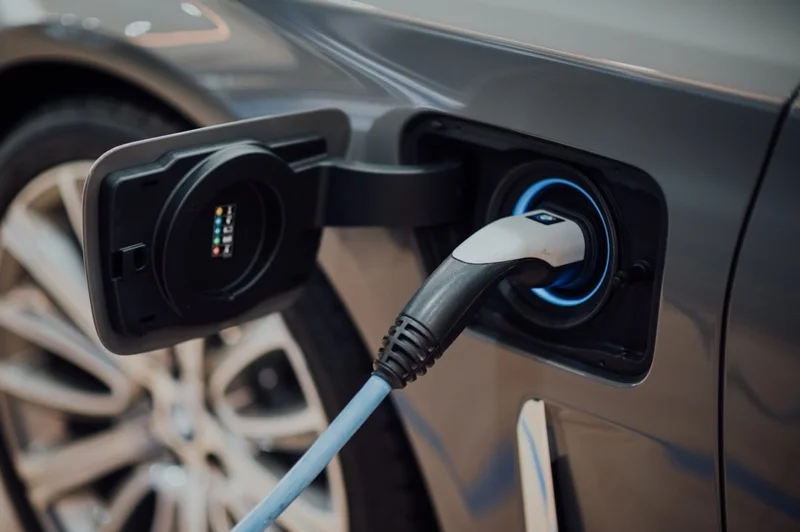 LiveEV charging hub · 260 kW / 580 kWh battery · India
Electric buses and cars keep charging, even when the grid is gone.
- 2.5×
- charging power from the same grid connection
- 1 s
- battery and PCS data, cell by cell
- Grid outage
- buses and cars still charge off the battery
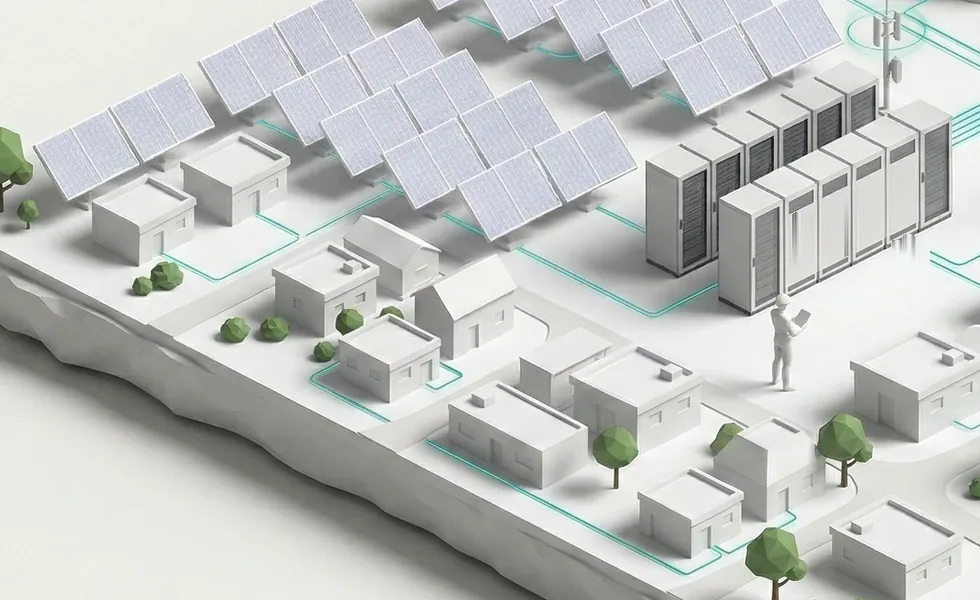 UnderwaySolar + battery micro-grid · Melghat, Maharashtra
A village without a grid. A solar and battery micro-grid that powers it.
- Village
- no grid connection
- Black start
- from standstill, no outside source
- 820
- homes on solar and battery
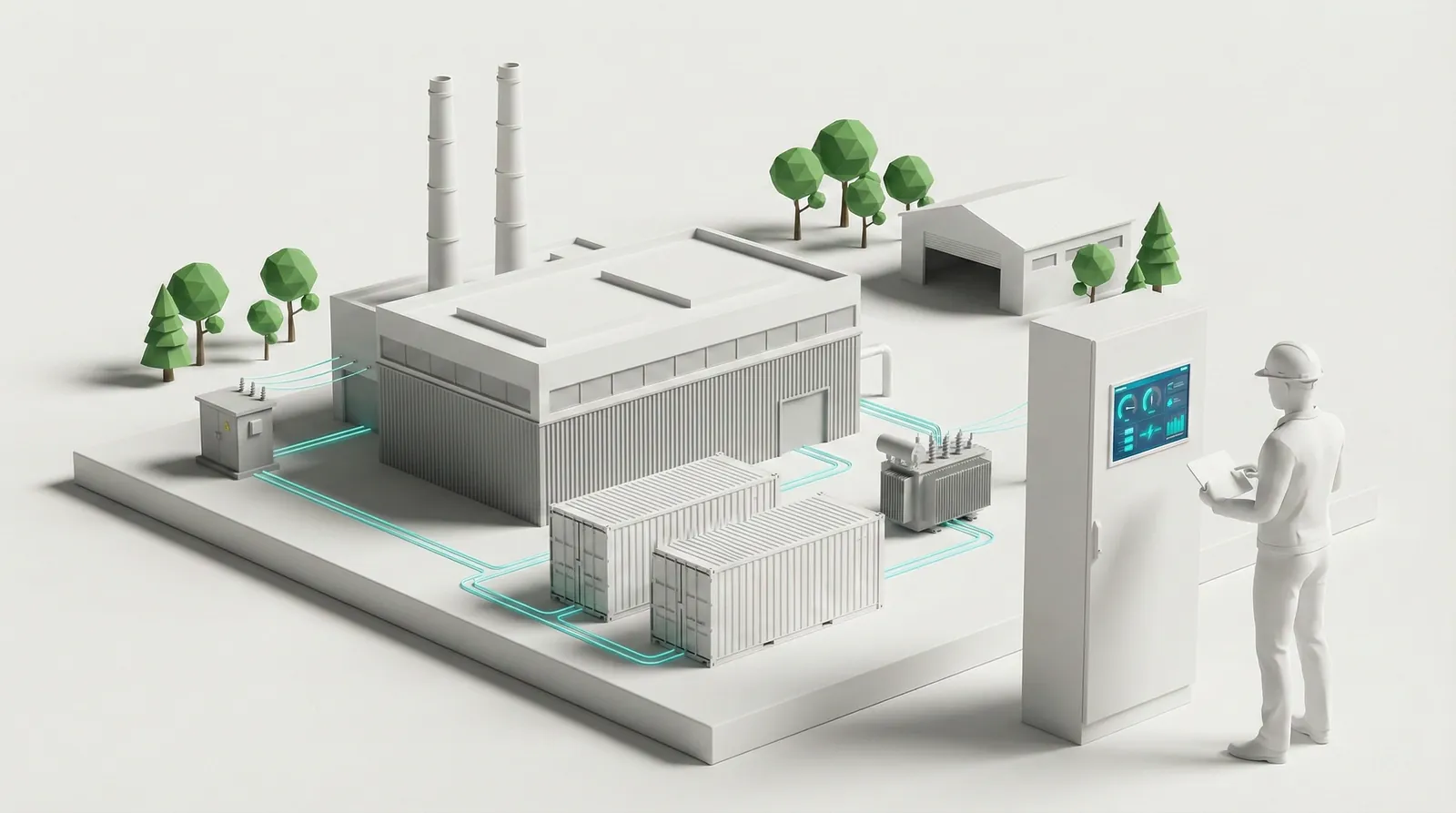 In testingIndustrial battery plant · Pune · 2.5 MW / 10 MWh
Two battery containers, two vendors, two languages. One EMS runs them as one plant.
- 2
- container makes, each with its own BMS protocol
- 1
- PCS and one EMS across both
- Hot-swap
- take a container out for service, plant keeps running
Tell us about your building
Send what is on your bill. An Ingro engineer checks your billing demand against your tariff's floor, works out what a battery would hold, and sends the size, cost and payback, free. Your last twelve bills, and the meter's 15- or 30-minute data if your DISCOM or BMS can export it, make the answer sharper.
What happens next: we reply within one working day, by phone or WhatsApp. No site visit is needed at this stage, and there is nothing to pay.