Battery (BESS) vs diesel generator: which costs less to run, and do you need both?
You have a DG set, and someone has suggested a battery. This page puts the two side by side for a commercial or industrial site: what each costs to buy and to run, how long each can carry your load, and when the DG on its own is still the right answer.
Reviewed 16 November 2026 by Ingro Energy's project team
The short answer
- Per unit, a battery is cheaper to run. A unit from a DG costs about ₹30 in diesel alone; a unit stored in a battery from the grid costs about ₹11.
- Upfront, the DG is cheaper. A battery costs more to buy, and it has to earn that back from the diesel it saves.
- A DG runs as long as there is fuel. A battery runs only for the hours it stores. That is why most sites keep both: the battery takes the routine cuts and the DG stays for the long ones.
- If your DG runs only a few hours a month, the DG alone is usually the cheaper choice. The calculator below shows which side your site is on.
What each one is, in plain words
A DG set is an engine that burns diesel to make power. It is started when the grid fails, by hand or by an automatic panel, and it runs for as long as it has fuel.
A battery energy storage system (BESS) is a cabinet or container of lithium batteries with an inverter. It charges when grid power is on (or from your solar) and takes over the load by itself when the grid fails. It runs for as long as its stored energy lasts, then hands over to the DG or the load goes off.
They are not really rivals. One stores cheap power for later; the other makes power on the spot from diesel. The question is which one should carry your load in which kind of cut.
Who runs your site, with a battery and a DG
The solid arrow is what is carrying the load. The dashed arrow is the DG waiting as backup.
Side by side
This is the comparison most owners want to see on one page. The figures come from the same assumptions as the calculator further down.
| Compared on | Diesel generator (DG) | Battery (BESS) |
|---|---|---|
| Running cost per unit | about ₹30 in diesel alone | about ₹11 charged from the grid, less from your own solar |
| Upfront cost | Lower | Higher: about ₹20,000 to ₹35,000 per kWh installed, before GST, as a working range |
| How long it runs | As long as there is fuel | Only for the hours it stores; then it needs grid or solar to recharge |
| When the grid fails | Load goes off until the DG starts and picks up | Takes over by itself; how quickly depends on how it is wired, so ask |
| Noise and smoke | Noisy, with exhaust, at the site | Quiet, no exhaust |
| Routine care | Fuel, oil, filters, servicing, someone to look after it | Little day to day; periodic checks and a cool, clean place to stand |
| What wears it out | Running hours | Charge cycles and years, and heat |
| Best at | Long cuts and rare emergencies | Routine cuts, every day |
Neither column is a winner on every line. That is the whole reason most sites that can afford a battery keep the DG as well.
Cost per unit: why the battery is cheaper to run
Start with what you know: diesel litres. A DG set makes roughly 3.2 units for every litre at a healthy load. At ₹95 a litre, each unit from the DG costs about ₹30, before servicing, oil, filters and the person who looks after it.
A battery charged from the grid gives back about 85% of what goes in. With grid power at around ₹9 a unit, a unit out of the battery costs about ₹11. The gap, about ₹19 a unit, is what a battery saves on every unit it supplies in place of the DG.
| Where the unit comes from | Cost per unit |
|---|---|
| DG set (diesel only) | about ₹30 |
| Battery, charged from the grid | about ₹11 |
| Battery, charged from your own solar | lower still |
Your tariff and your DG's real mileage will differ. A DG running at light load gives fewer units per litre, which widens the gap in the battery's favour.
Work it out from your diesel
Four numbers you already know. Nothing is sent anywhere until you ask us to check it.
Enter your diesel litres and DG hours to see the figures.
How this is worked out
- A DG set makes about 3.2 units per litre of diesel.
- Grid power costs about ₹9 a unit, and a battery gives back about 85% of what it takes in.
- The battery is sized to carry one normal day's DG running on one charge.
- Installed cost is taken as ₹25,000 to ₹38,000 per kWh for a battery under 250 kWh, and ₹20,000 to ₹30,000 per kWh above that, before GST. Small systems cost more per kWh. This is a working range, not a quote.
- Servicing saved on the DG, demand-charge savings and solar are not counted, so the real saving is usually higher.
- This is a first estimate. Motor starting loads and your real tariff are checked before anyone gives you a price.
Get the exact figure for your site
Leave your name and number. We call back with whether a battery makes sense next to your DG, and the size, cost and payback.
Tell us about your site and your DG ↓Upfront cost against running cost
A DG is cheap to buy and expensive to run. A battery is the other way round: it costs more on day one and little to run after that. So the honest question is not which is cheaper, but whether the diesel the battery saves pays back its price within its life.
That depends almost entirely on how many hours your DG runs. Many hours of cuts every week means a lot of diesel to save, and a battery can pay for itself. A DG that starts a few times a month for short cuts saves very little when replaced, and the battery would sit idle most of the time.
If you already own a working DG, its purchase is spent money. Comparing the battery's price with a new DG's price is the wrong sum; compare it with the diesel and servicing you will spend over the coming years.
How long each can run
This is where the DG wins, and it matters. A DG keeps going for as long as you keep the tank filled, through a cut of a few minutes or a few days.
A battery runs for the energy it holds, measured in kWh, divided by the load it is carrying, in kW. Run a heavier load and it lasts fewer hours. Once it is empty it needs grid power or solar to charge again, so a cut that lasts most of the day can drain it with no chance to recharge.
You could size a battery for the longest cut of the year, but it would be very large and very expensive, and most of it would go unused on ordinary days. That is why batteries are sized for the cuts you get most days.
The gap when the grid fails
With a DG alone, the load goes dark when the grid fails. The DG has to start, warm up enough to take load, and then the changeover panel switches across. Machines stop, computers without a UPS restart, and anything mid-process is interrupted.
A battery is already connected and can take over far faster, often quickly enough that lights and most equipment carry on. How fast depends on how the system is designed and wired, so ask the vendor what the switchover time is at your site and whether your sensitive loads will notice it.
When both are installed, the battery carries the load first and the DG starts only if the cut outlasts the battery. The load sees one smooth handover instead of a blackout.
Noise, smoke and maintenance
A DG is loud, gives off exhaust, needs diesel bought, stored and guarded, and needs regular servicing: oil, filters, coolant, batteries for the starter, and someone to run it. Neighbours, guests, patients and staff notice it.
A battery is quiet and has no exhaust. It needs periodic checks, a clean and reasonably cool place to stand, and a service contract for when something does go wrong. It is not maintenance-free, but there is far less to do day to day.
Life and replacement
A DG wears out with running hours. Fewer hours means a longer life, which is one quiet benefit of adding a battery: the DG you keep runs much less.
A battery wears out with charge cycles and with years, whichever comes first, and heat speeds that up. The warranty should state both, and the capacity left at the end. Read that line before you compare prices: a cheaper battery with a shorter warranty is not cheaper.
At the end of its life a battery holds less, not nothing. The cells or modules can be replaced while the inverter, panel and wiring stay.
The usual answer: battery for routine cuts, DG for long ones
For most sites with regular cuts, the cheapest set-up to run is both together. The battery is sized for the cuts you get on a normal day and takes every one of them on cheap stored power. The DG stays as backup for the rare long cut and runs only then.
The DG then burns far less diesel, runs far fewer hours and needs less servicing. The battery works every day, which is what makes it pay back.
- Battery: sized from the load it has to carry and the length of a normal cut.
- Inverter (PCS): sized from your largest motor's starting load, not just the running load.
- DG: kept as it is, wired so it starts on its own only when the battery runs low.
When the DG alone is the right answer
- Your DG runs rarely. If the grid is reliable and the DG starts only a few times a month, there is little diesel to save and a battery will not pay back.
- Your cuts last most of the day and you have no solar. The battery needed is very large, and with few grid hours to recharge it, the DG runs anyway.
- Your site runs only part of the year. The saving comes only in the running months, so payback stretches.
- You need backup for a very long outage and nothing else. A DG with enough fuel covers that more cheaply than a battery.
In the second and third cases, solar with a smaller battery often makes more sense than a battery alone. In the first and fourth, keep your DG and spend the money elsewhere.
What to ask a vendor
- How many hours does the battery carry my load, and which loads exactly?
- What is the largest motor it starts on battery alone, in writing?
- How quickly does it take over when the grid fails, and will my computers and machines notice?
- How is it wired with my existing DG, so the DG starts by itself only when the battery runs low?
- What is the warranty in years and in cycles, and what capacity is promised at the end?
- Does the price include the panel, cabling, civil work and approvals, or only the battery?
- Who do I call when it stops, and how fast do they come?
Guides for your kind of site, and the equipment
- Factories that run a DG set
- Cold storage with a DG set
- Hospitals
- Hotels
- Housing societies
- Commercial buildings
- Factories with solar
- EV charging hubs
- What a battery system costs in India
- BESS cabinets sold in India, with their specifications
- BESS by size, in kW and kWh
- DG set makers in India
- How Ingro builds a battery site end to end
Questions owners ask when comparing
Is a battery cheaper to run than a diesel generator?
Per unit, yes. At ₹95 a litre and about 3.2 units per litre, a DG unit costs about ₹30 in diesel alone. A unit stored in a battery from the grid at ₹9 costs about ₹11. Whether that pays for the battery depends on how many hours your DG runs.
Can a battery fully replace my DG?
Usually not, and it should not be sized to. A battery runs only for the hours it stores, and a battery big enough for the longest cut of the year is very expensive. The usual answer is a battery for routine cuts and the DG kept for long ones.
Is there a gap in power when the battery takes over?
Much less than with a DG, which has to start before it can take load. How quickly a battery takes over depends on how it is designed and wired, so ask the vendor for the switchover time at your site.
My grid is fairly reliable. Do I need a battery?
Probably not for backup alone. If the DG runs only a few times a month, there is little diesel to save and the DG alone is usually the cheaper choice. Solar or demand charges can change that, which is worth a separate look.
How long does a battery last compared with a DG?
A DG wears out with running hours; a battery with charge cycles and years, whichever comes first. Read the battery warranty for both, and for the capacity promised at the end. With a battery in place, the DG you keep also runs far fewer hours.
Sites that have benefited from battery storage
Different sites, same idea: use more of your own renewable power, cut the electricity bill, and keep running when the grid cannot keep up.
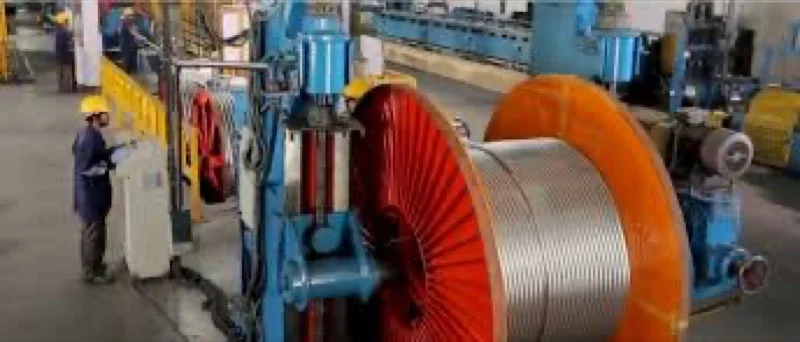 LiveAPAR Industries · Factory · 720 kW / 500 kWh battery
A factory whose process lines keep running through every dip in power.
- <1 ms
- response when the load jumps or the grid dips
- Zero
- gaps in power to the production lines
- End to end
- battery, PCS, controls and installation by one team
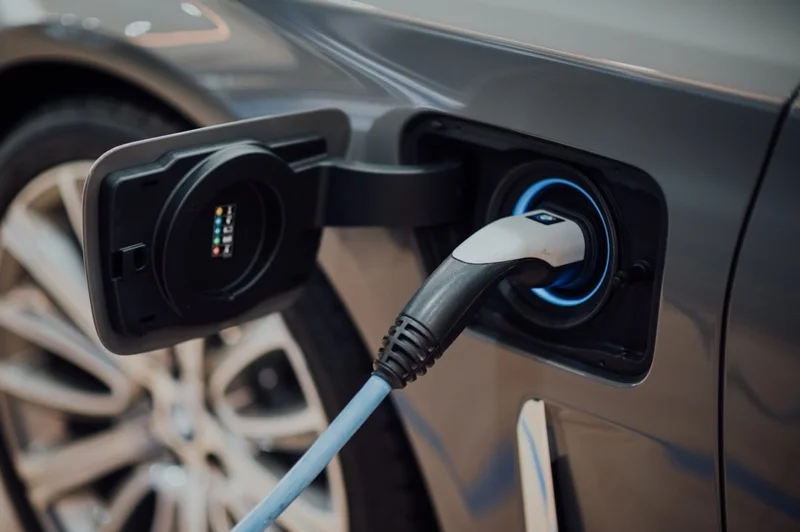 LiveEV charging hub · 260 kW / 580 kWh battery · India
Electric buses and cars keep charging, even when the grid is gone.
- 2.5×
- charging power from the same grid connection
- 1 s
- battery and PCS data, cell by cell
- Grid outage
- buses and cars still charge off the battery
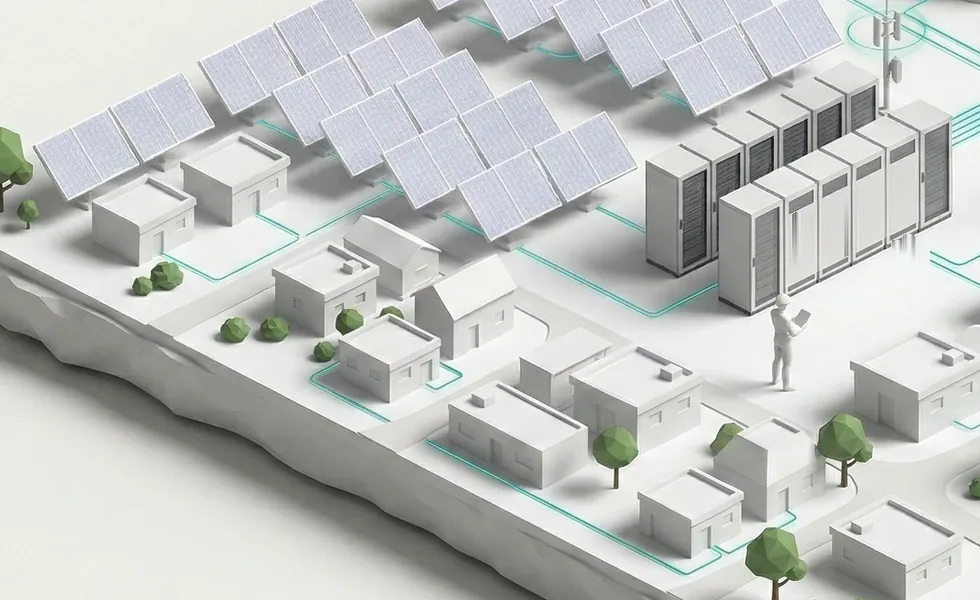 UnderwaySolar + battery micro-grid · Melghat, Maharashtra
A village without a grid. A solar and battery micro-grid that powers it.
- Village
- no grid connection
- Black start
- from standstill, no outside source
- 820
- homes on solar and battery
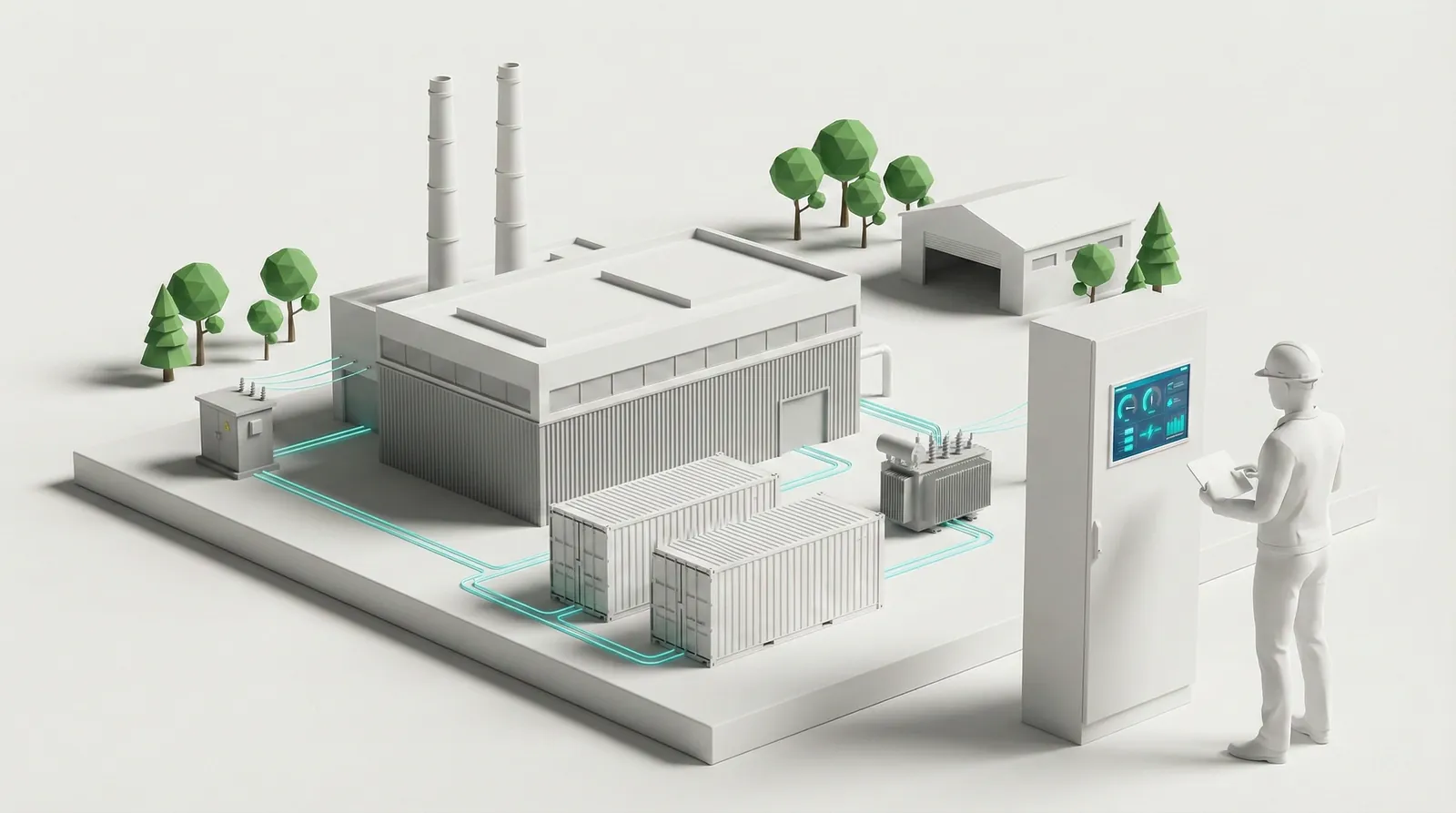 In testingIndustrial battery plant · Pune · 2.5 MW / 10 MWh
Two battery containers, two vendors, two languages. One EMS runs them as one plant.
- 2
- container makes, each with its own BMS protocol
- 1
- PCS and one EMS across both
- Hot-swap
- take a container out for service, plant keeps running
Tell us about your site and your DG
Send what you know. An Ingro engineer works out whether a battery, the DG alone, or both makes sense for your site, with the size, cost and payback, free.
What happens next: we reply within one working day, by phone or WhatsApp. No site visit is needed at this stage, and there is nothing to pay.