What a battery storage system (BESS) costs in India for a business
You want a number before you talk to anyone. This page gives you a working range, explains what sits behind it, and shows you how to read a quote so that you compare like with like. It is for commercial and industrial sites, not homes.
Reviewed 16 November 2026 by Ingro Energy's project team
The short answer
- As a working range, an installed battery system for a business costs about ₹20,000 to ₹35,000 per kWh of battery, before GST. That is a range to plan with, not a quote.
- The price follows two sizes: kWh (how much energy it stores) and kW (how much power it can deliver at once). A site with large motors needs more kW, and that costs more.
- A fair price is one turnkey figure that covers the battery, the inverter, the panel, the cabling and civil work, installation, testing and approvals. A per-kWh figure for the battery alone is not comparable.
- Price alone does not tell you if a battery is worth it. That depends on what it saves at your site, which the site guides below help you work out.
The working range
For a commercial or industrial site, an installed battery system of this kind costs about ₹20,000 to ₹35,000 per kWh of battery, before GST. Multiply by the size you need to get a first idea: a 200 kWh system at this range is 200 times ₹20,000 at the low end and 200 times ₹35,000 at the high end.
Treat that as a working range, not a price. Your real figure depends on the things further down this page, and the only number that counts is a turnkey quote for your site, with the list of what it includes.
Battery prices move with cell prices and exchange rates. A quote is usually valid for a limited period; ask how long, and what happens to the price if your project is delayed.
kW and kWh: why it is quoted per kWh, and why that is not the whole story
kWh is how much energy the battery stores: how long it can carry a load. kW is how much power it can deliver at one moment: how big a load it can carry, and how big a motor it can start. A battery with plenty of kWh but too few kW will trip the moment a large motor starts.
Prices are quoted per kWh because the batteries themselves are the largest single part of the cost, and they scale with kWh. But the inverter (PCS) scales with kW. Two systems with the same kWh can cost quite differently if one needs much more kW, for example to start compressors, pumps or a crusher.
- Long backup at a modest load: lots of kWh, fewer kW. Price per kWh tends to sit lower.
- Short backup at a heavy load, or large motors to start: fewer kWh, lots of kW. Price per kWh tends to sit higher.
When you compare quotes, check both numbers. A low price per kWh with too little kW is not a bargain.
What a turnkey price should include
Ask for one price for a working system, handed over and tested on your load, with an itemised list of what is in it. It should cover:
- The battery cabinet or container, with its battery management and cooling.
- The inverter (PCS), sized for your load and your motor starting.
- The changeover and protection panel, so the switch from grid to battery to DG is automatic and safe.
- Cabling and civil work: cable runs, trenches or trays, the plinth or foundation, earthing.
- The site controller that decides when the battery charges and discharges, and which loads it carries.
- Delivery, installation and commissioning.
- Testing on your real load, including starting your largest motor on battery.
- The approvals and inspections that apply at your site.
If a quote lists only the battery and the inverter, the rest will come later as extras. Ask for the missing lines in writing before you compare.
What moves the price up or down
- Size. Larger systems cost less per kWh (see the next section), though more in total.
- Make. Cells, inverters and enclosures from different makers carry different prices, warranties and service networks.
- Inverter power for motor starting. A site with large motors and no soft starters needs a larger PCS, which raises the price per kWh.
- Site electrical work. A long cable run, an old panel that needs replacing, a new transformer or a difficult spot for the cabinet all add cost.
- Warranty length. A longer warranty, in years and cycles, with more capacity promised at the end, costs more upfront and is often worth it.
- Cabinet or container. Smaller systems usually come as cabinets, larger ones as containers; each has its own civil and cooling needs.
- Solar integration. Tying the battery to existing or new solar adds some equipment and engineering.
Why small systems cost more per kWh
Some costs do not shrink with the size of the battery. The panel, the site controller, the engineering, the approvals, the commissioning visit and the mobilisation of an installation team cost much the same whether the battery is small or large.
Spread over fewer kWh, those fixed costs make a small system's price per kWh higher. That is why a small system often sits near the top of the range, or above it, and a large one near the bottom. It is not a sign that the small-system quote is unfair.
What is not in most quotes
- Upgrades to your existing panel, transformer or DG controls, if the site check finds they are needed.
- Building work beyond a basic plinth: a room, a shed, a fire wall or ventilation.
- Fire detection and suppression beyond what the cabinet or container comes with.
- Annual maintenance after the first period, unless a service contract is quoted separately.
- Insurance, and any changes needed to your electricity connection.
- Taxes, if the quote is shown before tax. Ask for the price with tax.
None of these is a trick; they depend on your site and are hard to price without seeing it. But ask each vendor which of them they have assumed, so the quotes line up.
Running costs and replacement
A battery costs little to run day to day. The main running costs are a periodic maintenance visit, the power the cooling system uses, and the small share of energy lost on each charge and discharge.
Over the years the battery holds less. Makers state the life as a number of years or a number of charge cycles, whichever comes first, and the capacity that will be left at the end. When it reaches that point, the battery modules can be replaced while the inverter, panel and cabling stay. Ask what a module replacement would involve, so it is not a surprise later.
Heat shortens battery life. Where the cabinet stands and how it is cooled affects how long your money lasts.
How to compare two quotes fairly
- Same kWh, and is it usable kWh or the total on the label?
- Same kW, and what is the largest motor it starts on battery alone, in writing?
- Is it one turnkey price, with the panel, cabling, civil work, controller, testing and approvals included?
- What has each vendor assumed is not included (the list above)?
- What is the warranty in years and in cycles, and what capacity is promised at the end?
- Which cells, inverter and enclosure are used, by make and model, so you can look them up?
- Who services it, from where, and how fast do they come when it stops?
- Is the price with tax, and how long is it valid?
Divide each turnkey price by its usable kWh, then check the kW and the warranty side by side. That is the fair comparison; the headline figure is not.
How payback is worked out
Payback is the installed cost divided by what the battery saves in a year. The saving depends on your site: diesel no longer burnt during cuts, peak-hour or demand charges avoided, or solar that would otherwise be wasted.
The site guides each have a calculator that does this from numbers you already know, such as your diesel litres and DG hours, using this same cost range. Start with the one closest to your site.
- Factories that run a DG set, and factories with solar.
- Cold storage, hospitals and hotels.
- Housing societies and commercial buildings.
- EV charging hubs.
If your DG runs only a few hours a month, or nothing at your site costs more at certain hours, a battery may not pay back at any price in this range. Better to know that before you buy.
Work out the payback for your kind of site
- Factories that run a DG set
- Factories with solar
- Cold storage with a DG set
- Hospitals
- Hotels
- Housing societies
- Commercial buildings
- EV charging hubs
- Battery vs diesel generator: which costs less to run
- BESS cabinets sold in India, with their specifications
- Container BESS sold in India
- BESS by size, in kW and kWh
- PCS (battery inverters)
- How Ingro builds a battery site end to end
Questions buyers ask about cost
What does a BESS cost per kWh in India?
As a working range, about ₹20,000 to ₹35,000 per kWh, installed and before GST, for a commercial or industrial system. Your price depends on the size, the make, the inverter power your motors need and the electrical work at your site.
Why do two quotes for the same kWh differ so much?
Usually because they do not include the same things, or are not sized for the same kW. Check that both are turnkey, list what each leaves out, and compare the inverter power and the warranty side by side.
Is a bigger battery cheaper per kWh?
Generally yes. Panels, controls, engineering, approvals and commissioning cost much the same for a small system as a large one, so a larger system spreads them over more kWh.
Does the price include the inverter?
It should. A turnkey price includes the inverter (PCS), the panel, cabling, civil work, the site controller, installation, testing and approvals. If a quote shows only the battery, ask for the rest in writing.
Is a battery worth it at this price?
Only if it saves enough at your site. If your DG runs a lot, or you pay more at certain hours, or solar is going to waste, it may pay back well inside its life. If your DG barely runs, it probably will not. The site guides have calculators that show which side you are on.
Sites that have benefited from battery storage
Different sites, same idea: use more of your own renewable power, cut the electricity bill, and keep running when the grid cannot keep up.
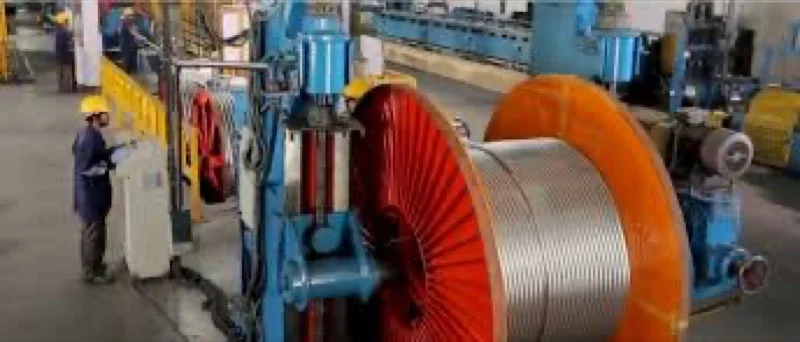 LiveAPAR Industries · Factory · 720 kW / 500 kWh battery
A factory whose process lines keep running through every dip in power.
- <1 ms
- response when the load jumps or the grid dips
- Zero
- gaps in power to the production lines
- End to end
- battery, PCS, controls and installation by one team
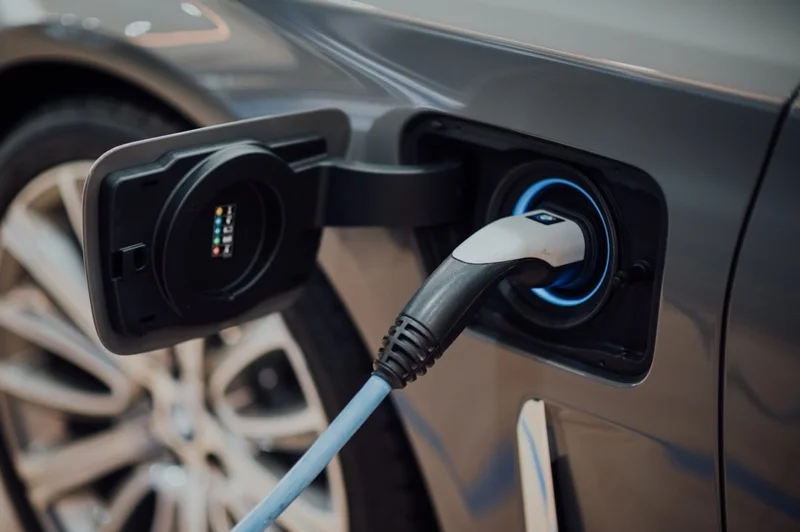 LiveEV charging hub · 260 kW / 580 kWh battery · India
Electric buses and cars keep charging, even when the grid is gone.
- 2.5×
- charging power from the same grid connection
- 1 s
- battery and PCS data, cell by cell
- Grid outage
- buses and cars still charge off the battery
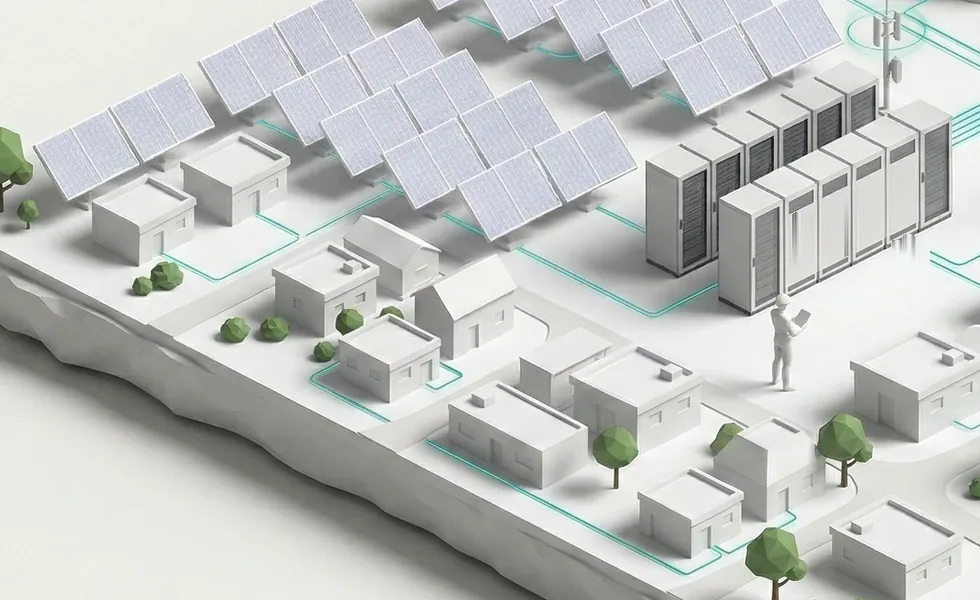 UnderwaySolar + battery micro-grid · Melghat, Maharashtra
A village without a grid. A solar and battery micro-grid that powers it.
- Village
- no grid connection
- Black start
- from standstill, no outside source
- 820
- homes on solar and battery
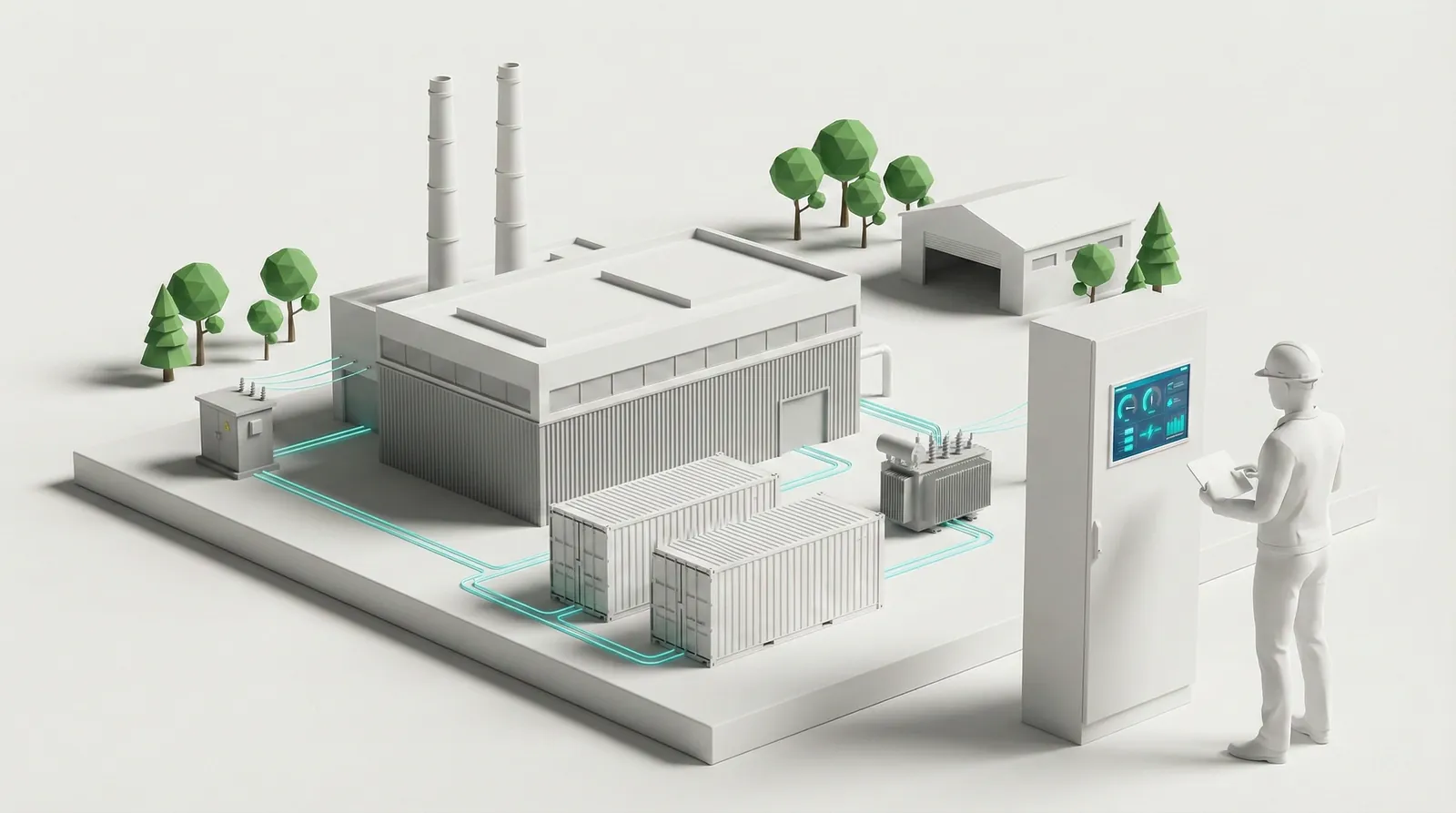 In testingIndustrial battery plant · Pune · 2.5 MW / 10 MWh
Two battery containers, two vendors, two languages. One EMS runs them as one plant.
- 2
- container makes, each with its own BMS protocol
- 1
- PCS and one EMS across both
- Hot-swap
- take a container out for service, plant keeps running
Get a turnkey price for your site
Send what you know. An Ingro engineer works out the size your site needs and what it would cost, with what is included, free.
What happens next: we reply within one working day, by phone or WhatsApp. No site visit is needed at this stage, and there is nothing to pay.