Battery storage for a hospital: what it can carry between your UPS and your DG, and is it worth it?
Your hospital already runs on three kinds of supply: UPS on the OT, ICU and servers, DG-backed essential panels for the air handling, medical gas plant, lifts and pumps, and normal supply for everything else. This page is for the engineering or facilities head. It looks at where a battery fits in that arrangement, what it changes in the seconds after a cut and in your DG log book, the rules now pushing hospitals off diesel, and when it is not worth doing.
Reviewed 16 November 2026 by Ingro Energy's project team
The short answer
- A battery goes behind your UPS and in front of your DG. It can carry the essential panels the DG carries now, without waiting for the DG to start and take load.
- It does not touch the UPS on OT lights, ICU equipment, servers or imaging. That stays exactly as your electrical consultant specified. The DG stays too, for the long cut and for whatever your approvals require.
- On money, a DG unit costs about ₹30 in diesel and a unit stored from the grid about ₹11. If your DG runs a few hours a day, that gap can pay for the battery. If it runs a few hours a month, it cannot. The calculator below shows which side you are on.
Your three kinds of supply, and where a battery fits
Hospital wiring follows how long each area can be without power. Under the international (IEC) rules for medical locations, as one Indian switchgear maker's hospital guide sets them out, OT table lights and critical equipment must be back within 0.5 seconds, a second group within 15 seconds, and the rest can wait longer.
In a typical Indian hospital that ends up as three layers:
- UPS, no break: OT lights and equipment, ICU and NICU monitoring, the HIS servers and network, and a UPS for each imaging room (CT, cath lab, MRI electronics). Ventilators also carry their own internal batteries.
- DG-backed essential supply, back after the DG starts: OT and ICU air handling units, the medical oxygen (PSA) plant and vacuum pumps, bed lifts, fire and water pumps, blood bank and pharmacy refrigerators, essential lighting and the emergency department.
- Normal supply, can wait or be shed: OPD and office air conditioning, laundry, the kitchen's heavy equipment, staff quarters, the STP blowers and other plant that can restart later.
A battery is a fourth source on the second layer. It sits on the essential panels and is already running when the grid fails, so those panels do not wait for the DG.
Who carries your essential panels, minute by minute
The solid arrow is what carries the load. The dashed arrow is the DG waiting as backup. The UPS on OT, ICU, imaging and servers stays in place either way.
What happens in the gap before the DG takes load
When the grid fails, the AMF panel waits to be sure the outage is real, starts the DG, lets it come up to voltage and frequency, and then closes the changeover. Until that happens, everything on the essential panels is off. The UPS loads do not notice. Everything else does.
On a hospital floor that means the OT and ICU air handling units stop and have to restart, so the room's air changes and pressure are interrupted. Chillers restart only after their own delay. Lifts stop between floors. The PSA plant's compressor trips. Any lab analyser that was not given a UPS loses the run in progress. Your MRI's helium compressor and its chiller should not be left without supply for long, so check what the scanner's maker requires.
The bigger risk is the day the DG does not take load at all: a flat starting battery, a fault in the AMF, a dry day tank. A battery that is already carrying the essential panels takes that risk out of the first minutes of a cut, and gives the DG time to start properly.
Ask any vendor in writing: "Which of my panels does this carry, what do they see at the moment of a grid failure, and what happens if your system itself faults?" A good answer names the panels on your single-line diagram and shows how the system bypasses to the DG on its own fault.
What the battery must not take over
The Indian Public Health Standards for district hospitals ask for uninterrupted supply in the most important places, a properly rated UPS on sensitive equipment, and backup from another source, such as a DG or solar, synchronised with the main supply. A building battery helps with the third. It does not replace the first two.
Leave alone the UPS units on OT lights and equipment, ICU and NICU, imaging and servers, any isolated (medical IT) supply in the OTs and ICU, and the emergency lighting. NABH accreditation also expects alternate sources of electricity and their testing at a set frequency, so the DG stays on its testing schedule. How the critical-care backup is arranged is decided with your hospital's electrical consultant, not by a battery vendor.
Air handling sets the size, not the beds
The essential panels are mostly motors, and the biggest of them run the OT and ICU air. The public health standards ask an ICU to run its air handling round the clock, with 10 to 12 air changes an hour, about 23°C and 45 to 65% humidity all year. Those units, and the chillers or package units behind them, are what make a battery large.
So the first decision is not the bed count but which panels the battery carries: the OT and ICU air handling units only, those plus the chiller that feeds them, or the whole essential board including lifts and the PSA plant. Each step up adds inverter power (kW) for motor starting as well as battery hours (kWh). A survey of your essential board and a week of load readings settle it.
The rules pushing hospitals off diesel
Under rule 10(6) of the Electricity (Rights of Consumers) Rules, added in April 2022, consumers who use DG sets as essential backup "shall endeavor to shift" to cleaner technology, such as renewable energy with battery storage, within five years or on timelines set by the state commission. It is worded as an effort, not a ban, and a hospital's DG is about as essential as backup gets.
In Delhi NCR the rules already bite. Under CAQM Direction No. 76 (as amended), DG sets from 41 kW to under 800 kW must run in dual-fuel mode or with a certified retrofitted emission control device, a log book of DG running is compulsory, and the emergency services the direction lists were given a later start date. A battery that takes the routine cuts means fewer hours in that log book.
The idea has reached Indian public hospitals. In 2024 Kerala's renewable energy agency, ANERT, tendered a 250 kW / 500 kWh battery for the main block of the Government Medical College, Thiruvananthapuram, as a reference installation for the state. We have not seen a report that it is running yet.
What it saves, counted in your DG log book
Start from the litres your facilities team already records. A DG set makes roughly 3.2 units per litre, so at ₹95 a litre every unit costs about ₹30 in diesel alone, before servicing and the operator's time. A battery charged from the grid gives back about 85% of what goes in; with grid power at about ₹9 a unit, a battery unit costs about ₹11.
| Where the unit comes from | Cost per unit |
|---|---|
| DG set (diesel only) | about ₹30 |
| Battery, charged from the grid | about ₹11 |
| Battery, charged from your own solar | lower still |
Hospital DG sets are sized for the whole essential board and spend most hours lightly loaded, which gives fewer units per litre than the figure above. That makes the battery look better, not worse.
Work it out from your DG log book
Four numbers from your DG log book and diesel bills. Nothing is sent anywhere until you ask us to check it.
Enter your diesel litres and DG hours to see the figures.
How this is worked out
- A DG set makes about 3.2 units per litre of diesel.
- Grid power costs about ₹9 a unit, and a battery gives back about 85% of what it takes in.
- The battery is sized to carry one normal day's DG running on one charge.
- Installed cost is taken as ₹25,000 to ₹38,000 per kWh for a battery under 250 kWh, and ₹20,000 to ₹30,000 per kWh above that, before GST. This is a working range, not a quote.
- DG servicing saved, fewer UPS battery cycles and solar are not counted.
- This is a first estimate. Which panels the battery carries, motor starting for AHUs, chillers and lifts, and your real tariff are checked before anyone gives you a price.
Get the figure for your essential panels
Leave your name and number. We call back with a size, cost and payback for your hospital.
Tell us about your hospital ↓An illustration with stated inputs
This is not a real hospital. Take one whose DG carries the essential panels at about 150 kW, for about 3 hours of cuts a day, 12 months a year. That is about 4,200 litres of diesel a month, or roughly ₹4.0 lakh, and about 448 units a day from the DG.
A battery of about 500 kWh carries that day's cuts on one charge. On the calculator's assumptions it saves about ₹31 lakh a year in diesel, costs about ₹100 to ₹150 lakh installed before GST, and pays back in about 3.2 to 4.9 years.
Where it can stand on a hospital campus
The systems use lithium iron phosphate (LFP) cells, the safer lithium type, with their own monitoring, protection and fire detection. On a campus they should still stand away from wards, OTs, ICUs, escape routes and the oxygen manifold or liquid oxygen tank: usually outdoors in their own enclosure near the main LT panel, or in a dedicated room at ground level with an outside wall.
The location is agreed with your facilities team, your electrical consultant and the fire authority that issues your NOC before anything is ordered. Keep it away from the DG exhaust and chiller heat too, because heat shortens battery life.
If a vendor proposes a location without asking about your fire plan, your oxygen storage and your escape routes, ask them to start again.
Cost, battery life and solar, in brief
As a working range, an installed system costs about ₹20,000 to ₹35,000 per kWh before GST; the cost guide linked below explains what moves it. Compare warranties in both years and cycles, with the capacity promised at the end. If you have solar or roof for it, a hospital uses every unit the panels make, and a battery keeps the panels working through a cut. The battery-or-diesel guide below sets the two side by side.
When a battery is not worth it for a hospital
- Your grid is good and the DG runs mainly for its tests. There is little diesel to save, and the battery sits idle.
- The problem is one machine. If one CT, one lab analyser or one cath lab keeps dropping out, a correctly sized UPS for that room is far cheaper than a building battery.
- Your cuts last most of the day and you have no solar. The battery would be very large and could not recharge, so the DG runs anyway.
- Your essential board is not separated from normal loads. Until the panels are split, a battery cannot carry only what matters, and the first money should go to the panel work.
- There is nowhere on campus it can stand safely away from patients, oxygen storage and escape routes.
In any of these cases we will tell you so, and what we would do instead.
What to ask before you sign with anyone
- Which panels on my single-line diagram does it carry, and what do they see at the moment of a cut?
- How does it work with my AMF panel and DG, and what happens if the battery system itself faults?
- What inverter power is allowed for starting my AHUs, chillers, lifts and PSA compressor, and is that in writing?
- How is it connected without leaving the OTs and ICU without backup? On which nights, and with what standby arrangement?
- How does it fit our monthly DG test and our accreditation records?
- Where will it stand, and how does that fit our fire NOC, oxygen storage and escape routes?
- Who comes when it alarms at 2 a.m., and how fast?
- Does the price include the panel changes, cabling, civil work and approvals, or only the battery?
Read next, and see the equipment
Questions hospital engineers ask
Can a battery replace the UPS on our OT and ICU?
No. The UPS on OT lights and equipment, ICU and NICU, imaging and servers stays as your electrical consultant specified. The battery is a larger source on the essential panels behind them.
Can we remove a DG set if we add a battery?
Plan to keep your DG sets. The battery takes the routine cuts and the first minutes of a long one; the DG covers the long cut and whatever your approvals and accreditation require. It then runs fewer hours, which also helps if you are in Delhi NCR and keep a DG log book under the CAQM rules.
Will the essential panels see no break at all?
That depends on how the system is designed and connected to your panels, and it should be written into the proposal. Do not assume it from a brochure. Loads that must never see a break stay on their UPS whatever the battery does.
Can it run the MRI or CT?
Imaging equipment keeps its own UPS and its maker's power requirements. A battery can carry the supporting plant on the essential board, such as the MRI's chiller and the room air conditioning, if those are on panels it covers.
How big a battery does a hospital need?
It follows from which panels it carries and for how long, not from the bed count. A first estimate comes from your DG log: the units the DG makes on a normal day are roughly the kWh the battery has to hold.
How does a DG unit compare with a battery unit in cost?
At ₹95 a litre and about 3.2 units per litre, a DG unit costs about ₹30 in diesel alone. A unit stored from the grid at ₹9 costs about ₹11.
Sources
- Ministry of Health and Family Welfare, Indian Public Health Standards 2022, Volume I: Sub District and District Hospitals (power supply, ICU air conditioning, Annexure 5)
- Fuji Electric India, Power for hospitals: supply groups and changeover times for medical locations (technical guide)
- SCC Online, Electricity (Rights of Consumers) Amendment Rules, 2022: rule 10(6) on DG sets used as essential backup
- Delhi Pollution Control Committee, office order of 3 June 2025 summarising CAQM Direction No. 76 on DG sets (filed before the National Green Tribunal)
- NABH 6th edition, Facility Management and Safety chapter: alternate sources of electricity and their testing (hospital accreditation training notes)
- Saur Energy International, Kerala plans to use BESS at Trivandrum hospital on pilot basis (23 September 2024)
Sites that have benefited from battery storage
Different sites, same idea: use more of your own renewable power, cut the electricity bill, and keep running when the grid cannot keep up.
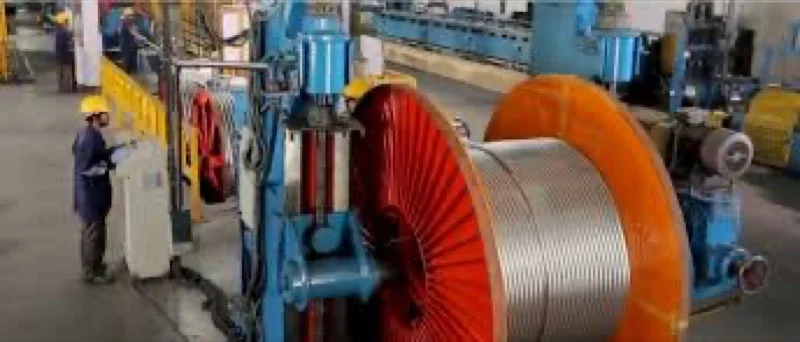 LiveAPAR Industries · Factory · 720 kW / 500 kWh battery
A factory whose process lines keep running through every dip in power.
- <1 ms
- response when the load jumps or the grid dips
- Zero
- gaps in power to the production lines
- End to end
- battery, PCS, controls and installation by one team
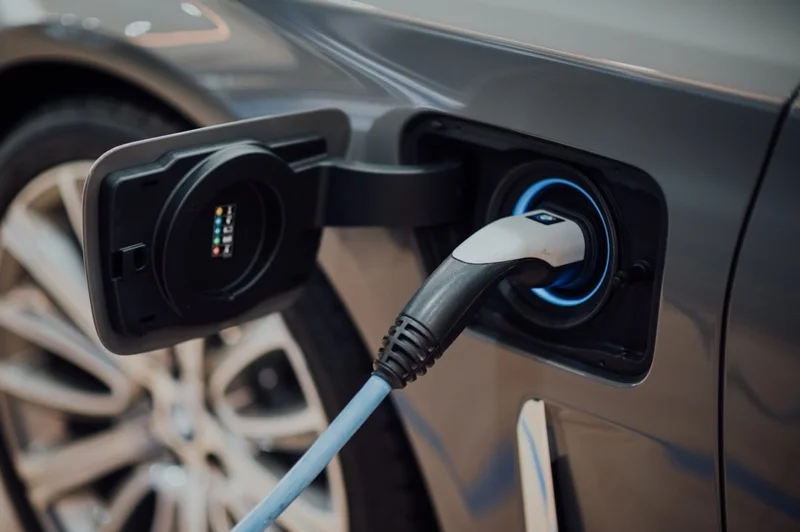 LiveEV charging hub · 260 kW / 580 kWh battery · India
Electric buses and cars keep charging, even when the grid is gone.
- 2.5×
- charging power from the same grid connection
- 1 s
- battery and PCS data, cell by cell
- Grid outage
- buses and cars still charge off the battery
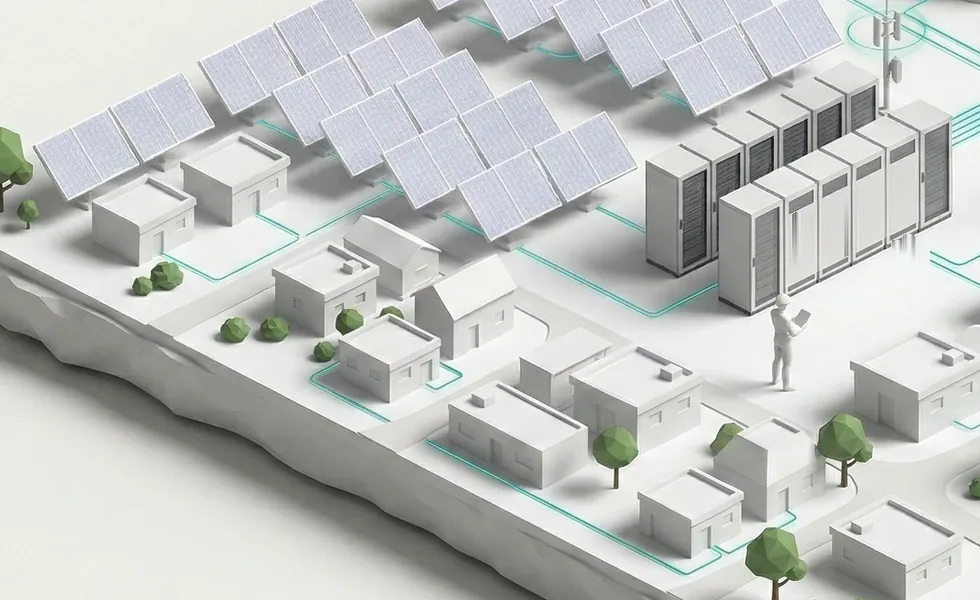 UnderwaySolar + battery micro-grid · Melghat, Maharashtra
A village without a grid. A solar and battery micro-grid that powers it.
- Village
- no grid connection
- Black start
- from standstill, no outside source
- 820
- homes on solar and battery
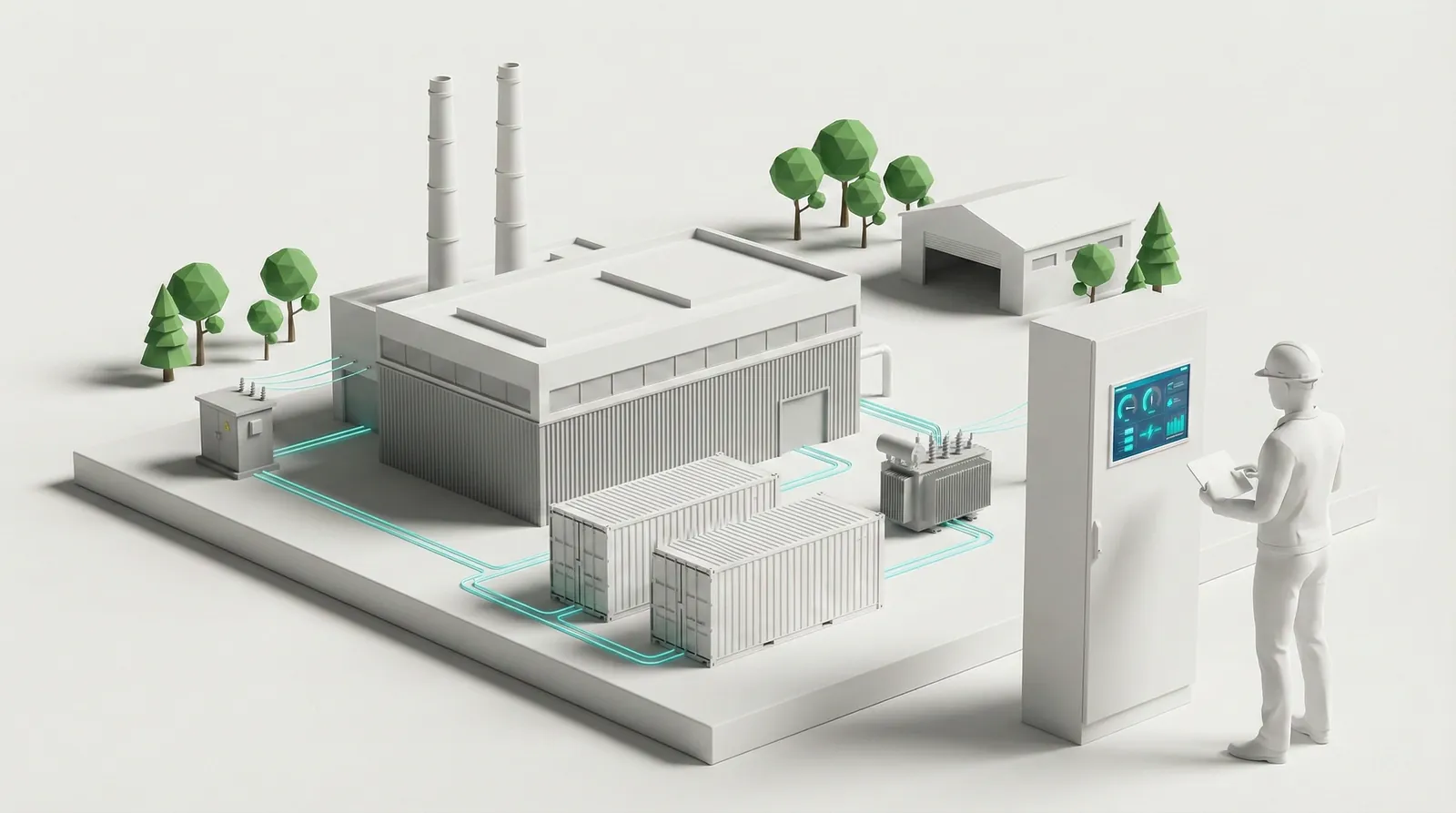 In testingIndustrial battery plant · Pune · 2.5 MW / 10 MWh
Two battery containers, two vendors, two languages. One EMS runs them as one plant.
- 2
- container makes, each with its own BMS protocol
- 1
- PCS and one EMS across both
- Hot-swap
- take a container out for service, plant keeps running
Tell us about your hospital
Send what you know. An Ingro engineer works out which panels a battery could carry, its size, the cost and the payback, free.
What happens next: we reply within one working day, by phone or WhatsApp. No site visit is needed at this stage, and there is nothing to pay.