A battery for a hotel, resort or banquet venue that runs a DG: what changes, and does it pay?
The grid trips during check-in, the AMF panel starts the DG, and for those seconds the lobby goes dark, a lift stops between floors and the band on the lawn falls silent. This page is for the owner, GM or chief engineer who has been told a battery (BESS) fixes that and cuts the HSD bill. It goes through where a hotel's power goes, what the battery carries on a wedding night, the DG rules that apply to you, what it saves in litres and rupees, and when it is not worth it.
Reviewed 16 November 2026 by Ingro Energy's project team
The short answer
- A battery closes the gap between the grid tripping and the DG taking the load, for every feeder you put on it, not only the front-office UPS. Ask for the switchover time in writing.
- A unit from your DG costs about ₹30 in diesel alone; a unit stored from the grid costs about ₹11. That gap of about ₹19 a unit is the saving, so it only adds up where the DG really runs.
- Keep the DG. The battery takes the routine cuts and the changeover quietly; the DG stays for long cuts and a full wedding night.
- A venue that is busy only in the wedding season earns its saving in those months alone, so payback is far longer than for a year-round hotel. The worked example below shows by how much.
Where a hotel's power goes, and when
In an operating hotel, electricity is more than half of all the energy used, and it goes first to air conditioning, ventilation and lighting. The chiller plant, or the VRV and split units, is usually the biggest single load. After that come hot water (boilers, or heat pumps where they have replaced them), kitchen exhaust and cold rooms, the laundry, lifts, the STP, pool and water-supply pumps, and the banquet halls.
The load moves through the day and the year. AC peaks on summer afternoons; the evening brings check-ins, restaurants and functions all at once. A business hotel is full on weekdays and quiet at weekends. A banquet and lawn venue sits nearly idle by day and carries its heaviest load late at night in the wedding months. A beach resort fills in the cool months, a hill resort in the summer and the holidays, when geysers and room heaters add to the evening.
This matters for a battery because it charges in the quiet hours and gives back in the busy ones. A property whose cuts fall in the evening peak gets more out of it than one whose cuts fall at 4 in the morning.
The seconds between the grid tripping and the DG taking over
On an AMF panel the sequence is: the grid fails, the panel sends the start signal, the DG cranks, builds voltage and frequency, and only then does the changeover close. Until it does, the property is dark. Today each system gets through that gap on its own small battery: the lift's rescue device lands the car at a floor, the key-card locks and the fire panel run on their own cells, the front office, PMS server and CCTV sit on a UPS, and exit signs need backup power too (fire exit signs on guest floors with emergency or backup power are a 'necessary' item for every star category in the star-classification checklist).
A battery on the main feeders carries the property across the gap as a whole, so the corridor lights, the lift and the music stay on and the DG starts only if the cut runs long. How smooth the handover is, a short blink or none at all, depends on the inverter and the changeover design.
The load that follows needs planning. When the battery picks up, the chiller or AC compressors, lifts, kitchen exhaust and pumps all want to start, and each motor draws several times its running current for a few seconds. The inverter (PCS) is sized from the starting load of the largest motors, and the controller restarts them one after another, not in the same second.
Who runs your property when the grid trips
The solid arrow is what is carrying the load. The dashed arrow is the DG waiting as backup.
Ask any vendor, in writing: the switchover time from grid to battery, and which motors (lift, chiller, AC, pumps) the system can start on battery alone.
Wedding and banquet nights
A full function is the heaviest and longest evening the property has: stage lights and LED walls, sound, the hall's AC, the lawn's coolers or tent AC, and the kitchen and caterers' equipment, often running well past midnight. A battery big enough to carry all of that for a whole night is rarely worth buying. What it does well that night is take the changeover and the short cuts, so the pheras, the speeches and the dinner service do not stop, and leave the long cut to the DG.
Noise is the other half. The rules for diesel generator sets require a set up to 1000 kVA made from January 2005 to come with an acoustic enclosure and meet 75 dB(A) at one metre from it; an older set must be enclosed or housed in a treated room giving at least 25 dB(A) of insertion loss, with an exhaust muffler; and the user must keep DG noise outside the premises within the ambient noise limits. A DG beside guest rooms or a lawn is still heard. A battery makes no noise and no smoke, so every hour it carries is an hour the DG is not running next to the guests.
If your property is in Delhi NCR: the DG rules each winter
When the Graded Response Action Plan (GRAP) is in force, the Commission for Air Quality Management's DG schedule (Direction No. 76, 29 September 2023) applies to commercial premises as well as industry. As restated by the Ministry of Environment on 21 October 2024: a set of 62 kW (73 kVA) up to 800 kW (1000 kVA) built to the older standards may run only in dual-fuel mode or with an emission control device retrofitted by a certified agency; sets built to the 2022 standard (GSR 804(E), 3 November 2022) or running on gas have no restriction; and a set not in dual-fuel mode only because there is no gas supply may run only for the listed emergency services, which include operating lifts and escalators.
For an older hotel or banquet DG that means a retrofit, a dual-fuel kit, a new set, or less running on smoggy days. A battery does not replace the compliance work, but the hours it carries are hours the DG does not run during GRAP. The schedule is revised from time to time, so check the current CAQM orders before you plan around it.
What a unit costs from the DG, and from a battery
A DG set makes roughly 3.2 units per litre of diesel, so at ₹95 a litre each unit costs about ₹30 before servicing and oil. A battery charged from the grid at about ₹9 a unit gives back about 85%, so its unit costs about ₹11.
| Where the unit comes from | Cost per unit |
|---|---|
| DG set (diesel only) | about ₹30 |
| Battery, charged from the grid | about ₹11 |
| Battery, charged from your own solar | lower still |
A hotel DG is usually sized for the whole property, function nights included, and runs lightly loaded at night. A lightly loaded DG gives fewer units per litre than the figure above, so your real saving per unit is likely higher.
Work it out from your diesel
Four numbers your chief engineer already knows from the DG log. Nothing is sent anywhere until you ask us to check it.
Enter your diesel litres and DG hours to see the figures.
How this is worked out
- A DG set makes about 3.2 units per litre of diesel.
- Grid power costs about ₹9 a unit, and a battery gives back about 85% of what it takes in.
- The battery is sized to carry one normal day's DG running on one charge.
- Installed cost is taken as ₹25,000 to ₹38,000 per kWh for a battery under 250 kWh, and ₹20,000 to ₹30,000 per kWh above that, before GST. Small systems cost more per kWh. This is a working range, not a quote.
- Servicing saved on the DG, hired DG sets for functions, demand-charge savings and solar are not counted, so the real saving is usually higher.
- Put in only your busy months if the property is seasonal. Lift and chiller starting loads and your real tariff are checked before anyone gives you a price.
Get the exact figure for your property
Leave your name and number. We call back with the size, cost and payback for your property.
Tell us about your property ↓Worked example: a banquet venue busy only in the wedding season
This is an illustration, not a real customer. Take a banquet hall and lawn whose DG burns 2,500 litres a month in the wedding season, running about 4 hours on a typical day, at ₹95 a litre. That is about ₹2.4 lakh of diesel a month, and the DG carries about 67 kW on average while it runs.
Run through the same sums as the calculator above, a battery to carry one such day is about 300 kWh and costs about ₹60 to 90 lakh installed. It saves about ₹1.5 lakh a month, or ₹7.6 lakh over 5 busy months, so it pays back in about 7.9 to 11.8 years. The same venue burning the same diesel all twelve months would pay back in about 3.3 to 4.9 years.
Same hall, same diesel: the season decides. A season-only venue usually does better with solar and a smaller battery that only covers the changeover and the short cuts.
Hill, forest and island resorts on a weak grid
At the end of a long rural feeder the grid is often off for hours, the voltage sags when it is on, and diesel comes up by road. The DG may run for a large part of the day. A battery alone does little here: with few grid hours to recharge it, the DG ends up running anyway.
What works is solar sized to recharge the battery by day, with the battery carrying the evening and the night, and the DG kept for cloudy spells and the busiest nights. In the hills, winter evenings with geysers and heaters are the heaviest load and the shortest solar days, so size for those, not for an average.
An Indian resort that has done this
Taj Exotica Resort & Spa in Goa inaugurated a battery system of about 2 MW, installed by Tata Power, in December 2025; the report describes it as the first hotel in India to take this up. It charges with priority from solar and the grid, outage scenarios and automatic DG synchronisation were tested at commissioning, and the resort projects a cut of about 2 lakh litres of HSD a year. The same resort runs a 265 kWp rooftop solar plant.
That is one large resort with solar already on the roof. It shows the arrangement works at a hotel; your own figures decide whether it pays at yours.
Which feeders go on the battery
You choose, and the choice sets the price. Most properties start with what guests and safety notice first and leave the rest on the DG:
- Lifts, corridors, room lighting and sockets.
- Front office, PMS and servers, key-card encoders, CCTV, phones and Wi-Fi.
- Kitchen exhaust, cold rooms and refrigerators.
- Water-supply pumps and the STP blowers.
- The banquet hall's lighting and sound circuits.
- Chiller or central AC: the largest load, usually the last to add. Laundry and pool pumps can usually wait for the DG.
If these already sit on their own feeders in the LT panel, the job is simple; if not, some rewiring is part of the work.
When a battery does not make sense for your property
- Your DG barely runs. A city hotel on a strong grid that burns little diesel has little to save; the UPS units already cover the gap.
- You are a season-only venue with no solar. The saving comes in a few months, and payback stretches, as the example shows.
- Your cuts last most of the day at a remote resort and there is no solar to recharge the battery.
- You want a battery to carry a whole wedding night with full AC. The size and price usually outweigh the diesel it saves; let the DG take the long cut.
Price, battery life and how the work is done
An installed system of this kind costs about ₹20,000 to ₹35,000 per kWh of battery before GST; the BESS cost guide explains what drives that, and the battery-versus-DG guide compares the two over their life. Batteries for this use are LFP: compare warranties in years and cycles and the capacity promised at the end. Site the cabinet away from the kitchen, laundry, DG exhaust and guest areas, and plan the panel work around your bookings, never on a function night, with the lifts and the chiller tested on battery before handover.
What to ask a vendor before you sign
- What is the switchover time from grid to battery, and will the lifts or the music notice it? In writing.
- Which lifts, chiller compressors and pumps can it start on battery, and in what order do they restart?
- How long will it carry the feeders I choose on a full wedding night, and when does the DG take over?
- How does it work with my AMF panel and DG, and with my solar if I have it?
- If we are in NCR, does any of this change what my DG needs for GRAP?
- What is the warranty in years and cycles, and who comes when it stops, including at a remote property?
- Is the price turnkey: panels, cabling, civil work, fire safety and approvals?
Read next, and see the equipment
Questions hoteliers and chief engineers ask
We already have UPS on the front office and servers. What does a battery add?
The UPS units keep a few loads alive; the rest of the property still goes dark until the DG takes over. A battery on the main feeders carries the lifts, corridors, rooms and banquet circuits through the gap, and runs them through short cuts without starting the DG at all.
Can a battery replace the DG at a hotel?
Usually not, and it should not be sized to. It is sized for the routine cuts and the changeover; the DG stays for long cuts and full function nights, and then runs far fewer hours.
Will a battery run the lifts and the chiller?
Yes, if the inverter is sized for their starting current and they restart one after another. The chiller is the largest load, so many properties put lifts, rooms and kitchen on the battery first.
Our venue is busy only in the wedding season. Is a battery still worth it?
Put only your busy months into the calculator. As the worked example shows, a season-only venue takes much longer to pay back than a year-round hotel with the same diesel. Solar with a smaller battery usually does better.
We are in Delhi NCR. Does a battery solve the GRAP restrictions on our DG?
Not by itself. An older DG still needs dual-fuel mode or a certified emission control retrofit to run during GRAP. A battery means it has to run for fewer hours on those days.
How much does a DG unit cost compared with a battery?
At ₹95 a litre and about 3.2 units per litre, a DG unit costs about ₹30 in diesel alone. A unit stored from the grid at ₹9 costs about ₹11.
Sources
- BEE and British High Commission, Energy Management in Your Hotel guidebook (2008)
- UP Tourism, Guidelines for Star Classification of Hotels & Resorts (2023, following the Ministry of Tourism guidelines of 19 January 2018)
- Noise limit for generator sets run with diesel, Environment (Protection) Rules, as compiled by the Puducherry Pollution Control Committee
- PIB (Ministry of Environment), GRAP Stage II and the DG set schedule under CAQM Direction No. 76, 21 October 2024
- Hospibuz, Taj Exotica inaugurates BESS project with Tata Power, 29 December 2025
- Tata Power, Taj Exotica Goa 265 kWp rooftop solar case study, 2026
Sites that have benefited from battery storage
Different sites, same idea: use more of your own renewable power, cut the electricity bill, and keep running when the grid cannot keep up.
 LiveAPAR Industries · Factory · 720 kW / 500 kWh battery
A factory whose process lines keep running through every dip in power.
- <1 ms
- response when the load jumps or the grid dips
- Zero
- gaps in power to the production lines
- End to end
- battery, PCS, controls and installation by one team
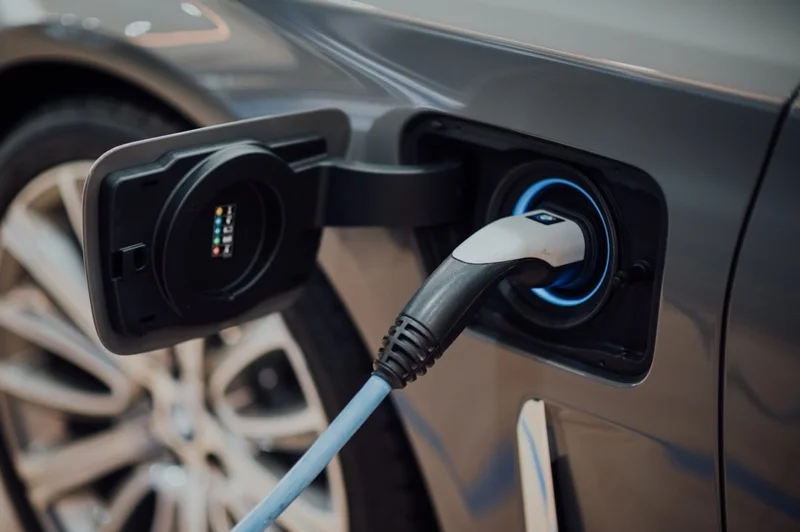 LiveEV charging hub · 260 kW / 580 kWh battery · India
Electric buses and cars keep charging, even when the grid is gone.
- 2.5×
- charging power from the same grid connection
- 1 s
- battery and PCS data, cell by cell
- Grid outage
- buses and cars still charge off the battery
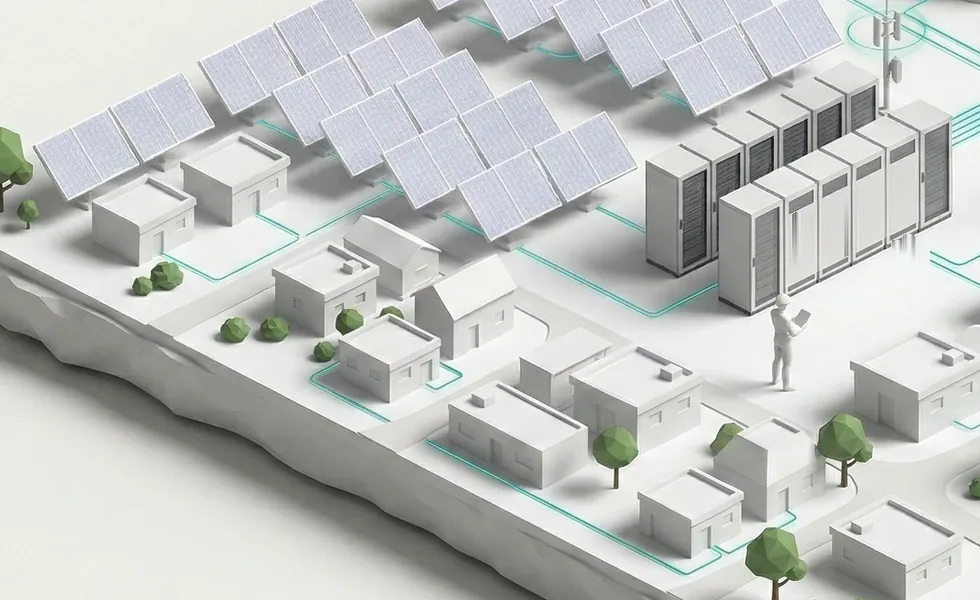 UnderwaySolar + battery micro-grid · Melghat, Maharashtra
A village without a grid. A solar and battery micro-grid that powers it.
- Village
- no grid connection
- Black start
- from standstill, no outside source
- 820
- homes on solar and battery
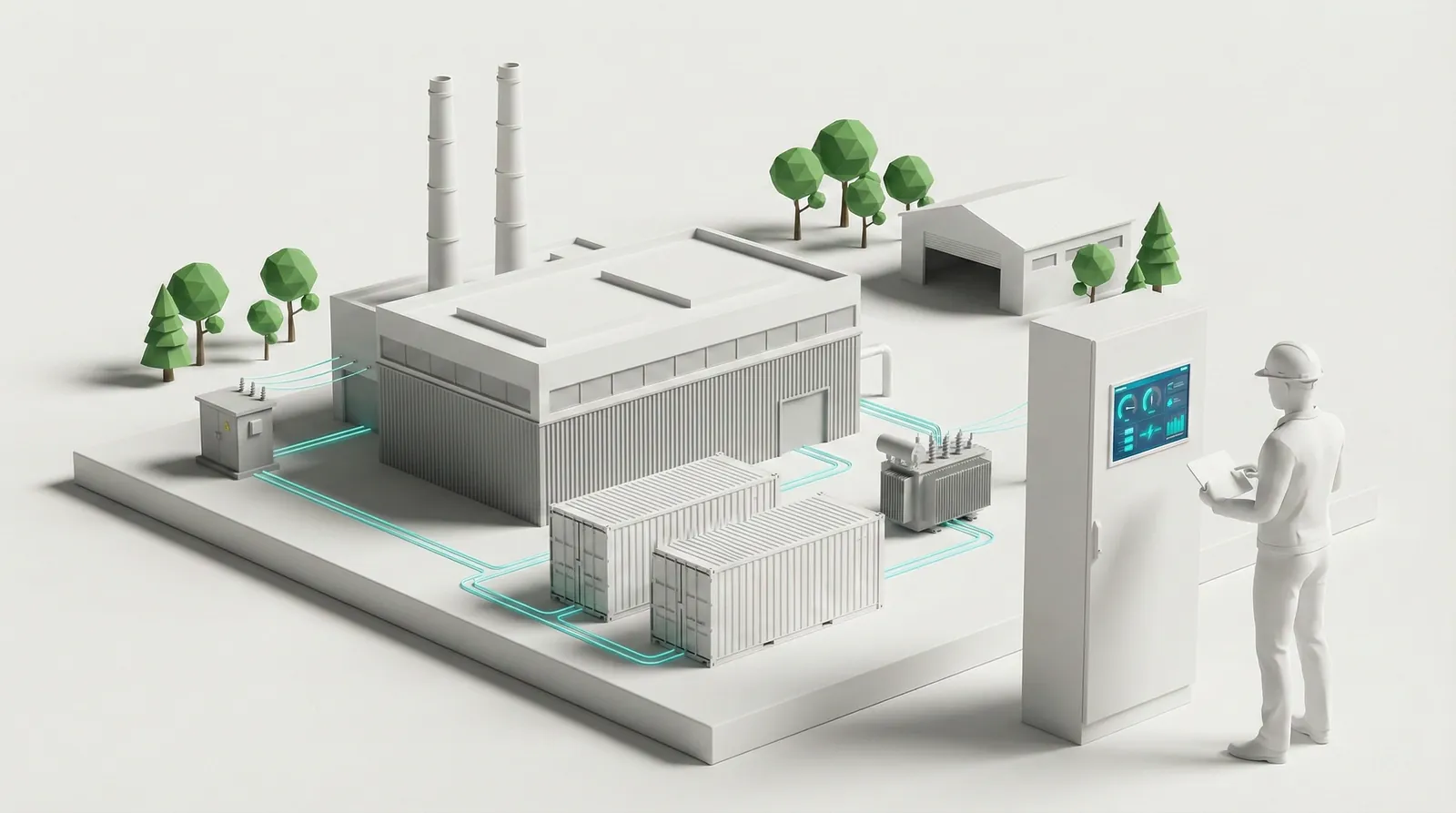 In testingIndustrial battery plant · Pune · 2.5 MW / 10 MWh
Two battery containers, two vendors, two languages. One EMS runs them as one plant.
- 2
- container makes, each with its own BMS protocol
- 1
- PCS and one EMS across both
- Hot-swap
- take a container out for service, plant keeps running
Tell us about your property
Send what you know. An Ingro engineer works out the battery size, which feeders it should carry, the cost and the payback for your property, free.
What happens next: we reply within one working day, by phone or WhatsApp. No site visit is needed at this stage, and there is nothing to pay.