A battery for your cold storage: which compressor, which months, how much diesel
Potatoes come in from mid-February, both compressors run flat out to pull the chambers down, and then from late March to October one compressor holds the store while the grid comes and goes. This page sizes a battery around that year, in your units: tonnes, chambers, compressors and diesel litres.
Reviewed 16 November 2026 by Ingro Energy's project team
The short answer
- Size the battery for the holding months, not the loading month. In the National Horticulture Board's type design for a 5,000-tonne potato store, the plant draws about 125 kW during loading and pull-down but only about 60 kW while holding, with one compressor running.
- A unit from your DG costs about ₹30 in diesel alone; a grid unit stored in a battery costs about ₹11. The saving is about ₹19 on every unit the battery takes off the DG.
- A battery can start an ammonia compressor, but only if its inverter is chosen for that motor's starting current. Ask for it in writing.
- Keep the DG for loading and for long cuts. If your DG mainly runs during the one loading month, or the store stands empty most of the year, a battery will not pay back.
Your season decides the size, not your connected load
A potato store has three very different load periods. The National Horticulture Board's type design for a 5,000-tonne potato store (four chambers, ammonia plant) works them out as below. Your own store will differ, but the pattern is the same.
| Period | What runs | Plant load | Units a day |
|---|---|---|---|
| Loading and pull-down (15 Feb to 15 Mar in the design) | Two compressors, two condenser pumps, all cooler fans at full speed | about 125 kW | about 2,000 |
| Holding (to the end of October) | One compressor, one condenser pump, fans slowed by VFD | about 60 kW | about 870 |
| Lean (part of the store emptied) | One compressor at half capacity | about 39 kW | about 560 |
Loading takes about a month; holding is seven to eight months. A battery sized for the holding load works every day of those months. Sized for the loading peak, it costs twice as much and sits half idle for the rest of the year. In Punjab, stores are usually emptied by the end of November, and most cold stores stand idle for almost half the year.
The standard itself suggests one large DG for pull-down and a smaller one for holding. A battery can take the small DG's job; the large DG stays for loading.
What is running in your plant room
The NHB standard's designs use ammonia, which it calls the best refrigerant for this use. Its usual set is three reciprocating multi-cylinder compressors of 50% capacity each, one kept as standby, with an atmospheric or evaporative condenser and ceiling-hung air cooling units in each chamber. In the 5,000-tonne design each compressor has a 55 kW motor. Freon (HFC) plants use scroll, reciprocating or screw compressors, as individual condensing units or a rack. Controlled-atmosphere apple stores also run a nitrogen generator and an ethylene scrubber.
The battery's inverter has to start one of those compressor motors. A motor draws several times its running current for a few seconds at start; an inverter sized only for the running load trips at that moment. Three things decide how hard that start is:
- Unloaded start. The standard asks for ammonia compressors with capacity control and unloaded start, which cuts the starting torque. Check yours have it and that it works.
- Soft starter or VFD on the compressor. Either cuts the starting current; a VFD also lets the compressor follow the holding load.
- One start at a time. The second compressor and the condenser pump should come on a few seconds after the first, never together.
Who runs your cold storage when the grid goes
The solid arrow is what is carrying the load. The dashed arrow is the DG waiting as backup.
How long a potato chamber holds with the doors shut
Less than people expect. Potatoes are alive and keep breathing in store, and that gives off heat. In the NHB design, the potatoes' own heat is about half of the cooling needed in the holding months. With the plant off, the chamber warms even with every door shut.
The standard asks for each chamber to stay within 1°C of its set point: about 3°C for seed potato, 4°C for table potato, or about 11°C for processing potato. A cut of an hour costs little. A cut of several hours on a hot day can take the chamber out of that band. The set point is tied to quality: potato held warm sprouts sooner, which is why processing potato at 11°C needs a sprout suppressor, and potato held cold turns sweet.
Carbon dioxide from the potatoes also builds up in a shut chamber. The standard limits it to 2,000 ppm while holding, which is why stores open doors and hatches to air the chambers. During a cut, keep the doors and hatches shut and do not air the chamber until the plant is back.
Measure your own chamber before anyone sizes a battery. In the next cut, note the chamber temperature every 30 minutes with the doors shut. How fast it climbs tells you how many minutes the plant can be off, and so how much battery you need.
Which loads the battery should carry
- Carry: one running compressor, its condenser pump, the cooler fans (slowed down), the overfeed or liquid pump, and the controls. That is the holding-period load.
- Carry if needed: alarms, the store's controller and emergency lights. These are small.
- Do not carry: the standby compressor, a second compressor during loading, graders, lifts and the office. These wait for the grid or the DG.
- Let the DG take: the loading month and any cut longer than the battery. The battery starts the moment the grid fails, and the DG starts only if the cut outlasts it.
Getting this list right is most of the sizing. The battery's kWh comes from the holding load multiplied by the hours of cuts in a normal day, which is what the calculator below works from.
What you save, counted in diesel litres
A DG makes roughly 3.2 units for every litre of diesel. At ₹95 a litre, every unit from the DG costs about ₹30, before oil, filters and the operator. A battery charged from the grid at about ₹9 gives back about 85% of what goes in, so a unit out of it costs about ₹11. A DG running lightly loaded in the holding months gives fewer units per litre, which makes the battery look better, not worse.
An illustration, not a real store: a potato store in its holding months with the plant drawing about 50 kW, the grid off about 6 hours a day (in May 2026, Uttar Pradesh's power company was told to give rural areas 18 hours of supply), and the DG covering every cut for 8 months. That is about 299 units a day from the DG, or about 2,800 litres of diesel a month (₹2.7 lakh). A battery of about 340 kWh carries that day on one charge. On the calculator's own sums, it saves about ₹1.7 lakh a month, ₹14 lakh a year, costs about ₹68 to 102 lakh installed, and pays back in about 5.0 to 7.5 years.
Put in your own litres: count the diesel for the holding months only, and leave the loading month out of the litres. That gives the honest figure.
Work it out from your diesel
Use the litres from your holding months. Nothing is sent anywhere until you ask us to check it.
Enter your diesel litres and DG hours to see the figures.
How this is worked out
- A DG set makes about 3.2 units per litre of diesel.
- Grid power costs about ₹9 a unit, and a battery gives back about 85% of what it takes in.
- The battery is sized to carry one normal day's DG running on one charge.
- Installed cost is taken as ₹25,000 to ₹38,000 per kWh for a battery under 250 kWh, and ₹20,000 to ₹30,000 per kWh above that, before GST. This is a working range, not a quote.
- DG servicing saved, demand charges and solar are not counted.
- This is a first estimate. Your compressor starting load and your tariff are checked before anyone gives you a price.
Get the figure for your store
Leave your name and number. We call back with the size, cost and payback for your plant.
Tell us about your cold storage ↓When a battery is not worth it for a cold store
- Your DG mostly runs in the loading month. Holding-season cuts are short or rare, so there is little diesel left to save.
- The store stands empty for months. The saving only comes in the months the plant runs, so payback stretches.
- Your feeder is off most of the day in season. The battery cannot recharge between cuts, and the DG runs anyway. Solar with a smaller battery fits better.
- The chambers warm fast because the insulation or doors are poor. Fix that first: the NHB's capital investment subsidy includes modernising insulation and refrigeration.
- Your compressors run on diesel engines, not electric motors. A battery does nothing for them.
For small farm-gate cold rooms, the government's draft standard for solar cold storage (MNRE, February 2025) uses thermal (ice) storage as the backup, not a battery. For a 5,000-tonne store, a battery or the DG is still the practical backup.
Solar on the store roof
A cold store roof is large and the plant runs right through the hot months, when solar produces most. As reported in October 2026, a potato cold store in Kotulpur, Bankura (West Bengal) put 250 kW of panels on its roof. It used about 120 MWh a year, and the roof's load limit decided the mounting structure. Have the roof checked before you plan panels.
Ordinary grid-tied solar switches off in a cut. With a battery, the panels keep running the compressor through daytime cuts and recharge the battery. Projects filed under the central cold-chain schemes already have a datasheet line for solar PV with battery capacity and backup hours.
Cost and battery life, in brief
An installed system of this size costs about ₹20,000 to ₹35,000 per kWh of battery before GST, including the inverter, the changeover panel tied into your existing DG changeover, and the civil work. The cost guide and the battery-versus-DG comparison linked below go through the details.
These batteries use lithium iron phosphate (LFP) cells, with a warranty stated in years or cycles and the capacity left at the end. Heat shortens their life, so keep the cabinet in a cool, ventilated spot, away from the condenser and outside the ammonia plant room.
What to ask before you sign
- Will it start my largest compressor, of this kW and with this starter, on battery alone? In writing.
- Which loads does it carry in the holding months, and for how many hours?
- When the grid fails, does the switch happen fast enough that the compressor does not trip on low oil pressure or under-voltage?
- How does it tie into my existing DG changeover, so that grid, battery and DG take over by themselves in the right order?
- Where will the cabinet stand, and what keeps it away from the ammonia plant room and the condenser heat?
- What is the warranty in years and in cycles, and who comes in February and March if it stops during loading?
Further reading and equipment
Questions cold storage owners ask
Can a battery carry the loading season?
It can, but it rarely makes sense. Loading and pull-down need about twice the holding load for only about four weeks. Size the battery for holding and let the DG take loading.
Will a battery start my ammonia compressor?
Yes, if the inverter is chosen for that compressor's starting current, the compressor starts unloaded, and nothing else starts at the same moment. A soft starter or VFD makes it easier still.
How long can a potato chamber go without power?
It depends on the insulation, the outside heat and how full the chamber is. Potatoes give off heat in store, so the chamber warms even with the doors shut. Note the temperature every 30 minutes in your next cut to find out for your store.
What do I do with the battery when the store is empty?
It keeps the office, the lights and the yard going through cuts, and it is kept charged. The saving comes in the months the plant runs, which is why the calculator asks for those months.
Does the NHB subsidy cover a battery?
The NHB capital investment subsidy page lists new stores and the modernisation of insulation and refrigeration. It does not mention batteries. The cold-chain project datasheet does include solar PV with battery backup. Ask your bank or consultant before you count on it.
How much does a unit from the DG cost compared with a battery?
At ₹95 a litre and about 3.2 units per litre, a DG unit costs about ₹30 in diesel alone. A grid unit at ₹9 stored in a battery costs about ₹11.
Sources
- NHB: Technical Standards for Cold Storage Type 01 (potato, onion), NHB-CS-Type 01-2010, notified 25 Feb 2010
- NHB: Technical Standards for Controlled Atmosphere stores, NHB-CS-Type 03-2010
- NHB: Capital Investment Subsidy for cold storages
- NCCD: Component datasheets for cold-chain projects (MIDH Appendix II), December 2014
- Down To Earth: Punjab's cold storage owners struggle to stay in business, 14 Feb 2019
- Mercom India: West Bengal cold storage operator turns to solar, 1 Oct 2026
- Indian Infrastructure: MNRE draft guidelines for solar cold storage with thermal storage backup, 17 Feb 2025
- India TV: UPPCL told to ensure 18 hours of rural supply, 23 May 2026
Sites that have benefited from battery storage
Different sites, same idea: use more of your own renewable power, cut the electricity bill, and keep running when the grid cannot keep up.
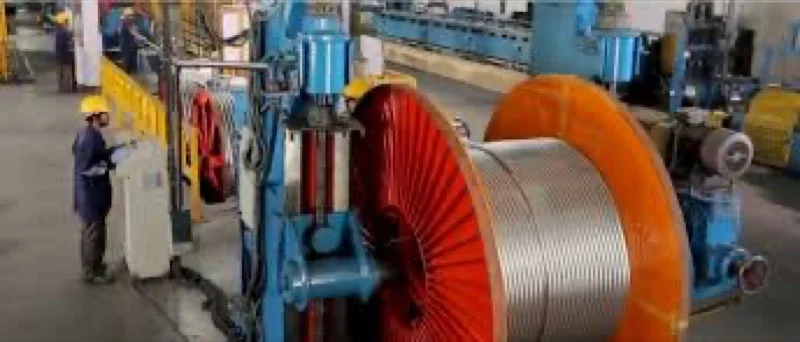 LiveAPAR Industries · Factory · 720 kW / 500 kWh battery
A factory whose process lines keep running through every dip in power.
- <1 ms
- response when the load jumps or the grid dips
- Zero
- gaps in power to the production lines
- End to end
- battery, PCS, controls and installation by one team
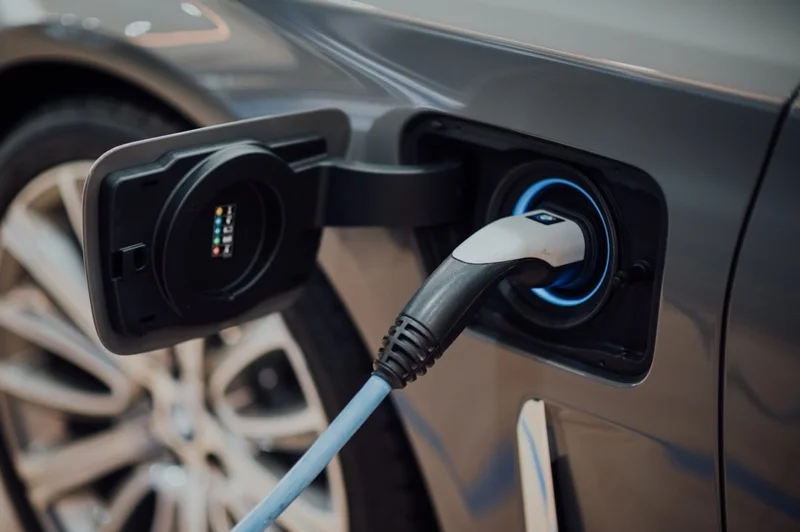 LiveEV charging hub · 260 kW / 580 kWh battery · India
Electric buses and cars keep charging, even when the grid is gone.
- 2.5×
- charging power from the same grid connection
- 1 s
- battery and PCS data, cell by cell
- Grid outage
- buses and cars still charge off the battery
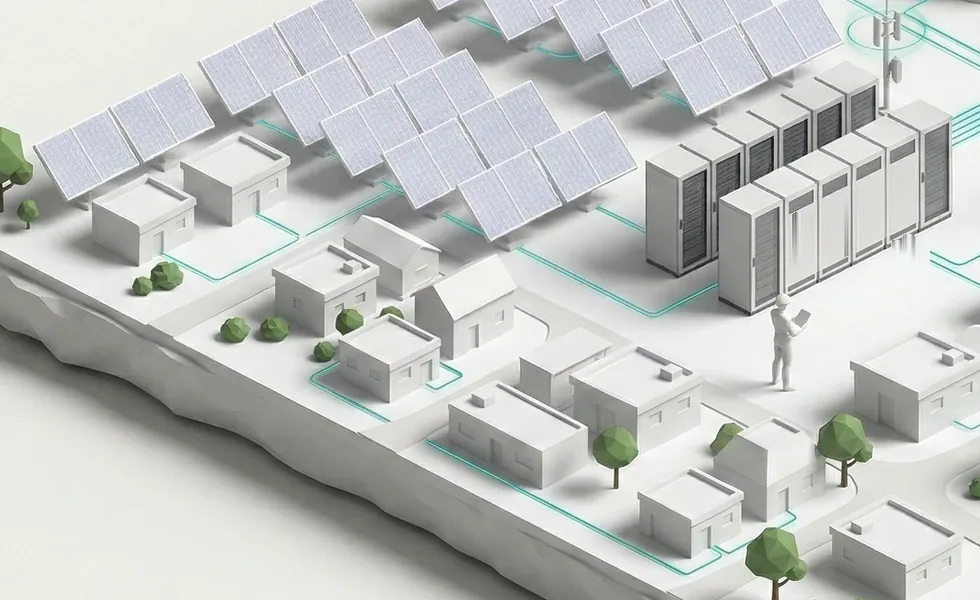 UnderwaySolar + battery micro-grid · Melghat, Maharashtra
A village without a grid. A solar and battery micro-grid that powers it.
- Village
- no grid connection
- Black start
- from standstill, no outside source
- 820
- homes on solar and battery
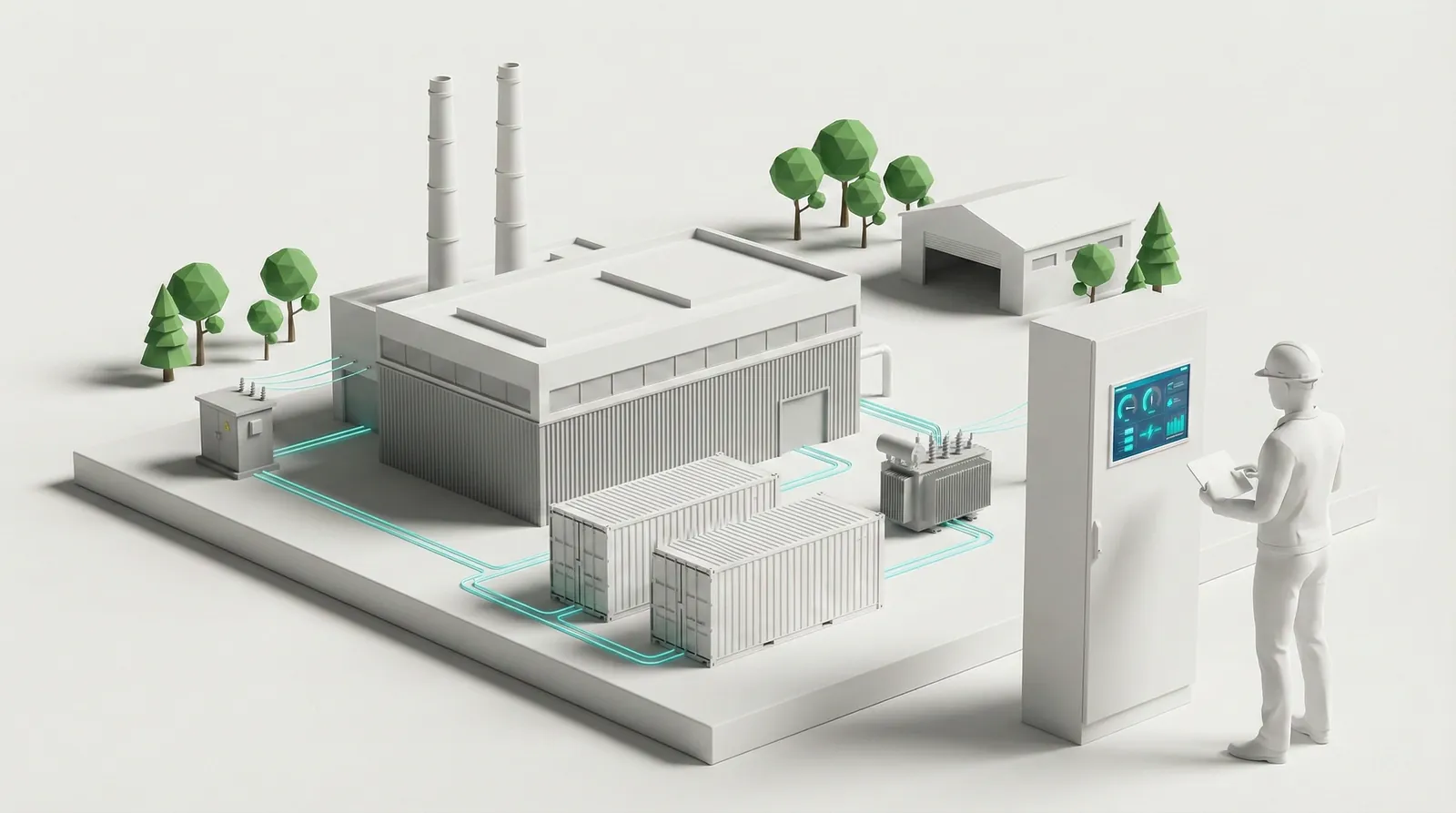 In testingIndustrial battery plant · Pune · 2.5 MW / 10 MWh
Two battery containers, two vendors, two languages. One EMS runs them as one plant.
- 2
- container makes, each with its own BMS protocol
- 1
- PCS and one EMS across both
- Hot-swap
- take a container out for service, plant keeps running
Tell us about your cold storage
Send what you know. An Ingro engineer works out which loads to back up, the battery size, the cost and the payback for your store, free.
What happens next: we reply within one working day, by phone or WhatsApp. No site visit is needed at this stage, and there is nothing to pay.