Battery backup for a housing society: lifts, pumps and the DG charge on every flat's bill
Every month your residents pay a DG charge on top of maintenance, the lifts stop dead when the grid goes, and in some cities the DG may not even be allowed to run in winter. This page is for the RWA, AOA or society committee and the facility manager weighing a battery (BESS) for the common load of lifts, pumps, STP and common lights, roughly 50 kW and up. It works in diesel litres, rupees per unit and rupees per flat, and says plainly when a battery is not worth it. A single flat's home inverter is a different thing and is not covered here.
Reviewed 16 November 2026 by Ingro Energy's project team
The short answer
- A unit from your DG costs about ₹30 in diesel alone, which is why societies bill backup at many times the grid rate. A unit stored in a battery from the grid costs about ₹11. That gap is the residents' money.
- Start with the common load: lifts, water pumps, STP, common lighting, gate and intercom. Backup for the flats can follow, but the kW allowance you promise each flat decides the battery's size more than anything else.
- With the right design the lifts keep moving through a cut instead of stopping between floors and waiting for the rescue device.
- In Delhi-NCR the winter air-quality plan restricts DG sets; a battery is not a DG and is not caught by those curbs.
- If your DG runs only a few hours a month, or cuts last most of the day with no solar, a battery alone will not pay back. The calculator below shows which side your society is on.
The DG charge on your residents' bills, and what is behind it
In most societies on a single-point connection, backup power is billed apart from grid power, either as a separate per-unit charge or through dual-register meters that count grid units and DG units separately. That DG rate is where most billing disputes start. In May 2022 The Tribune reported New Gurugram societies charging ₹30 to ₹38 a unit for DG backup when the grid rate was about ₹7 to ₹8, and in 2023 the Haryana DISCOM DHBVN served notices on 25 builders and RWAs for overcharging residents "in the name of power backup and common area maintenance".
Much of that rate is simply diesel. At ₹95 a litre and about 3.2 units per litre, a DG unit costs about ₹30 before servicing, oil and the operator. A battery charged from the grid gives back about 85% of what goes in, so its unit costs about ₹11. A committee that switches the routine cuts to battery can lower the backup rate it charges, and can show members exactly where the new rate comes from: the society's own grid bill.
| Where the unit comes from | Cost per unit to the society |
|---|---|
| DG set (diesel only) | about ₹30 |
| Battery, charged from the grid | about ₹11 |
| Battery, charged from terrace solar | lower still |
A society DG often runs lightly loaded at night, carrying a lift or two and the corridor lights. That gives fewer units per litre than the figure above, so your real diesel cost per unit is probably higher, not lower.
Common load first; the per-flat allowance decides the size
The common load is known and fairly steady: lifts, the bore-well, transfer and booster pumps that fill the overhead tanks, the STP, corridor, staircase and basement lighting, the gate, CCTV and intercom, and the clubhouse. Most committees start here. It is also the load that matters most to residents in a cut: water and lifts.
Flat backup is different. Where flats already get a fixed DG allowance of some kW each, through dual-register or prepaid meters, the battery has to carry that allowance times the number of flats, and in summer much of it is air conditioning. Write down the allowance per flat and the number of flats before asking for any price; it changes the battery and inverter size more than the lifts and pumps together.
Who powers the society, minute by minute
The solid arrow is what is carrying the load. The dashed arrow is the DG waiting as backup.
Lifts in a power cut: the rescue device, and what a battery changes
Many society lifts have an automatic rescue device (ARD); in Haryana it has been mandatory since the 2008 lifts law. The state government described what happens with one when the power goes: the lift stops between two floors with a jerk, and after 10 to 15 seconds the ARD brings the car to the nearest floor and opens the doors. The lift then stays out of service until the DG takes over. Haryana's 2020 amendment to its lifts law asks for an emergency rescue device that keeps a lift running for at least 15 minutes in buildings over 15 metres, but leaves group housing the choice of either device.
A battery system on the lift supply works at a different level. If it switches over fast enough, the lift controllers never see the cut, the car carries on to its floor and the lifts keep working through the whole cut, not just until the rescue. Keep the ARD as the last line of safety. Two things decide whether this works:
- The changeover. Ask how long the switch from grid to battery takes, and whether the lift controllers and drives ride through it without tripping.
- The starting surge. Several lifts and the booster pumps can all restart in the same second after a cut. The inverter (PCS) is sized for that surge, and pumps can be set to start one after another.
Ask any vendor: "If the grid fails while a lift is between floors, what happens to it, and will you show us at handover with a full car?" Involve your lift maintenance company in that test.
If your society is in Delhi-NCR: the winter DG curbs
Each winter the Commission for Air Quality Management (CAQM) brings in its Graded Response Action Plan (GRAP) as the air worsens. In October 2025, Stage II across NCR included a ban on diesel generator sets except for emergency or essential services. The exemptions have moved year to year: in September 2023 CAQM allowed, as a one-time exception to 31 December, DG sets in residential and commercial complexes for their elevators, escalators and travelators, among nine emergency categories. When the revised GRAP came in during 2022, RWAs warned residents that flats, basements and clubhouses would get no backup in a grid failure, and one RWA put a dual-fuel retrofit kit at about ₹8 lakh per DG with GST and installation.
A battery is not a DG and is not covered by these curbs, so it keeps the lifts, pumps and common lights going on the days the DG may not run. Which of your DG sets may run, and for what, depends on the current CAQM order and the set's emission standard; check the latest order rather than last winter's.
Outside NCR there is no winter curb of this kind, and the case rests on diesel cost, noise and fumes next to the towers.
Work it out from the society's diesel register
The society's diesel purchase register or the DG log book shows litres per month; that, the DG hours on a normal day and the months a year with cuts like these are all the calculator needs. Use the society's own figures, not a vendor's estimate of them: members can check them against the register.
Work it out from the society's diesel
Four numbers from the diesel register or DG log book. Nothing is sent anywhere until you ask us to check it.
Enter the society's diesel litres and DG hours to see the figures.
How this is worked out
- A DG set makes about 3.2 units per litre of diesel.
- Grid power costs about ₹9 a unit, and a battery gives back about 85% of what it takes in.
- The battery is sized to carry one normal day's DG running on one charge.
- Installed cost is taken as ₹25,000 to ₹38,000 per kWh for a battery under 250 kWh, and ₹20,000 to ₹30,000 per kWh above that, before GST. Small systems cost more per kWh. This is a working range, not a quote.
- DG servicing saved and terrace solar are not counted, so the real saving is usually higher.
- This is a first estimate. Lift and pump starting loads, any per-flat allowance and your real tariff are checked before anyone gives you a price.
Get the figure for your society, per flat
Leave your name and number. We call back with the size, cost and payback for your society.
Tell us about your society ↓An example society, common load only, worked per flat
This is an illustration, not a real society. Its inputs: 400 flats; the DG carries only the common load and burns 2,000 litres a month, about 4 hours on a normal day, 10 months a year; diesel at ₹95 a litre. The figures come from the same sums as the calculator above.
- Diesel today: about ₹1.9 lakh a month, roughly ₹480 per flat per month.
- Average load while the DG runs: about 53 kW. Battery to carry a normal day's DG running: about 240 kWh.
- Installed cost: about ₹60 lakh to ₹91 lakh before GST, or ₹15,000 to ₹22,800 per flat.
- Diesel saved: about ₹12 lakh a year, roughly ₹3,060 per flat a year (about ₹250 a month).
- Payback: about 4.9 to 7.5 years.
Change any input and the answer moves a lot. A society whose DG also carries a per-flat allowance burns more diesel and needs a bigger battery; one with fewer cut months saves less.
Taking it to the general body
A spend of this size normally needs the members' approval at a general body meeting, and the committee should check its bye-laws for who may approve it and whether the sinking or reserve fund may be used or a special levy is needed. Put three figures in the notice, each traceable:
- The cost, from at least two or three turnkey quotations listing the same scope, so they compare line by line.
- The yearly saving, from the last twelve months of the diesel register, worked as in the calculator.
- Both figures per flat, and the payback set against the battery warranty. Members relate to "₹ per flat" and to the DG rate on their bill.
Put the lifts that keep moving, the quieter nights and, in NCR, backup on curb days alongside the numbers, but do not count them as rupees. Committees change every year or two, so the maintenance contract should be in the society's name and cover the whole warranty period.
Terrace solar for the common areas, and the subsidy
Under PM Surya Ghar: Muft Bijli Yojana, group housing societies and RWAs can get central financial assistance of ₹18,000 per kWp for rooftop solar on the common facilities, including EV charging, up to 500 kWp at 3 kWp per house. The amended guidelines of July 2025 kept this. The assistance is for the solar plant, not for a battery. In Delhi, the regulator's group and virtual net metering rules (2019) also cover group housing societies.
Most terrace systems switch off when the grid fails, for safety, so the panels give nothing during a cut even at noon. Paired with a battery, the solar keeps running through the cut, and the daytime surplus can be kept for the evening, when the common lights come on.
Published Indian examples are still few. In April 2026 pv magazine India reported a 500 kVA / 608 kWh central battery running with solar and the grid at a residential community near Hyderabad, set up with its developer rather than by an RWA.
EV chargers in the parking: the load that is coming
Residents' EV chargers are a growing load on the society's connection, often on the same transformer as the lifts and pumps. The Housing Ministry's 2019 changes to the model building bye-laws ask buildings to plan charging for 20% of all vehicles and to provide extra power load equal to all the chargers running at once, with residential charging billed through the maintenance bill. Many evenings, chargers, lifts and lights peak together.
If chargers are planned, tell whoever sizes the battery. Sometimes the same battery can carry part of the evening peak; sometimes the answer is a higher sanctioned load. Either way, size them together, not one after the other.
The DG stays; where the battery stands
Keep the DG. A battery is sized for the cuts you get most days; the DG stays for the long one and then runs far fewer hours. Fire pumps and anything the fire system depends on stay on whatever backup the fire design calls for; do not move them to a battery without your fire consultant agreeing.
Use lithium iron phosphate (LFP) cabinets with their own battery management, cooling and fire detection. The usual place is beside the DG or the main electrical room, on a plinth, ventilated, out of direct sun, away from staircases, exits, the children's play area and the basement ramp, and where the fire brigade can reach it. Settle the spot at the site check, before any price is final.
Cost and battery life, in brief
As a working range, an installed system costs about ₹20,000 to ₹35,000 per kWh of battery before GST, more per kWh for small systems; what is in a turnkey price is set out in the battery cost guide. Compare warranties in years, cycles and capacity left at the end, not just the price. For the head-to-head with diesel, see battery or diesel generator.
When a battery is not worth it for a society
- Your DG runs rarely. If the register shows little diesel in a month, there is little to save and the battery sits idle.
- Cuts last most of the day and there is no solar. The battery would be huge, it cannot recharge, and the DG runs anyway.
- Members expect full backup for every flat, air conditioners included. The battery grows far faster than the saving; cover the common load first.
- The only space is a basement corner with no ventilation or next to an exit. Solve the location first.
- Your DG billing is itself in dispute with the builder or the DISCOM. Settle who owns the DG and the backup billing first, or the saving will have nowhere to land.
In the second and third cases, a smaller battery for the common load, with solar on the terrace, usually makes more sense than a large battery alone.
What to ask before the society signs
- What happens to a lift that is between floors when the grid fails, and will you show us at handover with our lift company present?
- Which loads exactly does it carry (lifts, which pumps, STP, lights, any per-flat allowance), and for how many hours?
- How do the lifts and booster pumps start after a cut without tripping the inverter?
- What will the per-unit backup cost be after this, and how do you work it out from our grid bill?
- What is the warranty in years and cycles, and what capacity is promised at the end?
- Where will the cabinet stand, what fire detection and spacing does it come with, and has our fire consultant seen it?
- Is the maintenance contract in the society's name, who do we call, and how fast do they come?
Useful next
Questions society committees ask
Will a battery lower the DG charge residents pay per unit?
It can, for the hours the battery carries. A DG unit costs about ₹30 in diesel; a battery unit charged from the grid costs about ₹11. How much of that reaches the bill depends on how the society sets its backup rate.
Will the lifts keep running when the power goes?
They can, if the battery carries the lift supply and switches over fast enough for the lift controllers to ride through. Otherwise the ARD stops the lift and brings it to the nearest floor. Ask for it in writing and test it at handover.
Can the battery back up the flats as well?
Yes, but the size and cost grow quickly with the kW allowance per flat, especially with air conditioners in summer. Most societies cover the common load first.
We are in Noida, Gurugram or Ghaziabad. Is a battery allowed when GRAP curbs DG sets?
GRAP's curbs are on diesel generator sets. A battery burns no fuel and is not a DG. Check the current CAQM order for what your DG itself may do.
Does the PM Surya Ghar subsidy cover a battery for the society?
The ₹18,000 per kWp for societies and RWAs is for rooftop solar on common facilities, up to 500 kWp. It does not pay for the battery.
Do we need the general body's approval?
For a spend this size, usually yes. Check your bye-laws for the approval route and whether the sinking fund can be used, and take two or three like-for-like quotations to the meeting.
Sources
- The Tribune (reposted copy), 2 May 2022: Gurugram societies pay up to Rs 38 a unit for power backup
- The Tribune, 13 Sep 2023: DHBVN notices to 25 societies for overcharging
- The Tribune, 15 Feb 2024: unified billing; backup paid separately or through dual-register meters
- Haryana Govt Gazette, 24 Aug 2020: Haryana Lifts and Escalators (Amendment) Bill, 2020
- Outlook India, 19 Oct 2025: GRAP Stage II in Delhi-NCR, DG sets banned except emergency services
- ThePrint, 29 Sep 2023: CAQM allows DG sets for essential services, incl. residential complexes with lifts
- Citizen Matters, 20 Oct 2022: diesel genset ban worries NCR residents
- PIB / MNRE, Aug 2024: PM Surya Ghar CFA for GHS/RWA common facilities
- Renewable Watch, 9 Jul 2025: MNRE amended PM Surya Ghar guidelines
- Mercom India, 19 Jun 2019: DERC group and virtual net metering guidelines
- IAMRenew, 7 Jan 2019: MoHUA bye-laws, 20% of parking for EV charging
- pv magazine India, 29 Apr 2026: centralised BESS for a residential community, Hyderabad
Sites that have benefited from battery storage
Different sites, same idea: use more of your own renewable power, cut the electricity bill, and keep running when the grid cannot keep up.
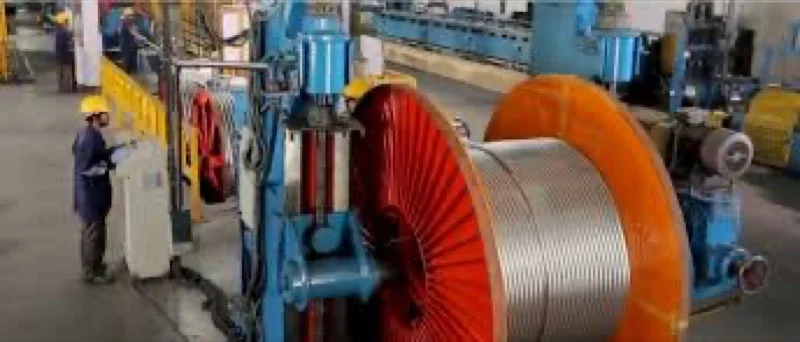 LiveAPAR Industries · Factory · 720 kW / 500 kWh battery
A factory whose process lines keep running through every dip in power.
- <1 ms
- response when the load jumps or the grid dips
- Zero
- gaps in power to the production lines
- End to end
- battery, PCS, controls and installation by one team
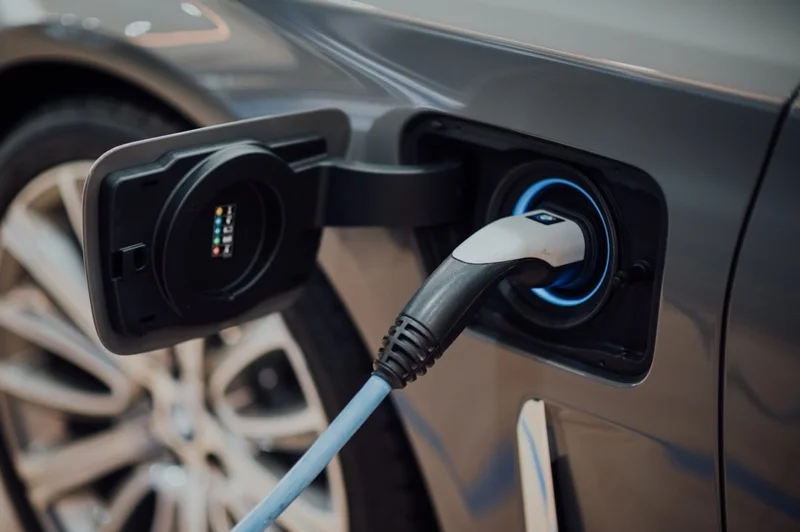 LiveEV charging hub · 260 kW / 580 kWh battery · India
Electric buses and cars keep charging, even when the grid is gone.
- 2.5×
- charging power from the same grid connection
- 1 s
- battery and PCS data, cell by cell
- Grid outage
- buses and cars still charge off the battery
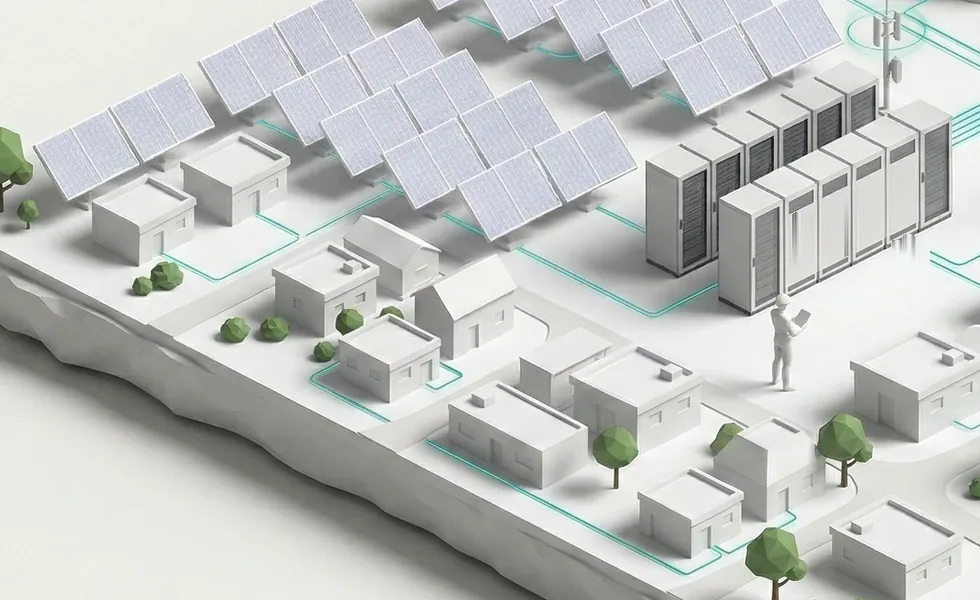 UnderwaySolar + battery micro-grid · Melghat, Maharashtra
A village without a grid. A solar and battery micro-grid that powers it.
- Village
- no grid connection
- Black start
- from standstill, no outside source
- 820
- homes on solar and battery
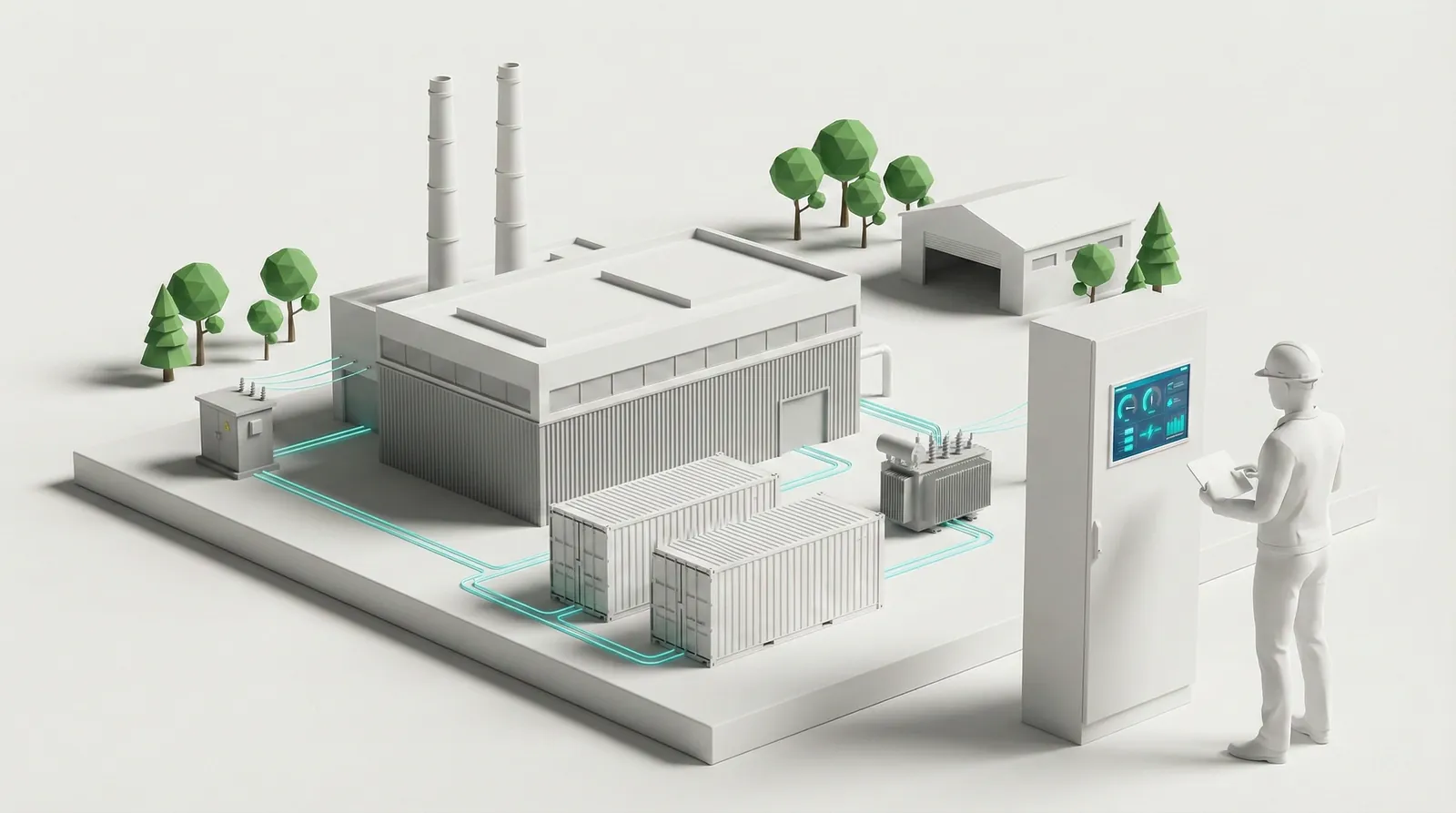 In testingIndustrial battery plant · Pune · 2.5 MW / 10 MWh
Two battery containers, two vendors, two languages. One EMS runs them as one plant.
- 2
- container makes, each with its own BMS protocol
- 1
- PCS and one EMS across both
- Hot-swap
- take a container out for service, plant keeps running
Tell us about your society
Send what you know. An Ingro engineer works out the battery size, the cost and the payback, in total and per flat, free, in a form you can put to the committee and the general body.
What happens next: we reply within one working day, by phone or WhatsApp. No site visit is needed at this stage, and there is nothing to pay.