Powerloom shed with solar on the roof: loom stoppages, your bill, and whether a battery is worth it
Your shed runs 50 to 200 looms, plain, rapier or air-jet, in two or three shifts, and you have put solar on the roof. When the voltage dips or the supply goes, every loom stops at once and the weavers walk the rows restarting them, mending ends and watching for a bar in the cloth. The solar runs only by day, the looms run all night, and the bill already carries the state's powerloom concession. This page is for the owner of a powerloom or weaving unit in Bhiwandi, Malegaon, Ichalkaranji, Surat, Erode or anywhere else. It shows where your solar goes, what the concession and the net-metering rules do to it, which schemes pay for what, and when a battery is worth it and when it is not.
Reviewed 16 November 2026 by Ingro Energy's project team
The short answer
- In a shed whose looms run day and night, the looms use almost all of the solar on working days. The surplus comes at shift changes, beam changes, when looms stand idle for want of orders, and on the weekly off.
- Stored solar alone rarely pays a powerloom shed back. In the worked example below, a 250 kWp plant on zero export, the payback is about 12 to 18 years, and longer still after the powerloom concession lowers your grid rate.
- The first steps are cheaper: net metering if your sanctioned load and transformer allow it, registration for the state concession, and keeping the plant sized to your daytime loom load.
- Where a battery earns its place is the stoppages. If dips and cuts stop your looms several times a week, a battery designed to carry the looms through them saves restarts, broken ends and seconds-quality cloth, and keeps the solar running in a cut. That value is real but it is not in the calculator; an engineer works it out from your stoppage record.
Loom stoppages in dips and cuts
A loom stops when its supply falls below what its motor drive and controller tolerate, and in a voltage dip or a cut that happens to every loom in the shed in the same second. On an air-jet shed the compressor drops out too, and without air pressure no loom can insert weft. Then each loom has to be restarted by hand: ends mended, the pick found, the loom set going again, row by row.
The cloth pays as well. A jet loom that stops and restarts tends to leave a thin or a thick place across the fabric, a weaving bar, because the reed beats differently on the first picks and the cloth near the fell loosens while the loom stands; loom makers have patented ways to reduce it (Toyoda, 1993). Those bars are what turn first-quality metres into seconds.
Two different problems hide under "the light went". A dip or a blink lasts a fraction of a second to a few seconds and stops the looms without the lights ever going out. A cut lasts minutes or hours. Keep a week's log of both: time, how long, how many looms stopped, and how long until all were running again. That log, not a vendor's estimate, shows what stoppages cost your shed.
Your rooftop solar does not help in a cut on its own: grid-connected inverters must switch off when the grid fails (MERC regulations, 2019), so the panels read zero even at noon.
Where your solar goes in a shed that runs day and night
Solar makes about 4.25 units per kWp on an average day, so 425 units a day from every 100 kWp, all of it between morning and evening. The night shift draws every unit from the grid. On a working day the looms usually swallow what the roof makes. The surplus comes in short gaps, and on the day the shed is shut:
| What happens in the shed | What it does to your solar |
|---|---|
| Shift change, tea and meal breaks | Looms stop together at peak sun for a few minutes; a short dip every day |
| Beam or warp change, looms down for repair | A few looms off at a time; the surplus depends on how big the plant is next to the load |
| Looms idle for want of orders or yarn | Days or weeks with half the shed running; the surplus can be large |
| Weekly off | Almost the whole day's solar is surplus, once a week. In Malegaon the off has been Friday (reported 2016); many clusters keep their own fixed day |
| Two-shift shed that stops at night | Solar used by day as above; nothing to give stored units to at night unless a shift runs |
On net metering, most of this surplus goes to the grid and comes back on the bill. On zero export, it is cut off by the controller and never shows anywhere. Open the inverter app on a clear working day and on the weekly off, and compare both graphs with the panels' rated output.
The powerloom concession on your bill, and what it does to solar
Maharashtra. MSEDCL bills powerlooms under LT Industry with a 2.5% lower energy charge in both slabs (up to 20 kW and above 20 kW), plus the ₹0.75 a unit incremental consumption rebate for specified LT categories (MERC tariff, 2023); reports on the 2025 order said both were continued. MERC re-decided that order in March 2026 after a court remand, so check the current tariff schedule on your bill. On top of that the state government pays a subsidy on powerloom bills. Reports from 2024 put the extra at ₹1 a unit for looms below 27 HP and ₹0.75 a unit for 27 to 201 HP, running to 2028 under the textile policy. The Commissionerate of Textiles registers units in three bands (below 27 HP, 27 to 201 HP, 201 HP and above), and in 2026 online registration was made compulsory to keep the subsidy, with the deadline extended to 14 August.
Gujarat. The Textile Policy 2024 offers a power tariff subsidy of ₹1 a unit for 5 years to eligible textile units; check whether it applies to an existing shed or only new and expanding units. Tamil Nadu. Free units on the powerloom tariff were raised from 750 to 1,000 in 2023, with lower charges above that. That helps a small loom connection far more than a shed of 50 looms or more.
Here is what the concession does to solar. Every rupee taken off your grid rate is also taken off what each solar unit saves you, so a subsidised unit makes both a solar plant and a battery pay back more slowly. Put your real rate after the concession into the calculator below, not the full LT Industry rate.
Rates, bands and registration rules have changed several times since 2024. Your bill and the current Government Resolution are what count; do not size anything on a rate you have not seen on your own bill.
Net metering and banking: what happens to your surplus
Examples from the regulations and reports of them, with their year. Rules depend on the state, LT or HT supply, ToD billing and when your plant was connected.
| State and rule | What it says | What it means for a weaving shed |
|---|---|---|
| Maharashtra, MERC 2019 | Plant up to your sanctioned load or contract demand. All net-metered plants on one distribution transformer up to 70% of its rating without a load study. | In loom clusters where many sheds share a transformer, it fills up and late applicants end up on zero export |
| Maharashtra, 2023 amendment | Net metering up to 5 MW or your contract demand; net-billing exports credited at the Commission's Generic Tariff. | Size is rarely the limit for a weaving shed; the transformer and the paperwork usually are |
| Maharashtra, 2025 tariff order (reported) | For C&I rooftop on ToD billing, units banked in solar hours (9 am to 5 pm) are drawn back only in solar hours. | Weekly-off surplus can cover working-day solar hours, but never the night shift |
| Gujarat, GERC 2026 | Non-residential net metering adjustment capped at 30% of units drawn in the billing cycle, with banking charges; the excess lapses. Consumers above 100 kW contract demand installing beyond it must add storage: 2 hours for 50% of the extra capacity. | A Surat shed adding panels beyond its contract demand needs a battery anyway; check the current rule before planning |
So for a three-shift shed in Maharashtra, net metering banks the weekly off's surplus into the next working days' solar hours, which is most of what a battery would do for that surplus, at no cost. What net metering cannot do is move noon units into the night shift. A battery can, but only units the looms did not already use by day.
Solar schemes for powerlooms: what they pay for
The Ministry of Textiles' Solar Energy Scheme for small powerloom units came in from 1 April 2017 under PowerTex India. It paid 50% of a 4, 6 or 8 kWp plant for units of about 4 to 8 looms (75% for SC and 90% for ST entrepreneurs), with an on-grid option without battery and an off-grid option with one. PowerTex India was extended to 31 March 2021. We found no sign of the solar scheme being open now, and it never covered a shed of 50 looms or more. Ask your Powerloom Service Centre before counting on any central scheme.
In Maharashtra, the Integrated and Sustainable Textile Policy 2023-28, as summarised by advisers, offers textile units a one-time capital subsidy for a solar plant on their premises, up to 4 MW: the lower of 12 or 24 months of the unit's electricity subsidy, the project cost, or a cap (reported at ₹4.8 crore for non-cooperative units), paid in two instalments after commissioning. The summaries we found do not mention a battery.
None of the schemes we found pays for a battery at a weaving shed. If someone tells you a battery is subsidised, ask for the scheme's name, the order and the clause, in writing.
What a stored solar unit is worth on your bill
A battery gives back about 85% of what goes in. At a grid rate of ₹9 a unit, each solar unit stored and used later saves about ₹7.7; at your rate after the concession it saves less. If the unit could have been exported for a credit, take the credit off.
On zero export, a stored unit keeps its full value. On net metering where the banked unit comes back at your own rate in the same slot, the grid already does the battery's job and a battery adds little. The calculator counts only the routine working-day surplus. It does not count looms kept running through dips and cuts, solar kept on in a cut, or diesel.
Work it out from your shed's solar plant
Five numbers from your inverter app and your bill. Nothing is sent anywhere until you ask us to check it.
Enter your plant size and the share of solar going waste to see the figures.
How this is worked out
- Solar makes about 4.25 units per kWp on an average day. Monsoon and cloudy days make less.
- The share you type is the routine surplus on a working day. Only working days are counted; weekly-off surplus is left out.
- The battery is sized to hold that surplus in one charge, using about 90% of its rated kWh, and is filled and emptied once each working day.
- A battery gives back about 85% of what it takes in. Each unit it gives back saves the grid rate you typed; the export credit you typed is taken off for every unit no longer exported.
- Installed cost is taken as ₹25,000 to ₹38,000 per kWh for a battery under 250 kWh, and ₹20,000 to ₹30,000 per kWh above that, before GST. This is a working range, not a quote.
- Not counted: looms kept running through dips and cuts, fewer restarts and less seconds cloth, solar kept on in a cut, diesel saved, ToD rates, and battery capacity fading over the years.
- This is a first estimate. Your loom load, stoppage record, export rules and tariff are checked before anyone gives you a price.
Get free advice for your shed
Leave your name and number. An engineer calls back with what your stoppages and solar mean for you, and what would pay.
Tell us about your shed and its solar ↓Worked example: a 250 kWp shed on zero export
An illustration, not a real shed. Inputs: 250 kWp on the shed roof, looms running in three shifts, zero export because the transformer was full, 15% of a working day's solar curtailed at shift changes, beam changes and idle looms, 26 working days a month, grid at ₹9 a unit. These are the calculator's own sums, so you can type the same numbers above.
The plant makes about 1,063 units on an average day and about 159 of them are curtailed. A 180 kWh battery holds that. It saves about ₹3.8 lakh a year, costs about ₹45 lakh to ₹68 lakh installed, and pays back in about 12 to 18 years.
Now the same shed after the concession, paying ₹1 less, ₹8 a unit. The battery saves about ₹3.4 lakh a year and the payback stretches to 13 to 20 years.
And a shed whose looms use all the solar on working days, so the only surplus is about 70% of the solar on the weekly off, 4 days a month. Catching that needs a battery of about 830 kWh, costing ₹1.66 crore to ₹2.49 crore, to save about ₹2.7 lakh a year: a payback of 61 to 91 years. A battery filled once a week never pays; net metering is the answer for weekly-off surplus.
What the example leaves out is the stoppages. A battery that also carries the looms through dips and short cuts earns from fewer restarts, fewer broken ends and less seconds cloth. That depends on your stoppage log and your loom type, and it is worked out separately, not guessed here.
Try this before a battery
- Apply for net metering, or ask in writing why it was refused. In Maharashtra the size limit is your sanctioned load or contract demand; the usual blocker is the transformer.
- Register for the state's powerloom concession and check that it shows on the bill. It is worth more every month than most battery savings.
- Do not add panels while you are on zero export, or beyond your daytime loom load. Each extra kWp adds mostly to the curtailment.
- Move flexible loads into solar hours where the work allows: warping and sizing, yarn twisting, humidification pumps, water pumping.
- If the stoppages come from low or unsteady voltage rather than cuts, have the supply checked first. A DISCOM complaint, a transformer tap change or power-quality equipment may cure it for less than a battery.
Cost and battery life, briefly
As a working range, an installed system costs about ₹20,000 to ₹35,000 per kWh of battery before GST, more per kWh for small systems; what goes into that price is in our guide to battery costs in India, linked below. Lint and fluff from the looms clog the filters and fans that keep a battery cool, so the cabinet belongs in a closed, clean room or a sealed enclosure away from the loom hall, with a filter-cleaning schedule in the maintenance contract.
When a battery is not worth it for a powerloom shed
- Your looms run through all the daylight hours and use all the solar. There is no surplus to store.
- The only surplus is the weekly off. A battery cycled once a week does not pay back; net metering does that job.
- Net metering is available to you at your own rate. Get it first.
- The unit is small, well under about 50 kW of load. A battery system of the size this page covers will not pay back; for a handful of looms, ask about smaller backup instead.
- Stoppages are rare and come from long cuts that would empty any battery. Then the question is the DG, not storage.
If cuts and the DG are your real problem and solar is secondary, the diesel sums are in our guide for a factory with a DG set.
What a turnkey project covers for you
You do not have to find a battery maker, an inverter supplier, an electrician and a maintenance firm and make them work together. Ingro takes the project end to end: it works out from your bill, inverter data and stoppage log whether net metering, a power-quality fix or a battery fits your shed, designs the system around your looms and your solar, supplies the battery from any maker with Ingro EMS, installs and commissions it, helps you with the approvals, and maintains it for the long term.
It starts with the form below: tell us about the shed, and an engineer comes back with free advice on your case. If a battery is not worth it for you, we say so.
What to ask before you sign
- Will the looms keep running through a dip and a short cut, and will you show it at handover by switching off the incomer with the looms running?
- On an air-jet shed, does the battery also carry the compressor, so air pressure holds?
- How many of my curtailed solar units will it catch on a normal working day, and from which data did you work it out?
- Is the payback worked out at my rate after the powerloom concession, or at the full LT Industry rate?
- Have you checked whether net metering would do the same for my surplus at no cost?
- Who files the change with MSEDCL or my DISCOM, and does adding the battery affect my concession registration?
- Where will the cabinet stand, how is it kept clear of lint, and what are the warranty's years and cycles?
Useful next
- Factory with rooftop solar: the general zero-export guide
- Factory with a DG set: battery or diesel
- What a battery system costs in India
- Power-quality equipment sold in India
- Online UPS for controllers and critical loads
- PCS (battery inverters)
- BESS cabinets, with their specifications
- Turnkey battery systems: design to O&M from one team
Questions powerloom owners ask
Can a battery stop my looms from stopping when the voltage dips?
It can, if it is designed to carry the loom supply and switches over fast enough that the loom drives never see the dip. On an air-jet shed the compressor has to be carried too. Ask for it in writing and for a test at handover with the looms running.
My looms run all night. Can the battery run the night shift on solar?
Only with solar the looms did not use by day. In a shed that runs through the daylight hours there is usually little left, so a battery charged from solar covers only a small part of the night.
Is there a subsidy for a battery at a powerloom unit?
We did not find one. The central Solar Energy Scheme under PowerTex India was for units of up to about 8 looms and the scheme was extended only to March 2021. Maharashtra's textile policy subsidy is for the solar plant. Get any claim of a battery subsidy in writing with the order.
Does the powerloom concession change the battery's sums?
Yes. Each stored solar unit saves your grid rate after the concession, so a lower rate means a smaller saving and a longer payback. Use the rate on your own bill in the calculator.
Should I apply for net metering instead?
If your sanctioned load and transformer allow it, yes: it banks your weekly-off and break-time surplus at no cost. In Maharashtra, units banked in solar hours come back only in solar hours under the 2025 tariff order as reported, so they do not cover the night shift.
Why does my solar read zero during a power cut?
Grid-connected solar inverters must switch off when the grid fails, for the safety of line staff. To keep it running in a cut, a battery inverter has to form a local grid for the shed, with the shed isolated from the outside grid first.
Sources
- MERC press note, MSEDCL retail tariff from 1 April 2023: 2.5% lower energy charge for LT Industry (Powerloom), both slabs, and the ₹0.75/kWh incremental consumption rebate
- IANS via Sarkaritel, 30 March 2025: MERC's 2025 order continues the 2.5% powerloom discount and the ₹0.75/kWh rebate
- Commissionerate of Textiles, Government of Maharashtra: Electric Subsidy Registration Form (categories below 27 HP, 27 to 201 HP, 201 HP and above)
- Free Press Journal, 15 May 2026: online registration compulsory for powerloom power subsidy; deadline extended to 14 August
- Apparel Resources, 10 July 2024: special grant of ₹1 a unit and ₹0.75 a unit for looms of 27 to 201 HP
- Kireeti Consultants, January 2026: Maharashtra textile policy 2023-28, extra ₹1/unit below 27 HP and ₹0.75/unit above, solar capital subsidy up to 4 MW
- King Stubb & Kasiva newsletter, September 2023: Maharashtra solar capital subsidy for textile units, how it is worked out and capped
- Indian Bureaucracy, 19 March 2017: Solar Energy Scheme for small powerloom units (4, 6 and 8 kWp for 4 to 8 looms; 50%, 75%, 90% subsidy)
- Textile Value Chain, 15 February 2021: PowerTex India ran from 1 April 2017, extended to 31 March 2021; Solar Energy Scheme one of its components
- MERC (Grid Interactive Rooftop Renewable Energy Generating Systems) Regulations, 2019, Maharashtra
- MERC, Statement of Reasons, First Amendment to the rooftop regulations (2023): 5 MW net-metering cap, net billing at Generic Tariff
- Saur Energy, 1 July 2025: Maharashtra tariff order, units banked in solar hours (9 am to 5 pm) drawn back only in the same slot
- Deccan Chamber (DCCIA) circular, 27 March 2026: MERC re-decides MSEDCL's tariff review after the High Court and Supreme Court remand
- Energetica India (2026): GERC Grid Interactive Distributed Renewable Energy Sources Regulations, 2026, Gujarat
- SolarQuarter, 2 November 2026: GERC 2026 regulations, metering options and battery requirement
- DeshGujarat, 15 October 2024: Gujarat Textile Policy 2024, power tariff subsidy of ₹1 a unit for 5 years
- DT Next, 3 March 2023: Tamil Nadu raises free power for powerloom consumers from 750 to 1,000 units
- Sabrang India, 2016: Malegaon powerlooms, Friday the weekly off
- US patent 5,224,520, Toyoda (1993): why a jet loom leaves a thin or thick weaving bar when it stops and restarts
Sites that have benefited from battery storage
Different sites, same idea: use more of your own renewable power, cut the electricity bill, and keep running when the grid cannot keep up.
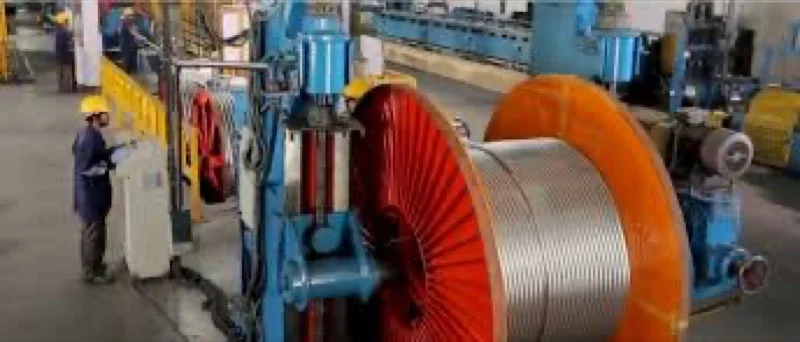 LiveAPAR Industries · Factory · 720 kW / 500 kWh battery
A factory whose process lines keep running through every dip in power.
- <1 ms
- response when the load jumps or the grid dips
- Zero
- gaps in power to the production lines
- End to end
- battery, PCS, controls and installation by one team
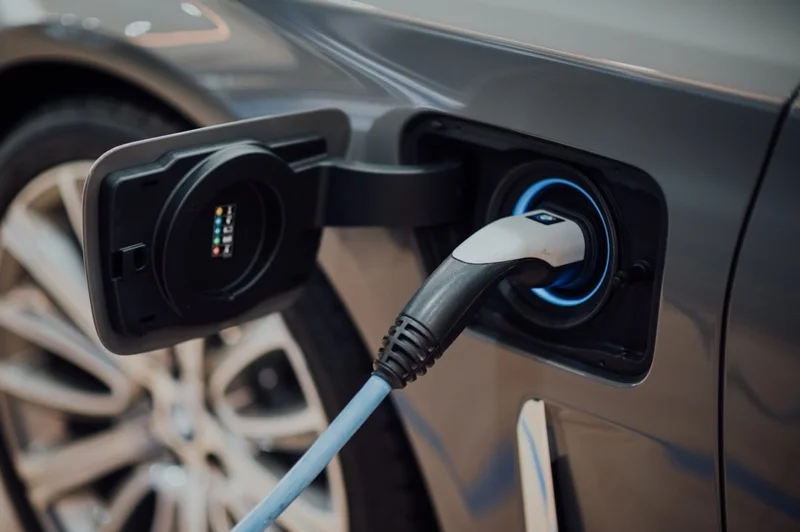 LiveEV charging hub · 260 kW / 580 kWh battery · India
Electric buses and cars keep charging, even when the grid is gone.
- 2.5×
- charging power from the same grid connection
- 1 s
- battery and PCS data, cell by cell
- Grid outage
- buses and cars still charge off the battery
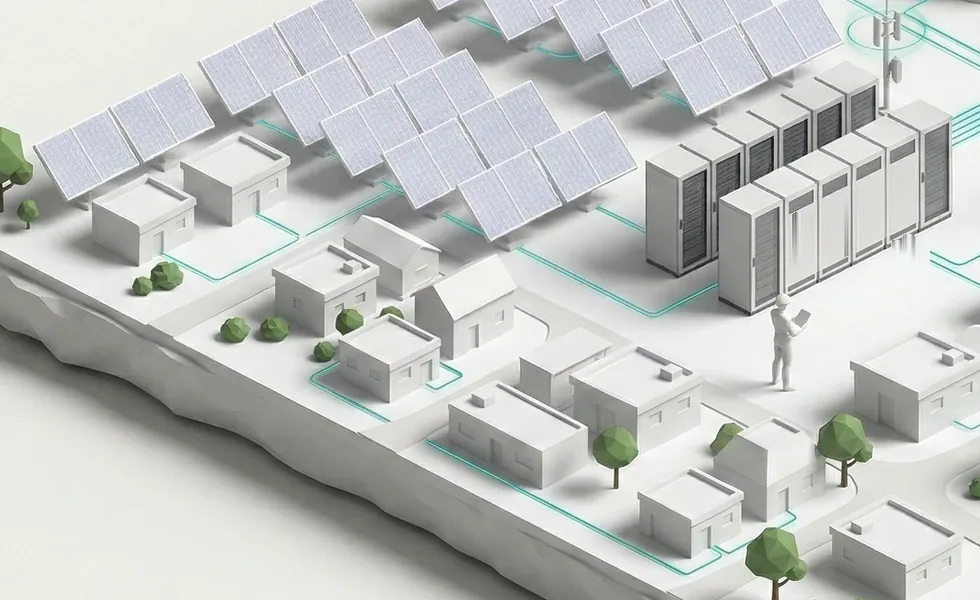 UnderwaySolar + battery micro-grid · Melghat, Maharashtra
A village without a grid. A solar and battery micro-grid that powers it.
- Village
- no grid connection
- Black start
- from standstill, no outside source
- 820
- homes on solar and battery
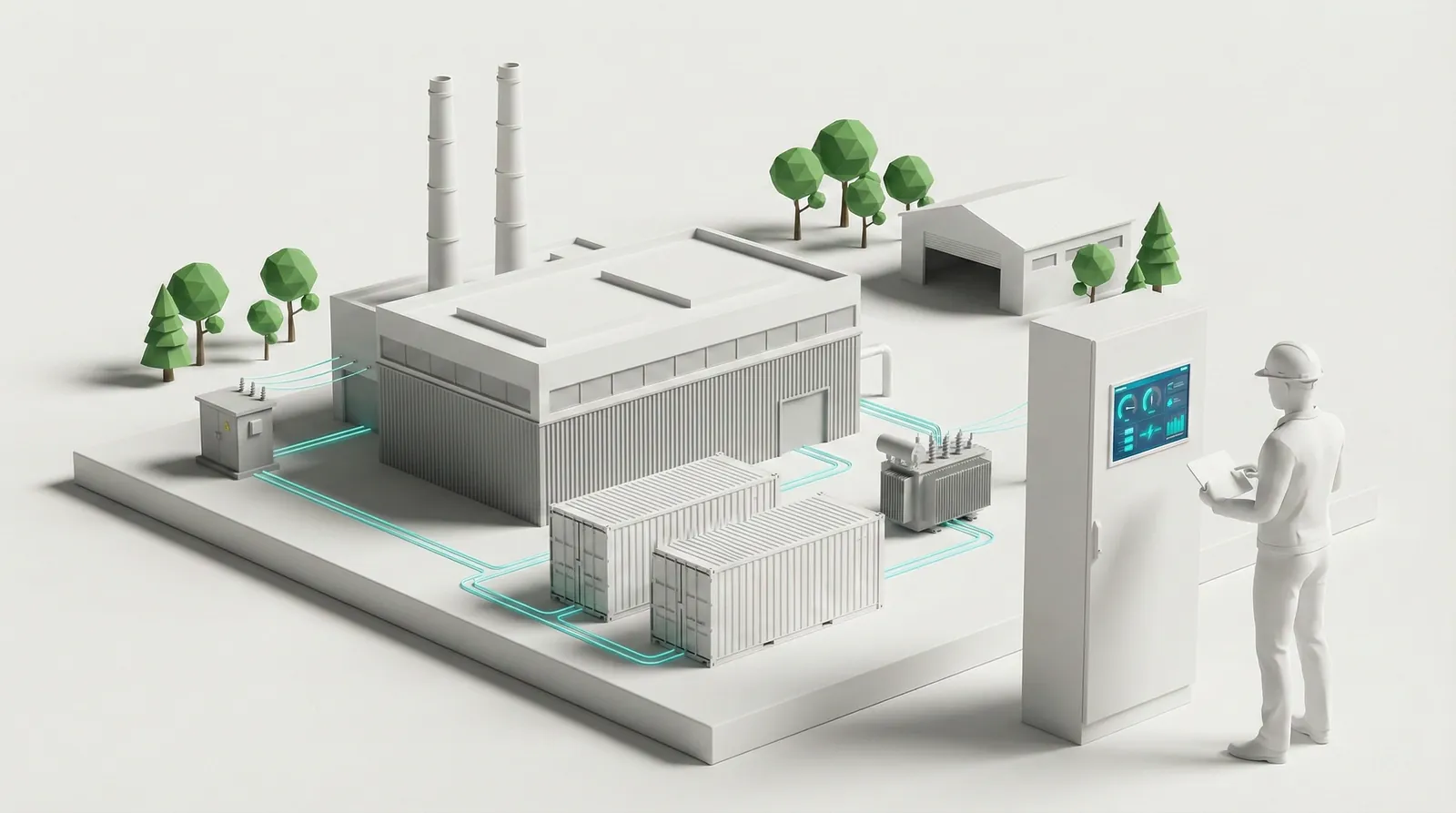 In testingIndustrial battery plant · Pune · 2.5 MW / 10 MWh
Two battery containers, two vendors, two languages. One EMS runs them as one plant.
- 2
- container makes, each with its own BMS protocol
- 1
- PCS and one EMS across both
- Hot-swap
- take a container out for service, plant keeps running
Tell us about your shed and its solar
Send what you know. An Ingro engineer gives you free advice on your shed: what the stoppages cost you, where your solar goes, whether net metering, a power-quality fix or a battery suits you, and the size, cost and payback. If you go ahead, our team takes care of the rest, from site assessment and design to equipment from any maker, installation, help with the approvals, commissioning, Ingro EMS and O&M.
What happens next: we reply within one working day, by phone or WhatsApp. No site visit is needed at this stage, and there is nothing to pay.