A battery for a factory that runs a DG set: which lines to put on it, and what it saves
Written for the owner or plant head of a factory of roughly 50 kW to 1 MW, with a transformer, a PCC and MCCs, an AMF panel and a DG set that comes on when the grid goes. It works through your shop floor feeder by feeder: what a cut does to each line, what a battery can carry, how it starts your motors, what the DG rules now demand, and what the diesel sums come to.
Reviewed 16 November 2026 by Ingro Energy's project team
The short answer
- On a moulding, extrusion, spinning or process line the costly part of a cut is often the restart, not the diesel. Industrialists in Hyderabad's estates said in October 2026 that even a 30-minute cut takes nearly three hours to recover from. A battery that carries those lines through the cut avoids the restart; the DG never can, because it only starts after the grid has gone.
- Most factories put only the lines that scrap material on the battery, plus PLCs, chillers and the air compressor, and leave furnaces and other heavy loads on the DG. That choice sets the size and the price.
- The battery inverter has to be sized for your largest motor's starting current, not its running load. Your DG already lives by a rule for this; the battery needs its own.
- A DG unit costs about ₹30 in diesel alone; a unit from a battery charged on the grid about ₹11. You keep the DG for long cuts and heavy loads.
- In Delhi-NCR, and since July 2026 in Gujarat's non-attainment cities, older diesel sets must be converted to dual fuel or fitted with an emission control device. If your set needs that money spent anyway, price a battery alongside it.
What the gap before the DG does to each line
Cuts are not only a summer problem: in October 2026, with coal stocks low at power stations, Business Today reported 10 to 12 hour daily cuts at small steel mills in Chhattisgarh and 3 to 4 hour outages at a Ludhiana wire factory. When the grid fails, the AMF panel first makes sure the supply has really gone, then cranks the engine, waits for its voltage and frequency to settle, and only then closes the DG breaker. That takes seconds. Machines react in far less: a guide for plastics processors by Fuji Electric India puts the threshold at a dip below 80% of voltage for more than 20 milliseconds, one cycle of the supply. Contactors drop, drives trip, and every line stops at once, mid-cycle, with no orderly shutdown.
- Injection moulding: the press stops with a full barrel and the hot runner still hot, the opposite of a proper shutdown. Canadian Plastics' shutdown guide warns that nylon, acetal and PVC left like this can degrade and need purging, that clear polycarbonate left in the heat can cause large scrap events, and that a full barrel left to cool can leave unmelted material wrapped on the screw.
- Extrusion: the melt stops in the die. In one plant described in EC&M, drives tripped on voltage sags and molten polymer gummed up the dies and rollers; the plant logged about 35 production losses in six months before it fixed its drives.
- Roving and spinning: Textile Network describes a roving frame losing power with the drives coasting to an uncontrolled stop, the roving breaking at each of up to 300 spools, and staff re-threading by hand, hours of downtime across several machines from one outage.
- Process lines that run hot or continuous (dryers, boilers, ovens, roasters): Telangana Today's October 2026 report quotes industrialists saying machinery and boilers need hours to return to working condition after a short cut, with the shift standing idle meanwhile.
- CNC and other batch machines: a job stopped mid-cut may have to be scrapped and the machine re-referenced before it can run again.
None of these losses shows up in the diesel bill, so count them yourself: material scrapped per cut, hours to get the line back to good parts, and how many cuts a month fall inside a running shift.
Where the battery fits in your panel room
At a plant this size the supply comes in at HT or LT, through your transformer to the main PCC, and out to MCCs and distribution boards on the floor. The DG feeds the PCC through the AMF changeover. A battery system (battery, inverter called a PCS, and its own panel) is usually connected on the LT side: either at the PCC, to carry everything up to its rating, or on a separate critical-load bus that feeds only the chosen MCCs.
Two things your electrical contractor will check. Many DISCOMs ask a consumer to undertake that the DG will not run in parallel with their supply, so the changeover between grid, battery and DG has to be designed so that nothing feeds back. And your APFC capacitor bank: when the battery or the DG carries the load, the capacitor stages and the power factor they see change, so they are set for all three sources, not only the grid.
Who runs your shop floor, minute by minute
The solid arrow is what is carrying the critical lines. The dashed arrow is the DG on its AMF panel, waiting.
Motor starting: the rule your DG follows, and the battery's
The Bureau of Energy Efficiency's guide to DG sets puts the problem plainly. A squirrel-cage motor started direct on line draws as much as six times its rated current for a few seconds. As a rule, the largest motor a DG can start direct on line is about 50% of the set's kVA in HP; with star-delta or auto-transformer starting it can be up to 75%. The same guide says to start the load with the highest starting kVA first and the rest in descending order.
A battery inverter has a short overload rating of its own, set by its electronics; BEE notes an alternator is designed for 50% overload for 15 seconds, so compare that with the PCS datasheet. The PCS is chosen from the starting kVA of your largest motor and what is already running when it starts, not from the running load. A VFD or soft starter on the compressor, pumps and blowers cuts that starting kVA a great deal, and a start sequence in the panel stops two big motors starting together. Welding sets, induction or thyristor-fed furnaces and large rectifiers need an application check, for the battery as for a DG.
Ask any vendor: "Which is the largest motor this system starts on battery, with what starter, and with what else running?" Get it in writing, and see it done at testing.
Which feeders go on the battery
Walk your MCCs with the question "what does a cut cost on this feeder?" A typical split looks like this; your own lines decide it.
| Feeder | What a cut costs | Usually |
|---|---|---|
| Moulding machines, extruders, roving and spinning frames, process lines | Scrap, purging, re-threading, hours to restart | Battery |
| PLCs, SCADA, instrumentation, servers | Lost recipes and settings, a slow restart | Battery |
| Mould and process chillers, air compressor | The line cannot restart without them | Battery, with a VFD or soft starter |
| Lighting, office, canteen | Little | Battery if it fits, else DG |
| Large furnaces, heaters, ovens, heavy welding | Heat loss is slow; very large load | DG |
| Pumps, cranes, conveyors that can wait | A few minutes' delay | DG |
Putting only the first three rows on the battery is what keeps the kWh, and the price, sensible. The worked example below shows the trade-off.
What the DG really costs you
A DG set makes roughly 3.2 units per litre at a healthy load, so at ₹95 a litre a DG unit costs about ₹30. A battery charged from the grid gives back about 85% of what goes in, so with grid power at about ₹9 its unit costs about ₹11. Better than any brochure figure is your own: BEE's guide sets out a two-hour trial at steady load, logging fuel by dip level and units off the DG's kWh meter, to get your set's real units per litre.
Two more costs belong in the sum. BEE notes that engine load should be kept above 50%, and a DG idling through short cuts on a part load burns the most diesel per unit. And the hour meter: the same guide puts a typical high-speed engine at about 3,200 hours between overhauls, so every hour the DG does not run pushes the next overhaul back.
| Where the unit comes from | Cost per unit |
|---|---|
| DG set (diesel only) | about ₹30 |
| Battery, charged from the grid | about ₹11 |
| Battery, charged from rooftop solar | lower still |
If you buy diesel in bulk from an oil company rather than at the pump, type your own price below. In June 2026 the petroleum ministry said retail diesel was about ₹40 a litre cheaper than bulk.
Work it out from your diesel
Four numbers from your DG log book. Nothing is sent anywhere until you ask us to check it.
Enter your diesel litres and DG hours to see the figures.
How this is worked out
- A DG set makes about 3.2 units per litre of diesel; a part-loaded set makes fewer, which makes the battery look better.
- Grid power costs about ₹9 a unit, and a battery gives back about 85% of what it takes in.
- The battery is sized to carry one normal day's DG running on one charge. Carrying only the critical lines makes it smaller.
- Installed cost is taken as ₹25,000 to ₹38,000 per kWh under 250 kWh and ₹20,000 to ₹30,000 per kWh above, before GST. A working range, not a quote.
- Scrap and restart time saved, DG overhauls put off, a retrofit kit avoided and solar are not counted.
- A first estimate. Motor starting, your feeders and your tariff are checked before anyone gives you a price.
Get the figure for your plant
Leave your name and number. We call back with the feeders, size, cost and payback.
Tell us about your plant ↓Worked example: whole load, or only the critical lines
An illustration, not a real factory. Inputs: a two-shift plant whose DG carries about 160 kW through about 2 hours of cuts on a working day, all year, burning about 3,000 litres a month (about ₹2.9 lakh of diesel a month at ₹95). Worked through the same sums as the calculator:
| A: whole running load | B: critical lines only | |
|---|---|---|
| Load on the battery | about 160 kW | about 90 kW |
| Battery for a day's cuts | about 360 kWh | about 205 kWh |
| Diesel saved a year | about ₹22 lakh | about ₹12 lakh |
| Installed cost, before GST | ₹72 to 108 lakh | ₹51 to 78 lakh |
| Payback on diesel alone | 3.3 to 4.9 years | 4.1 to 6.2 years |
Option B saves less diesel, and a small battery costs more per kWh, so on diesel alone it does not pay back faster. It is still the usual choice, because what it protects is the scrap and the restarts on the lines that matter, which this table does not count. If those are worth a lot to you, B wins; if your problem is only the diesel bill, A is the honest sum.
DG rules that may decide it for you
- Delhi-NCR: under the Commission for Air Quality Management (CAQM) schedule in force since 1 October 2023, older diesel DG sets in industry must run in dual-fuel mode (gas and diesel) or be fitted with a certified retrofit emission control device, depending on their size. The June 2023 schedule capped some size bands at two hours a day while GRAP is in force; the size bands were revised in 2024.
- New sets up to 800 kW built to the emission limits notified on 3 November 2022 (the CPCB IV+ norms, applying from 1 July 2023) need no retrofit under that schedule.
- In its revised GRAP of 28 September 2026, CAQM moved its actions on DG sets from Stage II to Stage I, so they apply from the first poor-air days of the winter.
- Gujarat: a GPCB circular of 7 July 2026 applies the same CAQM direction to DG sets in the state's non-attainment cities, checked at inspections and at renewal of your consent to operate.
- Diesel supply itself: from 12 June to 1 July 2026 the government barred industrial buyers from retail pumps and capped pump sales at 200 litres a day. A DG is only as reliable as its diesel.
These schedules are about DG sets; a battery burns no fuel and has no exhaust. If your set needs a retrofit kit or replacing to stay legal, put that money next to the price of a battery before deciding.
You keep the DG, and it runs better
A battery sized for every cut and the whole plant is too expensive, so the DG stays for long cuts and the heavy loads. It then starts less often and, when it does, runs at a steadier, higher load, which is where BEE says it should run. For the full battery-versus-DG comparison, see the guide below.
Factories are starting to do this. In February 2026 CMIL, which makes malted drinks and cereals in Greater Noida, announced a 2 MWh battery across its plants, citing daily cuts of 2 to 3 hours and spray-drying, extrusion and roasting lines that need unbroken power.
Price, battery life and solar, briefly
An installed system costs roughly ₹20,000 to ₹35,000 per kWh before GST, more per kWh for small systems; what moves it is in the battery cost guide. Ask for one turnkey price that includes the PCS, panel, cabling, civil work and testing.
The cells are lithium iron phosphate (LFP); read the warranty in years, cycles and capacity left at the end, and keep the cabinet away from furnaces, compressor exhaust and dust.
If your shed roof has solar, or room for it, see the factories with solar guide; if your bill's demand charge is the problem, see the commercial buildings guide.
When a battery is not worth it at a factory
- Your cuts mostly come at night or on the weekly off, when the lines are down. There is no restart to avoid and little diesel to save.
- Your lines restart cleanly in a minute or two and scrap nothing: a stopped lathe or press brake costs little. Then only the diesel sum counts, and it may not be enough.
- Your load in a cut is mostly one heavy furnace or heater bank that has to stay on the DG. A battery for the rest saves little diesel.
- Your cuts last most of the shift and you run round the clock. There are too few grid hours to recharge, so the DG runs anyway.
- Your DG is new, already CPCB IV+ and runs a few hours a month. Neither the rules nor the diesel give you a reason.
If the real problem is a few machines tripping on dips rather than long cuts, say so: a small battery or a power-quality fix for those feeders may be the honest answer.
What to ask before you sign
- Which feeders and MCCs will it carry, at what kW, and for how many hours?
- When the grid fails with my lines running, will they ride through? Will you show it at testing on my running load?
- What is the largest motor it starts on battery, with what starter and what else running?
- How is the changeover between grid, battery and DG interlocked so nothing runs in parallel with the grid?
- Do my APFC settings change, and who resets them?
- Does the price include the panel, cabling, civil work and the approvals that apply?
- What warranty, in years and cycles, and what capacity is promised at the end?
- Who comes when it trips in the middle of a shift, and how fast?
See the equipment and related guides
- BESS cabinets sold in India, with their specifications
- BESS containers, for the larger plants
- PCS (battery inverters): check the overload rating
- DG sets, to compare against
- Power-quality equipment, for lines that trip on dips
- Battery or diesel generator: the full comparison
- What a battery system costs in India
- Factory with rooftop solar: using the units you waste
- Demand charges on the bill: commercial buildings
- How Ingro builds a battery site end to end
Questions plant heads ask
Will my moulding machines and extruders ride through a cut on a battery?
They can, if they are on the battery's bus and the system is set up to take over without a break the machines notice. How smooth it is depends on the wiring into your PCC, so ask for a grid failure with the lines running at testing.
Can the battery run alongside my DG?
Yes, as separate sources with an interlocked changeover: the battery carries the critical bus, the DG starts for long cuts or heavy loads. Many DISCOMs ask for an undertaking that the DG will not run in parallel with their supply, so the scheme is designed so that nothing feeds back into the grid.
Will a battery start my air compressor or a 50 HP motor?
Yes, if the PCS is chosen from that motor's starting kVA with the rest of the load running. A direct-on-line motor draws up to six times its rated current when starting, so a VFD or soft starter makes the battery much smaller and cheaper.
My factory is in NCR. Does a battery help with the CAQM DG rules?
The CAQM schedule regulates DG sets: older diesel sets must go dual fuel or take a retrofit emission control device. A battery burns no fuel. If your set needs that work, compare the cost with a battery that cuts how often the DG runs at all.
Does it matter if my supply is HT or LT?
Not much for the battery, which is normally connected on the LT side after your transformer, at the PCC or on a critical-load bus. The supply type changes the tariff the battery charges at and the approvals, which the engineer checks.
How big a battery does a factory need?
Start from your DG log: the units it makes on a normal working day are roughly the kWh the battery must hold to carry the same load. Carrying only the critical lines brings that down.
Sources
- Bureau of Energy Efficiency, energy auditor guide book 3, chapter 9: DG Set System (motor starting, loading, parallel operation, performance trial)
- Fuji Electric India, technical guide: reliable power for the plastic processing industry (voltage dip threshold)
- Canadian Plastics, Technical tip: the fundamentals of press shutdown
- EC&M, Don't let sags and interruptions disturb you (extrusion plant case)
- Textile Network, 3 December 2019: power failure on roving frames
- Telangana Today, 18 October 2026: unscheduled power cuts worry Hyderabad industries
- EQ Mag Pro, 8 June 2023: CAQM revised schedule for DG sets in NCR from 1 October 2023
- TeamLease RegTech: CAQM amendment to DG set capacity bands (2024)
- SCC Online, 7 November 2022: Environment (Protection) Third Amendment Rules 2022, genset engines up to 800 kW
- ThePrint, 29 September 2026: CAQM revises GRAP, DG set actions moved to Stage I
- Corpseed, 22 July 2026: GPCB circular on DG set emission control in Gujarat
- Business Today, 12 June 2026: diesel sales capped at 200 litres; retail about ₹40 a litre cheaper than bulk
- Business Today, 13 October 2026: coal crisis, factories face 12-hour power cuts
- SolarQuarter, 13 February 2026: GoodEnough Energy and CMIL, 2 MWh battery for a Greater Noida food plant
- The Tribune, 29 June 2026: retail diesel restrictions lifted from 1 July
Sites that have benefited from battery storage
Different sites, same idea: use more of your own renewable power, cut the electricity bill, and keep running when the grid cannot keep up.
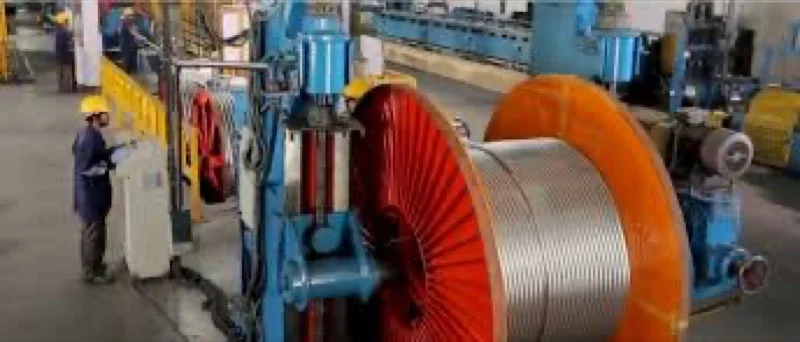 LiveAPAR Industries · Factory · 720 kW / 500 kWh battery
A factory whose process lines keep running through every dip in power.
- <1 ms
- response when the load jumps or the grid dips
- Zero
- gaps in power to the production lines
- End to end
- battery, PCS, controls and installation by one team
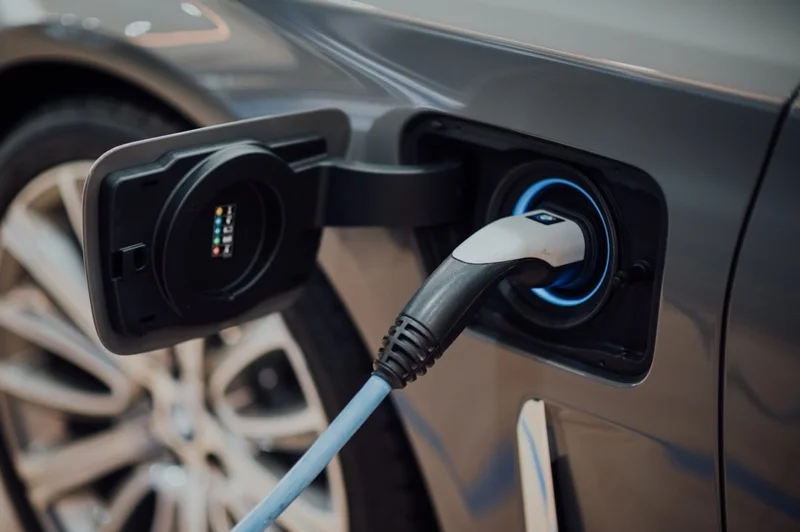 LiveEV charging hub · 260 kW / 580 kWh battery · India
Electric buses and cars keep charging, even when the grid is gone.
- 2.5×
- charging power from the same grid connection
- 1 s
- battery and PCS data, cell by cell
- Grid outage
- buses and cars still charge off the battery
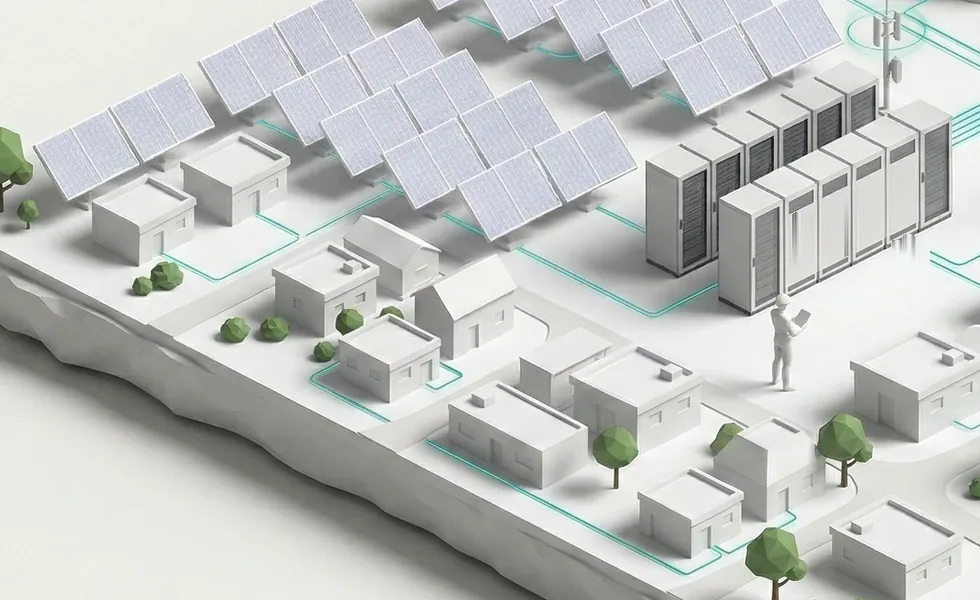 UnderwaySolar + battery micro-grid · Melghat, Maharashtra
A village without a grid. A solar and battery micro-grid that powers it.
- Village
- no grid connection
- Black start
- from standstill, no outside source
- 820
- homes on solar and battery
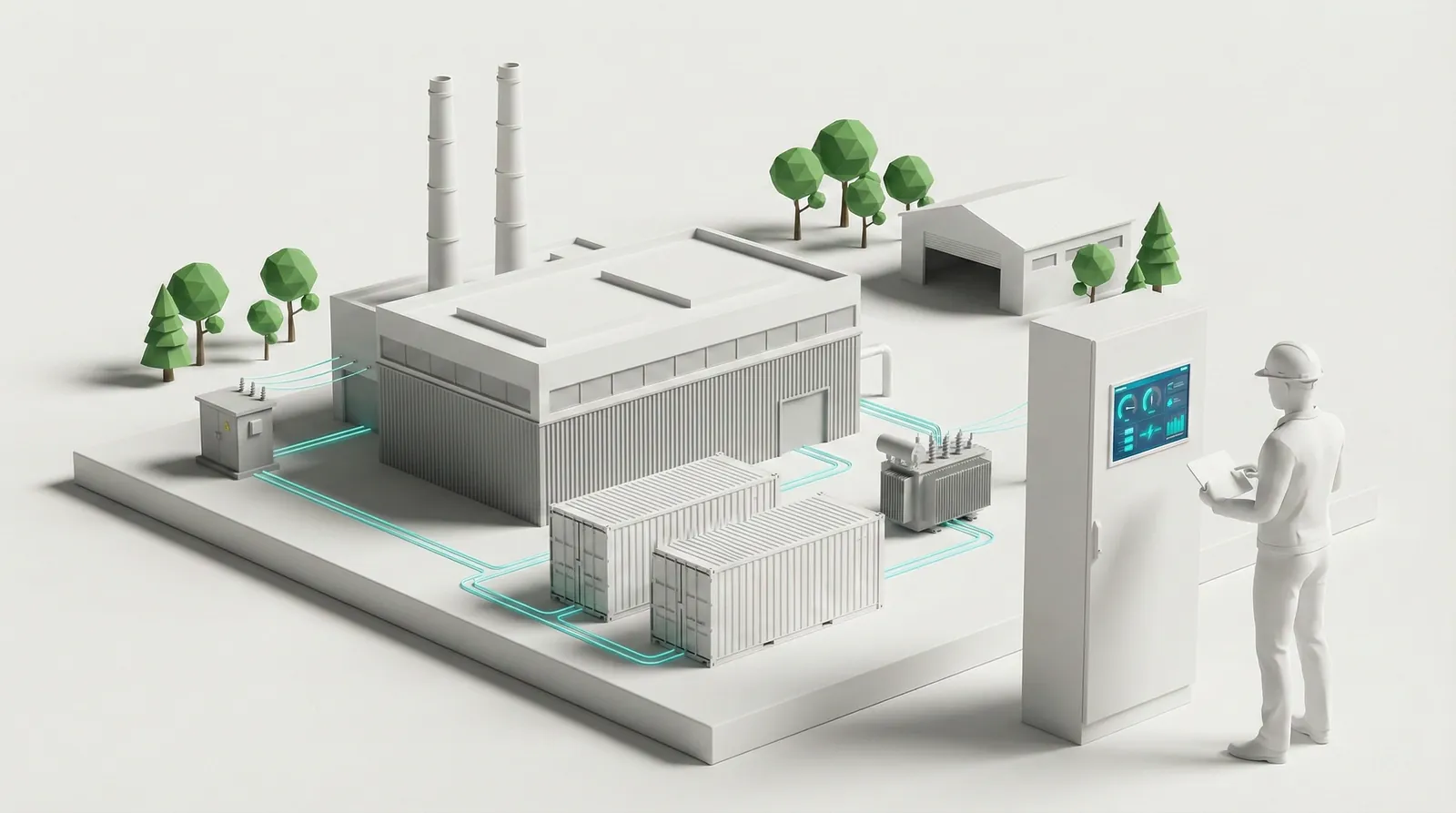 In testingIndustrial battery plant · Pune · 2.5 MW / 10 MWh
Two battery containers, two vendors, two languages. One EMS runs them as one plant.
- 2
- container makes, each with its own BMS protocol
- 1
- PCS and one EMS across both
- Hot-swap
- take a container out for service, plant keeps running
Tell us about your plant
Send what you know. An Ingro engineer works out which feeders a battery should carry, its size, cost and payback, free.
What happens next: we reply within one working day, by phone or WhatsApp. No site visit is needed at this stage, and there is nothing to pay.