Your client asks you to add a battery to his solar plant: how to size it, quote it and get it approved
You install C&I rooftop solar, from a few hundred kWp to a few MWp a year, and clients now ask whether you can add a battery: because the plant is on zero export, the DISCOM caps export, evening units cost more, the DG still runs in the day, or a new state rule asks for storage. You know solar. You have not yet quoted a BESS. This page is for the EPC's owner and design head: which clients are worth a battery, how to size it from their data, how it ties into the plant you built, what the quote must list, which approvals apply, and how to bring in a partner for the battery and EMS side without losing the client.
Reviewed 16 November 2026 by Ingro Energy's project team
The short answer
- Good candidates: clients on zero export or an export cap with a large curtailment every working day, clients whose DG runs while the solar sits idle, and clients with an evening shift at peak rates. Poor candidates: clients on full net metering at a good rate, and clients whose surplus comes only on the weekly off.
- Size from the client's data, not a rule of thumb: the monitoring graph or inverter logs for curtailment, and 15-minute meter data for the load. The calculator below gives a first cut in a minute.
- On a stored solar unit alone the payback is long: about 9.5 to 14 years in the worked example, a 400 kWp plant on zero export. Show the client how it moves with the curtailed share before you quote; cuts and DG running often decide the case.
- On a plant you have already built, AC coupling is the usual route: the battery brings its own inverter (PCS) and your string inverters stay. The work is in the controls: the battery's EMS, your zero-export controller and the reverse power relay must work as one.
- Quote usable kWh, not nameplate, and list the PCS, EMS, panels, civil, fire and the warranty in years, cycles and end capacity. A thin quote becomes your loss at commissioning.
Which of your clients are battery candidates
Go through your client list with the monitoring portal open. A battery earns from solar that is wasted or cheap every working day, from DG hours it replaces, and from expensive hours it covers. A client with none of these will not be happy with any battery you sell him, however good the price.
| Client situation | What you see | Battery case |
|---|---|---|
| Zero export, behind the meter | Flat-topped curve on clear working days | Good, if the flat top is large on most working days |
| Export capped by the DISCOM or transformer limit | Curve clipped at the export limit | Good to fair, depending on the size of the clip |
| Export credit low, capped or lapsing | Bill shows exports credited cheaply or written off | Fair to good: stored units are worth the gap |
| DG runs in daytime cuts, solar switched off | Plant reads zero whenever the DG runs | Often the strongest case: diesel saved and solar kept on |
| Evening shift on a ToD tariff | Peak-hour units cost more than the day rate | Adds to the case; check the client's tariff order |
| Wants more panels than the sanctioned load allows | Plant already at the limit | Storage may be required anyway (Gujarat and Karnataka, below) |
| Full net metering credited at his own rate | No curtailment, exports credited fully | Poor: the grid already does the battery's job |
| Surplus mostly on the weekly off | Flat top only on Sundays and holidays | Poor: a battery cycled once a week does not pay |
The factory owner's view of the same question, state by state, is in our guide for a factory with rooftop solar. Send clients there; this page is for you.
Sizing from the client's data
Three data sets, in this order. First, the monitoring portal or inverter logs for a few clear working days: the area cut off above the flat top is the curtailed solar, in units a day. Second, 15-minute load data from the client's meter or a temporary logger for a few weeks: it shows when the load dips, how deep, and what runs in the evening. Third, twelve months of bills: tariff, ToD slots, contract demand and any export credit.
Size the battery for the routine working-day surplus, not the best Sunday. If the client also wants backup or wants to cut the evening peak, size each job separately and add them (see below). Then size the PCS kW for the highest of three: the charging rate at the solar peak, the discharge the client needs, and any motor starting on battery.
Use the calculator below for a first cut with the client's numbers before anyone spends a day on it. It counts only stored solar on working days, so it is cautious; if the client has daytime cuts with the DG running, say so when you send it for a proper sizing.
First cut with your client's numbers
Five numbers from the client's monitoring portal and bill. Nothing is sent anywhere until you ask us to check it.
Enter the client's plant size and the share of solar going waste to see the figures.
How this is worked out
- Solar makes about 4.25 units per kWp on an average day. Monsoon and cloudy days make less.
- The share you type is the routine surplus on a working day. Only working days are counted; weekly-off and holiday surplus is left out.
- The battery is sized to hold that surplus in one charge, using about 90% of its rated kWh, and is filled and emptied once each working day.
- A battery gives back about 85% of what it takes in. Each unit it gives back saves the grid rate you typed; the export credit you typed is taken off for every unit no longer exported.
- Installed cost is taken as ₹25,000 to ₹38,000 per kWh for a battery under 250 kWh, and ₹20,000 to ₹30,000 per kWh above that, before GST. Small systems cost more per kWh. This is a working range, not a quote.
- Not counted: solar kept running in grid cuts or with the DG, diesel saved, ToD peak rates, demand charges, and battery capacity fading over the years.
- This is a first estimate. The client's load pattern, export rules and tariff are checked before anyone gives a price.
Get your client's figure checked
Leave your name and number. We call back about the battery size, the tie-in to your plant and whether the case holds.
Tell us about your client's plant ↓Worked example: the sensitivity to show your client
An illustration, not a real client. Inputs: 400 kWp on zero export, 25% of a clear working day's solar curtailed, 26 working days a month, grid power at ₹9 a unit. These are the calculator's sums, so the same numbers typed above give the same result.
The plant makes about 1,700 units on an average day and about 425 are curtailed. A 480 kWh battery holds them. It saves about ₹10 lakh a year, costs about ₹96 lakh to ₹1.44 crore installed, and pays back in about 9.5 to 14 years on stored solar alone.
Now the same plant with only 12% curtailed, the case where just the lunch break and shift changes flatten the curve. About 204 units a day are caught, the battery drops to 230 kWh, it saves about ₹4.9 lakh a year, costs about ₹58 lakh to ₹87 lakh, and pays back in about 12 to 18 years. A smaller battery costs more per kWh, so halving the surplus makes the payback worse, not the same.
Show the client both lines before you quote. If the curtailment you measured is nearer the low case, say so; a client sold the high case on a low-case site will remember who sold it. Daytime cuts with the DG running, or an evening shift at peak rates, are not in these figures and can change the answer.
AC or DC coupled, from the EPC's side
The two options, and what each does to a running plant, are set out in the factory-with-solar guide. For you the practical points are these.
- AC coupled: the battery and its PCS connect at the client's LT panel beside your string inverters. Your inverters, their warranty and your monitoring stay as they are. This is the usual retrofit, and the one that keeps your existing plant's warranty out of the argument.
- DC coupled or hybrid inverters: the battery shares the solar inverter. On a plant you built with string inverters it usually means replacing them, which reopens your own warranty and the client's approval. It suits a new plant designed with storage from the start more than a retrofit.
- Grid cuts: if the client wants the solar to keep running in a cut, the PCS must form a local grid, the site must be isolated from the DISCOM first, and your string inverters must accept the PCS as their grid. Check this with the inverter maker before you promise it.
- Space in the panel room: an AC-coupled battery needs a feeder, a breaker and space in or beside the main LT panel. Check this on your own single-line diagram before the site visit.
Your zero-export controller, the relay and the battery's EMS
On most of your zero-export plants a meter at the incomer feeds a controller that throttles the string inverters, and a reverse power relay trips the plant if export happens anyway. Add a battery and there are now two things trying to hold the incomer at zero: your controller, by throttling solar, and the battery's EMS, by charging. If they are not set up as one, they fight. The usual result is that the controller throttles solar the battery could have stored, or the relay trips when a large load drops and neither reacts fast enough.
Decide who is in charge. Usually the battery's EMS reads the incomer, charges from the surplus first, and lets the zero-export controller throttle solar only when the battery is full or at its charging limit. On larger plants with a power plant controller the same rule applies: one controller sets the targets, the other follows. Test it before handover with a sudden load drop, and write the settings into the O&M file so the next service visit does not undo them.
The EMS also decides what the battery does with its kWh: soak up solar, cut the evening peak, keep a reserve for cuts. Tariff windows, contract demand and the diesel price are settings in it, not afterthoughts. More on how to judge one is on our page for integrators and EPCs choosing an EMS.
One kWh cannot do two jobs at once: backup, peak cutting and motor starts
Clients often ask for everything: store the solar, cut the evening peak and back up the plant in a cut. The same kWh cannot be sold three times. If the battery is empty after the evening peak, there is nothing left for a cut at 9 pm. Either size for each job and add them, or agree in writing which job comes first and how much reserve is kept for backup. That agreement goes into the EMS settings.
Backup also changes the PCS. Motors that start direct on line draw a surge far above their running current, and on battery the PCS has to supply it alone. Get the largest motor's starting method from the client before you size the PCS; how motor starting decides the inverter size is set out in our guide for a factory with a DG set.
Quote checklist: what a BESS quote must list
Your client will compare your quote with someone else's. Make sure yours lists every line, so it cannot be undercut by a quote that leaves half of them out, and so nothing comes back to you as an extra at site. What goes into the price itself is in our battery cost guide.
| Line | What to state | What goes wrong if it is missing |
|---|---|---|
| Battery energy | Usable kWh at the start, and nameplate kWh, both written | You quote nameplate, the client finds 10% less in use |
| PCS | kW continuous, overload rating and time, grid-forming or not | It cannot start the client's motors, or cannot run solar in a cut |
| EMS and controls | Which controller, what it does, how it works with the zero-export controller | Controllers fight; the relay trips; solar is still curtailed |
| Panels and switchgear | Battery feeder, breaker, isolation and changeover, any transformer | Discovered at site, paid by you |
| Cabling and civil | Cable runs, trays or trenches, plinth, earthing, shed or room if needed | Extra cost and delay after the order |
| Fire detection and suppression | What the cabinet or container has, what is added in the room | Fire NOC or inspector objection after delivery |
| Installation, testing, commissioning | Tests on the client's load, including a load drop and the largest motor if backed up | The system works on paper, not on site |
| Approvals | Who files with the DISCOM and Electrical Inspector, and who pays the fees | Energisation waits while everyone points at each other |
| Warranty | Years, cycles, and capacity guaranteed at the end; what voids it | A battery cycled daily runs out of cycles before years |
| O&M | Visits a year, response time, who comes, for how long | The client calls you; you have no one to send |
Price per usable kWh is the fair comparison. Divide each quote by its usable kWh, then compare the PCS kW and the warranty side by side.
Approvals: DISCOM, the Electrical Inspector and the state rules
Adding a battery changes the installation the DISCOM approved, so tell the DISCOM and check the client's connection agreement before work starts. The rules vary by state and they changed in 2026 in several states. Examples from the regulators' documents:
- Gujarat (GERC, 2026): consumers with contract demand above 100 kW who install solar beyond their sanctioned demand must add storage of at least two hours, covering at least 50% of the excess capacity. Net metering and net billing are allowed up to 1,000 kW AC.
- Karnataka (KERC, 2026): consumers may add a hybrid grid-tied inverter with a battery at their option. Behind the meter, solar beyond the sanctioned load or contracted demand is allowed only with storage or a generator giving the inverter its voltage reference, or an inverter that forms its own. The consumer must make sure battery or DG power does not flow into the network in a grid failure. The Commission will review storage at prosumer level within two years.
- Maharashtra (MERC, 2019): solar with storage is allowed provided the system does not push power into the grid when the grid is down, with automatic and manual isolation switches.
- Electrical Inspector: under the CEA safety regulations of 2023, each state notifies a voltage up to which the owner can self-certify a new installation (Regulations 32 and 45). Jammu and Kashmir, for example, notified 650 V in 2024. Check your state's notified voltage, whether the battery needs the Electrical Inspector (CEIG) before it is energised, and whether it connects through its own transformer.
- BESS safety (CEA, 2026): an amendment to the same regulations adds a chapter on BESS from 1 April 2027 for installations above 650 V: detection for smoke, gas, heat and flame, automatic fire suppression in each battery container, and an independent third-party fire safety audit whose report goes to the Electrical Inspector. Installations at or below 650 V follow the relevant standards, which CEA is to list.
Put in the quote who files these applications and who pays the fees. Check the client's state fire rules and, for a new room or shed, whether a fire NOC is needed for the building.
These are examples from regulator documents and trade reports, with their year. Your client's connection agreement, his DISCOM and the current state regulations are what count; read them before you promise a timeline.
Space, clearance and heat
Settle the spot at the first site visit, before any price is final. A battery cabinet or container needs a level plinth, clearance on the sides the maker specifies for service and cooling, access for the fire brigade, and a cable route to the panel room that is not three times longer than you thought. Keep it out of direct sun and away from furnaces, ovens, compressor exhausts and exits.
Do not put it on the roof beside your panels unless a structural engineer has checked the roof for the cabinet's weight and the battery maker agrees to the spot. Heat shortens battery life, so a cool, ventilated spot pays for itself over the warranty.
Warranty and service: who the client calls
When the battery stops, the client calls you, not the cell maker. Before you quote, settle three things in writing with whoever supplies the battery and EMS: whose warranty covers what (cells, PCS, EMS, your installation), whether it is back to back with what you give the client, and who goes to site, from where, and how fast.
A solar battery cycles about once every working day. A warranty of 10 years with too few cycles for daily use ends early. Read the cycle count and the end capacity as closely as the years, and make sure what you promise the client is no more than what your supplier promises you.
How partnering with Ingro works
Ingro does not make batteries. It designs, integrates and commissions battery systems with any maker's battery, and makes Ingro EMS, the controller and software that runs them. Ingro EMS works with any make of battery, PCS, inverter or generator. Ingro supplies the EMS to integrators and EPC contractors, or takes on the complete BESS end to end. Our page for integrators and EPCs sets out the three ways to work together; in short:
- EMS supply: you build the battery system; Ingro supplies the EMS (the controller, operator console, mobile view and reporting), commissioned against your plant, with training, quoted as one item.
- End-to-end BESS: sizing and simulation, equipment, EMS, installation, commissioning and long-term O&M from one accountable party, for your client's site.
- If a client already runs a battery on a locked or underperforming controller, an EMS retrofit puts a new EMS over the existing battery and PCS.
What to send: the client's site and plant details, the battery and PCS make if you have chosen them, and what the plant must do (store solar, cut the peak, back up). What comes back: an EMS scope with an integration plan and an indicative programme, or a complete BESS proposal if you would rather hand over the battery side.
When not to sell a battery
- The client is on full net metering at a good rate. A battery only adds cost; help him keep the net metering instead.
- The surplus comes only on the weekly off. One cycle a week does not pay back.
- The quote is built on nameplate kWh. The usable kWh, after the depth the warranty allows, is what the client gets; quote that or expect a dispute.
- Motor starting loads were not checked. A PCS that trips when the compressor starts on battery is your problem at handover.
- There is no space with the clearance the maker asks for, or the only spot is next to an exit. Solve the location first.
- The client expects backup and peak cutting from the same kWh. Size for both or agree in writing which comes first.
Saying no to a weak case keeps the client for the next plant. A battery sold on a payback that does not happen costs you more than the margin on it.
What to settle with your battery partner before you quote
- From which data was the size worked out, and how much of the client's curtailment does it catch on a normal working day?
- Is the energy figure usable kWh at the start, and how much is left at the end of the warranty?
- How does the EMS work with my zero-export controller and reverse power relay, and will you test a sudden load drop with me before handover?
- Will my string inverters keep running in a grid cut and with the DG on, and has the inverter maker confirmed it?
- Is the warranty back to back with what I give the client, in years and cycles, and what voids it?
- Who files the DISCOM and Electrical Inspector paperwork, and is it in the price?
- Who goes to site when it stops, from where, and how fast?
Useful next
- EMS for integrators and EPCs: how to choose one, and how to work with Ingro
- Factory with rooftop solar: the owner's view, state by state
- What a battery system costs in India, and what a turnkey price includes
- Factory with a DG set: motor starting and diesel
- Simulate the site before you quote
- PCS (battery inverters)
- BESS cabinets, with their specifications
- Solar inverters sold in India
- Energy meters for logging the client's load
What your client will ask you
Can you add a battery to the solar plant you installed, or do the inverters have to change?
Usually the inverters stay. An AC-coupled battery brings its own PCS and connects at the LT panel. What gets checked is the panel space, how the battery's controls work with the zero-export controller, and whether the inverters can run in a grid cut with the battery.
How much will I save, and when does it pay back?
It depends on how much solar is curtailed every working day, the grid rate, and whether the battery also saves diesel in cuts. On stored solar alone the payback is long: about 9.5 to 14 years in the worked example, and longer if the curtailment is small. Measure first.
Will the battery give me backup in a power cut as well?
It can, if the PCS can form a local grid and the site is isolated from the DISCOM in a cut. But the kWh kept for backup cannot also be used to cut the evening peak, so decide which comes first or size for both.
Is the battery's kWh on the quote what I will actually get?
Ask for usable kWh. A battery is not emptied to zero, so the usable energy is less than the nameplate, and it falls over the years. The warranty should state the capacity left at the end.
Do I need the DISCOM's or the Electrical Inspector's approval?
Tell the DISCOM, since the installation changes; some states, such as Karnataka and Maharashtra, set conditions so the battery cannot feed the grid in a cut. Whether the Electrical Inspector must inspect it depends on the voltage your state allows to be self-certified.
Can I put more panels if I add a battery?
In some states, yes, and in some it is the condition. Gujarat's 2026 regulations require storage for consumers above 100 kW contract demand who install beyond sanctioned demand; Karnataka allows behind-the-meter solar beyond the sanctioned load with storage giving the inverter its reference.
Who will service the battery?
Agree it before you sign: who comes, from where and how fast, for the whole warranty. The warranty and the service contract should be in writing, in years and cycles.
Sources
- SolarQuarter (2 November 2026): GERC Distributed Renewable Energy Regulations, 2026, Gujarat: metering options, size limits and the battery requirement
- Energetica India (2026): GERC Grid Interactive Distributed Renewable Energy Sources Regulations, 2026 (Notification No. 11 of 2026), Gujarat
- KERC (Grid Interactive Distributed Solar Photovoltaic (DSPV) Plants) Regulations, 2026, Karnataka (notified 19.08.2026): clauses 3.3, 4.6.2 and 9.6
- MERC (Grid Interactive Rooftop Renewable Energy Generating Systems) Regulations, 2019, Maharashtra: solar with storage and isolation
- Energetica India (14 April 2026): CEA Safety and Electric Supply Amendment Regulations, 2026, BESS chapter in force from 1 April 2027
- Power Peak Digest (2026): CEA notifies BESS safety rules (Chapter XA, regulations 122A to 122N), effective April 2027
- Jammu and Kashmir Gazette, 15 July 2024 (SO 368): notified voltage for self-certification under Regulations 32 and 45 of the CEA Safety Regulations, 2023
Sites that have benefited from battery storage
Different sites, same idea: use more of your own renewable power, cut the electricity bill, and keep running when the grid cannot keep up.
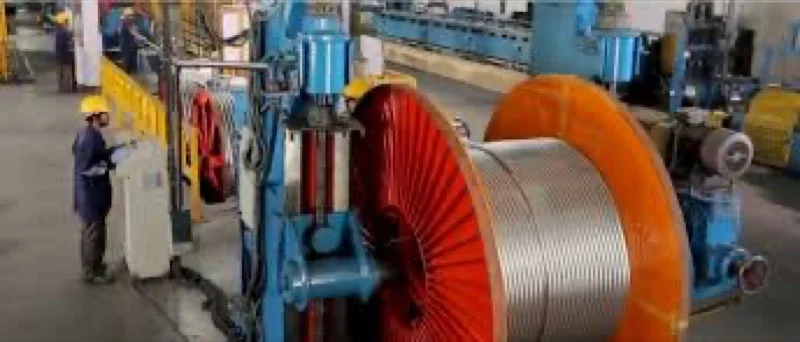 LiveAPAR Industries · Factory · 720 kW / 500 kWh battery
A factory whose process lines keep running through every dip in power.
- <1 ms
- response when the load jumps or the grid dips
- Zero
- gaps in power to the production lines
- End to end
- battery, PCS, controls and installation by one team
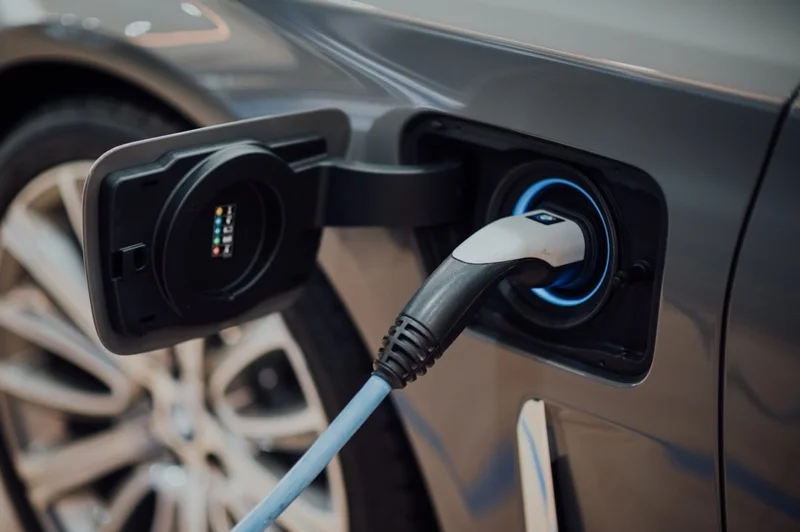 LiveEV charging hub · 260 kW / 580 kWh battery · India
Electric buses and cars keep charging, even when the grid is gone.
- 2.5×
- charging power from the same grid connection
- 1 s
- battery and PCS data, cell by cell
- Grid outage
- buses and cars still charge off the battery
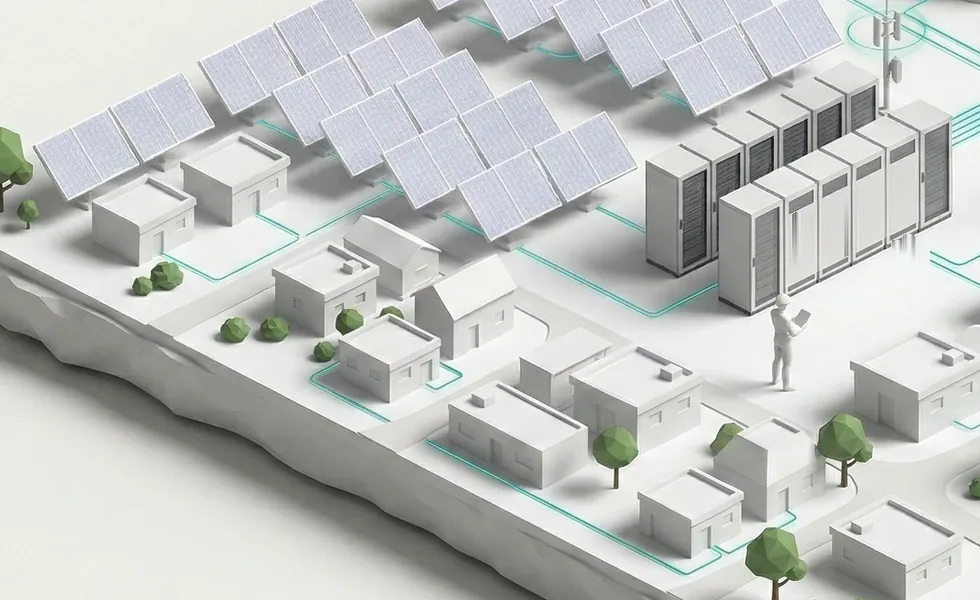 UnderwaySolar + battery micro-grid · Melghat, Maharashtra
A village without a grid. A solar and battery micro-grid that powers it.
- Village
- no grid connection
- Black start
- from standstill, no outside source
- 820
- homes on solar and battery
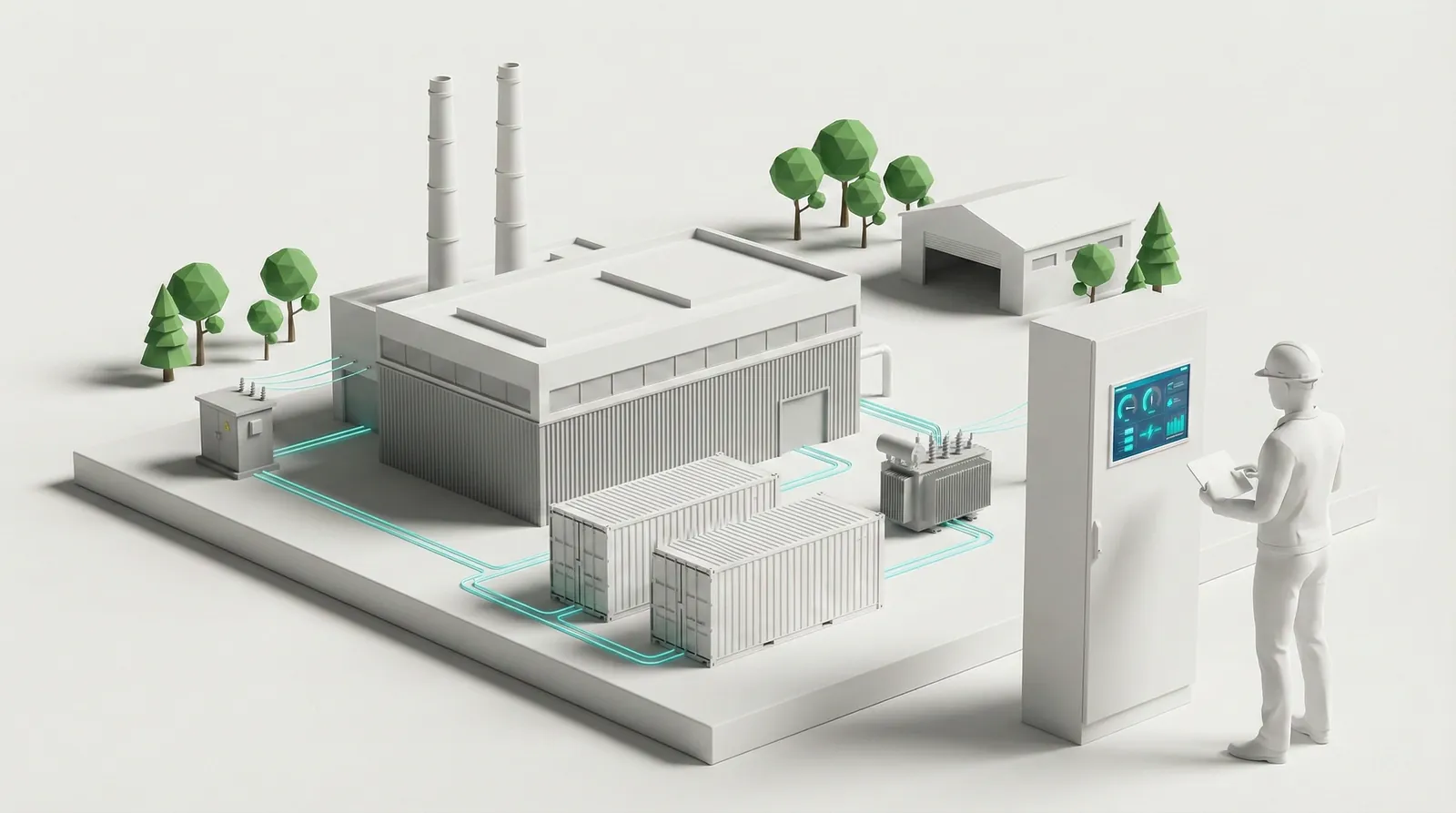 In testingIndustrial battery plant · Pune · 2.5 MW / 10 MWh
Two battery containers, two vendors, two languages. One EMS runs them as one plant.
- 2
- container makes, each with its own BMS protocol
- 1
- PCS and one EMS across both
- Hot-swap
- take a container out for service, plant keeps running
Tell us about your client's plant
Send what you know about the client and his plant. An Ingro engineer gives you free advice on the case: the battery size, how it ties into your plant and controls, and the approvals. If it holds, we can take the battery side end to end, from design to commissioning and O&M, or supply the EMS while you build it.
What happens next: we reply within one working day, by phone or WhatsApp. No site visit is needed at this stage, and there is nothing to pay.