Auto component plant on an HT ToD tariff: cutting the demand charge and the evening peak with solar and a battery
You machine, press, forge or heat-treat parts for an OEM, on an HT industrial connection near Pune, Chakan, Chennai or Gurugram. The second shift runs straight into the tariff's evening peak hours, the rooftop solar stops at sunset, and one bad half-hour when the press line, the furnaces and the compressors all ran together sets the demand charge for the month, and for months after. This page reads those bill lines for a component plant, shows when a battery charged in the cheap solar hours pays back, and says plainly when it does not.
Reviewed 16 November 2026 by Ingro Energy's project team
The short answer
- On MSEDCL's HT industry tariff for FY 2026-27 you pay ₹650 per kVA every month on your billing demand. Every kVA a battery keeps off the month's peak saves ₹7,800 a year, but only above the floor of 75% of your contract demand, and only if it holds every month.
- Under the 2023 time-of-day rules, Maharashtra charges 20% more on the energy charge from 17:00 to midnight and gives a 15 to 25% rebate from 09:00 to 17:00. A battery charged at night barely beats its own losses on that difference. Charged in the solar hours, it earns on it.
- In the worked example below, taking 150 kVA off a two-hour evening overlap saves about ₹14 lakh a year and pays back in about 5.0 to 7.5 years. Holding the same kVA for the whole seven-hour peak window stretches it to 13 to 19 years.
- If your load is flat, your billing demand already sits at the contract demand floor, or the peak comes from one big motor starting, a battery will not pay back. Fix those more cheaply first.
Who decides, and what each of them looks at
In most component plants three people have to agree. The plant head wants the lines running and no CNC alarms after a voltage dip. Finance wants a payback it can defend, worked from the bill, not from a brochure. And the OEM's supplier sustainability team wants to see your renewable share and your energy plan at the next audit.
A battery touches all three, but in different ways. It lowers the demand charge and the peak-hour units, which finance can check on the bill. It adds to the solar story only when it lets you use solar you would otherwise lose. And it does not protect your CNCs from voltage dips unless it is designed to. This page keeps the three apart.
Reading your MSEDCL bill: the demand and ToD lines
An HT I industry bill from MSEDCL has more lines than most plants look at. These are the ones a battery can move, with the FY 2026-27 rates MERC approved for HT I(A) general industry.
| Line on the bill | What sets it | Can a battery change it? |
|---|---|---|
| Contract demand (kVA) | What you agreed when the connection was sanctioned | Not by itself, but it can make a lower one safe to ask for |
| Recorded maximum demand (kVA) | The highest demand the meter records in the month, between 06:00 and 22:00 (to midnight once ToD meters are updated) | Yes: this is what peak shaving lowers |
| Billing demand (kVA) | The highest of the recorded demand, 75% of the highest billing demand of the last eleven months, and 75% of the contract demand | Only down to the floor |
| Demand charge | Billing demand × ₹650 per kVA per month | Yes, through the billing demand |
| Energy charge (₹ per kVAh) | ₹8.44 a unit, plus ₹0.81 HT wheeling. Billed in kVAh, so a poor power factor adds units | Not much. The battery adds a few units for its own losses |
| ToD charge or rebate | +20% of the energy charge on units drawn 17:00 to 24:00; a rebate on units drawn 09:00 to 17:00 | Yes, by charging in the rebate hours and supplying in the peak hours |
| Excess demand | Demand above the contract demand is billed an extra 150% of the demand charge | Yes, if it holds the incomer below the contract demand |
| Electricity duty, fuel adjustment and other pass-through charges | State duty and DISCOM charges | No |
Rates are MERC's approved HT I(A) figures for FY 2026-27 (orders listed at the foot of this page). Seasonal industry, EHV supply and other DISCOMs differ, and rates change each year. Read yours off your own bill, or send us one.
Why one bad half-hour costs you a year
MERC's billing demand for HT industry has a memory. The month's billing demand is never less than 75% of the highest billing demand in the eleven months before it, up to your contract demand. So the month when a new press line was being proved out, or every furnace was loaded for a schedule push, can keep the next eleven bills up as well.
There is also a floor: 75% of your contract demand, whatever the meter records. And going over the contract demand costs an extra 150% of the demand charge on the excess kVA, and lets MSEDCL raise your contract demand if it happens more than three times in a calendar year.
For a component plant that means two things. A battery is worth most where it stops the rare overlap that sets the year, not the everyday load. And it has to work every single month: one missed overlap and that month's meter shows the full peak.
Before anything else, write down your contract demand and the billing demand on each of your last twelve bills. If the billing demand equals 75% of the contract demand in most months, the floor is setting your bill, not your peak, and a battery has little to shave.
Solar hours vs peak hours under the 2023 ToD rules
The Ministry of Power's 2023 amendment to the Electricity (Rights of Consumers) Rules made time-of-day tariffs compulsory for commercial and industrial consumers with a maximum demand of 10 kW or more from 1 April 2024: 10 to 20% cheaper in the eight solar hours the state commission fixes, and 10 to 20% dearer in the peak hours. Each state sets its own slots.
Maharashtra, as MERC set it in its March 2026 order for HT industry:
- 09:00 to 17:00 (solar hours): a rebate of 15% of the energy charge from April to September and 25% from October to March, which MERC counts as a 20% average over the year.
- 17:00 to 24:00 (peak hours): 20% above the energy charge, about ₹1.69 a unit on HT I(A) for FY 2026-27.
- 00:00 to 09:00: the normal rate. The old night rebate was removed.
- Rooftop solar on ToD billing: units your plant exports in the solar hours are banked in that slot and cannot be drawn back in the 17:00 to 24:00 peak. Whether they may be drawn at night has been argued in the Bombay High Court; MERC's March 2026 order keeps them to the solar slot.
Put that next to a three-shift component plant. The first shift sits in the cheap solar hours, with your rooftop solar running. A second shift that runs, say, 14:00 to 22:00 spends most of its hours in the peak window, when solar has stopped and banked solar units cannot help. That evening block is what a battery charged in the solar hours can move. In Tamil Nadu the clock is different: TANGEDCO's 2022 order bills HT consumers 25% extra from 06:00 to 10:00 and 18:00 to 22:00, and sets the billed demand at no less than 90% of the contract demand, which leaves far less to shave.
Where a component plant's peak comes from
A machining or press plant's maximum demand rarely comes from the base load. It comes from overlap: the shift change when the outgoing and incoming lines both run, a press line and induction heating starting together, heat-treatment furnaces ramping up while the compressors are all loaded, or a new line under trial on top of the usual schedule.
These overlaps tend to be short and they repeat on the clock. That is the good case for a battery: a few hundred kVA for an hour or two, at the same time most working days. A peak that is the whole second shift running flat out is the bad case. A battery big enough to carry seven hours of it costs several times more, and the demand charge pays the same per kVA either way.
Your meter's 15- or 30-minute data, from MSEDCL or from your own energy meter, shows which kind you have. Ask for twelve months of it before anyone sizes anything.
What a battery saves on this bill
Demand charge: each kVA kept off the billing demand saves ₹650 a month, as long as the billing demand stays above the 75% floor. It shows on the next bill.
Peak-hour units: each unit the battery supplies between 17:00 and 24:00 saves the gap between the peak rate and the rate it was charged at, less what was lost charging it. A battery returns about 85% of what goes in. On HT I(A) for FY 2026-27, a unit costs about ₹10.94 in the peak (energy, ToD charge and wheeling), ₹9.25 at night and about ₹7.56 in the solar hours on the annual average rebate.
Charged at night, the gap is ₹1.69 and the charging loss is about ₹1.63: almost nothing left. Charged in the solar hours, the gap is ₹3.38 and the loss about ₹1.33. That is why when the battery charges matters as much as how big it is. Charging from your own rooftop solar is worth about the same as charging from the grid in the rebate hours, unless that solar would otherwise be curtailed or lapse; then it is worth more, as the solar factory guide explains.
The calculator counts only the demand charge and the peak-hour difference you type in. It does not know your floor, the eleven-month rule or your contract demand, so check those against your bills. Enter the rate you charge at (solar-hour or night) as the normal-hour rate.
Work it out from your MSEDCL bill
Read these off your HT bill. No tariff is filled in for you, because rates differ by state, category and year. Nothing is sent anywhere until you ask us to check it.
Enter your recorded demand, the kVA to shave, how long the overlap lasts, and your demand charge or peak-hour difference to see the figures.
How this is worked out
- Battery power (kW) is taken as equal to the kVA you want to shave, which errs on the larger side.
- The battery carries the full shave for the whole overlap, every day, and holds at least 1 hour at full power. Only 90% of its rated kWh is used.
- Demand saving = kVA shaved × your demand charge rate × 12 months. It counts only if the peak is held down in every month; one missed interval sets that month's demand, and under Maharashtra's eleven-month rule it can set a minimum for the months after.
- Your tariff's floor (75% of contract demand for MSEDCL HT) is not modelled. If the new demand falls below it, the saving stops at the floor.
- Peak-hour saving = units supplied in peak hours × (your rate difference − about ₹1.6 lost in charging), on 300 days a year. Losses are priced at the rate you charge at with 85% round trip, or at a generic ₹9 a unit if you leave that blank.
- Installed cost is taken as ₹25,000 to ₹38,000 per kWh for a battery under 250 kWh, and ₹20,000 to ₹30,000 per kWh above that, before GST. This is a working range, not a quote.
- Backup and dip ride-through, diesel saved, extra solar used and any change to your contract demand are not counted. Battery upkeep is not subtracted.
- This is a first estimate. Your meter's interval data, floor and tariff are checked before anyone gives you a price.
Get free advice on your plant
Leave your name and number. An engineer calls back with what a battery would hold on your bill, and the complete solution if it pays.
Tell us about your plant ↓Worked example: a press and machining plant near Pune
An illustration, not a real plant. A Tier-2 supplier on HT I(A) with a contract demand of 1,200 kVA and a highest recorded demand of 1,100 kVA, set most months by a 2-hour overlap in the evening when the press line, induction heating and the second-shift machining all run. We take 150 kVA off it, down to 950 kVA, still above the floor of 900 kVA, so the whole shave counts. The demand charge is ₹650 per kVA a month; the battery delivers 300 units in the peak on each of 300 working days. The figures come from the same sums as the calculator.
| Charged at night | Charged in solar hours | Whole 17:00 to 24:00 window | |
|---|---|---|---|
| Hours the battery supplies each day | 2 | 2 | 7 |
| Battery needed | 150 kW / 340 kWh | 150 kW / 340 kWh | 150 kW / 1,170 kWh |
| Demand charge saved a year | ₹12 lakh | ₹12 lakh | ₹12 lakh |
| Peak-hour units saved a year | ₹5,008 | ₹1.8 lakh | ₹6.4 lakh |
| Total saving a year | ₹12 lakh | ₹14 lakh | ₹18 lakh |
| Installed cost, before GST | ₹68 lakh to ₹1.02 crore | ₹68 lakh to ₹1.02 crore | ₹2.34 crore to ₹3.51 crore |
| Simple payback | 5.8 to 8.7 years | 5.0 to 7.5 years | 13 to 19 years |
Three things to take from it. The demand charge carries the case. Charging in the solar hours instead of at night turns the peak-hour saving from almost nothing into a useful second income. And chasing the whole evening window with the same kVA more than triples the battery for a saving that grows far less. Size for the overlap that sets the bill, not for the shift.
Cheaper steps that often come first
- Stagger what starts together: furnace ramp-ups, press lines after a break, compressors after a shutdown. Many plants find their peak is a habit, not a need.
- Move flexible loads into 09:00 to 17:00: heat-treatment batches where the process allows, air receivers and chilled water filled ahead, EV and forklift charging.
- If the peak lines up with one large motor or press starting, a soft starter or drive on that machine costs far less than a battery.
- If your billing demand sits at the floor most months, ask whether the contract demand is higher than you need. Lowering it moves the floor; going too low brings the 150% excess charge instead.
A battery is the answer for what is left after these: the overlap you cannot reschedule without losing output.
Power quality for CNCs: what a peak-shaving battery does and does not do
CNC machines, servo drives and robots stop on a voltage dip that the lights barely show, and a stopped spindle can mean a scrapped part and a reset. A peak-shaving battery at the HT or main LT incomer is not automatically a cure. Most of the day it runs alongside the grid; when the grid dips, whether it holds your CNC bus up depends on how the system is designed and where it is connected.
If dips and trips are costing you parts, say so at the start. The same battery can be designed to ride through short dips on selected feeders as well as shave the peak, but that is a different design, it needs some charge held back, and the protection must be set for it. Harmonics from drives and induction heating are a separate issue again, usually solved with filters, not storage.
Count dip protection only if the design and the supply contract say so in writing. Do not assume it from a peak-shaving quote.
Your OEM's sustainability audit: what solar and a battery add
OEMs now ask suppliers about energy and emissions as part of their supplier codes and audits. One published example: Mahindra & Mahindra reports that over 90% of its suppliers have signed its supplier code of conduct, and that of the 215 suppliers it ESG-audited in FY 2024-25, 108 were already using renewable energy. Your own OEM's questionnaire tells you what it counts.
Be precise about what a battery adds. It is not a source of renewable energy. It raises your solar share only when it stores solar that would otherwise be curtailed by zero export or lapse on the bill. What it does give an auditor is a measured, logged change: lower peak demand and units moved from evening to solar hours, recorded by the EMS month after month.
When a battery is not worth it for a component plant
- Your load is flat across the shifts, with no repeated overlap on top. There is no peak to shave, only base load.
- Your billing demand is at the 75% contract demand floor in most months. Shaving below the floor saves nothing unless the contract demand comes down too.
- The peak comes from one press or large motor starting. A soft starter or drive fixes it for a fraction of the cost.
- Your peak is the whole second shift at full load. The battery needed grows with every hour, and the payback stretches past ten years.
- You are in a state where the floor is close to the contract demand, such as Tamil Nadu's 90% for HT, and you are not willing to revise the contract demand.
In these cases scheduling, a soft starter or a contract demand revision does more for the money. A battery can come later, sized for what is left.
What a turnkey project covers for a component plant
Ingro takes the project from your bills and meter data to a running system: sizing against your floor and overlaps, the design at your incomer alongside your rooftop solar, a battery from any maker, civil and electrical works, installation, help with the MSEDCL and Electrical Inspector approvals, commissioning, and the Ingro EMS that decides every day when to charge in the solar hours and when to hold the peak, with O&M after. Ingro does not make batteries; it designs, integrates, commissions and maintains the whole system, so the plant has one team to call.
What to ask before you sign with anyone
- What billing demand will this hold every month, and how did you check it against my 75% floor and the eleven-month rule?
- Which of my last twelve months would it have missed, from my meter's interval data, and what would those bills have shown?
- When does the battery charge: solar hours, night, or whenever it is empty? Is the payback worked at my real ToD rates?
- Is my contract demand worth revising alongside the battery?
- Will it ride my CNC feeders through voltage dips, or only shave the peak? Is that in writing?
- How does it work with my rooftop solar's export controller and net-metering or banking arrangement?
- What reports will I get for my OEM's sustainability audit?
- What do the warranty years, cycles and end-of-life capacity say, and who comes when it stops?
Related guides and equipment
- HT bill lines in detail: billing demand, contract demand and ToD (commercial buildings)
- Factory with rooftop solar: zero export and lapsing units
- Factory with a DG set: stoppages and motor starting
- What a battery costs in India
- Power quality equipment for CNC lines
- Energy meters for logging your plant's demand
- BESS cabinets, with their specifications
- Container BESS for larger plants
- Turnkey battery systems: design to O&M from one team
Questions plant heads and finance teams ask
Why is my billing demand higher than the maximum demand the meter recorded?
Because of the floor and the memory. MSEDCL bills HT industry on the highest of the recorded demand, 75% of your contract demand, and 75% of your highest billing demand in the previous eleven months.
Our second shift runs into the peak hours. Can a battery cover the whole shift?
It can, but it rarely pays. Seven hours of storage costs several times more than two, while the demand charge saving stays the same per kVA. Size for the overlap that sets the month's demand and let the rest run on the grid.
We have rooftop solar. Why not bank the noon surplus for the evening?
Because under MERC's ToD banking rules, units banked in the 09:00 to 17:00 solar slot cannot be drawn back in the 17:00 to 24:00 peak. A battery moves those units on site instead of through the bill.
Will the battery stop our CNCs tripping on voltage dips?
Only if it is designed for that: the right connection point, fast enough response and some charge held back. A plain peak-shaving system usually does not. Tell the engineer about the trips at the start.
Does a battery count as renewable energy for our OEM's audit?
No. It raises your renewable share only when it stores solar that would otherwise be curtailed or lapse. It does give you logged evidence of lower peak demand and units moved into solar hours.
How big a battery does a component plant need?
The power is the kVA you want off the peak; the storage is that power times how long the overlap lasts. Your meter's 15- or 30-minute data shows both. The calculator above gives a first estimate from your bill.
Sources
- Maharashtra Electricity Regulatory Commission, MSEDCL MYT Order, Case No. 217 of 2024 (28 March 2025): HT billing demand (recorded demand 06:00-22:00, 75% of the highest billing demand of the previous eleven months, 75% of contract demand), 150% extra on demand above the contract demand, kVAh billing, ToD applicable to HT I industry
- Maharashtra Electricity Regulatory Commission, MSEDCL order, Case No. 75 of 2025 (25 March 2026): HT I(A) industry tariff for FY 2026-27 (₹650/kVA/month, ₹8.44/kVAh energy, ₹0.81/kVAh HT wheeling), ToD slots and rates, ToD-slot banking for rooftop solar
- Saur Energy (July 2025): Maharashtra tariff order, ToD banking rules for C&I rooftop solar
- Ministry of Power (PIB), time-of-day tariff under the Electricity (Rights of Consumers) Amendment Rules, 23 June 2023
- Energetica India (June 2023): Government amends electricity rules and introduces ToD tariff
- Tamil Nadu Electricity Regulatory Commission, TANGEDCO Tariff Order No. 07 of 2022 (9 September 2022): HT billable demand and peak-hour charges
- Mahindra & Mahindra, Integrated Annual Report 2024-25: supplier code of conduct and ESG audits of suppliers
Sites that have benefited from battery storage
Different sites, same idea: use more of your own renewable power, cut the electricity bill, and keep running when the grid cannot keep up.
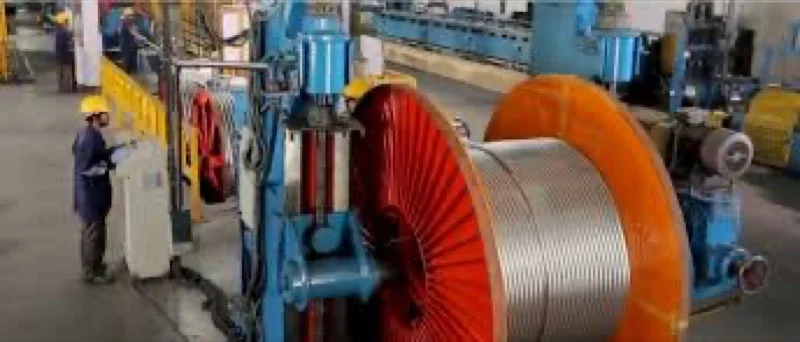 LiveAPAR Industries · Factory · 720 kW / 500 kWh battery
A factory whose process lines keep running through every dip in power.
- <1 ms
- response when the load jumps or the grid dips
- Zero
- gaps in power to the production lines
- End to end
- battery, PCS, controls and installation by one team
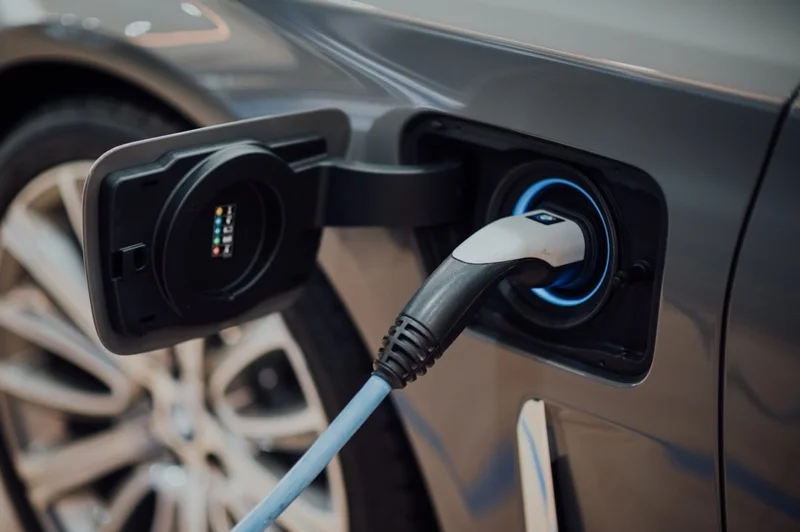 LiveEV charging hub · 260 kW / 580 kWh battery · India
Electric buses and cars keep charging, even when the grid is gone.
- 2.5×
- charging power from the same grid connection
- 1 s
- battery and PCS data, cell by cell
- Grid outage
- buses and cars still charge off the battery
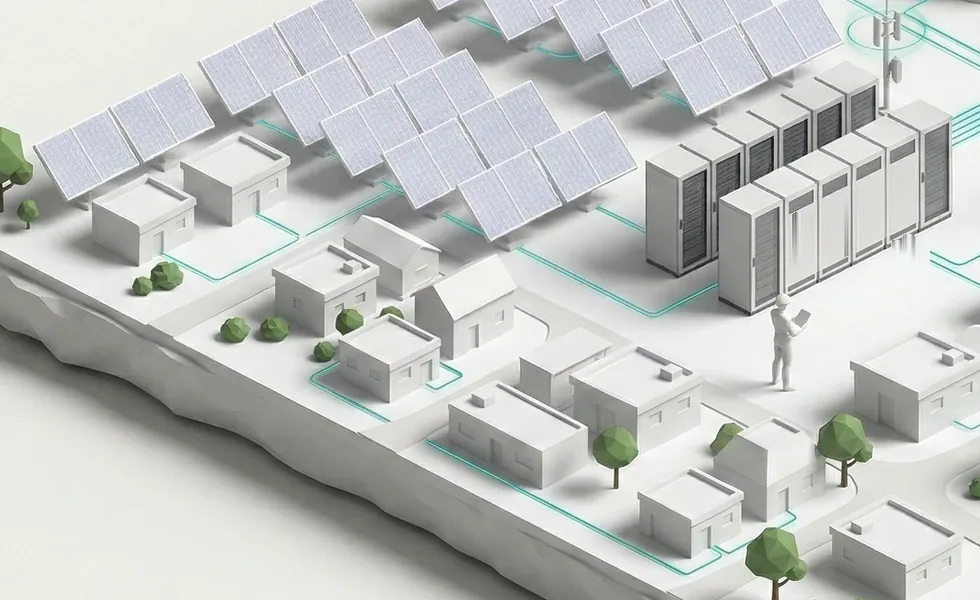 UnderwaySolar + battery micro-grid · Melghat, Maharashtra
A village without a grid. A solar and battery micro-grid that powers it.
- Village
- no grid connection
- Black start
- from standstill, no outside source
- 820
- homes on solar and battery
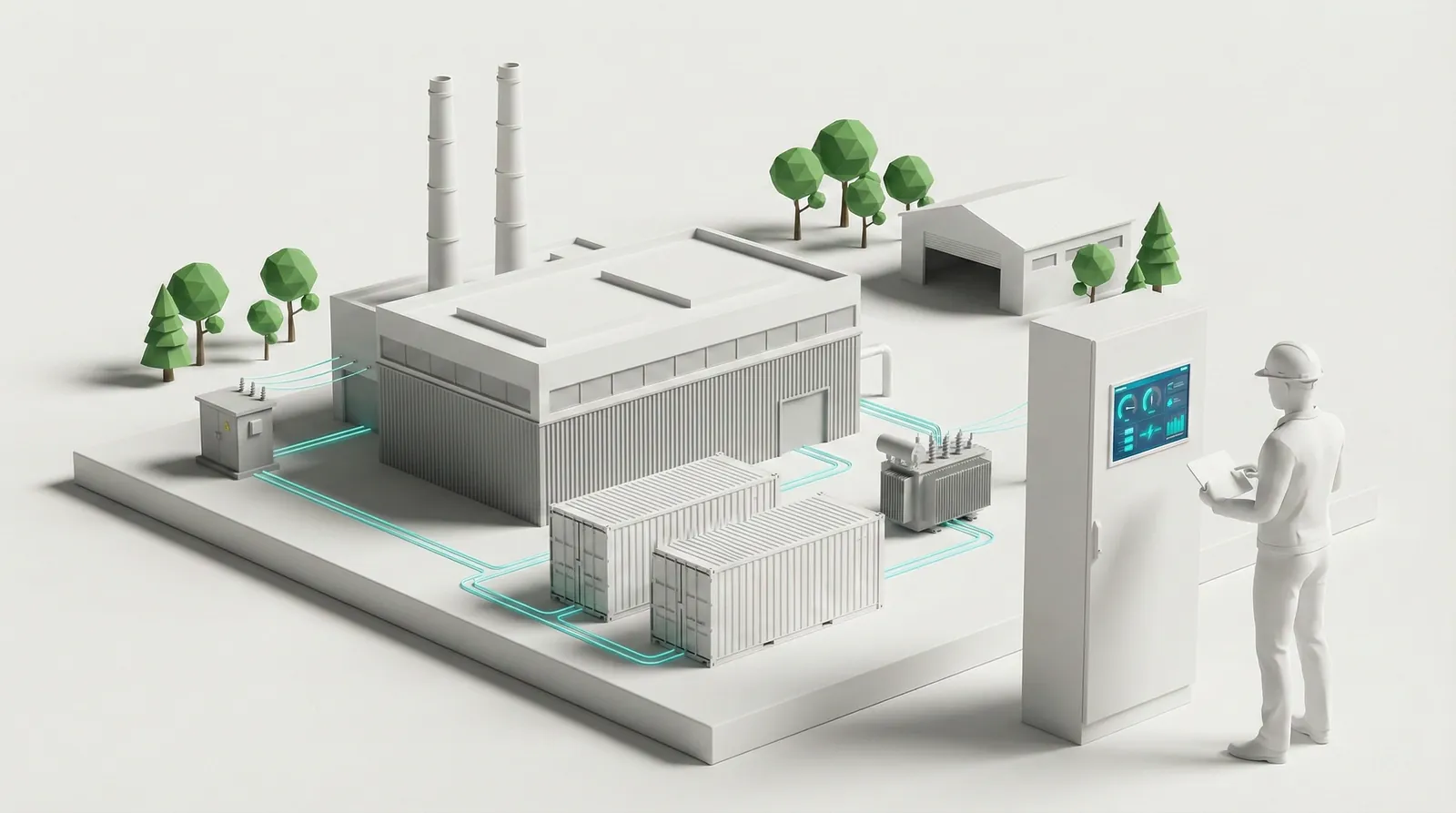 In testingIndustrial battery plant · Pune · 2.5 MW / 10 MWh
Two battery containers, two vendors, two languages. One EMS runs them as one plant.
- 2
- container makes, each with its own BMS protocol
- 1
- PCS and one EMS across both
- Hot-swap
- take a container out for service, plant keeps running
Tell us about your plant
Send what is on your bill and we give you free expert advice on your plant: an Ingro engineer checks your billing demand against the floor, finds the overlap that sets it, and tells you whether a battery, a cheaper step or both make sense. If it does, we work out the complete solution and our team takes care of the rest: design, any maker's battery, installation, help with the approvals, commissioning, Ingro EMS and O&M. Your last twelve bills and the meter's 15- or 30-minute data make the answer sharper.
What happens next: we reply within one working day, by phone or WhatsApp. No site visit is needed at this stage, and there is nothing to pay.