Solar and battery backup for a college or school campus outside the city: exams, hostels and the diesel bill
Your campus is 20 to 60 km out of the city, on a feeder it shares with villages and farm pumps. The cuts are long, the voltage dips, the DG runs for hours, and the rooftop solar you put up goes dark the moment the grid does. This page is for the chairman, secretary and trustees of a private college or residential school, the principal of a government or aided one, and the estate or electrical in-charge who does the legwork. It covers what must not drop on an exam day, the hostel at night, the diesel in rupees and litres, the approval route, and when a battery (BESS) is not worth it. It is written for campus systems of roughly 50 kW and up.
Reviewed 16 November 2026 by Ingro Energy's project team
The short answer
- A unit from your DG costs about ₹30 in diesel alone. A unit stored in a battery from the grid costs about ₹11, and less when it comes from your own roof. On a campus with long daily cuts, that gap is what pays for the battery.
- Rooftop solar on its own does not help in a cut. Grid-tied inverters must stop within two seconds of the grid failing, under the CEA's connectivity rules. With a battery that holds up the campus supply, the solar keeps running through the cut and recharges the battery.
- Back up what must not stop, not everything: the computer centre and exam labs, the server and network, hostel lights, fans and water pumps at night, the mess cold room. Leave the hostel and staff-room air conditioners on the DG or off.
- In the worked example below, a campus burning 1,500 litres a month saves about ₹9.2 lakh a year and pays back in about 4.9 to 7.5 years. The calculator shows which side your campus is on.
- It is not worth it if the DG runs only a few hours a month, if cuts last the whole day with no solar to recharge, or if the campus stands empty for most of the cut season.
Your electricity bill and your diesel register: what the campus really pays
Colleges and schools are not billed as factories or shops. Each state puts them in a category of their own, and the name is the first thing to find on your bill. In Maharashtra, education institutes are billed under "Public Services", a category MERC created in 2012 for both HT and LT supply. In Tamil Nadu, educational institutions and the hostels they run are billed under HT Tariff II (II-A and II-B), not the commercial HT Tariff III, as a 2024 Madras High Court judgment records. In Karnataka, HT hospitals and educational institutions share a category; the 2024-25 tariff order also allowed a rebate of 30 paise a unit for LT private hospitals and educational institutions in village panchayat areas, which many rural campuses are in.
The second bill is the diesel. A campus on a long-cut feeder buys diesel every week in the cut-heavy months, and the purchase register or DG log book shows the litres. At ₹95 a litre and about 3.2 units per litre, a DG unit costs about ₹30 before servicing, oil and the operator's time.
| Where the unit comes from | Cost per unit to the campus |
|---|---|
| DG set (diesel only) | about ₹30 |
| Battery, charged from the grid | about ₹11 |
| Battery, charged from your rooftop solar | lower still |
A campus DG often runs lightly loaded at night, carrying hostel lights and a pump. That gives fewer units per litre than the figure above, so your real diesel cost per unit is probably higher, not lower.
Why a campus outside the city gets the long cuts and the dips
A campus out of town is usually fed from a long 11 kV line that also serves villages and agricultural pumps. A fault anywhere on that line, scheduled maintenance, or load-shedding on the rural side takes your supply with it, and the voltage sags in the evening when the whole feeder loads up. Lab equipment, computer UPS units and pump starters trip on those dips even when the grid has not technically failed.
Write down three things before talking to anyone: how many hours of cuts on a normal day, when in the day they fall (daytime cuts can be bridged by solar; evening and night cuts cannot), and how many months a year are like that. Those three numbers decide the battery size more than anything else on campus.
If you take HT supply, ask the DISCOM whether an express or dedicated feeder is possible. Where it is, it may cut the outages at source; the cost and conditions differ by state and are worth one letter before you size backup for the worst case.
Why your rooftop solar stops in a power cut, and how a battery keeps it running
Many campuses put up rooftop solar to cut the bill, and then find it reads zero in every cut, even at noon. That is by design. The CEA's Technical Standards for Connectivity of Distributed Generation Resources (2013, amended 2019) require every grid-connected solar plant to have protection that stops it "contributing to the formation of an unintended island" and makes it cease to energise the network within two seconds. This is anti-islanding: it protects linemen working on a line they believe is dead.
A battery changes this. Its inverter (the PCS) can disconnect the campus from the grid and hold up the campus supply itself. The solar inverters then see a healthy supply and keep running, the battery soaks up any surplus and covers any shortfall, and the DG stays off or starts only if the battery runs low. On a campus with long daytime cuts, the roof becomes the battery's recharge source, so a modest battery can ride through a cut far longer than its size suggests.
Who powers the campus, minute by minute
The solid arrow is what is carrying the load. The dashed arrow is the DG waiting as backup.
This needs a proper changeover at the main panel so the campus is cut off from the grid before the battery takes over. Ask to see that design, and the DISCOM's approval for it, before you sign.
Exam days: which loads must not drop
An online exam, a university practical or a CBT session that stops halfway is the failure the management hears about. The usual set-up is a UPS for each lab that lasts minutes, and a DG that takes a minute or more to start and switch over. If the cut comes at a bad moment, or the DG fails to start, the UPS runs out. List the loads that must ride through without a blink:
- The exam lab computers, the exam server and the local network: switches, Wi-Fi access points, the internet router and its link equipment.
- Lab lights and fans, and the air conditioning in a closed lab or server room that overheats within minutes without it.
- CCTV recording, biometric attendance and the invigilators' room, where the exam calls for them.
- Practical-lab equipment that cannot restart mid-experiment, and the drawing hall or design studio if work is on the computers.
A battery on these circuits switches over fast enough that the lab UPS units hardly notice the cut, and it holds the load for hours instead of minutes. Exam agencies and universities set their own requirements for centres; ask yours for the current written norms and show them to whoever sizes the system. Test the whole chain, grid off with a full lab running, before the first exam, not on the day.
The hostel at night: what to carry, and what to leave on the DG
After dark the solar is gone and the cuts that matter most are the ones that leave hundreds of students without lights, fans or water. The hostel night load is mostly small and steady, which suits a battery well: corridor and room lights, ceiling fans, phone and laptop charging, Wi-Fi, security and street lighting, the warden's office, and the mess cold room and refrigerators.
Water is the big one. Borewell and transfer pumps filling the overhead tanks have heavy starting currents. The cheaper answer is to pump in the daytime, on solar or the grid, and fill the tanks before evening, so the battery carries the pumps rarely or not at all at night. Where a pump must run at night, the PCS is sized for its start, or a soft starter or drive is fitted.
Do not try to back up every hostel and staff-quarters air conditioner. A few hundred ACs at night can be larger than the rest of the campus put together. Carry them on the DG, or not at all, and size the battery for the essential load.
Work it out from your diesel register
Four numbers from the diesel register or DG log book: litres in a normal month with cuts, DG hours on a normal day, the diesel price you pay, and how many months a year are like that. Use your own register, not a vendor's estimate of it, so the trust or the department can check every figure.
Work it out from the campus diesel
Four numbers from the diesel register or DG log book. Nothing is sent anywhere until you ask us to check it.
Enter the campus's diesel litres and DG hours to see the figures.
How this is worked out
- A DG set makes about 3.2 units per litre of diesel.
- Grid power costs about ₹9 a unit, and a battery gives back about 85% of what it takes in.
- The battery is sized to carry one normal day's DG running on one charge.
- Installed cost is taken as ₹25,000 to ₹38,000 per kWh for a battery under 250 kWh, and ₹20,000 to ₹30,000 per kWh above that, before GST. Small systems cost more per kWh. This is a working range, not a quote.
- Rooftop solar recharging the battery and DG servicing saved are not counted, so the real saving is usually higher.
- This is a first estimate. Pump starting loads, your exam-lab load, your tariff category and your solar are checked before anyone gives you a price.
Get the figure for your campus
Leave your name and number. We call back with the size, cost and payback for your campus.
Tell us about your campus ↓An example campus, worked in rupees and per student
This is an illustration, not a real campus. Its inputs: an engineering college of 1,500 students with 600 hostel beds; the DG carries the hostels, labs, computer centre and pumps through about 4 hours of cuts on a normal day, burning 1,500 litres a month for 10 months a year; diesel at ₹95 a litre. The figures come from the same sums as the calculator above.
- Diesel today: about ₹1.4 lakh a month, about ₹14 lakh over the 10 months.
- The DG makes about 4,800 units a month, an average of about 40 kW while it runs. Battery to carry a normal day's cuts: about 180 kWh.
- Installed cost: about ₹45 lakh to ₹68 lakh before GST.
- Diesel saved: about ₹9.2 lakh a year, roughly ₹610 per student a year.
- Payback: about 4.9 to 7.5 years, on diesel alone.
Not counted: rooftop solar recharging the battery in daytime cuts instead of the grid, which lowers the cost of every stored unit; DG servicing and overhauls pushed further apart; and the exam that did not stop. Each of these moves the real answer in the campus's favour.
Change any input and the answer moves a lot. A campus with fewer cut hours saves less; one whose DG also carries air conditioners burns more diesel but needs a much bigger battery.
Vacations, Sundays and the solar surplus
A campus is not a factory. In the summer and winter vacations the hostels empty, the labs close and the load falls to security lights, pumps and a few offices. Two things follow.
First, the battery idles. Its saving comes from the months the campus is full and the cuts are long, which is why the calculator asks for months a year rather than assuming twelve. If your worst cut months coincide with the summer vacation, the battery's case is weaker than the diesel register for the whole year suggests.
Second, the roof keeps making power for an empty campus. What happens to that surplus depends on your metering. Under net metering the exported units are credited against later bills; how long the credit lasts and what happens at the end of the year differ by state. Maharashtra's regulations carry the surplus forward and buy what is left at year end; Rajasthan's 2021 regulations let non-domestic surplus lapse at the end of the billing period; Gujarat's 2026 regulations cap the adjustment for non-residential net metering at 30% of the units drawn in the billing cycle. Net-metering size limits also apply: up to 5 MW or your contract demand in Maharashtra (2023) and up to 1,000 kW in Karnataka (2026).
A battery is a poor way to save vacation surplus: it fills in a day and then sits full for weeks. If your net metering already credits all your surplus at the full rate, the battery's solar value is small and its case rests on backup and diesel. Get net metering in place first; it is the cheaper step.
Subsidies and schemes: what actually applies to a college or school
PM Surya Ghar: Muft Bijli Yojana gives central financial assistance for rooftop solar on households and on the common facilities of housing societies and RWAs. It is not a scheme for private colleges or schools, so do not plan on that subsidy for the campus.
For government buildings, MNRE's guidelines under the same programme call for rooftop solar on central and state government buildings, including their autonomous bodies, to the maximum extent technically feasible. No central financial assistance is given for these: the solar is put up through public sector companies, either owned by them with the building buying the power for 10 to 25 years, or as a turnkey job paid for by the department. A government college should ask its department whether its buildings are already on that list before tendering separately.
For AICTE-approved institutions, the Approval Process Handbook 2024-27 lists "installation of grid connected solar rooftops/ power systems" among the desirable requirements of a technical institution. It is not mandatory, but it is something the management can point to.
No central scheme we know of pays for the battery itself on a campus. If a state scheme or a DISCOM programme offers one, get it in writing with its current terms before counting it in the payback.
The approval route: trust, governing body or department
For a private college or school, a spend of this size normally needs a resolution of the trust or society that runs it, and sometimes of the college's governing body as well; check your trust deed and bye-laws for who may approve it and from which fund. Put three figures in the agenda note, each traceable:
- The cost, from two or three turnkey quotations listing the same scope (battery kWh, PCS kW, which loads, solar integration, the changeover and the maintenance years), so they compare line by line.
- The yearly saving, from the last twelve months of the diesel register, worked as in the calculator, and the payback set against the battery warranty.
- What it protects: exam days, hostel water and lights, and the solar that now runs in a cut. Write these down, but do not count them as rupees.
For a government or aided institution the route is longer. The principal puts up the proposal; the department (technical education, higher education or school education, depending on the institution) gives administrative and financial sanction; the work is then tendered, sometimes through the PWD or the state's electrical wing. Central ministries and departments must buy goods and services that are listed on the Government e-Marketplace (GeM) through GeM, under Rule 149 of the General Financial Rules 2017; state institutions follow their own state's procurement rules. Ask the department early which route applies, because it decides the timeline more than the engineering does. Some trusts also approach companies for CSR funding; whether a project qualifies is for that company's CSR committee to decide.
The DG stays; where the battery stands
Keep the DG. A battery is sized for the cuts you get on most days; the DG stays for the cut that lasts all day, the cloudy week and the breakdown, and then runs far fewer hours. Fire pumps and anything the fire system depends on stay on whatever backup the fire design calls for; do not move them to a battery without your fire consultant agreeing.
Use lithium iron phosphate (LFP) cabinets with their own battery management, cooling and fire detection. The usual place is beside the DG room or main electrical room, on a plinth, ventilated, out of direct sun, away from hostel blocks, classrooms, staircases and the playground, and where a fire tender can reach it. Settle the spot at the site visit, before any price is final.
Cost and battery life, in brief
As a working range, an installed system costs about ₹20,000 to ₹35,000 per kWh of battery before GST, more per kWh for small systems; what is in a turnkey price is set out in the battery cost guide. Compare warranties in years, cycles and capacity left at the end, not just the price. A campus battery cycles mostly in the cut months and rests in the vacations, so ask how the warranty treats calendar years as well as cycles. For the head-to-head with diesel, see battery or diesel generator.
When a battery is not worth it for a campus
- Your DG runs rarely. If the register shows little diesel in a month, there is little to save and the battery sits idle.
- Cuts last the whole day and there is no solar. The battery would be huge, it cannot recharge, and the DG runs anyway.
- The campus is empty in the cut season. If your long cuts come mainly in the summer vacation, the battery saves little diesel where it counts.
- Management wants every hostel room and staff quarter air-conditioned on backup. The battery grows far faster than the saving; carry the essential load first.
- Net metering already credits all your solar surplus at the full rate and the cuts are short. The battery's solar value is small; a good online UPS for the exam labs may be all you need.
In the second and third cases, a smaller battery for the exam labs and hostel essentials, with rooftop solar to recharge it, usually makes more sense than a large battery sized for the whole campus.
Turnkey: one team from the first check to the last service visit
You do not need to find a battery maker, an inverter supplier, an electrician and a maintenance firm and make them agree. Ingro takes the campus project end to end: it works out which loads to carry from your diesel register and single-line diagram, designs the system with your solar, supplies the battery from any maker with Ingro EMS, installs and commissions it, carries out the civil and electrical works, helps you with the DISCOM and electrical inspector approvals, tests it with a full exam lab, and maintains it for the long term.
It starts with the form below: tell us about the campus, and an engineer comes back with free advice on your case. If a battery is not worth it for you, we say so.
What to ask before you sign
- Exactly which loads does it carry (exam labs, server, network, hostel lights and fans, which pumps, mess cold room), and for how many hours on one charge?
- Will the rooftop solar keep running in a cut, and how is the campus isolated from the grid while it does? Is the DISCOM's approval for that arrangement included in your scope?
- Will you show us a grid-off test at handover with a full exam lab running, and the DG starting only when the battery runs low?
- How do the borewell and transfer pumps start on the battery without tripping the inverter?
- What is the warranty in years and cycles, how does it treat the vacation months, and what capacity is promised at the end?
- Where will the cabinet stand, what fire detection and spacing does it come with, and has our fire consultant seen it?
- Is the maintenance contract in the trust's or the institution's name for the whole warranty period, who do we call, and how fast do they reach a campus this far out?
Useful next
- What a battery system costs in India
- Battery or diesel generator: the comparison
- Rooftop solar that switches off in a cut: the factory guide
- BESS cabinets sold in India, with their specifications
- PCS (battery inverters) that can form a local grid
- Solar inverters sold in India
- Online UPS systems sold in India
- Hospitals: the same question for essential panels
- Turnkey battery systems: design to O&M from one team
Questions trusts and principals ask
We already have rooftop solar. Why does it stop when the power goes?
Grid-connected inverters must stop within two seconds of the grid failing, under the CEA's connectivity standards, so they do not feed a line someone may be working on. With a battery holding up the campus supply, the solar keeps running through the cut.
Can a battery keep an online exam or CBT lab running through a cut?
Yes, if the lab computers, server, network and lab air conditioning are on the battery's circuits and the changeover is fast enough for the lab UPS units to ride through. Test it with a full lab before the first exam, and check your exam agency's own centre requirements.
Does PM Surya Ghar cover solar or a battery for our college?
No. PM Surya Ghar's subsidy is for households and the common facilities of housing societies and RWAs. Government buildings have a separate programme with no central subsidy. No central scheme pays for the battery.
Can the battery run the hostel air conditioners at night?
It can, but the battery and its cost grow very fast. Most campuses carry hostel lights, fans, water and Wi-Fi on the battery and leave the ACs on the DG or off.
What happens to the battery in the vacations?
It mostly rests, and so does its saving. That is why the calculator counts only the months with cuts and a full campus. Ask how the warranty treats calendar years as well as cycles.
We are a government college. How do we buy this?
Through your department's sanction and a tender, sometimes via the PWD. Central ministries and departments must buy items listed on GeM through GeM; state institutions follow their state's procurement rules. Ask first whether your buildings are already in the government rooftop solar programme.
Sources
- CEA (Technical Standards for Connectivity of the Distributed Generation Resources) Regulations, 2013, as amended 2019: Regulation 11(6)(e), anti-islanding within two seconds
- MSEDCL Commercial Circular No. 203 (2013): "Public Services" category in LT and HT, applicable to education institutes (MERC order, Case No. 19 of 2012)
- Madras High Court, W.P. No. 6804 of 2024 (8 Apr 2024): educational institutions and their hostels under HT Tariff II, Tamil Nadu
- KERC press note, revision of tariff for FY 2024-25: HT hospitals and educational institutions; 30 paise rebate for LT private institutions in village panchayat areas
- MERC (Grid Interactive Rooftop Renewable Energy Generating Systems) Regulations, 2019, Maharashtra
- MERC, Statement of Reasons, First Amendment to the rooftop regulations (2023): 5 MW net-metering cap
- KERC (Grid Interactive Distributed Solar Photovoltaic (DSPV) Plants) Regulations, 2026, Karnataka
- SolarQuarter (Nov 2026): GERC 2026 distributed renewable energy regulations, Gujarat
- CBIP summary of the RERC Grid Interactive Distributed RE Regulations, 2021, Rajasthan
- PIB / MNRE, Aug 2024: PM Surya Ghar central financial assistance (households, GHS/RWA)
- Mercom India, 5 Jul 2024: PM Surya Ghar to cover government buildings; no central financial assistance
- AICTE Approval Process Handbook 2024-25 to 2026-27: clause 6.54(h), grid-connected solar rooftops as a desirable requirement
- General Financial Rules 2017 (amended to 31 Jul 2024), Rule 149: procurement through GeM
Sites that have benefited from battery storage
Different sites, same idea: use more of your own renewable power, cut the electricity bill, and keep running when the grid cannot keep up.
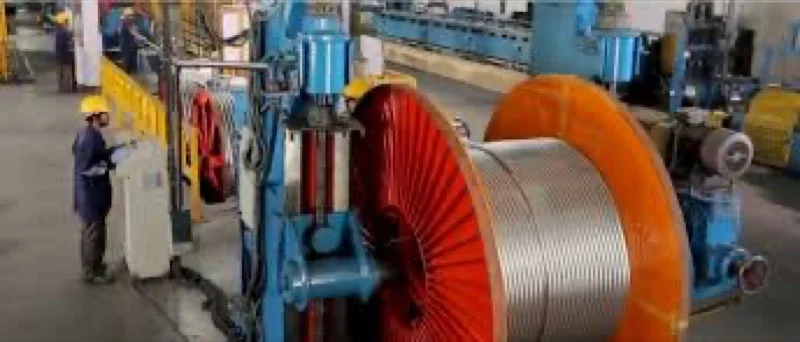 LiveAPAR Industries · Factory · 720 kW / 500 kWh battery
A factory whose process lines keep running through every dip in power.
- <1 ms
- response when the load jumps or the grid dips
- Zero
- gaps in power to the production lines
- End to end
- battery, PCS, controls and installation by one team
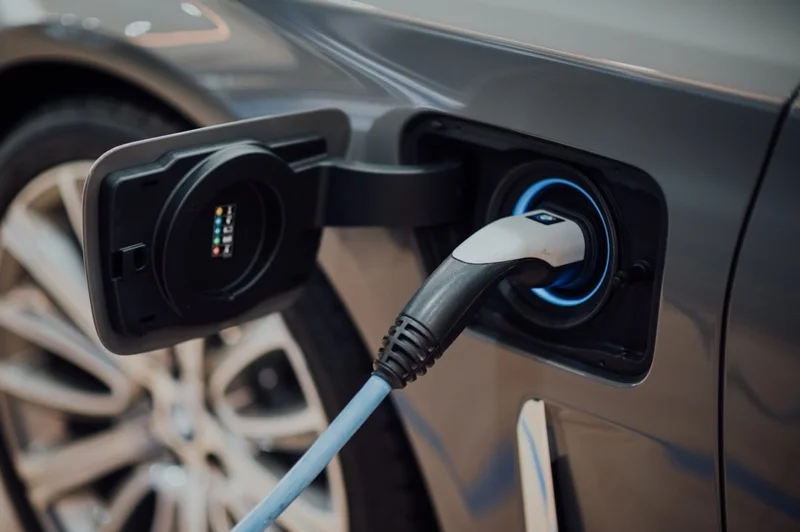 LiveEV charging hub · 260 kW / 580 kWh battery · India
Electric buses and cars keep charging, even when the grid is gone.
- 2.5×
- charging power from the same grid connection
- 1 s
- battery and PCS data, cell by cell
- Grid outage
- buses and cars still charge off the battery
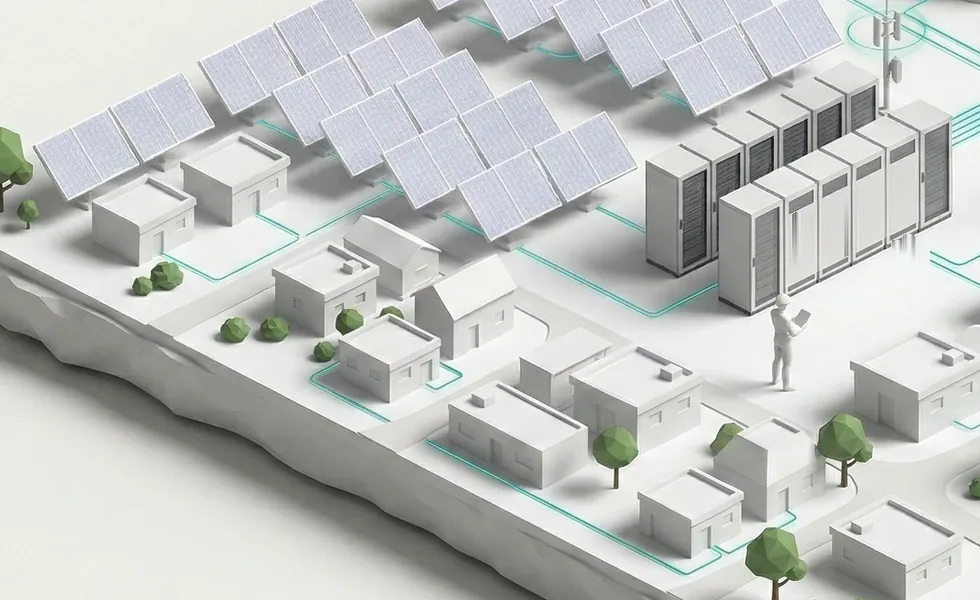 UnderwaySolar + battery micro-grid · Melghat, Maharashtra
A village without a grid. A solar and battery micro-grid that powers it.
- Village
- no grid connection
- Black start
- from standstill, no outside source
- 820
- homes on solar and battery
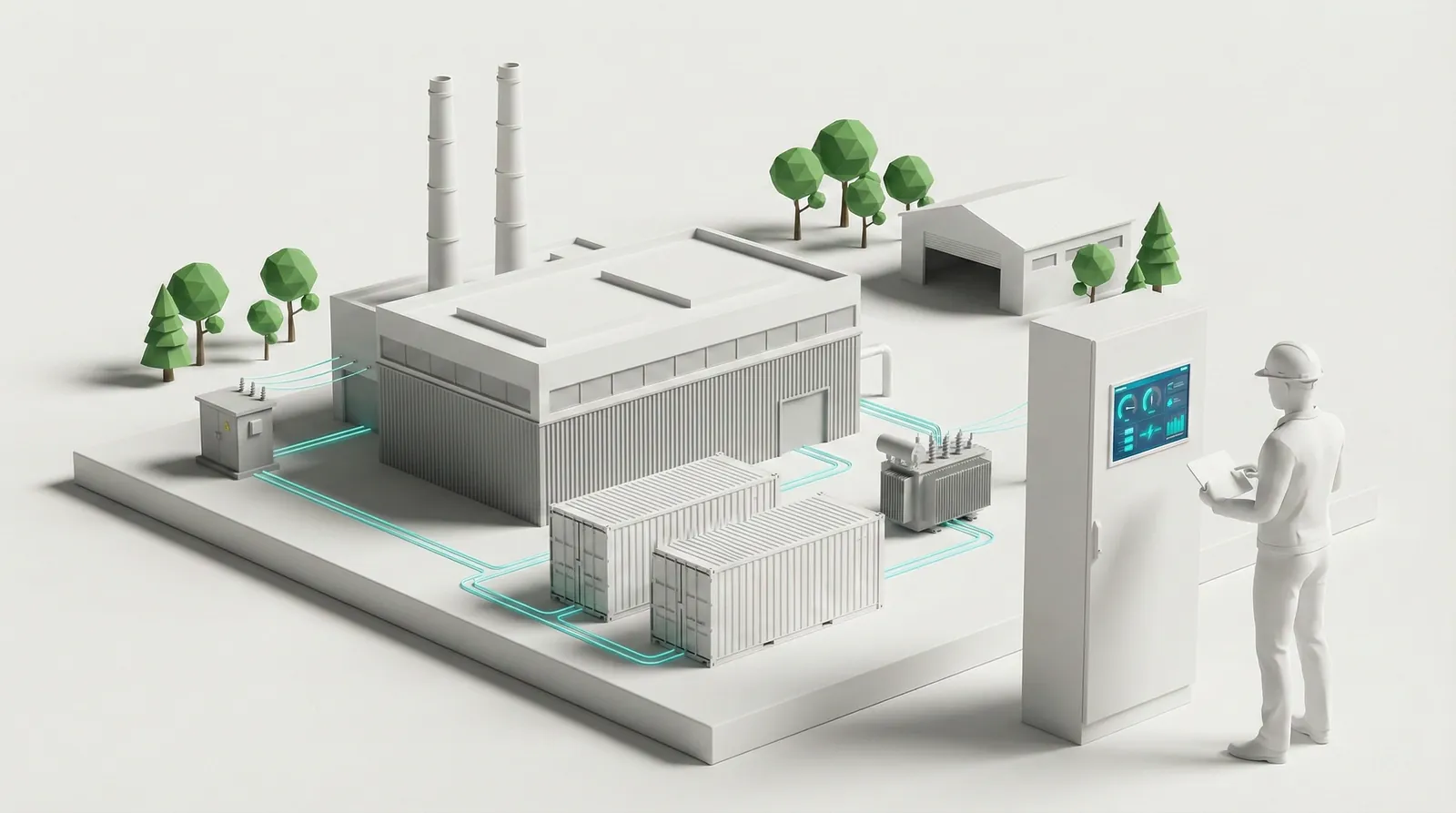 In testingIndustrial battery plant · Pune · 2.5 MW / 10 MWh
Two battery containers, two vendors, two languages. One EMS runs them as one plant.
- 2
- container makes, each with its own BMS protocol
- 1
- PCS and one EMS across both
- Hot-swap
- take a container out for service, plant keeps running
Tell us about your campus
Send what you know. An Ingro engineer gives you free advice on your campus: which loads a battery should carry, how it works with your solar, and the size, cost and payback, in a form you can put to the trust or the department. If you go ahead, our team takes care of the rest, from site assessment and design to installation, help with the approvals, commissioning and O&M.
What happens next: we reply within one working day, by phone or WhatsApp. No site visit is needed at this stage, and there is nothing to pay.