Solar and battery for a government district hospital or CHC: which fund pays, how it is bought, and who keeps it running
Your district hospital, or the CHCs and PHCs under your block, sit on rural feeders with long cuts. The DG covers the labour room, the newborn unit, the OT and the cold chain, when there is diesel for it. This page is for the medical superintendent, the CMO or CMHO, the district programme manager and the district health society that has to propose, fund and approve the work. How a battery fits between the UPS and the DG is the same in any hospital, and our hospitals guide covers it. What is different for you is who decides, which pot of money pays, how it is tendered, and who maintains it for the next five to ten years. That is what this page covers, with a worked example for a district hospital.
Reviewed 16 November 2026 by Ingro Energy's project team
The short answer
- The standards already ask for it. The 2022 Indian Public Health Standards ask district hospitals, CHCs and PHCs to have a plan for renewable energy with battery backup during storms, floods or blackouts, and backup from a second source such as a DG or solar.
- The usual money for a district is the NHM PIP, under the climate change and health programme (NPCCHH). Its 2026-28 guidance note gives planning figures of ₹15 lakh for a PHC, ₹40 lakh for a CHC and ₹70 lakh for a district hospital for off-grid solar with a battery, and asks for a five-year O&M component in the proposal. The state's renewable energy agency carries out the work.
- The 15th Finance Commission health grants cannot be used for solar panels: their guidelines put them on the negative list. Plan on the PIP, the state budget for a new block, or CSR.
- On money, a DG unit costs about ₹30 in diesel and a unit stored from the grid about ₹11. In the worked example, a district hospital burning 4,000 litres a month saves about ₹29 lakh a year and pays back in about 3.3 to 4.9 years.
- It is not worth it where the supply is good, or where no one will pay for maintenance after the first year. A system nobody maintains ends up like the DG that has no diesel.
Who decides, and why this is not a private hospital's purchase
In a private hospital the owner signs. In the public system the decision passes through several hands, and each wants something different:
- The medical superintendent or facility in-charge, who lives with the cuts: the delivery at night, the newborn warmer, the vaccine refrigerator, the OT that cannot wait for the DG.
- The district nodal officer for climate change and health, who under the NPCCHH guidance puts up the solar proposal for facilities from PHC upwards.
- The district programme management unit and the district health society, which put the activity into the district health action plan with a budget.
- The state's renewable energy development agency (REDA), which under the same guidance assesses the facility, carries out the work and holds the O&M.
- The state health department and NHM mission directorate, and for a new block the health infrastructure corporation or PWD, which design and build.
So the first useful thing is not a battery quote but a proposal that each of these people can approve: a load list, a first size, a cost against the planning figures, and an O&M plan. For how the battery works with your UPS, essential panels and DG, read our hospitals guide. For solar that stops in every cut, read the hospital-with-solar guide.
What the public health standards say about backup, by facility level
The Indian Public Health Standards (IPHS) 2022 are the reference every facility is assessed against. On power, the three volumes say much the same at each level, with some differences that matter for a proposal:
| Facility | What IPHS 2022 says on power |
|---|---|
| District and sub-district hospital (Vol. I) | A plan for renewable energy with battery backup during storms, floods or blackouts. Backup from another source, such as DG or photovoltaic, in synchronisation with the main supply. Uninterrupted supply in the most important places. |
| CHC (Vol. II) | The same renewable-energy-with-battery plan and synchronised backup. A standby power backup facility is listed as essential, as is a 5 kVA generator with fuel for the immunisation cold chain. Power through solar panels is listed as desirable. |
| PHC (Vol. III) | Power backup or an inverter so that services and the vaccine and diagnostics cold chain are not disrupted; the immunisation room is to have adequate power backup. Backup from DG or photovoltaic in synchronisation with the main supply. |
Quote these lines in your proposal. A gap against IPHS is a reason a district plan can give for the spend, and the standards themselves name solar with a battery.
The diesel the hospital cannot always buy
A government hospital's DG problem is often not the price of diesel but whether anyone pays for it. In April 2026 a six-hour cut stopped the lab, X-ray and ICU monitors at Ratlam's district hospital; the backup generator had been out of use for nearly a year, and the civil surgeon said the government had not paid for diesel for a year and there was no budget for generator maintenance.
Where diesel is bought, the cost per unit is high. At ₹95 a litre and about 3.2 units per litre, a DG unit costs about ₹30 before servicing and the operator. A battery charged from the grid gives back about 85% of what goes in, so with grid power at about ₹9 a stored unit costs about ₹11, and less when it is charged from the hospital's own solar.
| Where the unit comes from | Cost per unit |
|---|---|
| DG set (diesel only) | about ₹30 |
| Battery, charged from the grid | about ₹11 |
| Battery, charged from the hospital's solar | lower still |
Take the litres from the DG log book or the diesel purchase register for the last twelve months. That record is also what the district health society will ask to see.
Work it out from the DG log book
Four numbers from the facility's DG log book or diesel register. Nothing is sent anywhere until you ask us to check it.
Enter the facility's diesel litres and DG hours to see the figures.
How this is worked out
- A DG set makes about 3.2 units per litre of diesel.
- Grid power costs about ₹9 a unit, and a battery gives back about 85% of what it takes in.
- The battery is sized to carry one normal day's DG running on one charge.
- Installed cost is taken as ₹25,000 to ₹38,000 per kWh for a battery under 250 kWh, and ₹20,000 to ₹30,000 per kWh above that, before GST. This is a working range, not a quote.
- DG servicing saved, solar recharging and O&M costs are not counted.
- This is a first estimate. Which panels the battery carries, motor starting, your tariff and your funding route are checked before any proposal.
Get free advice for your facility
Leave your name and number. We call back with a size, cost and payback, and what the proposal needs.
Tell us about your hospital or facilities ↓Which pot of money pays
This is the question that decides whether anything happens. The main routes, and what each one allows:
| Fund | What it covers for solar and a battery |
|---|---|
| NHM PIP, NPCCHH (green and climate resilient healthcare) | Solar for facilities from PHC upwards. The 2026-27 and 2027-28 district guidance gives planning figures for off-grid solar with battery and inverter: ₹15 lakh a PHC, ₹40 lakh a CHC, ₹70 lakh a district hospital. It allows an O&M contract of up to 2 to 3% of the estimated solar cost, and battery replacement for existing off-grid systems. |
| State budget for a new or upgraded block | A new critical care block or hospital building is designed by the state. The PM-ABHIM critical care block guidelines ask for the building to be environment friendly with scope for solar energy wherever appropriate, so ask for solar and battery space and wiring in the design, not after it. |
| 15th Finance Commission health grants | Not for solar. The health ministry's guidelines for these grants list "Purchase of Solar panels etc." on the negative list for their components. They ran from 2021-22 to 2025-26. |
| CSR | Allowed and in use. Karnataka's Saura Swasthya programme, with SELCO Foundation, has solarised thousands of health centres with CSR support since November 2024. Whether a project qualifies is for the company's CSR committee to decide. |
| Untied funds and facility corpus | The NPCCHH guidance points recurring costs, such as upkeep, to the facility's untied funds. |
On subsidy: the NPCCHH note says 20 to 30% of a grid-connected system can come from MNRE. MNRE's 2024 rules for rooftop solar on government buildings give no central financial assistance. Ask your state REDA in writing what applies today before counting any subsidy in the proposal. No central scheme we know of pays for a building battery on its own.
The approval route, from the facility to the RoP
Under NHM, plans are built from the bottom up. Block and facility inputs go into the district health action plan, districts' plans are combined into the state PIP, the ministry's national programme coordination committee reviews it, and approvals come back as a Record of Proceedings (RoP), with district RoPs issued from the state's. For solar under NPCCHH, the guidance note adds these steps:
- The facility is assessed for its energy needs with the pre-solarisation assessment tool, by the REDA or the agency installing.
- The district nodal officer sends the proposal to the district office of the REDA, or through the state nodal officer where there is none.
- The state nodal officer sends it to the state REDA, including a five-year operation and maintenance component.
- The cost not covered by any MNRE support is proposed under Infrastructure, civil works, under NPCCHH in the district's PIP.
- If approved, the REDA carries out the work in the district, and the district nodal officer reports progress to the state and to NCDC.
Because the PIP now covers two years at a time, a proposal missed in this cycle can wait a long time. Start with the facility's load list and DG record well before the district plan is due.
How it is bought: REDA, tender or GeM
In the NPCCHH route the state REDA buys and installs; your job is to make sure the scope they tender fits the hospital. Under a state building budget the health infrastructure corporation or PWD tenders it with the building's electrical works. Central ministries and departments must buy goods and services listed on the Government e-Marketplace (GeM) through GeM under Rule 149 of the General Financial Rules 2017; state bodies follow their own state's procurement rules, so ask the department early which applies.
Whichever route, write the tender as one complete package: battery, inverter (PCS), solar where included, the changeover at the main panel, the controller, civil work, approvals, commissioning, training of the facility staff, and the O&M years. A tender that buys panels and batteries as separate items leaves no one responsible when the system does not carry the labour room in a cut.
Ask for the load each system must carry, and for how many hours, to be written into the tender as a test at handover with the grid switched off. That is what the facility will judge it by.
The O&M contract: who keeps it running for five to ten years
Backup that nobody is paid to maintain stops working, as the Ratlam generator shows. When CEEW studied Chhattisgarh's solar-powered PHCs, its lesson for other states was to build robust operation and maintenance services, taking the state agency CREDA as the model. The NPCCHH guidance now asks for a five-year O&M component in every proposal for this reason.
For a battery, ask for the O&M to run at least as long as the battery warranty, so that no year of its warranted life is left without someone responsible. In the contract, write down:
- Who maintains it (by name of firm), for how many years, and at what yearly cost, paid from which budget head.
- Remote monitoring, with alarms going to the contractor and to the facility, and a monthly report of what the system carried and how much DG running it saved.
- A response time for a fault, and how quickly a firm can reach this facility, not the district headquarters.
- Spares, and who pays for a failed module or inverter inside and outside warranty.
- Battery replacement: the NPCCHH guidance budgets lithium-ion replacement for off-grid systems at ₹15,000 per kWh, at a 6 to 7 year life (2025 prices). Ask the bidder what life they warrant and on what terms.
- Training for the facility's electrician or in-charge, and a simple log book of daily checks.
If no budget line exists for O&M after the first years, solve that before the installation, not after. A battery nobody maintains is the same story as a DG with no diesel.
What states have already done
Most public health solar so far is small and at PHC level. Between 2012 and 2016 CREDA put 2 kWp off-grid solar systems on 570 PHCs in Chhattisgarh; CEEW's evaluation of 147 PHCs found that 90% of the solar-powered PHCs reported savings over diesel. Karnataka's Saura Swasthya programme fits 4 to 5 kW systems at PHCs and up to 10 kW at taluk hospitals. SELCO Foundation's Energy for Health programme, with the health ministry and state health missions, set out in 2023 to power 25,000 health facilities in 12 states by 2026.
A district hospital is a different scale. Its essential board runs at tens to hundreds of kW, and the battery that carries it through a cut is hundreds of kWh. Kerala's ANERT tendered a 250 kW / 500 kWh battery for the Government Medical College, Thiruvananthapuram in 2024, which our hospitals guide describes. For a district, this means two separate jobs: a cluster of PHCs and CHCs with small systems, often bundled in one tender, and the district hospital with a battery sized from its own essential board.
A district hospital, worked in rupees
This is an illustration, not a real hospital. A 100-bed district hospital whose DG carries the essential board (OT and ICU air handling, labour room and newborn unit, oxygen plant, blood bank, pumps and lifts) through about 4 hours of cuts a day, 12 months a year, burning 4,000 litres of diesel a month at ₹95 a litre. The figures come from the same sums as the calculator.
- Diesel today: about ₹3.8 lakh a month, about ₹46 lakh a year, if the budget pays for it.
- The DG makes about 427 units a day, an average of about 107 kW while it runs. Battery to carry a normal day's cuts: about 480 kWh.
- Installed cost: about ₹96 lakh to ₹144 lakh before GST.
- Diesel saved: about ₹29 lakh a year. Payback: about 3.3 to 4.9 years, on diesel alone.
That cost is above the NPCCHH planning figure of ₹70 lakh for a district hospital. There are three honest ways to close the gap: carry fewer panels in the first phase (the labour room, newborn unit, OT and ICU air handling, cold chain), combine the PIP with the state's building budget or CSR, or add solar so the battery recharges in daytime cuts and a smaller one does the job. Each is a design choice to settle with the sizing, not a figure to guess.
Not counted: DG servicing pushed further apart, solar recharging, and the cuts in which the DG would not have started at all. In a facility where the diesel is not always paid for, the last one matters most.
When it is not worth it for a public facility
- The supply is good. An urban hospital on a reliable feeder runs its DG mainly for tests; there is little diesel to save.
- No one will pay for maintenance. If there is no O&M in the tender and no budget line after it, the money is better spent on getting the DG and UPS maintained.
- Cuts last most of the day and there is no solar. The battery would be very large, could not recharge, and the DG runs anyway.
- The essential board is not separated from normal loads. Until the panels are split, a battery cannot carry only what matters; the first money should go to that electrical work.
- The facility is a small PHC. A few kW of solar with a small battery, as the state programmes fit, is the right size; a large battery system is not.
In any of these cases we will tell you so, and what we would do instead.
What a turnkey project covers for a public facility
In a turnkey project one team takes responsibility from the load study to the years of upkeep. Ingro designs the system from your essential board and DG record, supplies the battery from any maker together with Ingro EMS, integrates it with your panels, DG and solar, helps you with the approvals, commissions and tests it with the grid off, and maintains it under one O&M contract. For a public facility that also means the paperwork the district needs: a load list, a sizing note and an O&M plan that fit the PIP or tender format. Ingro does not make batteries.
What to ask before you sign or approve
- Which loads does it carry (labour room, newborn unit, OT, ICU air handling, cold chain, oxygen plant, pumps), for how many hours on one charge, and will that be tested with the grid off at handover?
- Is the price for the whole package: battery, PCS, panel changes, civil work, approvals, commissioning, training and O&M? What is outside it?
- Who maintains it, for how many years, at what yearly cost, and how fast can they reach this facility?
- What remote monitoring is included, and who receives the alarms and the monthly report?
- What is the battery warranty in years, cycles and capacity left at the end, and what does replacement cost?
- How does it work with our DG and UPS, and what happens if the battery system itself faults?
- Where will it stand, and has the fire NOC, the oxygen storage and the escape routes been considered?
- Does the proposal fit the PIP or tender format our district uses, with the IPHS lines it answers?
Read next, and see the equipment
- Hospitals: where a battery fits between your UPS and your DG
- Hospital with rooftop solar: why it stops in a cut
- What a battery system costs in India
- Battery or diesel generator: how they compare
- BESS cabinets, with their specifications
- PCS (battery inverters)
- Online UPS systems sold in India
- Turnkey battery systems: design to O&M from one team
Questions superintendents and district officers ask
Can NHM money pay for solar and a battery at our hospital?
Yes, through the district's PIP under the climate change and health programme (NPCCHH). Its 2026-28 guidance gives planning figures of ₹15 lakh a PHC, ₹40 lakh a CHC and ₹70 lakh a district hospital for off-grid solar with battery, proposed by the district nodal officer through the state's renewable energy agency.
Can we use 15th Finance Commission health grants?
No. The health ministry's guidelines for those grants put "Purchase of Solar panels etc." on the negative list. Use the PIP, the state budget or CSR.
Is there a central subsidy for solar on a government hospital?
Do not count on one. The NPCCHH note mentions 20 to 30% from MNRE for grid-connected systems, but MNRE's 2024 rules for government buildings give no central financial assistance. Ask your state agency in writing what applies today. No central scheme pays for a building battery.
Who maintains the system after installation?
Whoever the contract names, for as long as it says. The NPCCHH guidance asks for a five-year O&M component in the proposal. Ask for longer on a battery, with remote monitoring, a response time and a yearly cost paid from a named budget head.
Does IPHS require solar?
IPHS 2022 asks each level to have a plan for renewable energy with battery backup in blackouts, and backup from a second source such as DG or photovoltaic. For a CHC, solar panels are listed as desirable and standby backup as essential.
Can a battery replace the DG at a district hospital?
Plan to keep the DG. The battery takes the routine cuts and the first part of a long one; the DG stays for the long cut. It then runs fewer hours and burns less diesel. How the battery sits with your UPS and essential panels is in our hospitals guide.
Sources
- MoHFW, Indian Public Health Standards 2022, Vol. I: Sub-District and District Hospitals (environment-friendly features; clean electricity)
- MoHFW, Indian Public Health Standards 2022, Vol. II: Community Health Centre (renewable energy with battery backup; 5 kVA generator for cold chain; solar desirable; standby backup essential)
- MoHFW, Indian Public Health Standards 2022, Vol. III: HWC-Primary Health Centre (power backup for services and cold chain)
- NCDC, NPCCHH PIP Guidance Note for Districts, FY 2026-27 and 2027-28 (solar procedure via REDA, five-year O&M, unit costs, battery replacement)
- MoHFW, Technical and Operational Guidelines for FC-XV Health Grants through Local Governments (31 Aug 2021): negative list includes solar panels
- MoHFW / NHSRC, Guidelines on Critical Care Hospital Block under PM-ABHIM (2022): solar energy wherever appropriate
- NTEP, the NHM PIP cycle: DHAP, state PIP, NPCC and Record of Proceedings
- Mercom India, 5 Jul 2024: PM Surya Ghar for government buildings, no central financial assistance
- General Financial Rules 2017 (amended to 31 Jul 2024), Rule 149: procurement through GeM
- Free Press Journal, 12 Apr 2026: six-hour power cut at Ratlam district hospital; generator idle for want of diesel and maintenance funds
- Saur Energy, CEEW study of solar-powered PHCs in Chhattisgarh (147 PHCs; CREDA 2 kWp systems at 570 PHCs, 2012-16; O&M lesson)
- Saur Energy, 11 Dec 2025: Karnataka's Saura Swasthya, solarised health centres with SELCO Foundation and CSR support
- Saur Energy, 10 Apr 2023: SELCO and IKEA Foundation, Energy for Health, 25,000 health facilities in 12 states with MoHFW
- Saur Energy, 23 Sep 2024: Kerala plans BESS at Trivandrum hospital on pilot basis (ANERT, 250 kW / 500 kWh)
Sites that have benefited from battery storage
Different sites, same idea: use more of your own renewable power, cut the electricity bill, and keep running when the grid cannot keep up.
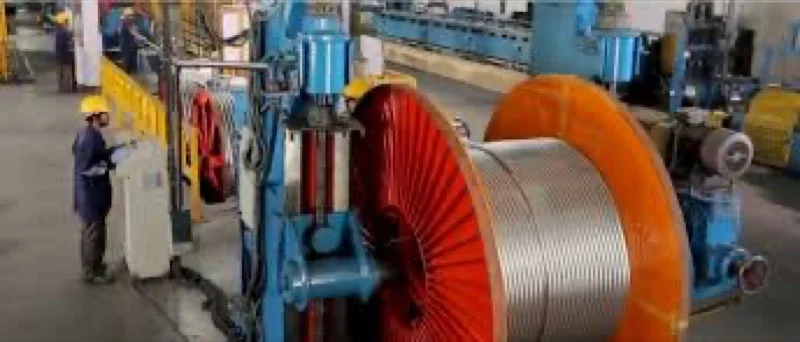 LiveAPAR Industries · Factory · 720 kW / 500 kWh battery
A factory whose process lines keep running through every dip in power.
- <1 ms
- response when the load jumps or the grid dips
- Zero
- gaps in power to the production lines
- End to end
- battery, PCS, controls and installation by one team
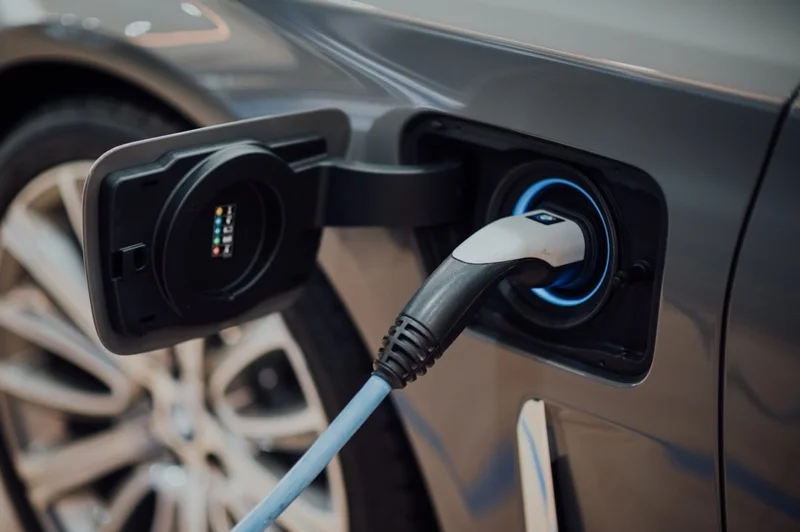 LiveEV charging hub · 260 kW / 580 kWh battery · India
Electric buses and cars keep charging, even when the grid is gone.
- 2.5×
- charging power from the same grid connection
- 1 s
- battery and PCS data, cell by cell
- Grid outage
- buses and cars still charge off the battery
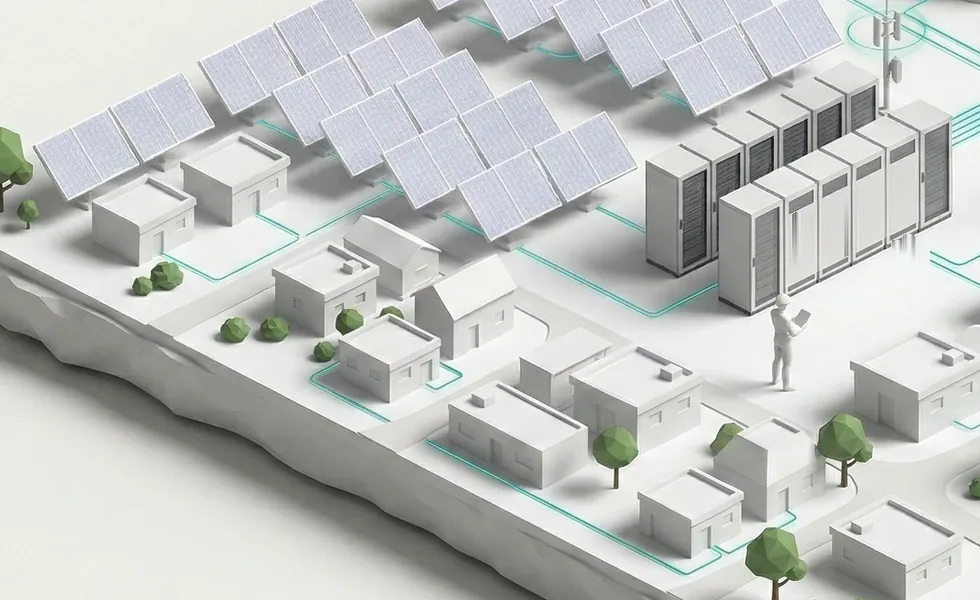 UnderwaySolar + battery micro-grid · Melghat, Maharashtra
A village without a grid. A solar and battery micro-grid that powers it.
- Village
- no grid connection
- Black start
- from standstill, no outside source
- 820
- homes on solar and battery
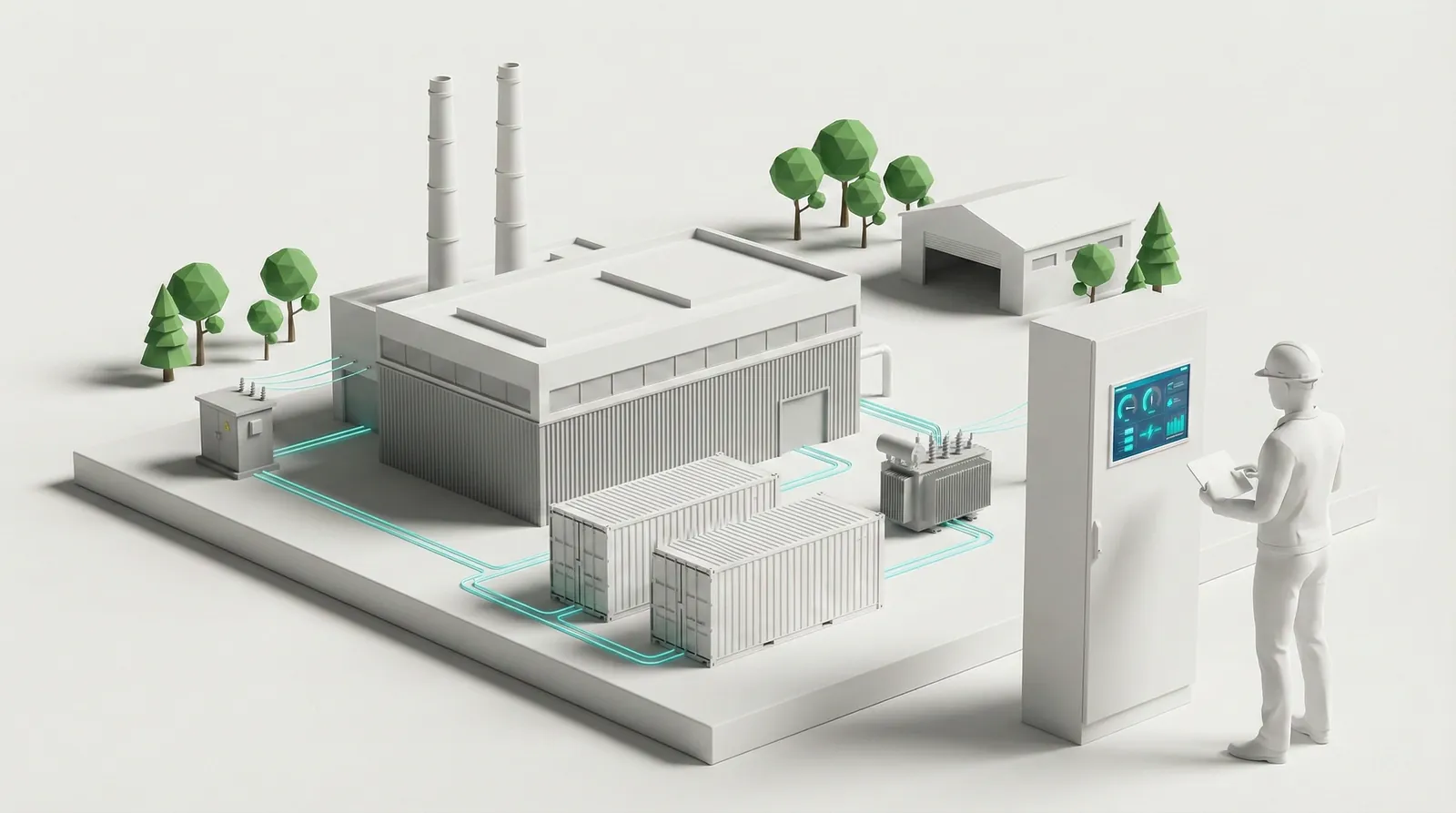 In testingIndustrial battery plant · Pune · 2.5 MW / 10 MWh
Two battery containers, two vendors, two languages. One EMS runs them as one plant.
- 2
- container makes, each with its own BMS protocol
- 1
- PCS and one EMS across both
- Hot-swap
- take a container out for service, plant keeps running
Tell us about your hospital or facilities
Send what you know and get free expert advice on your facility. An Ingro engineer works out the complete solution: which panels to carry, the battery size, the cost against the PIP figures, and the O&M plan, in a form you can put to the district health society. From there our team takes care of the rest: design, equipment from any maker, installation, help with the approvals, commissioning, Ingro EMS and O&M.
What happens next: we reply within one working day, by phone or WhatsApp. No site visit is needed at this stage, and there is nothing to pay.