A battery for a hill resort or heritage hotel: long cuts, a quiet valley, and diesel that comes up by road
Your property sits at the end of one long feeder in Uttarakhand, Himachal, Darjeeling or Sikkim, Coorg or Munnar. When snow, a storm or a landslide brings down a line, the power can be off for a night or for days, the DG thuds through the valley while guests try to sleep, and the diesel for it has to come up the same road that may be blocked. This page is for the owner or the family who run the property, and for the GM of a chain resort who has to take a case to head office. The hotels guide covers how a battery bridges the changeover and what it saves in a city or highway hotel; this page covers what is different in the hills, including when a battery is not the answer.
Reviewed 16 November 2026 by Ingro Energy's project team
The short answer
- A battery takes the everyday cuts and the first hours of a long one without the DG, so the nights stay quiet. It does not replace the DG for a cut that lasts days: keep the DG, and plan for it to run less.
- A unit from your DG costs about ₹30 in diesel at ₹95 a litre, more if you pay to carry diesel up to the property. A grid unit stored in a battery costs about ₹11. Put your own delivered price into the calculator below.
- Where cuts are long and frequent, a battery alone often cannot recharge between them. Solar on the roof to refill it by day is usually what makes it work, and your state's net-metering rules decide how much solar you can connect.
- A small homestay, or a property whose DG barely runs, does not need this. The worked example shows a 50-room resort where it can pay back.
After the storm: the long cut
A city hotel's cut is usually minutes or a few hours. In the hills one event takes down lines and transformers across whole districts, and restoration has to wait for roads to open. In late January 2026, snowfall in Himachal affected 5,775 distribution transformers; large parts of Shimla district were without power for over 30 hours, and restoration in some rural areas was expected to take five to six days. A week later about 482 roads were still blocked and some 400 transformers were still out of order. In early 2025 another spell of snow and rain disrupted more than 2,250 transformers, and in February 2022 about 2,840.
Those are also the days your rooms are full. In the 2022 snowfall Shimla's hotels were about 75% occupied because tourists could not leave the city. In January 2026 the president of the Shimla hotels' association said footfall had risen but prolonged outages remained a concern, and that hoteliers were paying from their own pockets to keep power on for guests.
So size the battery for the cuts you have most days, not for the worst week of the year. On a long cut the battery carries the first hours and the DG takes over after; on a cut lasting days, the DG carries the load and the battery evens out its running.
Look at your DG log by month: how many cuts, how long, and in which season. The everyday cuts are where a battery earns its money; the multi-day cut is where the DG stays essential.
Noise and the guest: a DG in a quiet valley
Guests come to the hills for the quiet. A DG that would go unnoticed beside a city road is heard across a valley at night, and a noisy night is the kind of thing that ends up in a review.
The rules are the same as anywhere. A DG set up to 1000 kVA made from January 2005 must come with an acoustic enclosure and meet 75 dB(A) at one metre; an older set must be enclosed or housed in a treated room, with an exhaust muffler; and the user must keep the DG's noise outside the premises within the ambient limits. Under the Noise Pollution Rules those limits are 45 dB(A) at night in a residential area and 40 dB(A) in a silence zone, night being 10 pm to 6 am. A legal DG is still audible in a valley with no traffic.
A battery makes no sound and no smoke at the cottages. Each cut it carries is a cut the DG does not start for, and on a long cut the DG can be set to start once and run at a steady load, rather than stopping and starting through the night.
Who powers the resort when the line goes down
The solid arrow is what is carrying the load. The dashed arrow is the DG waiting as backup.
Diesel logistics: the litre that comes up the road
The pump price in town is only part of what a litre costs you at the property. The rest is bringing it up: a tanker that charges for the climb, a pickup with drums, staff time, and losses. Work out that delivered price from your own bills and use it in the calculator; every rupee more per litre makes each unit from the DG dearer and the battery's saving larger.
The other cost is risk. The road that closes in a storm is the road the diesel comes up, so many properties keep a large stock on site before the snow and the monsoon. That is money tied up in fuel and a storage tank to look after. A battery that takes the everyday cuts stretches the same stock over more days when the road is shut.
Winter evenings: heating is the heaviest load
In the hills the heaviest evening is often a winter one: geysers or heat pumps for hot water, room heaters, heated bathrooms, the kitchen and the restaurant, all after dark, when solar gives nothing. A heritage building with high ceilings and old windows loses heat faster still.
That shapes what goes on the battery. Lights, sockets, Wi-Fi, the front desk, water pumps, the kitchen exhaust and cold rooms are modest loads and the ones guests notice first. Resistance heaters and electric geysers are large loads; carrying them on a battery for hours makes it much bigger and dearer. Whether heating goes on the battery, stays on the DG or moves to heat pumps or another fuel is one of the first things to settle when the system is sized.
What a unit costs from the DG, and from a battery
A DG makes roughly 3.2 units per litre of diesel, so at ₹95 a litre each unit costs about ₹30 before oil, filters and servicing. A battery charged from the grid at about ₹9 gives back about 85% of what goes in, so its unit costs about ₹11. Put in only the months your DG really runs like this: for most hill properties that is the busy season and the months of storms and snow.
| Where the unit comes from | Cost per unit |
|---|---|
| DG set (diesel only, at ₹95 a litre) | about ₹30 |
| DG set, with diesel carried up to the property | higher: use your delivered price |
| Battery, charged from the grid | about ₹11 |
| Battery, charged from your own solar | lower still |
A resort DG is usually sized for the full house in winter and runs lightly loaded on most nights. A lightly loaded DG gives fewer units per litre than the figure above, so your real saving per unit is probably higher.
Work it out from your diesel
Four numbers from the DG log or diesel bills. Use what a litre costs you delivered at the property. Nothing is sent anywhere until you ask us to check it.
Enter your diesel litres and DG hours to see the figures.
How this is worked out
- A DG set makes about 3.2 units per litre of diesel. A lightly loaded DG makes fewer, so your saving is probably higher.
- Grid power costs about ₹9 a unit, and a battery gives back about 85% of what it takes in.
- The battery is sized to carry one normal day's DG running on one charge, and is assumed to recharge between cuts. On very long cuts it cannot, unless solar refills it.
- Installed cost is taken as ₹25,000 to ₹38,000 per kWh for a battery under 250 kWh, and ₹20,000 to ₹30,000 per kWh above that, before GST. Small systems cost more per kWh. This is a working range, not a quote.
- DG servicing saved, diesel stock you no longer need to hold, and solar are not counted.
- Put in only the months your DG really runs like this. Heating loads, your real tariff and how long your cuts last are checked before anyone gives you a price.
Get the figures for your property
Leave your name and number. An engineer calls back with free advice on the size, cost and payback for your resort.
Tell us about your property ↓Worked example: a 50-room resort on a long feeder
This is an illustration, not a real property. Take a 50-room resort whose DG covers about 6 hours of cuts on a normal day and burns 3,000 litres of diesel a month in its 8 busy months: the summer season, and Diwali through the snow months. At ₹95 a litre that is about ₹2.9 lakh of diesel a month. The DG makes about 320 units a day and carries about 53 kW on average while it runs.
Run through the same sums as the calculator, a battery to carry one such day is about 360 kWh and costs about ₹72 to 108 lakh installed before GST. It saves about ₹1.8 lakh a month, or ₹15 lakh over the 8 months, and pays back in about 4.9 to 7.4 years.
Now say carrying the diesel up adds ₹10 a litre, so it costs ₹105 at the property. The same battery then saves about ₹17 lakh a season and pays back in about 4.2 to 6.3 years.
The example assumes the battery can recharge between cuts. If your cuts are so long that it cannot, the saving shrinks unless solar refills it by day. For a family-run property, put the payback, the diesel stock you would no longer need to hold, and last season's noise complaints side by side. For a chain property, head office will want the same figures, the DG log behind them and two comparable quotes.
Solar and your state's rules
On a long feeder the grid is not always there to recharge the battery. Solar on the roof or the grounds fills it by day, so the battery is full for the evening and for the next cut. In the hills, size it for the short, cloudy days of winter, when the evening load is highest, not for an average day, and allow for snow on the panels at higher sites.
How much solar you may connect to the grid depends on your state regulator. In Himachal, HPERC's net-metering regulations, as amended in 2018, cap a consumer on a two-part tariff at 80% of the sanctioned contract demand, and normally at 20 kWp for a three-phase LT connection and 1 MWp at 11 kV or above; the regulations have been amended since, so check the current text with HPSEBL. In Uttarakhand, UERC's Renewable Energy Regulations, 2023 cap rooftop solar under net metering at 1 MW, and in July 2025 the Commission refused to relax that cap. Darjeeling, Sikkim, Coorg and Munnar fall under their own state regulators, each with its own rules.
On subsidy, be careful. The central PM Surya Ghar scheme pays for rooftop solar on homes, not hotels. We found no current UREDA or HIMURJA capital subsidy for a hotel's rooftop plant; ask the agency in your state what applies before you count on one.
When a battery does not make sense for your property
- Your problem is the multi-day outage, not the everyday cut. No affordable battery carries a resort for days; the DG has to. A battery still helps with the cuts in between, but it will not let you sell the DG.
- Your cuts last most of the day and there is no room or permission for solar. The battery cannot recharge, and the DG ends up running anyway.
- You run a small homestay or a few cottages. A load well under 50 kW is below what this page covers; a good inverter with batteries, or a small quiet DG, is the right size.
- Your DG barely runs. A property on a strong feeder near town has little diesel to save; the changeover alone is covered in the hotels guide.
- You want heaters and geysers on the battery for a whole winter night. The size and price usually outweigh the diesel saved; leave heating to the DG or another fuel during long cuts.
Keep the DG in every case. The battery takes the everyday cuts quietly; the DG stays for the long ones and runs fewer hours.
Cost, battery life and the site, in brief
As a working range, an installed system costs about ₹20,000 to ₹35,000 per kWh of battery before GST, more per kWh for small systems; the battery cost guide explains what drives that. Batteries for this use are LFP: compare warranties in years and cycles and the capacity promised at the end. In the hills the site matters: the cabinet has to stay within its maker's temperature range in a snowbound winter, and has to be reachable by road and by service staff. In a heritage building, where the cabinet goes and how the old panels and wiring tie in are settled at the survey.
What a turnkey project covers for you
You do not need to find a battery maker, an inverter supplier, an electrician and a maintenance firm and make them agree, which is harder still at a property hours from the nearest town. Ingro takes the resort's project end to end: it works out from your DG log and bills which loads the battery should carry and whether solar should refill it, designs the system for your winter evenings and your cuts, supplies the battery from any maker with Ingro EMS, installs and commissions it, carries out the civil and electrical works, helps you with the DISCOM approvals, and maintains it for the long term.
It starts with the form below: tell us about the property, and an engineer comes back with free advice on your case. If the DG you have, or a smaller setup, is the better answer, we say so.
What to ask before you sign
- Which loads does it carry, for how many hours, on a winter evening with the house full? In writing.
- What happens on a cut of two days: when does the DG start, and does the system run the DG at a steady load instead of on and off?
- If solar is part of it, how many hours of a cut does it cover on a short, cloudy winter day, and how much solar does my state let me connect?
- Where will the cabinet stand, and how is it kept within its temperature range in snow?
- How does it tie into my AMF panel and DG, so grid, battery and DG switch over with nobody on duty at 3 am?
- Who comes when it stops, how long does it take them to reach the property, and what happens when the road is closed?
- What is the warranty in years and cycles, and is the price turnkey: panels, cabling, civil work, fire safety and approvals?
Useful next
- Hotels and banquet venues: the changeover gap, wedding nights and DG rules
- Battery or diesel generator: the full comparison
- What a battery system costs in India
- Milk chilling centres: another weak-feeder site
- BESS cabinets sold in India, with their specifications
- DG sets, to compare against
- Turnkey battery systems: design to O&M from one team
Questions resort owners and GMs ask
Can a battery carry us through a two-day outage after snowfall?
Not on its own at a reasonable price. A battery sized for your everyday cuts carries the first hours; after that the DG takes over. With solar, the battery can refill on a clear day and cut the DG's hours even during a long outage.
Will a battery stop guests complaining about the generator at night?
For the cuts it covers, yes: it is silent, and the DG does not start. On a cut longer than the battery, the DG still runs, so where the DG stands and how well it is enclosed still matter.
Our diesel costs more because it comes up by road. Does that help the case?
Yes. Every rupee more per litre makes each DG unit dearer and the battery's saving larger. Put your delivered price into the calculator, not the pump price in town.
Can the battery run room heaters and geysers?
It can, but they are large loads and make the battery much bigger. Most properties put lights, sockets, the front desk, pumps and the kitchen on the battery and leave heating to the DG or another fuel during long cuts.
Is there a subsidy for solar at a hotel in Uttarakhand or Himachal?
The central PM Surya Ghar scheme is for homes. We found no current UREDA or HIMURJA capital subsidy for a hotel's rooftop plant; ask the agency in your state what applies. Net-metering limits are set by UERC and HPERC.
We are a homestay with six rooms. Is this for us?
Probably not. This page covers loads of about 50 kW and more. A good inverter with batteries, or a small quiet DG, fits a homestay better.
Sources
- Oneindia, 25 January 2026: Manali and Shimla power cuts after snowfall (5,775 transformers affected; hotel association on outages)
- The Week, 31 January 2026: 482 roads remain blocked, about 400 transformers out of order in Himachal
- The Tribune, 1 March 2025: 590 roads closed, 2,250 transformers hit in Himachal
- The Tribune, 5 February 2022: heavy snowfall in Shimla (2,840 transformers hit; hotel occupancy about 75%)
- Noise limit for generator sets run with diesel, Environment (Protection) Rules, as compiled by the Puducherry Pollution Control Committee
- Noise Pollution (Regulation and Control) Rules, 2000: Schedule of ambient noise limits
- HPERC, Rooftop Solar PV Grid Interactive System based on Net Metering (First Amendment) Regulations, 6 November 2018
- Mercom India, 9 July 2025: UERC rejects plea to relax the 1 MW rooftop solar cap for net metering
- pv magazine India, 15 February 2024: PM launches residential rooftop solar scheme (PM Surya Ghar)
Sites that have benefited from battery storage
Different sites, same idea: use more of your own renewable power, cut the electricity bill, and keep running when the grid cannot keep up.
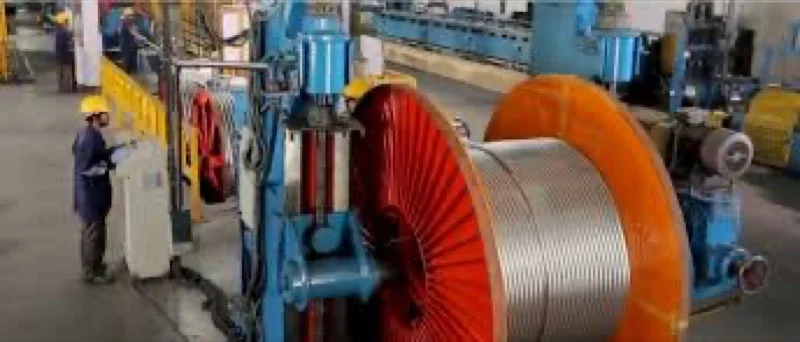 LiveAPAR Industries · Factory · 720 kW / 500 kWh battery
A factory whose process lines keep running through every dip in power.
- <1 ms
- response when the load jumps or the grid dips
- Zero
- gaps in power to the production lines
- End to end
- battery, PCS, controls and installation by one team
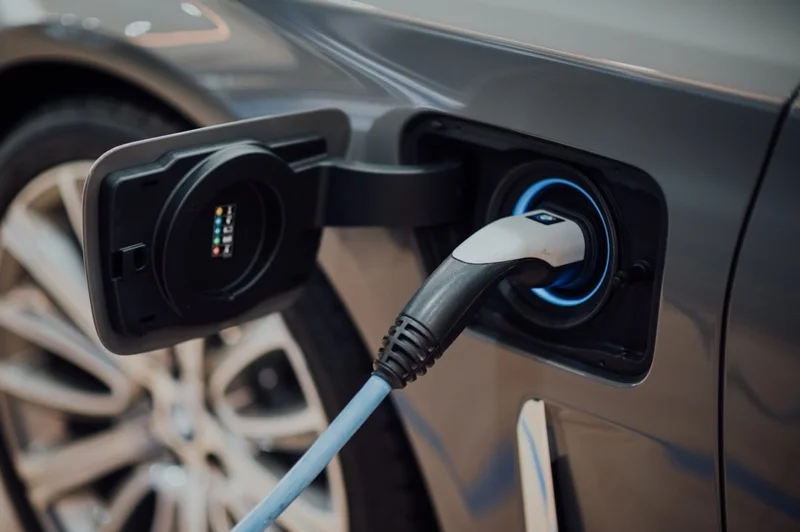 LiveEV charging hub · 260 kW / 580 kWh battery · India
Electric buses and cars keep charging, even when the grid is gone.
- 2.5×
- charging power from the same grid connection
- 1 s
- battery and PCS data, cell by cell
- Grid outage
- buses and cars still charge off the battery
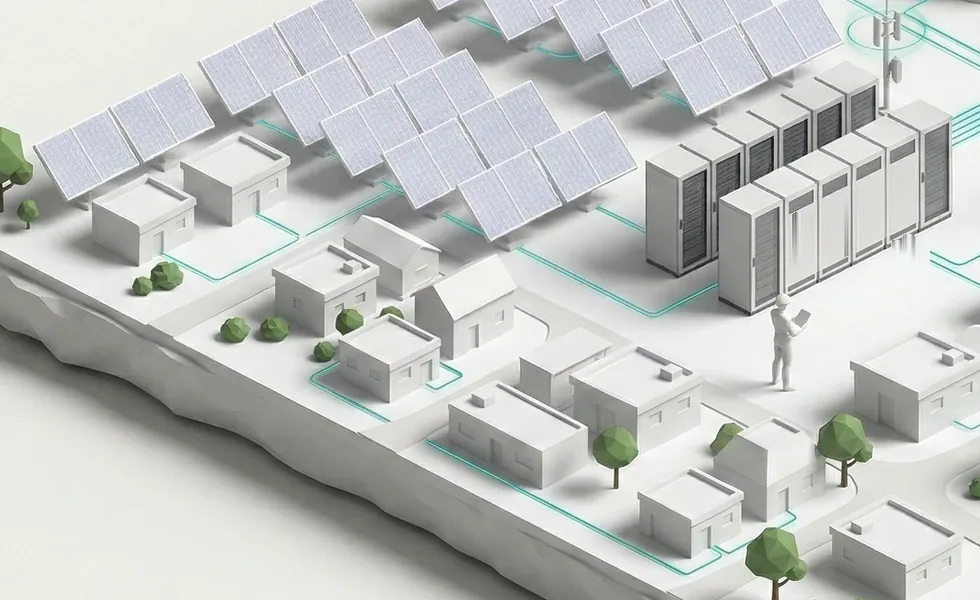 UnderwaySolar + battery micro-grid · Melghat, Maharashtra
A village without a grid. A solar and battery micro-grid that powers it.
- Village
- no grid connection
- Black start
- from standstill, no outside source
- 820
- homes on solar and battery
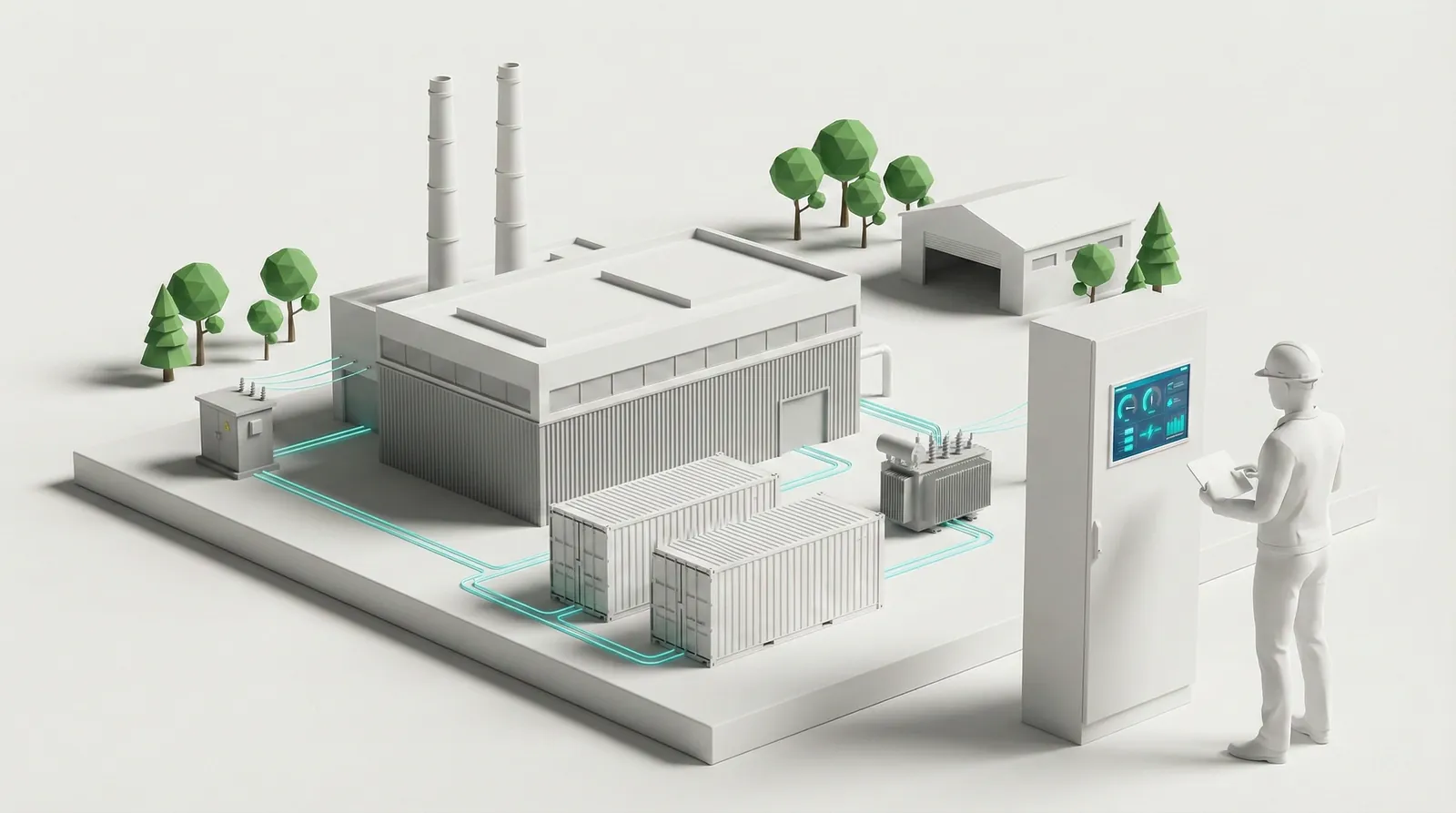 In testingIndustrial battery plant · Pune · 2.5 MW / 10 MWh
Two battery containers, two vendors, two languages. One EMS runs them as one plant.
- 2
- container makes, each with its own BMS protocol
- 1
- PCS and one EMS across both
- Hot-swap
- take a container out for service, plant keeps running
Tell us about your property
Send what you know. An Ingro engineer gives you free advice on your property: which loads to carry, whether solar should refill the battery, the size, the cost and the payback, in a form you can take to the family or head office. If you go ahead, our team takes care of the rest, from site assessment and design to installation, commissioning and O&M.
What happens next: we reply within one working day, by phone or WhatsApp. No site visit is needed at this stage, and there is nothing to pay.