Voltage dips and short cuts at a plastic moulding unit: what they cost, and what actually stops them
Written for the owner and the production manager of a moulding or extrusion unit: 10 to 40 injection presses, or a pipe, film or blow moulding line, in an industrial estate, drawing roughly 100 to 500 kW. The lights flicker for a moment, half the presses alarm, the extruder stops, and the next hour goes on purging, heating up and throwing away the first parts. The DG never even started. This page is about that problem: dips as well as cuts, what each one costs you, and when a battery is the answer and when a cheaper fix is. For the general case of a factory with a DG set (motor starting, feeders, DG rules), see the factories with a DG set guide; this page does not repeat it.
Reviewed 16 November 2026 by Ingro Energy's project team
The short answer
- Most of the trips that cost you are dips, not cuts: the voltage sags for a tenth of a second or so and comes back. A plastics guide by Fuji Electric India puts the danger line at a dip below 80% of voltage lasting more than 20 milliseconds. Your DG cannot help with that; by the time it could start, the dip is over and the machines have already stopped.
- What a dip costs is scrap, purging and hours of restart, not diesel. Nobody can tell you that figure but you. This page shows how to put it in rupees from your own production register.
- A servo stabiliser corrects slow, steady low or high voltage; it is not built for a fall that comes and goes in a fraction of a second. A small UPS on the controllers keeps them alive but not the heaters and motors. An online UPS or a battery system covers the whole machine.
- A battery system that carries your presses or extrusion line through dips can also carry them through the short cuts, which saves diesel too: a DG unit costs about ₹30 in diesel, a battery unit charged from the grid about ₹11.
- If dips are rare at your unit, or a dedicated feeder, a better earthing and supply check, or a few small UPSs would stop most trips, do that first. The calculator gives the diesel half of the answer; your restart register gives the other half.
What a 0.2-second dip costs you
Power-quality engineers call it a sag. The IEEE 1159 standard describes an instantaneous sag as the voltage falling to between 10% and 90% of normal for half a cycle to 30 cycles; on a 50 Hz supply, 30 cycles is 0.6 seconds. PG&E, a US utility, describes the typical sag as lasting 50 to 167 milliseconds, and cites a US study (EPRI's Distribution Power Quality project) that found a typical customer saw about 12 sags a year from the grid. Indian estates have published no equivalent count; the only way to know yours is to measure.
A tenth of a second is enough. Drives and controls trip on their own undervoltage protection, and the presses and the extruder stop mid-cycle. What follows is the expensive part:
- Injection moulding: the shot in progress is scrap, the hot material sits in the barrel and nozzle, and the press has to be brought back to temperature and settled before parts are good again. The Sahibabad Industries Association described hot plastic solidifying in machine nozzles during power interruptions.
- Extrusion (pipe, film, profile): the melt stops in the die. Fuji Electric's guide lists the line trip's cost as downtime, scrap and system cleaning before restart, and the dip-related defects as surging and uneven wall thickness and diameter. A US extrusion plant described in EC&M logged about 35 production losses in six months from sags and interruptions.
- Blow moulding: a parison caught mid-cycle is scrap, and the head and moulds need the same reheating and settling.
- The material itself. Some resins left hot in the barrel degrade and need purging; the factories with a DG set guide sets out the shutdown problems for each resin.
In February 2026 Telangana Today reported plastic units in Hyderabad's Jeedimetla and Cherlapally estates worried that power tripping would hit production quality and cost them raw material. None of this shows in your electricity or diesel bill. It shows in the scrap bin, the regrind and the overtime to meet the dispatch date.
Dip or cut? Find out which one you are losing to
The two need different answers, so start with a month of records. For every stoppage, the shift supervisor notes the time, whether the lights went off or only flickered, which machines stopped, the scrap in kg and how long until good parts. If the lights only blinked and the DG never started, it was a dip.
Where the dips come from matters too. PG&E lists faults on the utility network (weather, vehicles hitting poles, equipment failures) and neighbouring consumers as causes outside your control. EC&M adds that a sag can start inside your own plant, for example when a large motor starts. If your stoppages line up with your own chiller, compressor or granulator starting, the fix is inside your fence and much cheaper.
A power-quality logger on your incomer for two to four weeks shows each dip's depth and length. Put that against your stoppage log and you know which events are worth protecting against.
State regulators set limits on how far the supply voltage may drift: Bihar's standards of performance, for example, allow ±6% on LT and +6% to −9% on HT from the declared voltage. Those limits are about the steady voltage at your supply point. Do not read them as a promise that the voltage will never dip for a fraction of a second.
How long can your machines hold on? The yardsticks
Two published curves describe what equipment should survive, and they are useful when you talk to your machine maker or any vendor. Neither is a law for moulding machines in India; they are yardsticks.
| Dip down to | SEMI F47 (semiconductor tools) asks equipment to ride through | ITIC curve (IT equipment) says equipment should withstand |
|---|---|---|
| 0% (supply gone) | Not required | Up to 20 milliseconds |
| 50% of normal | Up to 0.2 seconds | Not covered (below the 70% line) |
| 70% of normal | Up to 0.5 seconds | Up to 0.5 seconds |
| 80% of normal | Up to 1 second | Up to 10 seconds |
Ask your machine maker where your presses or extruder stand against this table, and which part trips first: the PLC's power supply, the drive, or the motor contactor. Machines differ widely, which is why a dip your neighbour's office never notices can stop your shop floor.
Battery vs online UPS vs stabiliser
Each of these solves a different problem. Buying the wrong one is the most common waste of money here.
| Option | What it fixes | What it does not |
|---|---|---|
| Servo voltage stabiliser | Slow, steady low or high voltage. Fuji's guide recommends it for chronic under-voltage below 80% or over-voltage above 110% | A motor-driven tap is not made to correct a dip that is over in a tenth of a second, and it does nothing in a cut |
| Small UPS or constant-voltage transformer on each machine's controls | Keeps the PLC and controller alive through a dip: no lost settings, no reboot. EC&M notes these suit control circuits under about 1 kVA | The heaters, hydraulic or servo pump motor and drives are still on the main supply; if their contactors drop, the machine stops anyway |
| Online (double-conversion) UPS for whole machines or a line | Zero transfer time: the load always runs from the inverter, so dips and short cuts are not seen at all (ABB) | Sized for the full heater and motor load it becomes large; it runs the load through its inverter all the time; it is not made to replace DG hours |
| Battery system (BESS) on the critical machines | Dips and cuts on the presses or the line, and it also carries the short cuts instead of the DG, so it saves diesel | Only as good as its switchover: it must take over faster than your machines trip. A slow changeover protects you from cuts, not dips |
| Supply-side fixes (dedicated or express feeder, motor-start fixes inside the plant) | Fewer dips at the source | Depends on your DISCOM and estate; does not help in a cut |
Fuji Electric's guide points the same way: stabilisers for steady under- and over-voltage, UPS for drops below 70% and outages longer than 20 milliseconds. For a shop with many presses or a continuous line, the comparison that matters is usually an online UPS for the line against a battery system that does both jobs, ride-through and diesel.
What a battery changes at a moulding shop
A battery system for this job sits between your supply and the machines that matter, so that when the grid dips or fails, the machines keep running from the battery without seeing the change. It is the same idea as an online UPS, at the size of your shop, with enough stored energy to carry short cuts too. The DG stays for long cuts and starts less often.
Whether it really protects you from dips comes down to one number: how many milliseconds the presses or extruder are without good voltage when the grid falls away. That must be below what your machines tolerate (the table above and your machine maker's figure). Ask for it in writing and see it at testing, with your machines running.
Who runs your presses, minute by minute
The solid arrow is what is carrying the presses and line. The dashed arrow is the DG, waiting for a long cut.
Which machines go on the battery
Not all of them. Put on the battery what scraps material or takes long to restart, and leave the rest to the DG:
- The injection presses, extruder and its downstream line (haul-off, cutter, winder), and blow moulding machines.
- What they cannot run without: mould temperature controllers, the process chiller, the hopper dryers, and the air compressor.
- Usually on the DG instead: the granulator, the shop lights beyond the essentials, the office, and anything that can wait a minute.
That choice sets the battery's size and price. The factories with a DG set guide shows how much it changes the figure.
The diesel half of the sum
Dips burn no diesel; the DG never starts for a tenth of a second. But a battery that carries the presses through dips will also carry them through the short cuts, and that does save diesel. At ₹95 a litre and about 3.2 units per litre, a DG unit costs about ₹30; a battery charged from the grid gives back about 85% of what goes in, so its unit costs about ₹11.
Four numbers from your DG log book give a first figure. It counts diesel only, not a single kg of scrap.
Work out the diesel half from your DG log
Four numbers from your DG log book. This counts diesel only, not scrap or restarts. Nothing is sent anywhere until you ask us.
Enter your diesel litres and DG hours to see the figures.
How this is worked out
- A DG set makes about 3.2 units per litre of diesel; a part-loaded set makes fewer, which makes the battery look better.
- Grid power costs about ₹9 a unit, and a battery gives back about 85% of what it takes in.
- The battery is sized to carry one normal day's DG running on one charge.
- Installed cost is taken as ₹25,000 to ₹38,000 per kWh under 250 kWh and ₹20,000 to ₹30,000 per kWh above, before GST. A working range, not a quote.
- Dips, scrap, purging and restart time are not counted: dips burn no diesel. Add their value from your own register.
- A first estimate. Your machines' ride-through, motor starting and tariff are checked before anyone gives you a price.
Get free advice for your unit
Leave your name and number. We call back, look at your stoppages and DG, and work out the complete solution for you.
Tell us about your moulding unit ↓Worked example: a 20-press moulding shop
An illustration, not a real unit. Inputs: about 20 injection presses with their chillers, dryers and compressor, drawing about 150 kW while running. Cuts come to about 1 hour on a working day for 8 months a year, and the DG burns about 1,400 litres a month in those months (about ₹1.3 lakh of diesel at ₹95 a litre). Dips come on top and burn no diesel. Worked through the same sums as the calculator:
- Load on the battery: about 149 kW. Battery to carry a day's cuts: about 170 kWh.
- Installed cost: about ₹43 lakh to ₹65 lakh before GST.
- Diesel saved: about ₹6.8 lakh a year.
- Payback on diesel alone: about 6.2 to 9.4 years.
On diesel alone this shop would not buy a battery. Whether it should depends on the dips and restarts, which the next section puts in rupees.
Putting a rupee value on one avoided restart
No outside figure is worth much here: a stopped 80-tonne press making caps and a stopped 110 mm pipe line are not the same loss. Use your own numbers. For one typical stoppage, add up:
- Scrap: kg of rejected parts, purge and start-up material, times what that material costs you per kg, less what you recover as regrind.
- Lost production: hours until good parts again, times what an hour of that machine or line earns you after material (its contribution), for every machine that stopped.
- Extra cost: overtime or an extra shift to make up the output, and any penalty or lost order for a late dispatch.
- Then multiply by the stoppages a year from your log, dips and cuts together, and add the diesel saving from the calculator.
In the example shop, say the owner wants the battery paid back in 5 years. The battery then has to earn about ₹8.5 lakh to ₹13 lakh a year. Diesel brings about ₹6.8 lakh, so the avoided stoppages must be worth about ₹1.7 lakh to ₹6.1 lakh a year. Divide that by the stoppages a year in your log: if one stoppage costs you more than that answer, the battery pays back in 5 years; if it costs much less, it does not.
Send these figures with the form below, roughly is fine. They decide the answer more than any kWh or price figure.
When a battery is not worth it for a moulding unit
- Dips are rare at your unit. A few stoppages a year that cost little each will not pay for a battery.
- Your own motors cause the dips. If the trips line up with your chiller, compressor or granulator starting, a soft starter or drive on that motor is far cheaper.
- Only the controllers are the problem. If the presses restart cleanly once the PLC stays up, a small UPS or constant-voltage transformer on each machine's controls is the right buy.
- A dedicated or express feeder is available to you. Where the DISCOM and estate offer one, fewer dips at the source may solve it, though it will not help in a cut.
- Your problem is long cuts and diesel only, not trips. Then the factories with a DG set guide and its diesel sums apply, and ride-through is not worth paying for.
If it turns out to be one of these, we will say so when you ask.
What a turnkey project covers for you
You should not have to become a power-quality engineer to stop losing batches. In a turnkey project Ingro's team checks which events are costing you and which machines to protect, designs the system, supplies the battery from any maker along with Ingro EMS (Ingro does not make batteries), installs and integrates it with your panels and DG, commissions it with a test on your running machines, and maintains it afterwards. You deal with one team from the first log to the last service visit.
What to ask before you sign
- When the grid dips or fails, how many milliseconds are my machines without good voltage? Will you show it at testing with the presses or line running?
- Which machines and loads exactly does it carry (presses, extruder line, chillers, dryers, compressor), at what kW, and for how long in a cut?
- What happens when the dip is over: does the system return to the grid without a second disturbance my machines notice?
- How do the chiller and compressor start on battery after a cut without tripping it?
- Do I need anything else for dips your system does not cover, such as a UPS on certain controls?
- What warranty, in years and cycles, and what capacity is promised at the end?
- Who comes when it trips in the middle of a shift before a dispatch, and how fast?
Useful next
- Factory with a DG set: feeders, motor starting and DG rules
- Online UPS sold in India
- Power-quality equipment, for lines that trip on dips
- BESS cabinets sold in India, with their specifications
- PCS (battery inverters)
- Battery or diesel generator: the full comparison
- What a battery system costs in India
- Factory with rooftop solar: using the units you waste
- Turnkey battery systems: design to O&M from one team
Questions moulding unit owners ask
The DG is on auto. Why do my machines still trip?
Because most trips are dips, not cuts. The voltage sags for a fraction of a second and comes back; the machines stop in that time, and the DG never starts because the grid never really failed. Even in a real cut the DG takes seconds, and the machines stop in milliseconds.
I already have a servo stabiliser. Why didn't it help?
A servo stabiliser corrects slow, steady low or high voltage by moving a tap with a motor. A dip that is over in a tenth of a second is gone before it can react, and in a cut it has nothing to work with.
Is an online UPS enough, or do I need a battery system?
An online UPS sized for the whole machine or line handles dips and short cuts well. A battery system does that and also carries the shop through the routine cuts instead of the DG, so it saves diesel. Which is right depends on your cuts and your load; that is what the free advice works out.
Can I protect only the PLCs and controllers?
Yes, with a small UPS or constant-voltage transformer on each machine's controls, and it is cheap. It helps if the machine restarts cleanly once its controller stays up. If the heater and pump contactors drop out anyway, the machine still stops.
How do I know whether dips or cuts are my problem?
Log every stoppage for a month: time, whether the lights went out or only blinked, which machines stopped, scrap and restart time. A power-quality logger on the incomer for a few weeks shows each dip's depth and length.
How big a battery does a moulding shop need?
For ride-through alone, the stored energy is small and the inverter's rating matters more: it must carry all the protected machines at once. For carrying short cuts too, start from your DG log: a normal day's DG units are roughly the kWh needed.
Sources
- Fuji Electric India, technical guide: reliable power for the plastic processing industry (80% / 20 ms dip threshold; stabiliser vs UPS; scrap and cleaning before restart)
- PG&E Power Quality Bulletin No. 3: voltage sag immunity standards SEMI F47 and F42 (sag definition, typical duration, EPRI DPQ about 12 sags a year, causes)
- Consulting-Specifying Engineer: standard IEEE terminology (IEEE 1159 sag categories)
- Powerside, 23 June 2026: understanding the ITIC curve
- EC&M: Don't let sags and interruptions disturb you (extrusion plant case; CVTs for control circuits; sags from motor starting)
- ABB Power Protection, 28 March 2019: line-interactive vs online double conversion UPS (zero transfer time)
- BERC (Standards of Performance of Distribution Licensee) Regulations, 2006, Bihar: voltage variation limits
- Telangana Today, 16 February 2026: outages worry Hyderabad industries; plastic units fear tripping and raw material loss
- KNN India, 28 May 2025: Noida-Ghaziabad industries under extended power cuts; hot plastic solidifying in nozzles
Sites that have benefited from battery storage
Different sites, same idea: use more of your own renewable power, cut the electricity bill, and keep running when the grid cannot keep up.
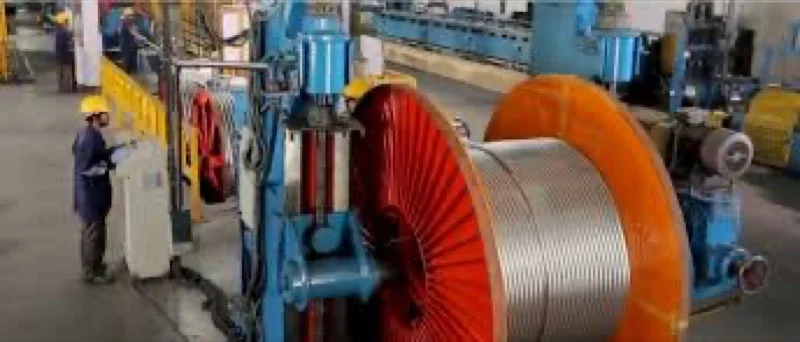 LiveAPAR Industries · Factory · 720 kW / 500 kWh battery
A factory whose process lines keep running through every dip in power.
- <1 ms
- response when the load jumps or the grid dips
- Zero
- gaps in power to the production lines
- End to end
- battery, PCS, controls and installation by one team
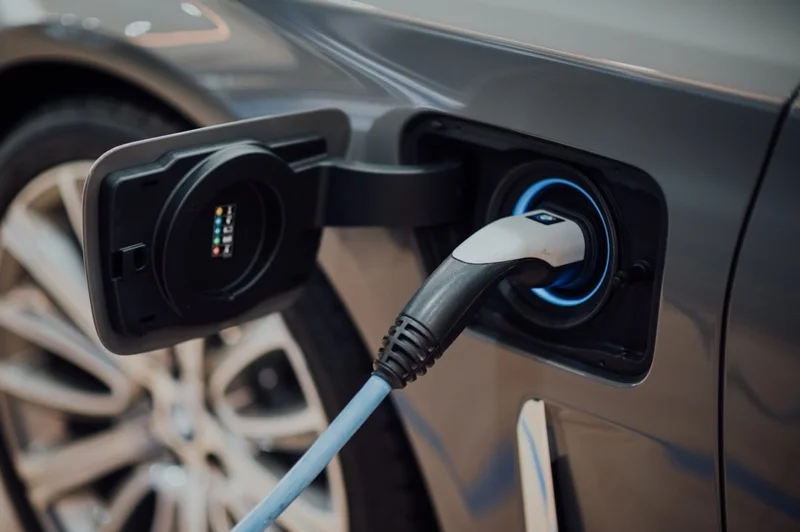 LiveEV charging hub · 260 kW / 580 kWh battery · India
Electric buses and cars keep charging, even when the grid is gone.
- 2.5×
- charging power from the same grid connection
- 1 s
- battery and PCS data, cell by cell
- Grid outage
- buses and cars still charge off the battery
 UnderwaySolar + battery micro-grid · Melghat, Maharashtra
A village without a grid. A solar and battery micro-grid that powers it.
- Village
- no grid connection
- Black start
- from standstill, no outside source
- 820
- homes on solar and battery
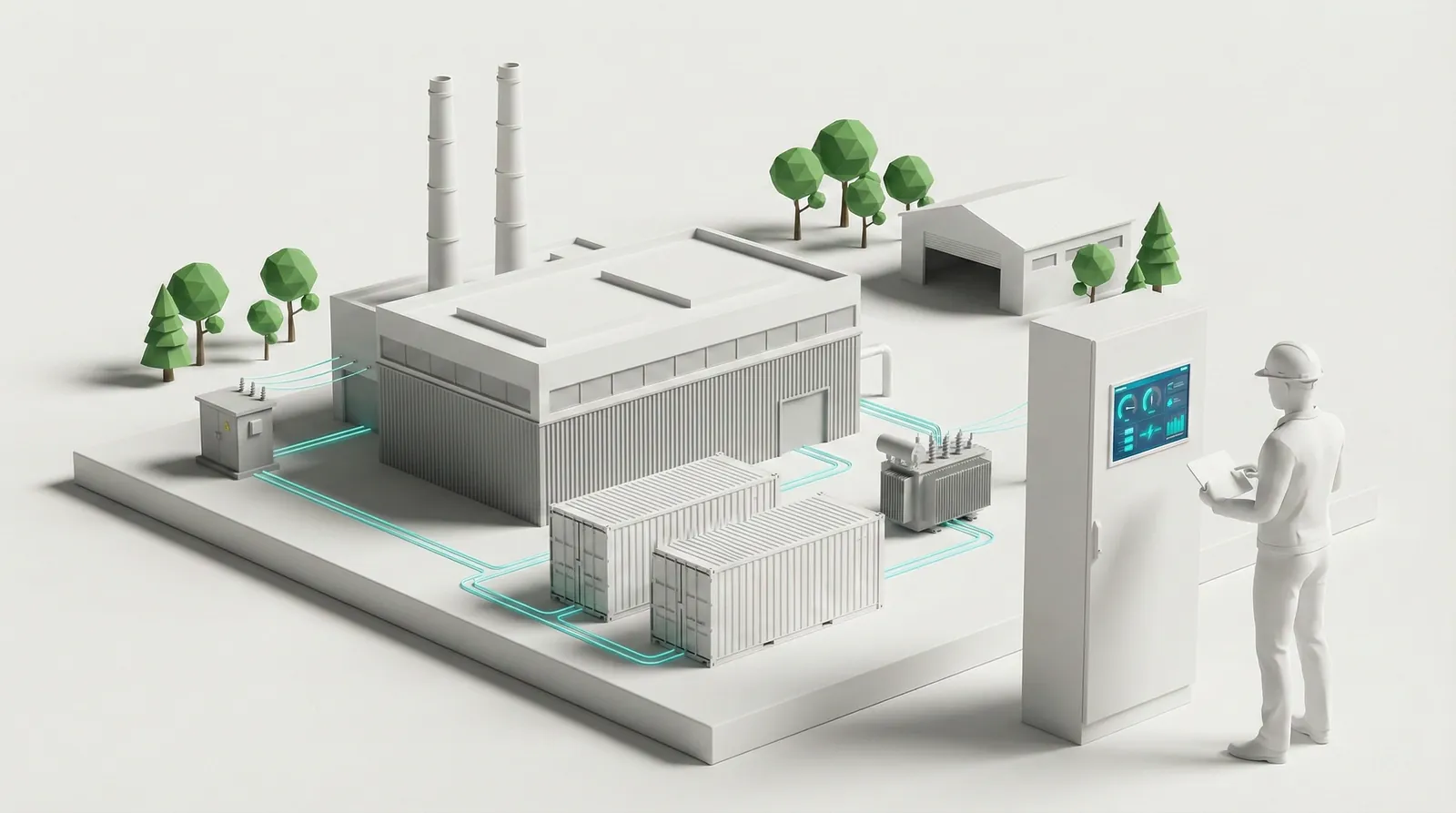 In testingIndustrial battery plant · Pune · 2.5 MW / 10 MWh
Two battery containers, two vendors, two languages. One EMS runs them as one plant.
- 2
- container makes, each with its own BMS protocol
- 1
- PCS and one EMS across both
- Hot-swap
- take a container out for service, plant keeps running
Tell us about your moulding unit
Send what you know, roughly is fine. An Ingro engineer looks at your stoppages, dips and DG use and gives you free expert advice on what would stop them, a battery or something cheaper. If a battery is right, we work out the complete solution and our team takes care of the rest: design, equipment from any maker, installation, help with the approvals, commissioning, Ingro EMS and maintenance.
What happens next: we reply within one working day, by phone or WhatsApp. No site visit is needed at this stage, and there is nothing to pay.