Solar and battery storage for a drinking-water pumping scheme: fill the tanks first, then decide on the battery
Your scheme lifts raw water from a river, dam or well field, treats it, and pumps clear water up to the elevated reservoirs (ESRs) of dozens of villages. The pumps run most of the day on a rural feeder, the electricity bill is one of the biggest lines in the O&M budget, and every feeder trip stops the pumps and the supply. This page is for the executive or superintending engineer of a state PHED or Jal Nigam, and for the contractor running a multi-village scheme under a 5 to 10 year O&M contract, with raw-water, WTP and clear-water pumps of roughly 50 to 500 kW. It covers what the Jal Jeevan Mission says about solar, which tariff you pay, why your tanks are the cheapest storage you have, where a battery still earns its place, the approval route, and when it is not worth it.
Reviewed 16 November 2026 by Ingro Energy's project team
The short answer
- Solar at the headworks cuts the bill only if the pumps run while the sun shines. Pumps are a load you can move: fill the clear-water sump and the ESRs between 9 am and 5 pm and run less at night. Your water tanks are your first battery, and they are already built.
- A battery is worth looking at when the tanks cannot take the shift: the ESRs are full by early afternoon and the solar is curtailed, the villages need supply after sunset that the tanks cannot hold, or feeder dips keep tripping the pumps.
- On stored solar alone the numbers are modest. In the worked example below, a scheme whose tanks absorb the shift gets a payback of 11 to 16 years on a small battery, so it should not buy one. Where the tanks fill early and a quarter of the solar is lost, the payback is 8.7 to 13 years, before counting pump trips avoided.
- PM-KUSUM's feeder solarisation is written for agricultural pumps, not drinking-water pumps. A water scheme's solar and storage come through the JJM or state scheme estimate and its sanction, not KUSUM.
The power bill in your O&M budget
A multi-village scheme is a chain of motors: raw-water pumps at the intake, the WTP's own loads (clariflocculator drives, filter backwash, dosing, lighting), and clear-water pumps that push water up to the ESRs, often over long rising mains. Almost all of the electricity goes into lifting water, and it is billed every month whether or not the village water tariff collects enough to pay for it.
The Jal Jeevan Mission's operational guidelines (December 2019) treat this as a known problem. They ask states to deliberate on the energy cost and the monthly power bills of high-lift schemes and to firm up a policy for meeting them, and the district and state O&M plans they prescribe list energy cost as the first item of O&M cost.
Audits show what happens when the bill is not planned for. The CAG's 2026 performance audit of JJM in Rajasthan found that water and energy audits of the schemes had not been carried out, recorded about ₹1 crore of unpaid electricity bills for 71 connections of schemes handed over to village committees in one district, and recommended energy audits starting with high-consumption schemes.
Before anyone sizes solar or a battery, get one month of hourly data: when each pump runs, at what kW, and when each ESR is full and empty. Most of the answer on this page comes from that table.
What the Jal Jeevan Mission says about solar
- Single-village schemes: the pumping arrangement is to be preferably solar powered (in-village infrastructure, JJM operational guidelines).
- Multi-village schemes: conjunctive use of solar pumping is to be explored to reduce the recurring energy cost of the rural water supply system. Conjunctive means solar alongside the grid, not instead of it.
- Scattered, isolated, tribal and hilly villages: stand-alone solar systems with solar panels, battery back-up and storage tanks with level and dry-run sensors are suggested (para 8.1).
- State action plans are to identify hilly, tribal, desert and inaccessible areas that need water supply using renewable energy.
Uttar Pradesh has gone furthest. In a July 2024 Rajya Sabha answer the Ministry of Jal Shakti said 34,734 of UP's 40,951 JJM schemes (about 85%) were solar based, and in May 2026 the state reported about 33,157 solar-based rural water schemes covering 67,013 villages. Most of these are single-village schemes that pump by day into an overhead tank. A multi-village scheme with a WTP and big clear-water pumps is the harder case, and it is the one this page is about.
PM-KUSUM is for farm pumps, not drinking-water pumps
Engineers often ask whether a water scheme can use PM-KUSUM Component C. As written, it cannot. MNRE's Component C guidelines cover the solarisation of grid-connected agricultural pumps (individual pumps up to 7.5 HP), with water user associations and community irrigation also included. The feeder-level solarisation guidelines of December 2020 are for feeders already separated to serve agricultural load, or feeders whose major load is agriculture; the DISCOM is the implementing agency, and any surplus from the plant may go to nearby rural or urban loads in the day.
So a drinking-water scheme is not a KUSUM beneficiary. It may sit on a feeder that a DISCOM solarises, which can change when that feeder has power in the day, but its own solar plant and any battery are paid for through the JJM or state scheme estimate, a state solar programme, or the O&M contractor's own investment.
If your state has its own solar programme for water works, or has extended a KUSUM-type scheme to them, its order will say so. Ask the SWSM or the DISCOM for the order before you assume either way.
Which tariff your scheme pays, in two states
Water works usually have their own tariff category, so the value of a solar unit depends on your state. Two examples:
- Uttar Pradesh: public water works are billed under LMV-7. For FY 2025-26 the approved rate is a fixed charge of ₹375 per kW a month and an energy charge of ₹8.50 a unit for supply other than the rural schedule; schemes on the rural schedule get a rebate of 7.5% on the rate. LMV-7 has no time-of-day rates, so a unit is worth the same at noon and at midnight.
- Maharashtra: MSEDCL bills water works under LT-III Public Water Works and, for HT connections, HT-IV Public Water Works. MERC's tariff order for 2025-26 to 2029-30 redesigned time-of-day slabs to push consumption into solar hours (9 am to 5 pm) with a rebate on the energy charge, and a peak charge from 5 pm to midnight for eligible categories. That order has since been reviewed more than once (a June 2025 review order was set aside by the Bombay High Court and the petition re-decided on 25 March 2026), so read the current schedule for your exact rates.
Where there is a solar-hours rebate and an evening peak charge, moving pumping into the day pays twice: once through your own solar and once through the ToD rate. Where there is no ToD, as in UP's LMV-7, only your own solar makes daytime pumping cheaper. Use your own bill's rate per unit, with fixed charges spread over the units, in the calculator below.
Water tanks are your first battery
A battery stores electricity so a load can run later. Your scheme can do the same thing with water: pump harder while the sun shines, store the water in the clear-water sump and the ESRs, and let gravity supply the villages in the evening. Every litre stored this way is solar energy saved for later, with no battery round-trip loss and no cells to replace.
The tanks are already built and paid for, so using their spare room costs nothing. A battery returns about 85% of what goes in, ages with use, and costs about ₹20,000 to ₹35,000 per kWh installed. That is why the first step for any water scheme with solar is a pumping schedule, not a battery quote.
How far the tanks can carry the shift depends on three things you can read from your own records: how many hours of village demand the ESRs and sump hold, whether the pumps have spare capacity to fill them faster in the day, and when the villages actually draw water. If the ESRs hold the evening and night demand and the pumps can fill them in solar hours, the tanks do the whole job.
Changing the pumping schedule changes supply timings for villages. Agree it with the field staff and the village committees first, and watch the tail-end villages for pressure.
Where an electrical battery still helps
- The tanks fill before the sun goes down. Once the ESRs are full by early afternoon the clear-water pumps stop, and on zero export the solar is curtailed. A battery catches that afternoon surplus and gives it back to the pumps after sunset.
- The villages need water after dark that the tanks cannot hold. Where the ESRs hold only a few hours, some pumping has to happen at night. A battery can carry part of that night pumping on stored solar instead of grid units.
- Feeder cuts and dips trip the pumps. On a rural feeder a cut or a deep dip stops the pumps, and an operator has to restart them in sequence, losing supply hours. Grid-connected solar also has to stop when the grid fails (the CEA's anti-islanding rule) and waits at least sixty seconds after the grid returns. A battery whose inverter can hold the station's own supply can keep the pumps, or the most important ones, running through short cuts, with the solar still working.
- An evening peak charge. Where the tariff charges more from 5 pm, a battery filled from solar can carry pumping in those hours.
The calculator and the worked example count only the first two, as stored solar. Supply hours saved by riding through cuts are real but depend on your feeder's cut pattern, so they are left out of the payback and checked against your own trip records.
What a stored solar unit is worth at a water scheme
A unit of solar used by a pump as it is made saves your full grid rate. A unit stored in a battery and given back later saves about 85% of it: at ₹8.5 a unit, about ₹7.2. A unit that goes into a tank as water and comes back by gravity loses almost nothing.
| Where the solar unit goes | What it is worth |
|---|---|
| Used by a pump as it is made | Your full grid rate |
| Stored as water in a sump or ESR with spare room | Close to your full grid rate, at no extra cost |
| Exported under net metering, set off within the billing period | Close to your grid rate; a battery adds little |
| Curtailed on zero export once the tanks are full | About ₹7.2 at ₹8.5 a unit, if stored in a battery |
| Lost because the grid tripped and the solar stopped | Supply hours and a restart; not counted in the calculator |
The calculator counts only the fourth row: surplus that is left after the tanks have done what they can. Type in what you see after rescheduling the pumps, not before.
Work out the stored-solar part for your scheme
Five numbers from your solar plant's data and your bill. Enter the surplus left after the pumps have filled the tanks. Nothing is sent anywhere until you ask us to check it.
Enter your plant size and the share of solar left over to see the figures.
How this is worked out
- Solar makes about 4.25 units per kWp on an average day. Monsoon and cloudy days make less.
- The share you type is the surplus left after the pumps have filled the tanks, on the days you type.
- The battery is sized to hold that surplus in one charge, using about 90% of its rated kWh, and is filled and emptied once a day.
- A battery gives back about 85% of what it takes in. Each unit it gives back saves the grid rate you typed; the export credit you typed is taken off for every unit no longer exported.
- Installed cost is taken as ₹25,000 to ₹38,000 per kWh for a battery under 250 kWh, and ₹20,000 to ₹30,000 per kWh above that, before GST. This is a working range, not a quote.
- Not counted: supply hours saved when the pumps ride through feeder cuts, ToD peak charges, fixed or demand charges, and battery capacity fading over the years.
- This is a first estimate. Your pump schedule, tank levels, tariff and feeder record are checked before anyone gives you a price.
Get your scheme's figures checked
Leave your name and number. We call back with what your tanks and solar can do, and whether a battery adds anything.
Tell us about your water scheme ↓Worked example: a multi-village scheme with 400 kWp at the headworks
An illustration, not a real scheme. Raw-water and clear-water pumps draw about 250 kW together and run about 20 hours a day, about 5,000 units a day. A 400 kWp ground-mounted plant at the headworks is on zero export and makes about 1,700 units on an average day, about 34% of the scheme's daily units. At ₹8.5 a unit (UP's LMV-7 energy charge, before the fixed charge and any rural rebate), that solar is worth about ₹53 lakh a year if the pumps use every unit. Water is supplied every day, so the calculator's days are 30.
Case one, the tanks absorb the shift. The pumps now run flat out from 9 am to 5 pm and the ESRs have room for it. Only about 5% of the solar is still curtailed, on low-demand days and at cloud edges: about 85 units a day. A 95 kWh battery would hold it, save about ₹2.2 lakh a year, cost about ₹24 lakh to ₹36 lakh installed, and pay back in 11 to 16 years. Do not buy it. The tanks have already captured nearly all the value.
Case two, the tanks fill early. The ESRs are full by early afternoon on most days, the clear-water pumps stop, and about 25% of the solar is curtailed: about 425 units a day, or about ₹13 lakh a year of grid power lost. A 480 kWh battery holds that surplus and gives it back to evening and night pumping. It saves about ₹11 lakh a year, costs about ₹96 lakh to ₹1.44 crore installed, and pays back in 8.7 to 13 years on stored solar alone.
Case two is borderline, not a clear yes. Before buying the battery, the scheme should check whether a pumping change, a larger sump at the WTP or export approval would catch the same units for less. The battery's case gets stronger if the same inverter also keeps the pumps running through feeder dips, or if the tariff has an evening peak charge; neither is counted here.
Type the same numbers into the calculator above and you get the same figures. Your own figures depend most on how full your ESRs are by mid-afternoon, so read that from the level records first.
When a battery is not worth it for a water scheme
- The tanks can absorb the shift. If the ESRs and sump hold the evening and night demand and the pumps can fill them in solar hours, put the money into the pumping schedule and solar, not a battery.
- Your solar can export under net metering at close to your own rate, and the scheme imports more than it exports over the billing period. Exported units are not lost, so storing them adds little.
- The solar plant is small next to the pumps. If the pumps use every solar unit as it is made, there is no surplus to store.
- Feeder cuts are long and frequent at night. A battery sized for a few hours cannot carry 250 kW of pumps through a night-long outage; that is a feeder or DG question.
- Nobody will own it after commissioning. A battery at an unmanned headworks needs remote monitoring and someone accountable for it for the life of the O&M contract and beyond.
In these cases the cheaper steps come first: an energy audit, efficient pumps and motors, a solar-hours pumping schedule, and net-metering or export approval for the solar.
Tender and approval route
- The scheme estimate. For a JJM scheme, solar and any battery should be in the detailed project report and the estimate. Under JJM each state's State Level Scheme Sanctioning Committee (SLSSC), headed by the Chief Secretary or the Principal Secretary or Secretary in charge of PHED or rural water supply, works as the state-level technical committee that sanctions schemes. Technical sanction then follows the department's delegation of powers.
- An existing scheme under O&M. Adding solar or storage is a change of scope. The contractor proposes it, the EE examines it, and the competent authority approves a variation or a separate tender. Settle in writing who pays for it and who keeps the bill saving, because the power bill may be paid by the department, the contractor or the village committees, depending on the contract.
- The tender itself. If storage is to be bought, the tender should state the duty: what the battery must carry, for how long, in which hours, and through which cuts. A battery specified only in kWh is hard to evaluate.
- The DISCOM, for connecting the solar and storage at your HT or LT connection, the export arrangement and metering, and any change to contract demand.
- The state electrical inspectorate, for the new equipment, protection and isolation, as your state's procedure requires.
Cost and battery life, briefly
As a working range, an installed battery system costs about ₹20,000 to ₹35,000 per kWh before GST, more per kWh for small ones; our cost guide explains what a turnkey price should include. At a pumping station the inverter (PCS) has to start and carry motors, which affects its size as much as the battery's kWh does. Compare warranties in years and cycles, with the capacity promised at the end, and set them against the length of the O&M contract.
What a turnkey project covers for a water scheme
Ingro takes the storage part of a water scheme end to end. It works out from your pump logs, ESR levels and bill whether a pumping change, net metering or a battery fits, designs the system around your pumps, solar and feeder, supplies the battery from any maker with Ingro EMS, installs and commissions it, helps with the DISCOM and inspectorate paperwork, and maintains it for the long term. Ingro does not make batteries.
It starts with the form below: tell us about the scheme, and an engineer comes back with free advice on your case. If your tanks can do the job, we say so.
What to ask before you sign
- Have you checked how much of the shift our sumps and ESRs can absorb before sizing any battery, and on which data?
- How many curtailed units a day will this catch after the pumping schedule is changed, not before?
- Which pumps will the battery carry in a feeder cut, for how long, and how are the motors started from it?
- Will our solar keep running in a grid cut, and how is the station isolated so the anti-islanding rule is still met?
- Is the payback worked out on our real tariff category and rate, including any rural rebate or ToD rate?
- How is the battery monitored at an unmanned headworks, and who responds to an alarm, how fast?
- What does the warranty promise in years, cycles and remaining capacity, and how does that line up with our O&M contract period?
- Who files the DISCOM and inspectorate applications, and who is responsible if they are delayed?
Read next, and see the equipment
- Factory with rooftop solar: zero export, lapsed units and solar off in cuts, in detail
- Adding a battery to a client's solar plant: a guide for EPCs
- What a battery system costs in India
- Battery or diesel generator: how they compare
- PCS (battery inverters) that can start motors and form a local grid
- Solar inverters sold in India
- BESS containers, with their specifications
- Turnkey battery systems: design to O&M from one team
Questions water-supply engineers ask
Do we need a battery to run our pumps on solar?
Usually not at first. Pumps can be moved in time: run them harder in solar hours and store the water in the sump and ESRs. A battery is worth studying only for the solar left over once the tanks are full, for night pumping the tanks cannot cover, or to ride through feeder cuts.
Can our water scheme get PM-KUSUM subsidy?
Not as written. Component C covers grid-connected agricultural pumps, and its feeder-level solarisation is for agricultural feeders, with the DISCOM as implementing agency. A water scheme's solar is funded through the JJM or state scheme estimate, a state programme, or the operator.
Does the Jal Jeevan Mission allow solar for multi-village schemes?
Yes. Its operational guidelines prefer solar pumping for single-village schemes and ask that conjunctive use of solar pumping be explored for multi-village schemes, to reduce the recurring energy cost. It goes into the scheme's estimate and sanction.
Why does our solar plant stop when the feeder trips?
CEA's connectivity standards require a grid-connected plant to stop within two seconds of the grid failing and to wait at least sixty seconds after it returns, to protect line staff. Keeping solar and pumps running in a cut needs a battery whose inverter holds the station's own supply after it is isolated from the grid.
Can a battery run our clear-water pumps all night?
Only for a few hours, and at a high price. 250 kW of pumps for eight hours is about 2,000 units a night, far more than a battery sized for daily surplus holds. Night supply is better carried by ESR storage filled in the day.
We are the O&M contractor. Who benefits if we add solar or storage?
That depends on who pays the power bill under your contract. Settle it with the department in writing before investing, as a variation or a separate agreement, along with who owns and maintains the equipment after the contract ends.
Sources
- Ministry of Jal Shakti, Operational Guidelines for the Implementation of Jal Jeevan Mission (Har Ghar Jal), December 2019: energy cost of high-lift schemes (p. 17), conjunctive use of solar pumping to cut recurring energy cost (p. 38), SLSSC (p. 29), solar stand-alone systems (para 8.1)
- Rajya Sabha, unstarred question 265, 22 July 2024 (Ministry of Jal Shakti): JJM guidelines prefer solar pumping for single-village schemes and conjunctive solar use in multi-village schemes; in UP 34,734 of 40,951 JJM schemes are solar based
- Hindusthan Samachar (10 May 2026): UP reports about 33,157 solar-based rural water supply schemes in 67,013 villages; UP Jal Nigam (Rural) puts capital cost at about ₹7,812 crore
- CAG, Performance Audit of Jal Jeevan Mission in Rajasthan (2026), Chapter 4: water and energy audits not conducted; unpaid electricity bills of schemes; recommends energy audits starting with high-consumption schemes
- MNRE, Guidelines for implementation of Component-C of PM-KUSUM: solarisation of grid-connected agricultural pumps up to 7.5 HP, including water user associations and community irrigation
- pv magazine India (7 December 2020): MNRE feeder-level solarisation guidelines under PM-KUSUM, for feeders separated for agricultural load (or with a major agricultural load)
- UPPCL public notice, rate schedule approved by UPERC for FY 2025-26: LMV-7 Public Water Works, ₹375/kW/month fixed and ₹8.50/kWh energy, 7.5% rebate on the rural schedule
- MERC press note, MSEDCL tariff from 1 April 2025 (Case 217 of 2024): LT-III and HT-IV Public Water Works categories; ToD slabs redesigned to reward use in solar hours (9 am to 5 pm) with a peak charge from 5 pm to midnight
- Deccan Chamber circular (27 March 2026): MERC re-decided MSEDCL's review petition on 25 March 2026 after the June 2025 review order was set aside by the Bombay High Court
- CEA (Technical Standards for Connectivity of the Distributed Generation Resources) Regulations, 2013, as amended 2019: regulation 11(6), anti-islanding and no re-connection for 60 seconds
Sites that have benefited from battery storage
Different sites, same idea: use more of your own renewable power, cut the electricity bill, and keep running when the grid cannot keep up.
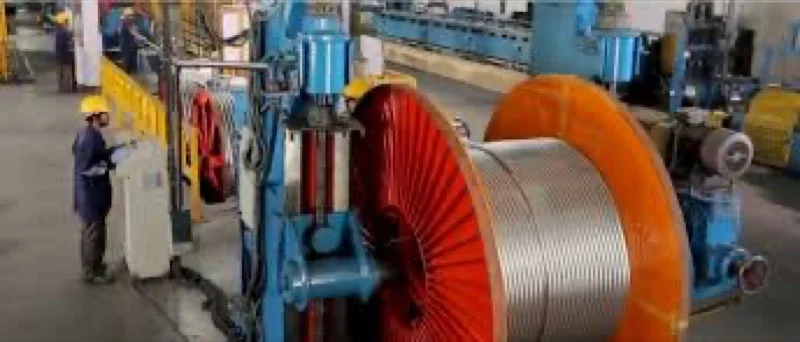 LiveAPAR Industries · Factory · 720 kW / 500 kWh battery
A factory whose process lines keep running through every dip in power.
- <1 ms
- response when the load jumps or the grid dips
- Zero
- gaps in power to the production lines
- End to end
- battery, PCS, controls and installation by one team
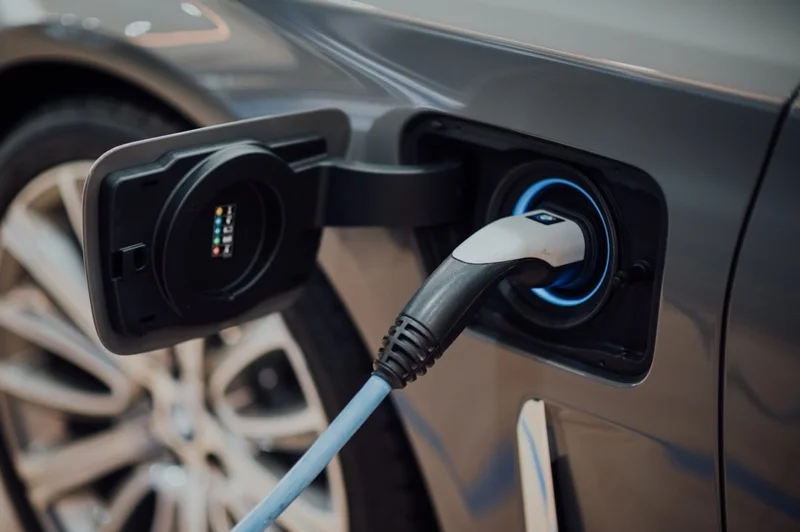 LiveEV charging hub · 260 kW / 580 kWh battery · India
Electric buses and cars keep charging, even when the grid is gone.
- 2.5×
- charging power from the same grid connection
- 1 s
- battery and PCS data, cell by cell
- Grid outage
- buses and cars still charge off the battery
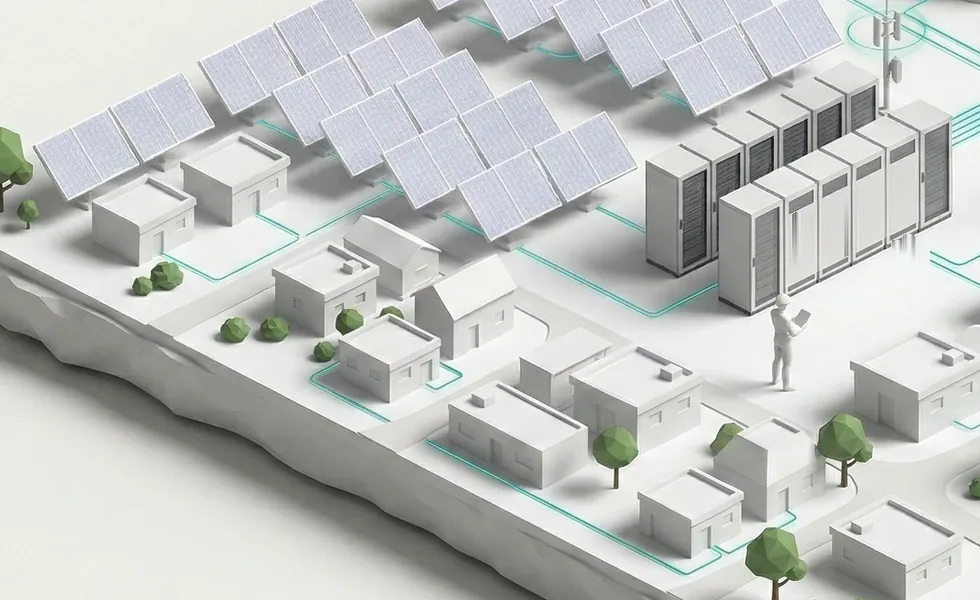 UnderwaySolar + battery micro-grid · Melghat, Maharashtra
A village without a grid. A solar and battery micro-grid that powers it.
- Village
- no grid connection
- Black start
- from standstill, no outside source
- 820
- homes on solar and battery
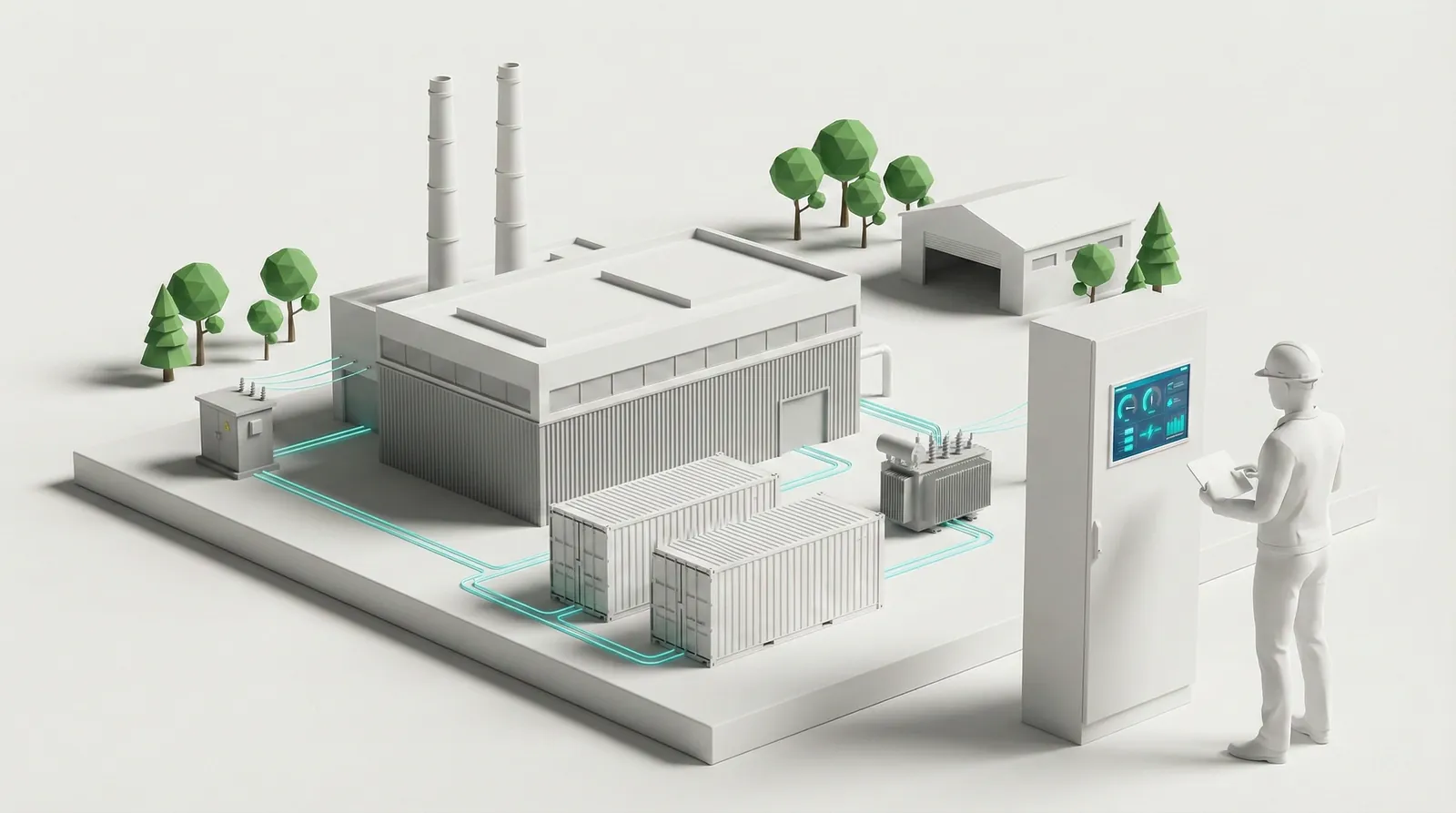 In testingIndustrial battery plant · Pune · 2.5 MW / 10 MWh
Two battery containers, two vendors, two languages. One EMS runs them as one plant.
- 2
- container makes, each with its own BMS protocol
- 1
- PCS and one EMS across both
- Hot-swap
- take a container out for service, plant keeps running
Tell us about your water scheme
Send what you know. An Ingro engineer gives you free expert advice on your scheme: how much your tanks can shift into solar hours, whether a battery adds anything after that, and the size, cost and payback. If you go ahead, our team works out the complete solution and takes care of the rest, from design and equipment to installation, help with the approvals, commissioning, EMS and O&M.
What happens next: we reply within one working day, by phone or WhatsApp. No site visit is needed at this stage, and there is nothing to pay.