Solar on your tile plant's sheds, and a kiln that cannot stop: when a battery is worth it
Your kiln runs day and night on gas, but the power bill is still large: ball mills, spray dryer fans, presses, polishing lines and kiln blowers. You put solar on the shed roofs. Now the inverter app flat-tops on the days the polishing line is down, the GERC 2026 rules cap what export can do for you, and every grid failure is a scramble to keep the roller kiln turning until the DG takes over. This page is for the partners of a wall, floor, vitrified or sanitaryware unit in the Morbi cluster, with the plant's electrical head. It shows where your solar goes in tile-plant terms, what a battery can and cannot do for the kiln in a cut, a worked example for two kinds of plant, and when a battery is not worth the money.
Reviewed 16 November 2026 by Ingro Energy's project team
The short answer
- A tile plant has one big advantage for storing solar: it runs round the clock, so every unit stored at noon is used that night. The question is only whether there is any surplus to store. On a full production day most plants use all their solar.
- Surplus comes when big loads stop at noon: the polishing line in a vitrified unit (BEE's Morbi study found it runs only 18 to 20 days a month), spray dryer cleaning days, ball mill batches, maintenance stops. A stored solar unit saves about ₹7.7 at a grid rate of ₹9.
- In the worked example, a vitrified unit with surplus only on polishing-off days pays back in 24 to 37 years: not worth it. A wall tile unit whose roof out-produces its noon load most days pays back in about 8.7 to 13 years on stored solar alone.
- The second job is the kiln in a power cut. A battery is already running when the grid fails, so it can carry the roller drives and the kiln's emergency loads with no gap, and the DG takes over for long cuts. That value is real but not in the calculator; it is sized from your kiln maker's emergency-load list.
Where your solar goes in a tile plant
BEE's study of the Morbi cluster (2010) put a typical unit's electricity at about 3,000 to 8,000 units a day for wall and floor tiles, 20,000 to 40,000 for vitrified tiles, and 800 to 3,000 for sanitaryware, all for motive loads and lighting; the kiln's heat comes from gas. A shed roof makes about 425 units a day per 100 kWp. So in a vitrified unit the roof rarely covers the noon load, and in a smaller wall tile or sanitaryware unit it often does. The surplus comes from the days and hours when a big electrical load stops.
| What happens at the plant | What it does to your solar |
|---|---|
| Full production: ball mills, spray dryer, presses, kiln and polishing all running | Usually all solar used; nothing to store |
| Polishing line down (vitrified units) | Polishing takes 40 to 45% of a vitrified unit's electricity and runs 18 to 20 days a month (BEE, 2010). On the other days the noon load drops sharply and the graph flat-tops |
| Spray dryer stopped for cleaning or maintenance | BEE found spray dryers run 15 to 20 days a month; their fans' load goes with them |
| Ball mill batch finished, mills waiting to be loaded | Short dips, irregular, every day |
| Planned maintenance shutdown | Wall, floor and vitrified units stop about 10 to 20 days a year (BEE, 2010): almost all solar curtailed, and nothing to use stored units on either |
| Cluster-wide stoppage | In 2026 most Morbi units stayed shut for over a month when industrial gas was curtailed: the roof made power for an empty plant |
Open the inverter app on a day the polishing line or spray dryer is down and on a full production day, and compare both graphs with the plant's rated output. The difference is your storable surplus. None of it shows on the PGVCL bill.
What Gujarat's 2026 rules do to your surplus
GERC's Grid Interactive Distributed Renewable Energy Sources Regulations, 2026 replaced the 2016 rooftop regulations. As reported, net metering and net billing are allowed from 1 kW to 1,000 kW AC. For non-residential consumers, which includes your HT tile plant, the set-off is capped at 30% of the units you import in each billing cycle, with banking charges, and anything beyond that lapses. A consumer above 100 kW contract demand who installs more renewable capacity than the sanctioned demand must add storage: at least two hours for 50% of the extra capacity.
For a tile plant importing lakhs of units a month, the 30% cap rarely bites on ordinary days. What it does is stop the grid from being a free store for big surpluses, such as a shutdown month. Many units are behind the meter on zero export anyway, where every curtailed unit is simply lost. Every grid-connected plant must also stop in a grid failure (CEA connectivity standards, anti-islanding), which is why your solar reads zero in a cut.
Two more points. For FY 2026-27 GERC kept state DISCOM tariffs unchanged and extended the 60 paise a unit time-of-use discount, now 11 am to 5 pm, to HT consumers: midday grid power is cheaper, so a stored unit is worth most when it replaces a night or peak unit. And Gujarat's Integrated Renewable Energy Policy 2025, in force to December 2030, names battery storage for industrial consumers among the systems it covers, but we found no capital subsidy in it for a factory battery.
These are reports of the regulations, with their year. Your PGVCL connection agreement and the notified text are what count. Our Gujarat factories guide goes through the 2026 metering options in more detail.
Power per square metre, and why the gas bill is a separate question
BEE measured about 3.71 to 5.01 units of electricity per square metre of vitrified tile in Morbi, and 1.51 to 1.92 for wall and floor tiles. At ₹9 a unit that is about ₹33 to ₹45 of power in every square metre of vitrified tile. TERI's sector manual puts electricity at 15 to 20% of a typical ceramic plant's energy and heat at 75 to 80%.
The same study measured 1.51 to 2.11 SCM of gas per square metre of vitrified tile. Multiply that by your own gas rate and you will usually find gas is the bigger number per square metre, and the one that moved most in 2026. A battery does nothing to the gas line. It only changes where your electricity comes from: more of your own solar, less from the grid at night, and the DG for less of each cut.
What a stored solar unit is worth at a 24×7 plant
A battery charges from the noon surplus and gives it back after sunset, when the kiln blowers, presses and mills are still running. It returns about 85% of what goes in, so at ₹9 a grid unit each stored solar unit saves about ₹7.7. If that unit could have been set off under net metering, take that value off.
Unlike a mill or an office, a tile plant never lacks load to give the stored units to. What it can lack is surplus. So the number that decides the case is how many units a day the inverters curtail, and on how many days a month.
The calculator counts only stored surplus solar. It does not count the battery's value as the kiln's emergency supply in a cut, or diesel saved. Put in the number of days a month that actually have surplus, not 30.
Work out the stored-solar part for your plant
Five numbers from your inverter app and your bill. This counts only surplus solar a battery could store; the kiln backup value is extra. Nothing is sent anywhere until you ask us to check it.
Enter your plant size and the share of solar going waste to see the figures.
How this is worked out
- Solar makes about 4.25 units per kWp on an average day. Monsoon and cloudy days make less.
- The share you type is the surplus on a surplus day, and only the surplus days you type are counted. A 24×7 plant uses every stored unit the same night.
- The battery is sized to hold that surplus in one charge, using about 90% of its rated kWh.
- A battery gives back about 85% of what it takes in. Each unit it gives back saves the grid rate you typed; the export credit you typed is taken off for every unit no longer exported.
- Installed cost is taken as ₹25,000 to ₹38,000 per kWh for a battery under 250 kWh, and ₹20,000 to ₹30,000 per kWh above that, before GST. This is a working range, not a quote.
- Not counted: the battery's value as the kiln's emergency supply, diesel and UPS replacement saved, time-of-use rates, demand charges, and capacity fading over the years.
- This is a first estimate. Your load pattern, metering arrangement, tariff and kiln load are checked before anyone gives you a price.
Get free expert advice on your plant
Leave your name and number. We call back with what your solar is losing, what your kiln needs in a cut, and whether a battery pays.
Tell us about your tile plant and its solar ↓Worked example: a vitrified unit and a wall tile unit on zero export
Two illustrations, not real plants, both on zero export with grid power at ₹9 a unit. These are the calculator's own sums, so you can type the same numbers above and get the same result.
A vitrified unit with 1,000 kWp on its sheds. On a full production day it uses all its solar. On about 10 days a month the polishing line is down and 20% of the day's solar, about 850 of the 4,250 units, is curtailed. A 950 kWh battery holds that. It saves about ₹7.8 lakh a year, costs about ₹1.9 crore to ₹2.85 crore installed, and pays back in 24 to 37 years. Do not buy a battery for that. Run the polishing line through the solar hours instead, where your orders allow.
A wall tile unit using about 8,000 units a day, roughly 330 kW round the clock, with 600 kWp on its roofs. Around noon the roof makes more than the plant draws on most days: say 15% of a day's solar, about 383 of 2,550 units, on 28 days a month. A 430 kWh battery holds that and gives it back to the night load. It saves about ₹9.8 lakh a year, costs about ₹86 lakh to ₹1.29 crore, and pays back in about 8.7 to 13 years on stored solar alone.
The difference is not the plant's size; it is whether surplus comes every day. Neither figure counts the kiln: if the same battery also carries the roller drives and emergency loads through cuts, part of what you spend today on kiln UPS and DG running is set against it.
Change the surplus share or the days and the answer moves a lot. Read both from your inverter app over a month, not from the installer's brochure.
The kiln in a power cut: what must keep turning
A roller kiln carries the tiles through on ceramic rollers at firing temperature. If the roller drives stop, the rollers sit still in the heat and can warp, which is why kiln makers fit a backup drive or a power-failure protection system on UPS, generator or battery. Many kilns switch the rollers to a back-and-forth swing when power fails, so the rollers keep moving; but tiles held too long in the hot zone deform, and a long stoppage can block the kiln. Cooling and combustion air go with the blowers. The exact list of drives and fans that must stay on, and for how long, is in your kiln maker's manual; that list is what any backup is sized for.
Most Morbi units have their own DG sets for grid failures (BEE, 2010), and the kiln's own backup drive bridges the seconds before the DG picks up. That works, but the DG has to start on every cut, and in those seconds the rest of the plant's drives stop: our guide for factories with a DG set explains why.
A battery with a grid-forming inverter (PCS) is already running when the grid fails. It can carry the kiln's emergency load with no gap, give the DG time to start and settle, or ride through short cuts without the DG at all. For a long cut the DG still takes over; a battery sized to run a whole tile plant for hours would cost far more than it saves. Whether the battery replaces the roller-drive UPS or works alongside it is a decision to take with your kiln maker, not one to assume.
Never let anyone take the kiln's own power-failure protection out of service to make room for a new system. Any change to the kiln's emergency supply is designed, tested with the kiln hot, and signed off by the kiln maker or your kiln engineer.
When a battery is not worth it for a tile plant
- Your plant absorbs all its solar on nearly every day. A 24×7 vitrified unit with a roof smaller than its noon load has no surplus to store, as the example shows.
- Your export can be raised. If you are on zero export but qualify for net metering or net billing under GERC 2026, and your set-off stays within the 30% cap, the grid already banks your surplus for far less than a battery.
- Your surplus comes only on shutdown days or in a cluster stoppage. A battery fills once and has nothing to give the units to.
- You want the battery only for the kiln, and cuts are short and rare. A properly maintained roller-drive UPS and the DG may already do the job.
- You hope a battery will cut the gas bill. It will not.
Try the cheap steps first: move polishing, sizing and ball mill loading into the solar hours where you can, apply for net metering if you are behind the meter, and do not add panels while you are on zero export.
Who has to approve it
- The partners approve the spend. Put the inverter app's flat-topped days, a month of meter data and the DG log in front of them, not a brochure figure.
- PGVCL (or your DISCOM), for any change to how your solar is connected: adding storage, changing the metering arrangement, or installing beyond your sanctioned demand, where GERC 2026 requires storage.
- The state electrical inspectorate, for the new HT or LT equipment, the changeover and the isolation that keeps the plant off the grid when the battery runs it.
- Your kiln maker or kiln engineer, before anything touches the kiln's emergency supply.
- Your insurer and fire safety officer, for where the battery stands: away from the kiln, the gas train, the spray dryer and the clay dust of the body preparation section.
Cost and battery life, briefly
As a working range, an installed system costs about ₹20,000 to ₹35,000 per kWh of battery before GST, which the calculator uses; what goes into that price is in our guide to battery costs in India. A solar battery at a tile plant cycles once on every surplus day, so read the warranty's cycle count as closely as its years. Morbi's heat and fine dust shorten the life of any cabinet that breathes plant air, so its cooling and filters are part of the price, not an extra.
What a turnkey project covers for you
You do not need to find a battery maker, an inverter supplier, an electrical contractor and a controls firm and make them agree. In a turnkey project Ingro's team reads your solar and meter data, sizes the battery for your real surplus and your kiln's emergency load, designs it around your PGVCL connection and your DG, supplies the equipment from any maker, installs, helps you with the approvals, commissions it with your kiln engineer, and runs it on Ingro EMS with ongoing maintenance. Ingro does not make batteries; it designs, integrates, commissions and maintains the system.
What to ask before you sign with anyone
- How many curtailed units a day will this catch, on how many days a month, and from which data did you work it out?
- Is the payback worked out at my real PGVCL tariff, including the 11 am to 5 pm discount, or at a flat rate?
- Which kiln loads will the battery carry in a cut, for how long, and has my kiln maker agreed to it in writing?
- What happens in the first second of a grid failure, and how is that tested with the kiln hot before handover?
- How does the battery work with my DG, its changeover and my existing zero-export controller?
- What happens to my net-metering or behind-the-meter approval under GERC 2026, and who files the paperwork?
- Where will the battery stand, how is it kept cool and clean in Morbi dust and heat, and what is the warranty in years and cycles?
- Who comes when it alarms at night, and how fast?
Read next, and see the equipment
- Gujarat factories with solar: the GERC 2026 rules and storage
- Factory with rooftop solar: zero export and lapsed units in detail
- Factory with a DG set: the gap before the DG, motor starting, diesel
- Battery or diesel generator: how they compare
- What a battery system costs in India
- PCS (battery inverters) that can form a local grid
- Container BESS for larger plants
- Turnkey battery systems: design to O&M from one team
Questions tile plant owners with solar ask
Our plant runs 24 hours. Why is any solar wasted?
Because the load is not steady. When the polishing line, spray dryer or ball mills stop around noon, the load drops below what the roof makes, and on zero export the inverters are cut back. BEE's Morbi study found polishing runs 18 to 20 days a month and spray dryers 15 to 20, so many plants have surplus on several days a month.
Can a battery keep the roller kiln running in a power cut?
It can carry the roller drives and the kiln's emergency loads from the first instant of a cut, because it is already running. For a long cut the DG still takes over. What it must carry, and for how long, comes from your kiln maker's emergency-load list.
Can the battery replace the UPS on our roller drives?
Sometimes, but decide it with your kiln maker, not on a vendor's word. Until a new arrangement is designed and tested with the kiln hot, the kiln's own power-failure protection stays in service.
Does GERC 2026 make a battery compulsory for us?
Only in one case, as reported: if your contract demand is above 100 kW and you install renewable capacity beyond your sanctioned demand, you must add storage of at least two hours for 50% of the extra capacity. Otherwise it is your choice.
Will a battery bring down our cost per square metre?
Only the electricity part, by replacing grid units with your own stored solar. BEE measured 3.71 to 5.01 units per square metre of vitrified tile. Gas is a separate and usually larger cost, and a battery does not touch it.
Is there a Gujarat subsidy for a factory battery?
We found none. Gujarat's Integrated Renewable Energy Policy 2025 covers battery storage for industrial consumers but sets no capital subsidy for it. Check the current policy and any DISCOM storage scheme before you plan.
Sources
- BEE / SEE-Tech Solutions, Manual on Energy Conservation Measures in Ceramic Cluster, Morbi (BEE SME Programme, April 2010): electricity per typical unit, kWh per m2, polishing share and days, DG sets, plant shutdown days
- TERI for Shakti Sustainable Energy Foundation, Widening the coverage of PAT Scheme: Sectoral Manual, Ceramic industry: electrical 15 to 20% and thermal 75 to 80% of a typical ceramic plant's energy
- SolarQuarter (2 November 2026): GERC (Grid Interactive Distributed Renewable Energy Sources) Regulations, 2026: metering options, size limits, 30% set-off cap for non-residential, battery requirement
- DeshGujarat (25 March 2026): GERC FY 2026-27 tariff, rates unchanged for state DISCOMs, 60 paise ToU discount from 11 am to 5 pm extended to HT consumers
- Government of Gujarat, Gujarat Integrated Renewable Energy Policy 2025 (copy hosted by JMK Research): clause 11 on BESS, including BESS for industrial consumers; operative to 31 December 2030
- DeshGujarat (17 April 2026): Morbi ceramic units shut for nearly one and a half months after industrial gas supply was curtailed; restart expected from 1 May
- CEA (Technical Standards for Connectivity of the Distributed Generation Resources) Regulations, 2013, as amended 2019: anti-islanding
- Shenzhen Superb Heater Technology, Causes of blockage of roller kiln (industry note): in a power outage the rollers switch to a swing motion, and long dwell deforms the product and blocks the kiln
- Haitem Furnace, roller kiln for ceramic tiles (kiln maker's product page): backup drives on UPS, generator or battery to keep rollers turning in a power failure and avoid roller warpage
- Nutec Bickley, roller hearth kilns (kiln maker's page): Power Failure Protection System listed as a standard feature
Sites that have benefited from battery storage
Different sites, same idea: use more of your own renewable power, cut the electricity bill, and keep running when the grid cannot keep up.
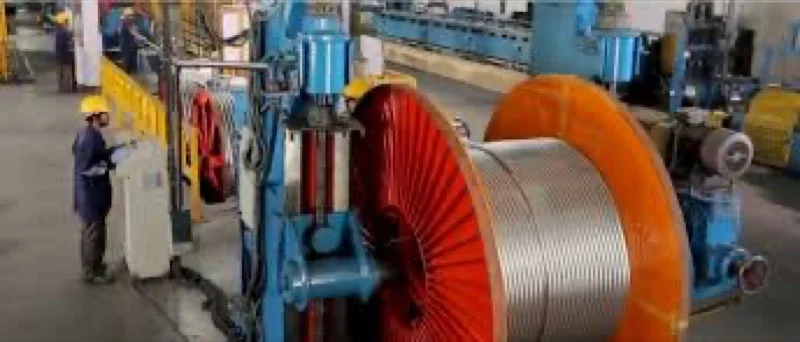 LiveAPAR Industries · Factory · 720 kW / 500 kWh battery
A factory whose process lines keep running through every dip in power.
- <1 ms
- response when the load jumps or the grid dips
- Zero
- gaps in power to the production lines
- End to end
- battery, PCS, controls and installation by one team
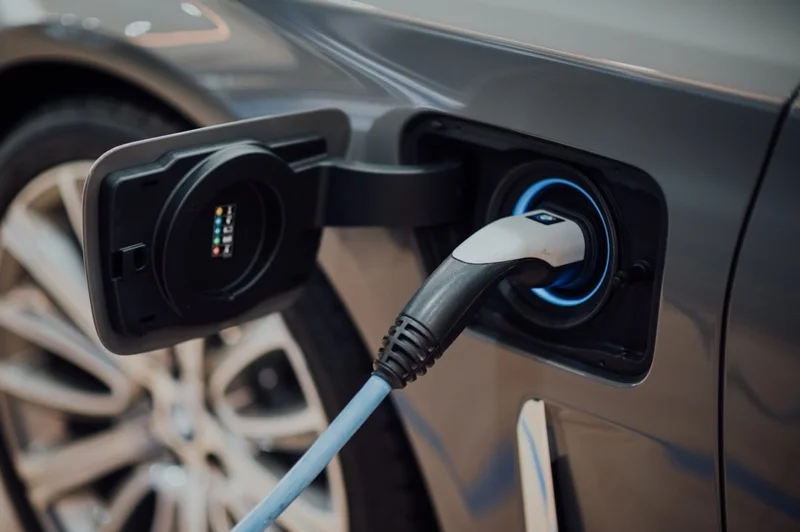 LiveEV charging hub · 260 kW / 580 kWh battery · India
Electric buses and cars keep charging, even when the grid is gone.
- 2.5×
- charging power from the same grid connection
- 1 s
- battery and PCS data, cell by cell
- Grid outage
- buses and cars still charge off the battery
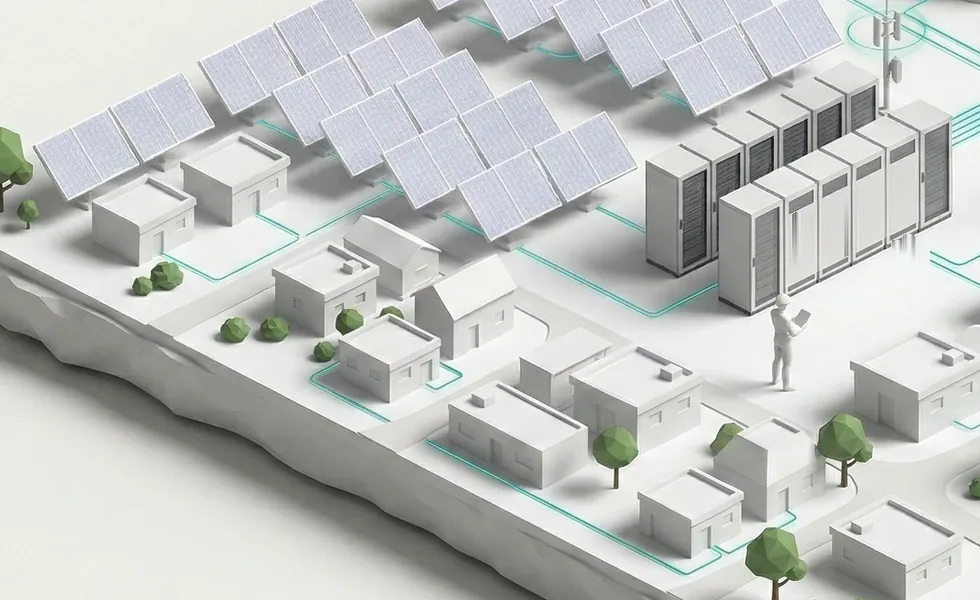 UnderwaySolar + battery micro-grid · Melghat, Maharashtra
A village without a grid. A solar and battery micro-grid that powers it.
- Village
- no grid connection
- Black start
- from standstill, no outside source
- 820
- homes on solar and battery
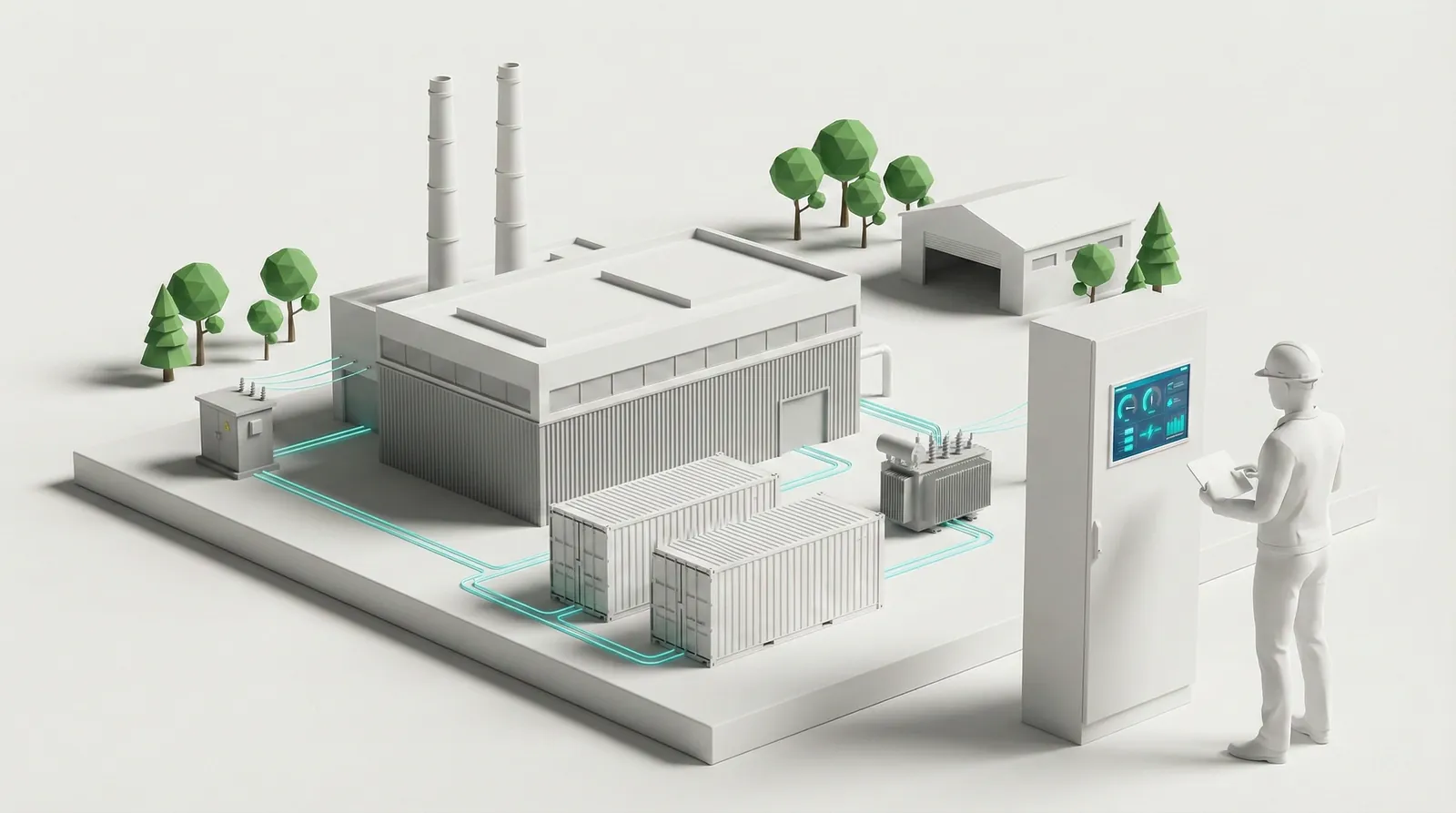 In testingIndustrial battery plant · Pune · 2.5 MW / 10 MWh
Two battery containers, two vendors, two languages. One EMS runs them as one plant.
- 2
- container makes, each with its own BMS protocol
- 1
- PCS and one EMS across both
- Hot-swap
- take a container out for service, plant keeps running
Tell us about your tile plant and its solar
Send what you know and get free expert advice on your plant. An Ingro engineer works out where your solar is being lost, what your kiln needs in a cut, and whether a battery or a cheaper step suits you, with size, cost and payback. If it makes sense, our team takes care of the rest: design, equipment from any maker, installation, help with the approvals, commissioning, Ingro EMS and maintenance.
What happens next: we reply within one working day, by phone or WhatsApp. No site visit is needed at this stage, and there is nothing to pay.