A battery for your grape pack-house or apple CA store: the hours after harvest, the season, and the diesel
Grapes picked in a Nashik vineyard in the morning have to be in the pre-cooler within hours, and the export cold store has to hold 0 to 1 °C with a data logger running. Apples from Shimla, Kinnaur or Sopore go into gas-tight rooms where the oxygen is pulled down and held there for months. Both sit on rural feeders, and both start a DG when the grid goes. This page is for the owner, the FPO or cooperative board, and the manager who looks after the plant, weighing a battery (BESS) of roughly 50 kW and up. Most of the refrigeration questions are the same as for a potato store, and the cold storage guide covers them; this page is about what is different for fruit: the clock after harvest, the export paperwork, the CA plant, a short season, and the subsidy routes.
Reviewed 16 November 2026 by Ingro Energy's project team
The short answer
- The hours that matter are the ones right after harvest. The National Horticulture Board's standard says one hour at 35 °C between harvest and pre-cooling can cost as much quality as 20 hours in proper storage, and it names forced-air cooling for grapes, in 2 to 6 hours. A cut during pre-cooling costs more than a cut in a full, cold store.
- In a CA store, the battery has to keep more than the compressors going: the gas analyser and controller, the CO₂ scrubber, the fans and, in the days after a room is sealed, the nitrogen generator.
- A unit from your DG costs about ₹30 in diesel alone; a grid unit stored in a battery costs about ₹11. But a grape pack-house that runs 4 months a year earns that saving for only 4 months. In our example the same battery pays back in about 9.8 to 14.7 years at a grape-only pack-house and about 4.9 to 7.4 years at an apple CA store that runs 8 months.
- Keep the DG. APEDA's pack-house recognition can be refused or cancelled if the pack-house does not hold a valid power generation facility, and its inspection form asks for your DG sets.
- If you are building or expanding with an MIDH, NHB or MoFPI subsidy, plan the battery into the project before sanction rather than after. Whether it can be counted in the subsidised cost is for the sanctioning agency to confirm.
The hours that matter after harvest
Fruit coming off the vine or the tree carries field heat, and it keeps breathing. The NHB technical standard for cold stores with pre-cooling (NHB-CS-Type 02-2010) puts the cost of delay plainly: for most fresh produce, one hour at a field temperature of 35 °C between harvest and pre-cooling can reduce quality as much as 20 hours in storage under proper conditions. It lists grapes among the produce that should be cooled as rapidly as possible, with on-farm pre-cooling if the trip to the cold store takes more than a few hours, and names forced-air cooling as the right method for grapes, at 2 to 6 hours to 'seven-eighths cool'. Its general design figure for a pre-cooler is 4 to 6 hours.
Apples are slower but not patient. The NHB standard for CA stores (NHB-CS-Type 03-2010) says a delay of one day at 21 °C after harvest takes 7 to 10 days off an apple's potential storage life at 0 °C, and a delay of three days in the orchard or a warm packing shed can take off as much as 30 days, even if the fruit then goes into CA at -1 °C. It asks for fruit to be under storage and CA conditions within 5 to 7 days of harvest.
So the demanding hours are not spread evenly through the year. At a grape pack-house they are the afternoons and evenings of the harvest months, when the morning's pick is in the forced-air tunnel. At a CA store they are the weeks of loading and sealing, when the rooms are being pulled down to temperature and the oxygen is being brought down.
A cut at those hours is the one that costs fruit. A cut in February with a cold store full of pallets already at 0 °C, doors shut, is a smaller problem. Look at your DG log against the harvest calendar before anyone sizes anything.
What the export paperwork checks
For grapes going to the EU, APEDA's procedure (Trade Notice of 17 February 2026) ties the cold store to the paperwork. The plant quarantine authority issues the phytosanitary certificate only after physically checking the produce at the APEDA-recognised pack-house, and after confirming that the data logger on the cold store holding the consignment has stayed in the range of 0 to 1 °C. At Agmark grading the inspecting officer stack-seals the consignment in the cold store, where the berries are to be at 0 to 1 °C and the humidity at 90 to 95%. Farms, pack-houses and laboratories are tracked on GrapeNet.
A cut that lets the cold store drift shows up on that data logger. A battery that takes over fast enough for the compressors not to trip keeps the refrigeration running through the cut, instead of leaving a gap on the logger while someone starts the DG and it loads up.
Two things a battery does not do. It does not change your residue results, which come from the vineyard's spray schedule and the laboratory. And it does not replace the DG on paper: APEDA's pack-house recognition procedure says a recognition can be refused, cancelled or suspended if the pack-house is 'not holding valid power generation facility', and its inspection form asks for the sanctioned load and the number and size of DG sets. The recognition is valid for three years.
What to back up in a CA store
A CA room holds apples at about -1 °C and 90 to 95% humidity, with oxygen and carbon dioxide each held at roughly 1 to 5%, against 21% oxygen in normal air (NHB-CS-Type 03-2010). The low oxygen and raised CO₂ slow ripening and storage disorders, which is how a CA store keeps apples for up to 10 months. The standard expects the gas levels to be measured and corrected automatically, by an analyser connected to a controller, and checked at least daily.
That makes the backup list longer than for a plain cold store. After a room is filled and sealed, its oxygen is brought down by flushing with nitrogen from a generator on site; the NHB text notes that the faster the low-oxygen atmosphere is reached after harvest and cooling, the better the apples come out. Excess CO₂ is taken out by a scrubber. Get either wrong for long and the fruit suffers: the standard describes both CO₂ injury and low-oxygen injury in stored apples.
| Load | On the battery? | Why |
|---|---|---|
| Refrigeration compressor(s) for the holding load, condenser pump or fans | Yes | Holds the rooms at about -1 °C. Size for the holding load, not the loading peak. |
| Evaporator (cooler) fans in the rooms | Yes | No air movement, no cooling, even with the compressor running. |
| Gas analyser, CA controller, PLC and temperature recorders | Yes, small | This is what keeps oxygen and CO₂ in range and the record unbroken. |
| CO₂ scrubber | Yes | CO₂ keeps building from the fruit's breathing whether or not the grid is on. |
| Nitrogen generator | In the loading weeks, yes | It works hardest while freshly sealed rooms are being pulled down; once they are at setpoint it runs less. |
| Humidifiers | If the cut is long | Short cuts can wait. |
| Grading line, washing, office, yard lights | No | Leave them to the grid or the DG. |
The NHB standard itself suggests one large DG for the pull-down period and a smaller one for holding. A battery can take the small DG's daily job; the large DG stays for loading and long cuts. How long your rooms can go without the scrubber or the analyser before the gas drifts depends on the room, the fruit and the variety: ask your CA plant supplier for that figure before anyone sizes a battery.
What to back up in a grape pack-house
A grape pack-house has two cold jobs: the forced-air pre-cooling tunnels, which take the field heat out of the morning's pick, and the cold store that holds packed pallets at 0 to 1 °C until the reefer container is loaded. The NHB standard describes a forced-air pre-cooler as a separate room from the cold store chamber and a much faster way of cooling.
| Load | On the battery? | Why |
|---|---|---|
| Pre-cooling tunnel refrigeration and its air handlers | Yes, during harvest | This is the field heat coming out. A stopped tunnel is lost hours on the NHB clock. |
| Cold store compressor, condenser and cooler fans | Yes | Keeps the 0 to 1 °C that the data logger records for the phytosanitary certificate. |
| Temperature and humidity recorders, alarms, controls | Yes, small | The record the inspector reads, and the alarm that tells you something stopped. |
| Packing hall lights, weighing scales, small conveyors | If you pack through cuts | Usually small; your choice. |
| Grading machines, reefer plug points, office | Usually no | A reefer on plug draws a lot; leave it to the DG unless it is part of the design. |
Getting this list right is most of the sizing. Which tunnels run at the same time in peak harvest, and how the compressors start, decide the inverter size, and that is work for the engineer who looks at your plant, not for this page.
Who keeps the fruit cold when the grid goes
The solid arrow is what is carrying the load. The dashed arrow is the DG waiting as backup.
A short season: count only the months the plant runs
A battery saves diesel only in the months the plant runs. The grape season is short: in 2026 the first export shipment of the season left Nashik for the Netherlands and Germany on 12 January, and hailstorms between 19 March and 3 April cut the late crop's export-grade volumes. A pack-house that handles only export grapes may stand idle most of the year.
An apple CA store has a longer year. In Himachal the apple season opens in mid-July, with Kinnaur's crop arriving last, and CA rooms then hold fruit for months, so the plant can run from August well into the next spring.
The months decide the payback more than anything else on this page. If your pack-house also handles pomegranate, onion, vegetables or rented cold space outside the grape months, count those months too, because the battery works for every load, not only grapes.
Work it out from your DG log
The diesel register for the season gives litres per month. With the DG hours on a normal day and the months the plant actually runs, that is all the calculator needs. Count the season's months only, not twelve.
Work it out from your season's diesel
Four numbers from the DG log or diesel register for the season. Nothing is sent anywhere until you ask us to check it.
Enter the diesel litres and DG hours for a running month to see the figures.
How this is worked out
- A DG set makes about 3.2 units per litre of diesel. A lightly loaded DG makes fewer, so your saving is probably higher.
- Grid power costs about ₹9 a unit, and a battery gives back about 85% of what it takes in. If your tariff is lower, the saving is higher.
- The battery is sized to carry one normal day's DG running on one charge.
- Installed cost is taken as ₹25,000 to ₹38,000 per kWh for a battery under 250 kWh, and ₹20,000 to ₹30,000 per kWh above that, before GST and before any subsidy. This is a working range, not a quote.
- Only the months you enter are counted. Fruit saved, DG servicing and roof solar are not counted.
- This is a first estimate. Compressor and tunnel starts, your real tariff and when in the day your cuts fall are checked before anyone gives you a price.
Get free advice for your plant and season
Leave your name and number. An engineer calls back with the size, cost and payback, and what the complete solution would involve.
Tell us about your pack-house or CA store ↓An example: the same plant, a grape season and an apple season
This is an illustration, not a real site. Its inputs: the essential load while the DG runs (pre-cooler or CA refrigeration, fans, controls) is about 60 kW, the grid is off about 4 hours on a normal day, and the DG covers every cut, burning about 2,250 litres of diesel a month at ₹95 a litre. We run it twice through the calculator's own sums: as a grape pack-house working 4 months a year, and as an apple CA store working 8 months. The months are our assumptions for the illustration.
- Diesel in a running month: about ₹2.1 lakh, for about 240 units a day from the DG.
- Battery to carry a normal day's cuts on one charge: about 270 kWh. Installed cost: about ₹54 lakh to ₹81 lakh before GST, before any subsidy.
- Saving in a running month: about ₹1.4 lakh, the same in both cases.
- Grape pack-house, 4 months: about ₹5.5 lakh a year saved, payback about 9.8 to 14.7 years.
- Apple CA store, 8 months: about ₹11 lakh a year saved, payback about 4.9 to 7.4 years.
On diesel alone, a grape-only pack-house is a weak case for a battery; the same battery at a store that runs most of the year is a reasonable one. Fruit saved is not counted here. If your records show fruit downgraded or rejected because of cuts during pre-cooling or loading, that belongs in the case too, but only from the records.
Subsidy routes for pack-houses, pre-cooling and CA stores
No scheme we found names a battery. What the schemes fund is the pack-house, pre-cooler and CA store themselves, and their electrical installation. The MIDH guidelines list solar panels, DG sets, transformers and electrical panels among the cold storage infrastructure to be promoted. Whether a battery can be counted as part of that electrical installation is a question to put to your State Horticulture Mission, NHB or MoFPI before you file, not after.
- MIDH (Operational Guidelines, April 2025), through the State Horticulture Mission: an integrated pack-house of 18 m × 22 m with sorting, grading, washing, pre-cooling and a cold room, up to ₹160 lakh per beneficiary; a pre-cooling unit up to ₹5 lakh per tonne; staging cold rooms up to ₹52 lakh; and a CA store (Cold Storage Type II with CA) at ₹12,000 per tonne up to 5,000 tonnes, with CA components up to ₹940 lakh a project. Assistance is credit-linked and back-ended at 35% in general areas and 50% in North-Eastern and Himalayan states and scheduled areas. Farmer groups and FPOs of at least 25 members may take the subsidy without a bank loan if they can meet their share. Every component has to follow the NCCD guidelines.
- NHB capital investment subsidy: for cold stores and CA stores, credit-linked and back-ended. Under the MIDH guidelines, stores up to 5,000 tonnes go through the state mission and those above 5,000 up to 10,000 tonnes through NHB. NHB's own scheme page still shows 40% (55% in hilly and scheduled areas) and a CA cost norm of ₹32,000 per tonne, while a PIB note of October 2025 gives 35% and 50%; ask NHB which applies to your file.
- MoFPI's Integrated Cold Chain and Value Addition Infrastructure scheme (under PM Kisan SAMPADA Yojana): grants of 35% of the eligible project cost in general areas and 50% in difficult areas (including Himachal Pradesh, Jammu and Kashmir and Uttarakhand) and for proposals from FPOs, SHGs and SC/ST groups, up to ₹10 crore a project. Its last approved outlay ran to March 2026; ask MoFPI whether a new call is open.
- Agriculture Infrastructure Fund: collateral-free term loans up to ₹2 crore with 3% a year interest subvention, for post-harvest assets including cold storage.
Back-ended means the subsidy is paid after the project is built and inspected, so the bank or your own funds carry the whole cost first. A battery bought later, outside the sanctioned project, will most likely have to stand on its own payback.
Solar on the pack-house roof
A pack-house or CA store has a large, flat roof and runs its refrigeration through the day, which is when panels produce. Ordinary grid-tied solar switches off in a cut. With a battery, the panels keep the plant running through a daytime cut and recharge the battery for the evening, when the day's pick is still in the pre-cooler.
The MIDH guidelines include a solar-powered cold room as a component, at the same 35% (50% in Himalayan and North-Eastern states) back-ended assistance. Solar also earns in the months the pack-house is idle, so it eases the short-season problem in a way the battery alone cannot. What happens to those idle-month units depends on your state's net-metering rules and your connection, so check them before planning the size. Have the roof's load checked before anyone plans panels.
Who signs: FPO board, cooperative, or the owner
In an FPO or cooperative, the manager or CEO usually builds the case and the board passes a resolution for a spend this size. If the battery is part of a subsidised project, it goes into the detailed project report that the bank appraises for the term loan and the State Horticulture Mission, NHB or MoFPI sanctions; the subsidy is released after the project is completed and inspected. Check your bye-laws for who can approve what. For a private pack-house or store, the owner decides.
Put three figures in front of whoever signs, each traceable:
- The cost, from turnkey quotations with the same scope: the same loads, the same hours, the same compressor and tunnel starts.
- The diesel saved, from the season's DG log, counted for the months the plant actually runs.
- The fruit side: consignments or lots downgraded, rejected or sold early in the last two seasons because of cuts, from your records. Leave it out if the records do not show it.
When a battery is not worth it
- Your pack-house runs only the grape months and stands empty the rest of the year. On diesel alone the payback is long, as the example shows. Solar, or a smaller battery for the pre-cooler and the controls only, fits better.
- Your feeder is off most of the day in season. The battery cannot recharge between cuts, and the DG runs anyway.
- Your DG mostly runs during loading, for the big pull-down. That is the large DG's job; a battery sized for it costs a lot and sits idle for the rest of the season.
- The rooms leak. A CA room that cannot hold its gas, or a cold store with poor insulation and doors, needs fixing first; MIDH and NHB both fund modernisation of insulation and refrigeration.
- The problem is residue or fruit quality from the vineyard. A battery keeps the plant running; it does nothing for what the laboratory finds.
For small farm-gate cold rooms, MNRE's draft standard for solar cold storage (February 2025) uses thermal (ice) storage as the backup instead of a battery. Thermal storage stores cooling only: it does not run the CA analyser, the scrubber, the nitrogen generator, the fans or the recorders. Keep the DG in every case: APEDA's recognition expects it, and it covers the long cut and the loading peak.
Cost and battery life, in brief
As a working range, an installed system costs about ₹20,000 to ₹35,000 per kWh of battery before GST, more per kWh for small systems; the battery cost guide has what a turnkey price includes. Systems of this kind use lithium iron phosphate (LFP) cells with their own management, cooling and fire detection. Heat and idle months both matter: keep the cabinet away from the condensers and out of the sun, and ask how it should be kept charged through the months the pack-house stands empty.
What a turnkey project covers for you
In a turnkey project, one team takes the whole job: it reads your DG log and harvest calendar, sizes the battery for the pre-coolers or CA rooms, designs how it ties into your existing changeover and DG, and supplies a battery from any established maker, the inverter and Ingro EMS to run them. It installs, helps you with the electrical approvals, commissions the system and maintains it, so you deal with one party in the harvest weeks. Ingro designs, integrates, commissions and maintains these systems; it does not make batteries.
What to ask before you sign
- Which loads exactly does it carry (pre-cooling tunnels, cold store, CA analyser and controller, scrubber, nitrogen generator), and for how many minutes of cut at peak harvest? In writing.
- Will it start my largest compressor, of this kW and with this starter, on battery alone, with the tunnel fans running?
- Does it take over fast enough that the compressors do not trip and the cold store's data logger shows no break?
- How does it tie into my existing DG changeover, so grid, battery and DG take over by themselves at night with nobody there?
- If this is part of an MIDH, NHB or MoFPI project, can the battery be included in the project cost, and who confirms that with the agency?
- How is the battery kept healthy through the months the pack-house stands idle, and who checks it before the next season?
- What is the warranty in years and cycles, and who comes, and how fast, if it stops in the middle of the harvest?
Useful next
- Cold storage: compressors, holding load and diesel for potato and multi-commodity stores
- Milk chilling centre: the same clock after collection, for dairies
- Battery or diesel generator: the full comparison
- What a battery system costs in India
- Factory with rooftop solar: using the units you waste
- BESS cabinets sold in India, with their specifications
- PCS (battery inverters): check the overload rating
- DG sets, to compare against
- Turnkey battery systems: design to O&M from one team
Questions pack-house owners and FPO boards ask
Will a battery keep my grape pre-cooler running through a cut?
It can, if it is sized for the tunnels that run together at peak harvest and its inverter can start the compressors. Ask for the minutes of cut it covers at peak harvest, in writing.
Can I drop the DG if I install a battery?
No. APEDA's pack-house recognition can be refused or cancelled without a valid power generation facility, and its inspection form asks for your DG sets. The battery takes the daily cuts; the DG stays for the long cut and the loading peak.
What does a CA store need to keep running in a cut, besides the compressors?
The evaporator fans, the gas analyser and CA controller, the CO₂ scrubber and the temperature recorders, and in the loading weeks the nitrogen generator. Ask your CA supplier how long your rooms can go without each.
Is there a subsidy for a battery at a pack-house or CA store?
No scheme we found names a battery. MIDH, NHB and MoFPI fund pack-houses, pre-coolers and CA stores at 35% in general areas and 50% in Himalayan and North-Eastern states (MoFPI also gives 50% to FPOs), and MIDH lists electrical installation, solar panels and DG sets among cold storage components. Ask the agency whether a battery can be included before you file.
Does it pay back if my pack-house runs only in the grape season?
On diesel alone, usually not quickly. In our example the same battery pays back in about 9.8 to 14.7 years over 4 months a year, against 4.9 to 7.4 years at a store running 8 months. Other produce in the off-season, solar, or a smaller battery for the essentials changes that.
Will a battery reduce export rejections?
It keeps the pre-cooler and cold store running through cuts, so the cold store's data logger stays in the 0 to 1 °C range APEDA's procedure checks. It does nothing for residue results, which come from the vineyard.
Sources
- NHB: Technical Standards for multi-commodity cold storage with pre-cooling, NHB-CS-Type 02-2010
- NHB: Technical Standards for Controlled Atmosphere stores, NHB-CS-Type 03-2010
- APEDA: Procedures for export of fresh table grapes to the EU, Trade Notice APEDA-QCT/13/2024-27, 17 Feb 2026
- APEDA: Revised procedure for grant of recognition certificate for horticulture produce pack-house, 14 Jun 2021
- MIDH Operational Guidelines, April 2025 (copy hosted by the Telangana State Horticulture Mission)
- NHB: Capital Investment Subsidy for cold storages and storages for horticulture produce
- PIB backgrounder, Oct 2025: Integrated Cold Chain and Value Addition Infrastructure (ICCVAI), with MIDH, NHB and AIF
- Free Press Journal, 12 Jan 2026: first grape shipment of the season leaves Nashik for the Netherlands and Germany
- FreshPlaza, 12 May 2026: Indian grape exports down 9.6% after weather damage in the 2025-26 season
- The Tribune, 15 Jul 2024: apple season kicks off in Himachal
- Indian Infrastructure, 17 Feb 2025: MNRE draft guidelines for solar cold storage with thermal storage backup
Sites that have benefited from battery storage
Different sites, same idea: use more of your own renewable power, cut the electricity bill, and keep running when the grid cannot keep up.
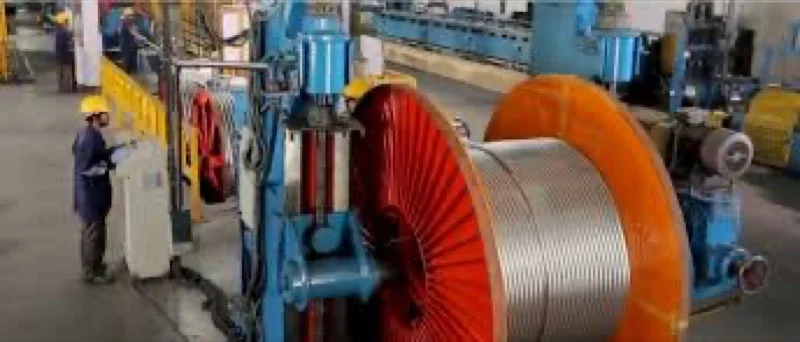 LiveAPAR Industries · Factory · 720 kW / 500 kWh battery
A factory whose process lines keep running through every dip in power.
- <1 ms
- response when the load jumps or the grid dips
- Zero
- gaps in power to the production lines
- End to end
- battery, PCS, controls and installation by one team
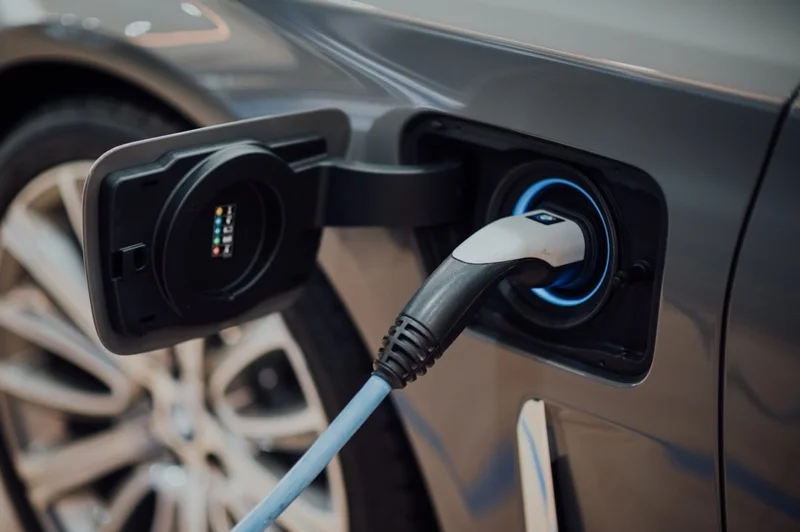 LiveEV charging hub · 260 kW / 580 kWh battery · India
Electric buses and cars keep charging, even when the grid is gone.
- 2.5×
- charging power from the same grid connection
- 1 s
- battery and PCS data, cell by cell
- Grid outage
- buses and cars still charge off the battery
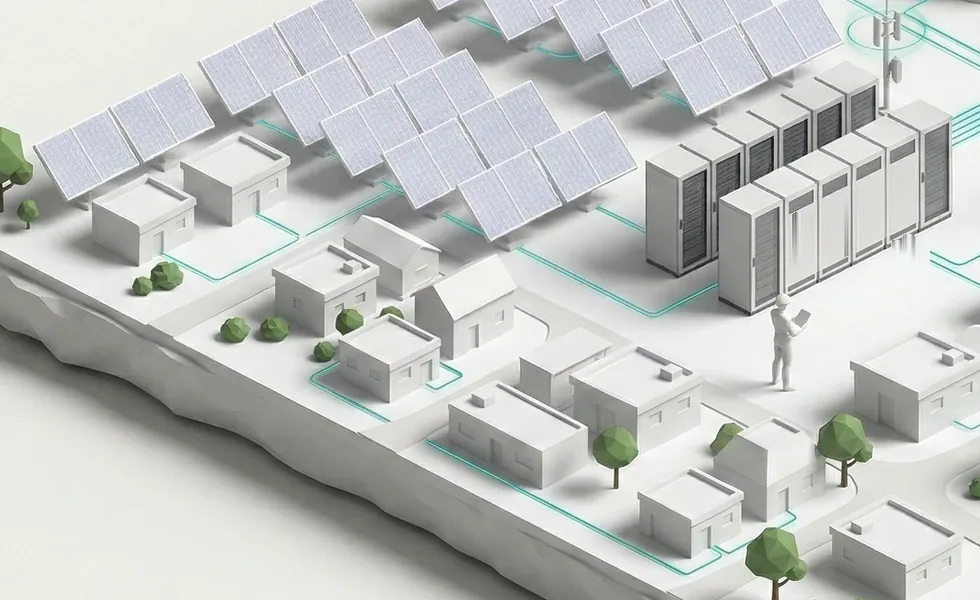 UnderwaySolar + battery micro-grid · Melghat, Maharashtra
A village without a grid. A solar and battery micro-grid that powers it.
- Village
- no grid connection
- Black start
- from standstill, no outside source
- 820
- homes on solar and battery
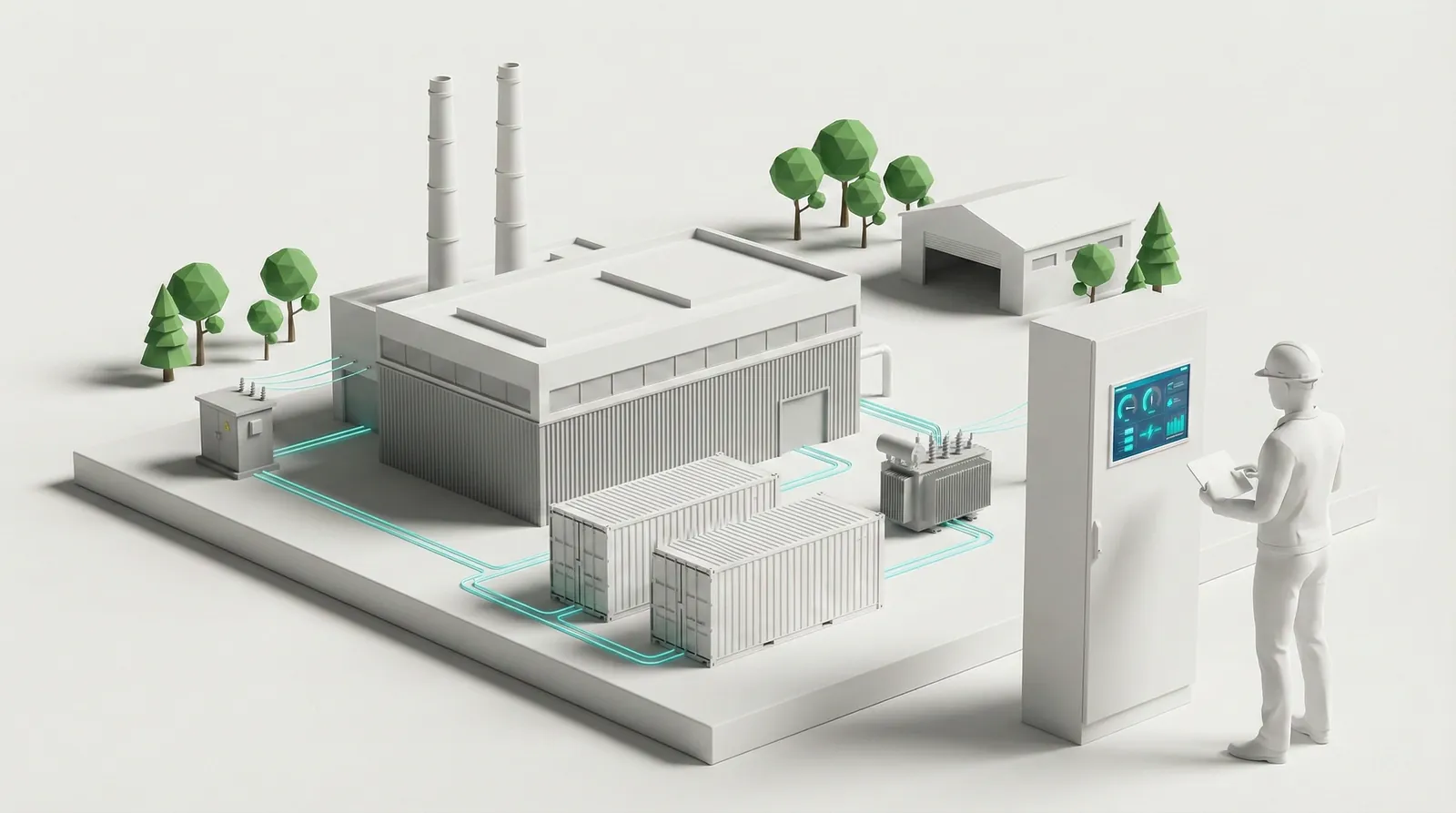 In testingIndustrial battery plant · Pune · 2.5 MW / 10 MWh
Two battery containers, two vendors, two languages. One EMS runs them as one plant.
- 2
- container makes, each with its own BMS protocol
- 1
- PCS and one EMS across both
- Hot-swap
- take a container out for service, plant keeps running
Tell us about your pack-house or CA store
Send what you know and get free expert advice on your case. An Ingro engineer works out the battery size, the cost and the payback for your season, and if it makes sense our team takes care of the complete solution: design, equipment from any maker, installation, help with the approvals, commissioning, Ingro EMS and maintenance.
What happens next: we reply within one working day, by phone or WhatsApp. No site visit is needed at this stage, and there is nothing to pay.