A battery for your poultry farm or hatchery: the minutes after a cut, and the diesel in summer
In an environment-controlled shed the birds live on the fans. When the feeder trips on a May afternoon or at 2 am, the fans and cooling pads stop, and the shed heats up within minutes. In a hatchery the setters and hatchers are the same story. The DG is supposed to start by itself; the night it does not, or there is no diesel, the loss is counted in birds. This page is for the farm owner, and the integrator's area manager who sets the rules for contract growers, weighing a battery (BESS) for a multi-shed EC farm or a hatchery of roughly 50 kW and up. It covers what the battery should carry, what it saves in diesel, your tariff and schemes, and says plainly when the DG alone is the better answer.
Reviewed 16 November 2026 by Ingro Energy's project team
The short answer
- The minutes matter more than the hours. An extension guide on tunnel ventilation puts lethal heat and humidity at 10 to 20 minutes into a power outage; for a hatchery, a closed hatcher that stops running loses most of its embryos and chicks within about 30 minutes.
- A battery that is set up for it takes over the moment the grid goes, fast enough that the fans keep turning, and the DG starts only if the cut outlasts it. The 2 am start that fails stops being a disaster and becomes a phone alert.
- On diesel: a unit from your DG costs about ₹30 in diesel alone; a grid unit stored in a battery costs about ₹11. Our example EC farm, with 5 hours of cuts a day through 6 hot months, pays back in about 6.5 to 9.8 years on diesel alone.
- Back up the tunnel fans, the cooling-pad pumps, the shed controller and alarms, and in a hatchery the setters, hatchers and room ventilation. Lights in the yard and the office can wait.
- Open-sided sheds with a few fans, or cuts that last most of the day with no solar, do not pay back a battery. Keep the DG in every case.
The minutes that matter: fans, pads and incubators
A closed shed full of grown birds makes a great deal of heat and moisture, and only the fans carry it out. Auburn University's guide to tunnel ventilation warns that during a power outage heat and humidity rise rapidly and reach lethal levels within 10 to 20 minutes, depending on the age of the birds, and tells growers to check and service back-up generators regularly.
It happens in India too. In May 2026 an EC farm on the edge of Malkangiri in Odisha lost more than 5,300 of its roughly 14,000 birds within three hours after a damaged transformer cut the power; the owner said the generator could not run because no diesel was to be had nearby, and put the loss at about ₹14 to 15 lakh.
A hatchery has even less margin. A Pas Reform hatchery specialist writes that in a non-running closed hatcher most embryos and chicks will die within 30 minutes, that hatchers come first in a power failure, and that setters with embryos past 15 days come next. Aviagen's hatchery maintenance guide adds that even a short period, under 30 minutes, of high incubation temperature can be catastrophic for hatchability and chick quality, and asks for power failure alarms on setters and hatchers.
Look at what your farm actually lost to cuts in the last two summers: birds dead, flocks with poor weight or feed conversion after a hot night, hatches below the usual rate. That, more than the diesel bill, is usually why a farm looks at a battery.
The 2 am problem: the gap before the DG takes the load
Even a DG that starts every time leaves a gap: the grid goes, the controller waits to be sure, the engine cranks and comes up to speed, and the changeover closes. On a good night that is under a minute. On a bad night the battery is flat, the fuel filter is choked, the auto-start does not fire, or there is simply no diesel in the tank, and nobody is awake to notice. Aviagen asks hatcheries to test standby generators every week under load for this reason.
A battery changes the order. It is always connected, so when the grid goes it can carry the fans and incubators straight away, before anything else has had time to start. The DG is asked to start only if the cut goes on longer than the battery can carry, and if it fails, the battery still gives the night staff time to reach it. That is why, for many farms, the first job of a battery is the gap, and the diesel saving is the second.
- A small battery that only bridges the gap until the DG is running protects the birds but saves little diesel.
- A larger battery that carries a normal day's cuts by itself also saves most of the diesel. The calculator below sizes this one.
- Which one fits is a question of how long your cuts last and how much your farm loses when the DG lets you down. An engineer can work out both for your sheds.
What to back up: fans, pads, controllers, setters and hatchers
Getting this list right is most of the sizing. A few loads cannot stop for a minute; several can wait for the grid or the DG.
| Load | On the battery? | Why |
|---|---|---|
| Tunnel and side-wall fans | Yes | The birds' air. In summer, size for the number of fans that run on a hot afternoon, not the minimum. |
| Cooling-pad pumps and foggers | Yes | Fans pulling hot dry air through dry pads give much less cooling. |
| Shed controller, sensors and alarms | Yes, small | Without them the fans do not stage and nobody is told. |
| Drinker and feed lines | Usually yes | Birds still need water through a long hot cut; feed lines can often wait. |
| Hatchery: hatchers, setters, room ventilation and the water chiller | Yes | Hatchers first, then setters with older embryos, as the hatchery guidance says. |
| Shed lights | Depends on the flock | Ask your vet or integrator whether the lighting programme can take a break in a cut. |
| Egg grading, office, yard lights, staff quarters | No, or lights only | Leave them to the grid or the DG. |
Fans and pumps are motors, and many of them starting at once when power returns pull far more than their running load. A battery system for a shed complex is designed for that start, not only for the running kW. You do not need the details yet; a list of your sheds with the fans, pumps and their sizes is enough for a first look.
Who runs the fans when the grid goes
The solid arrow is what is carrying the load. The dashed arrow is the DG waiting as backup.
Diesel in summer: what each unit from the DG costs
A DG makes roughly 3.2 units for every litre of diesel. At ₹95 a litre, every unit from the DG costs about ₹30, before oil, filters and servicing. A battery charged from the grid at about ₹9 gives back about 85% of what goes in, so a unit out of it costs about ₹11.
The farm in Malkangiri put its own DG at nearly 7 litres of diesel an hour. A farm's DG is often sized for the full fan load on the hottest day, so at night, or in a shed with young chicks, it runs lightly loaded and burns more per unit. That makes your real diesel cost per unit higher than the figure above, and the battery's case better, not worse.
| Where the unit comes from | Cost per unit to the farm |
|---|---|
| DG set (diesel only) | about ₹30 |
| Battery, charged from the grid | about ₹11 |
| Battery, charged from solar on the shed roofs | lower still |
Work it out from your DG log
The diesel register shows litres a month; that, the DG hours on a normal day and the months a year with cuts like these are all the calculator needs. Count only the months the fans really run hard and the cuts really come, usually the hot months. A hatchery runs all year, so count all twelve months if its cuts do.
Work it out from your farm's diesel
Four numbers from the DG register. Nothing is sent anywhere until you ask us to check it.
Enter the farm's diesel litres and DG hours to see the figures.
How this is worked out
- A DG set makes about 3.2 units per litre of diesel. A lightly loaded DG makes fewer, so your saving is probably higher.
- Grid power costs about ₹9 a unit, and a battery gives back about 85% of what it takes in. If your farm is on a lower poultry tariff, grid units cost less and the saving is higher.
- The battery is sized to carry one normal day's DG running on one charge.
- Installed cost is taken as ₹25,000 to ₹38,000 per kWh for a battery under 250 kWh, and ₹20,000 to ₹30,000 per kWh above that, before GST. Small systems cost more per kWh. This is a working range, not a quote.
- Birds and hatches saved, DG servicing saved and roof solar are not counted.
- This is a first estimate. Fan and pump starting, your real tariff and when in the day your cuts fall are checked before anyone gives you a price.
Get free advice for your farm
Leave your name and number. An engineer calls back with what a battery would carry, cost and save at your sheds.
Tell us about your farm or hatchery ↓An example EC broiler farm
This is an illustration, not a real farm. Its inputs: several EC sheds whose fans, pad pumps, feed lines and lights run at about 60 kW on a summer day; the DG covers about 5 hours of cuts a day and burns 3,000 litres of diesel a month in the 6 hot months, roughly March to August; diesel at ₹95 a litre. The cooler months, when the fans run less, are left out. The figures come from the same sums as the calculator above.
- Diesel today: about ₹2.9 lakh a month in those months.
- Units from the DG: about 320 a day. Average load while it runs: about 64 kW. Battery to carry a normal day's DG running: about 360 kWh.
- Installed cost: about ₹72 lakh to ₹108 lakh before GST.
- Diesel saved: about ₹1,83,000 a month, ₹11 lakh a year.
- Payback on diesel alone: about 6.5 to 9.8 years.
Birds saved are not in these figures, and neither is a lower poultry tariff (next section). On diesel alone a payback of this length is honest, not quick. The case usually rests on both together: what one bad night costs in birds, and the diesel saved every summer.
What your grid unit costs: poultry is often its own tariff line
The battery charges from the grid, so your tariff category changes the saving. Many owners assume poultry is billed as agriculture. In the two states we checked, it is not; it is billed as an industrial line, often at a lower rate than general industry.
In Telangana, poultry farms have their own line under LT-III Industry: in the FY 2023-24 schedule, ₹7.00 a unit against ₹7.70 for general LT industry, with a separate HT-I(A) line for larger poultry farms at ₹7.65 a unit at 11 kV. The agriculture category (LT-V) is a different line and poultry is not in it. TGERC kept its retail tariffs unchanged for FY 2026-27. In Tamil Nadu, hatcheries and poultry farms have been listed in HT Tariff IA, the industrial tariff, since 10 September 2022. Before that, one DISCOM billed a breeder farm and hatchery under the commercial tariff, and the Electricity Ombudsman upheld its claim for the difference in February 2025.
The calculator assumes about ₹9 a unit. If your farm pays less, each unit moved from the DG to the battery saves more than it shows. Check the category printed on your bill, and that it is the right one, before anyone works out a payback.
Schemes and loans: what they actually fund
No central scheme we could find pays specifically for a battery at a poultry farm. Two can help with the wider project:
- AHIDF (Animal Husbandry Infrastructure Development Fund): a 3% interest subvention on bank loans for private companies, MSMEs, individual entrepreneurs, Section 8 companies, FPOs and dairy cooperatives. The March 2024 guidelines added integrated projects for poultry farms and poultry feed, with related activities. Energy projects are named only under dairy, so a battery is not listed for poultry; ask your bank whether it can be part of an integrated farm project. Under those guidelines banks could sanction projects up to 31 March 2026, so ask whether new sanctions are open.
- NLM (National Livestock Mission) entrepreneurship: a 50% back-ended subsidy, up to ₹25 lakh, for a rural poultry unit with a parent farm of 1,000 hens and 100 cocks of low-input technology birds, a hatchery and a brooder-mother unit. It is meant for rural poultry, not commercial EC broiler farms.
If you grow for an integrator, ask them too: some arrange finance or equipment for their growers. Check what applies in your state before you budget.
Solar on the shed roofs
Long shed roofs are good roof space, and the fan load is highest on sunny afternoons, when panels give the most. Solar on its own does not help in a cut: ordinary grid-tied inverters shut down when the grid goes, just when the fans need power. Solar with a battery does: the panels run the fans through a daytime cut and charge the battery, and the stored units carry the evening and night.
Check the roof's strength and the sheds' ventilation openings before planning panels, and whether your DISCOM allows net metering on your tariff category. Our guide for factories with rooftop solar covers how a battery and solar work together.
Who decides: the owner, and the integrator's rules
On an independent farm or hatchery the owner decides. For a contract grower the integrator usually sets the shed standards and checks them, so ask what backup it expects and whether a battery counts toward it, before you buy. Put three figures in front of whoever signs, each traceable:
- The cost, from turnkey quotations with the same scope: the same sheds and loads, the same hours, the same fan start.
- The yearly diesel saved, from the DG register, as in the calculator.
- The birds and hatches lost to cuts in the last two years, from your flock records. Do not count it as rupees saved unless the records show it.
When a battery is not worth it for a poultry farm
- Open-sided sheds with a few ceiling fans and curtains. The birds are not living on the fans, and a small inverter or the DG is enough.
- Cuts that last most of the day, with no solar. The battery cannot recharge between cuts and the DG runs anyway. Look at solar with a smaller battery.
- Your cuts are rare and your DG starts reliably every time, with someone on site. Then the diesel saving is small and the gap is already covered.
- The fans, belts and pads are worn out and the shed cannot hold temperature even on grid power. Fix the shed first; a battery will not save a shed that is already failing.
Keep the DG in every case. The battery takes the moment of the cut and the daily cuts, and the DG starts only when a cut outlasts it, so it runs far fewer hours.
Cost and battery life, in brief
As a working range, an installed system costs about ₹20,000 to ₹35,000 per kWh of battery before GST, more per kWh for small systems; what a turnkey price includes is in the battery cost guide. Lithium iron phosphate (LFP) cabinets with their own battery management, cooling and fire detection are the usual choice. Heat and dust shorten battery life: the cabinet belongs in a ventilated room or shaded enclosure away from the shed exhaust, the litter dust and the pad water, not in the sun.
Turnkey: one team from the first check to the last service visit
You do not need to find a battery maker, an inverter supplier, an electrician and a maintenance firm and make them agree. Ingro takes the farm's project end to end: it works out from your DG register and shed load list what the battery should carry, designs it for your fans' start and your cut hours, supplies the battery from any maker with Ingro EMS, installs and commissions it with your DG and changeover, and maintains it for the long term.
It starts with the form below: tell us about the farm or hatchery, and an engineer comes back with free advice on your case. If a better DG auto-start or solar is the better answer, we say so.
What to ask before you sign
- When the grid goes, how fast does it take over, and do the fans and incubators keep running through it? In writing.
- Which loads exactly does it carry (fans, pad pumps, controllers, drinkers, setters, hatchers), and for how many minutes of cut on a summer afternoon with all tunnel fans on?
- Will it restart all my fans and pumps when they come back together, on battery alone?
- How does it tie into my DG and changeover, so grid, battery and DG take over by themselves at 2 am with nobody there, and who gets the alert?
- Where will the cabinet stand, away from heat, dust and pad water?
- What is the warranty in years and cycles, who comes when it stops in May, and how fast?
Useful next
- Milk chilling centre: the same question on a rural feeder
- Cold storage: compressors through the season
- Battery or diesel generator: the full comparison
- What a battery system costs in India
- Factory with rooftop solar: battery and solar together
- BESS cabinets sold in India, with their specifications
- DG sets, to compare against
- Turnkey battery systems: design to O&M from one team
Questions poultry farmers and hatchery owners ask
Will a battery keep my tunnel fans running in a power cut?
Yes, if it is sized for the fans that run on a hot afternoon and can restart them together. Set up to take over at once, it keeps the shed from going still while the DG starts. Ask for the changeover time in writing.
Can a battery run setters and hatchers in a hatchery?
Yes. Setters, hatchers and the room ventilation are a steady load that a battery carries well. Hatchers come first in the list, as hatchery guidance says.
How long will the birds last if the fans stop?
Not long in a closed shed with grown birds. An extension guide puts lethal heat and humidity at 10 to 20 minutes into an outage, depending on the birds' age. That is why the gap before the DG matters.
How much diesel will a battery save on my farm?
In our illustration of an EC farm with 5 hours of cuts a day for 6 hot months, about ₹11 lakh a year. Put your own litres into the calculator above.
Is poultry billed as agriculture? Does that change the saving?
In Telangana and Tamil Nadu, poultry is billed under an industrial line, not agriculture, sometimes at a lower rate than general industry. A lower rate makes the battery's units cheaper and the saving higher. Check the category on your bill.
Is there a subsidy for a battery at a poultry farm?
We found no scheme that pays for one specifically. AHIDF gives a 3% interest subvention on loans for integrated poultry farm projects; ask your bank whether a battery can be part of yours.
Will we still need the DG?
Yes. The battery covers the moment of the cut and the daily cuts; the DG stays for the long cut and runs far fewer hours.
Sources
- Auburn University (J. Donald, Extension Agricultural Engineer): A 10-Point Guide to Successful Tunnel Ventilation Management, point 9
- Odisha Bytes, 17 May 2026: power outage, no diesel, over 5,000 chickens die in 3 hours at a Malkangiri EC poultry farm
- Zootecnica Poultry Magazine, 21 Feb 2018 (M. Kolanczyk, Pas Reform): When the hatchery power supply fails
- Aviagen: Hatchery maintenance (alarms, monitoring, standby generators tested weekly under load)
- TGERC: Retail supply tariff schedule FY 2023-24 (LT-III poultry farms, HT-I(A) poultry farms, LT-V agriculture)
- Mercom India, 7 Apr 2026: Telangana retains existing retail power tariff for FY 2026-27
- Tamil Nadu Electricity Ombudsman, A.P. Nos. 86 and 87 of 2024, order of 4 Feb 2025 (hatcheries and poultry farms in HT Tariff IA from 10 Sep 2022)
- DAHD office memorandum, 26 Mar 2024: amended AHIDF guidelines (clause 6.4.4(d) poultry, 3% interest subvention, sanction dates)
- KLDB / KVASU: National Livestock Mission entrepreneurship guideline, Aug 2024 (rural poultry parent farm, hatchery and brooder-mother unit)
Sites that have benefited from battery storage
Different sites, same idea: use more of your own renewable power, cut the electricity bill, and keep running when the grid cannot keep up.
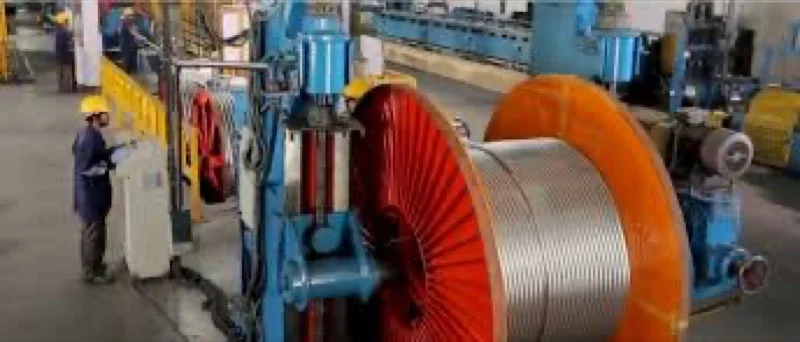 LiveAPAR Industries · Factory · 720 kW / 500 kWh battery
A factory whose process lines keep running through every dip in power.
- <1 ms
- response when the load jumps or the grid dips
- Zero
- gaps in power to the production lines
- End to end
- battery, PCS, controls and installation by one team
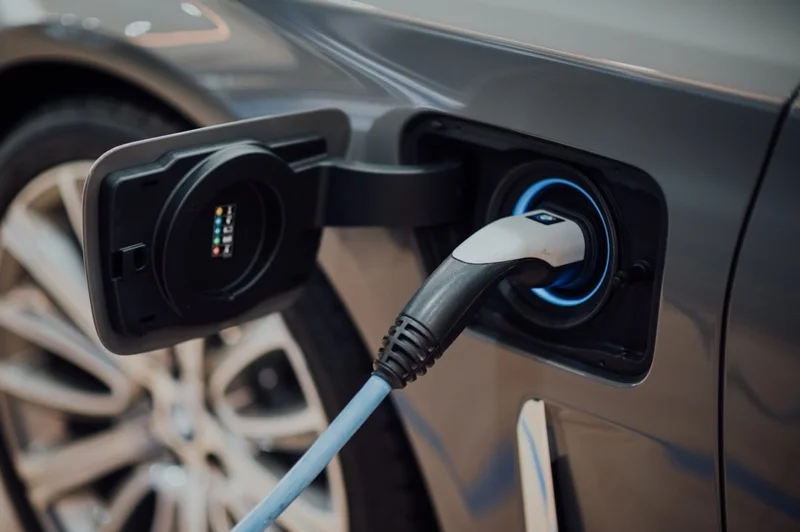 LiveEV charging hub · 260 kW / 580 kWh battery · India
Electric buses and cars keep charging, even when the grid is gone.
- 2.5×
- charging power from the same grid connection
- 1 s
- battery and PCS data, cell by cell
- Grid outage
- buses and cars still charge off the battery
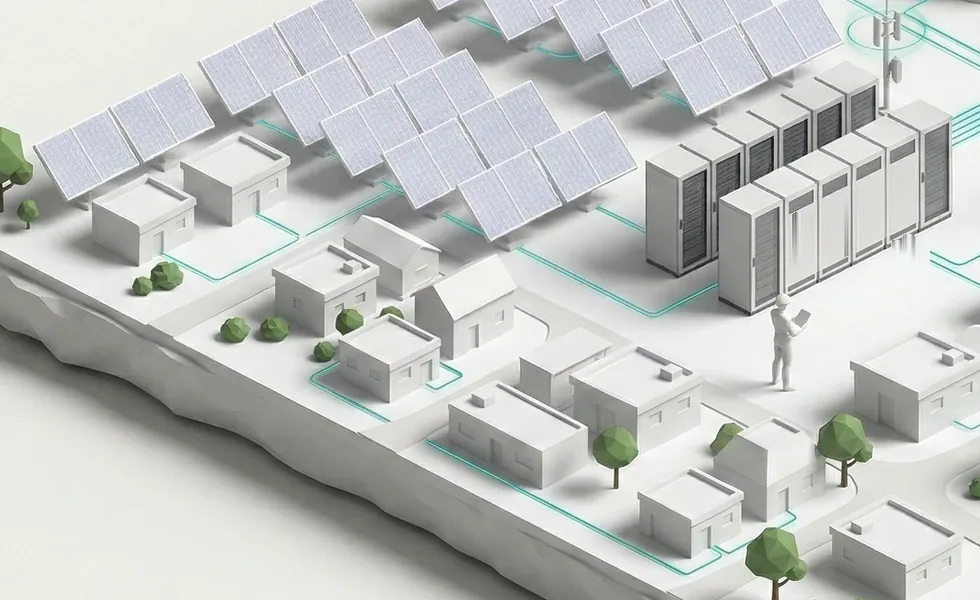 UnderwaySolar + battery micro-grid · Melghat, Maharashtra
A village without a grid. A solar and battery micro-grid that powers it.
- Village
- no grid connection
- Black start
- from standstill, no outside source
- 820
- homes on solar and battery
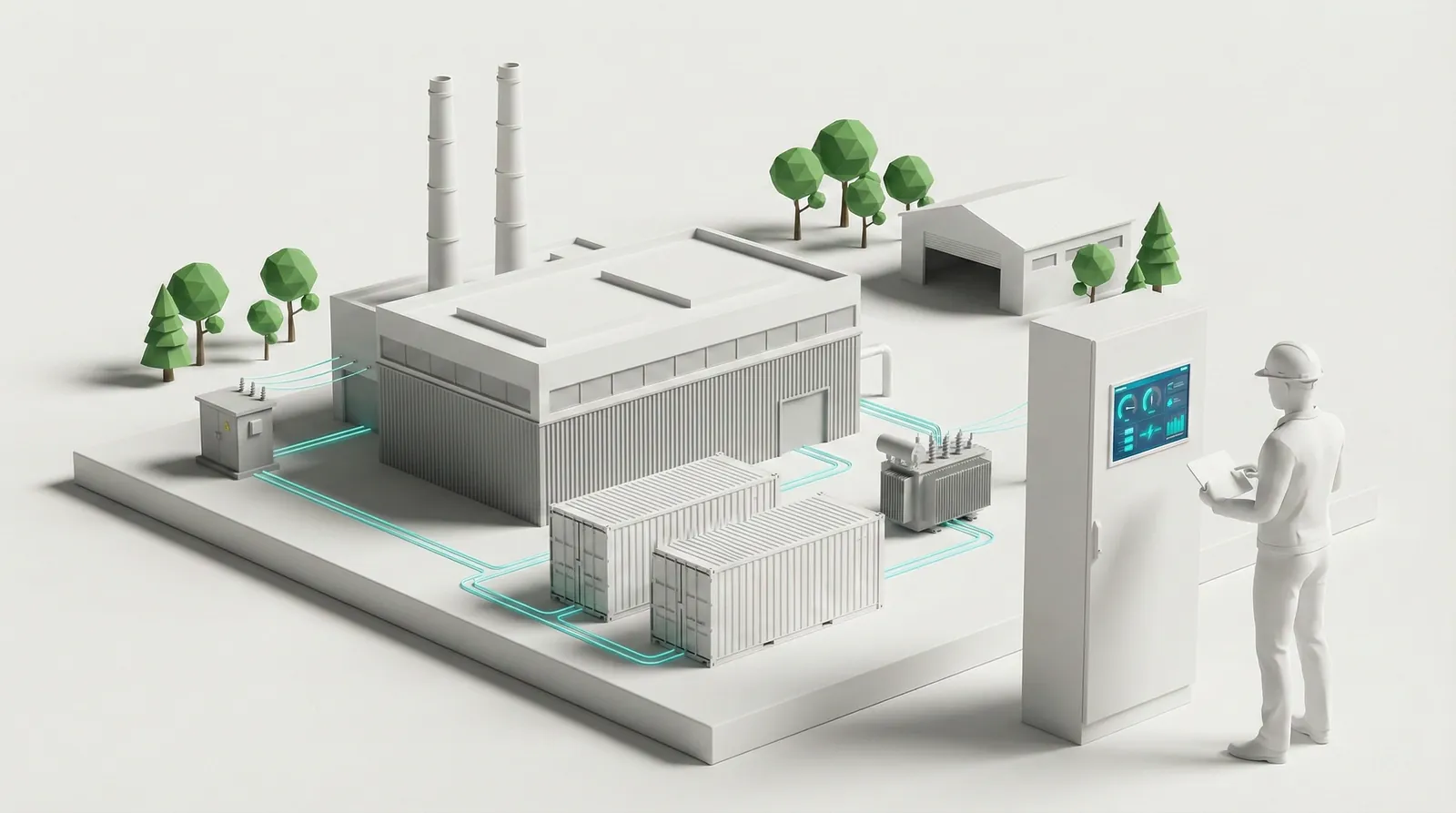 In testingIndustrial battery plant · Pune · 2.5 MW / 10 MWh
Two battery containers, two vendors, two languages. One EMS runs them as one plant.
- 2
- container makes, each with its own BMS protocol
- 1
- PCS and one EMS across both
- Hot-swap
- take a container out for service, plant keeps running
Tell us about your farm or hatchery
Send what you know. An Ingro engineer gives you free advice on your case: what the battery should carry, its size, the cost and the payback, in a form you can take to the owner or the integrator. If you go ahead, our team takes care of the rest, from site assessment and design to installation, commissioning and O&M.
What happens next: we reply within one working day, by phone or WhatsApp. No site visit is needed at this stage, and there is nothing to pay.