A battery for your seafood plant or ice plant: the freezers, the season and the diesel bill
The boats come in when they come in, and the catch has to be iced, frozen and put into the cold store the same day. The feeder at the harbour does not wait for that. This page is for the owner of a seafood export plant at Veraval, Porbandar, Kochi, Visakhapatnam or Paradip, and for the cooperative or owner running an ice plant that supplies the boats, weighing a battery (BESS) against the DG for a plant of roughly 50 kW and up. It works in diesel litres, rupees and freezer hours, keeps to what is different at a fish plant, and says plainly when a battery is the wrong answer. The general cold-store questions are in our cold storage guide, linked below.
Reviewed 16 November 2026 by Ingro Energy's project team
The short answer
- Your EIC approval says frozen fishery products are to be kept at not more than −18 °C in all parts of the product, with a temperature recorder at the warmest spot in the store. A cut that warms the store is a thermograph record an auditor or a buyer can read.
- A unit from your DG costs about ₹30 in diesel alone; a grid unit stored in a battery costs about ₹11. That is a saving of about ₹19 on every unit the battery takes off the DG.
- The hard part is not the cold store with its doors shut. It is a plate or blast freezer halfway through a batch, and the chill room full of fish waiting for it, when the grid goes.
- An ice plant is different: stored ice is already stored cold. If your cuts are predictable, make the ice when the grid is on and a battery adds little.
- Count only the months you actually process. The monsoon fishing ban stops the boats for about two months a year, and the freezers stand idle with them.
Two kinds of plant, one feeder
A seafood processing plant receives fish and shrimp, holds them in chill rooms, freezes them in plate freezers, blast freezers or an IQF line, and stores the frozen cartons until the container leaves. An ice plant makes block or flake ice and sells it to boats going out and to the plants that receive the catch. Many export plants have their own ice plant as well.
The person who signs is usually the owner of the export firm, or the board of the fishermen's cooperative that runs the ice plant. What keeps them awake is the same three things: a lot rejected or downgraded because the cold chain broke, the diesel bill in the months the feeder is bad, and a freezer that is down on the day the boats land a big catch.
The EIC rule: −18 °C in every part of the product
If you export, your plant is approved and monitored by the Export Inspection Agency under the Export Inspection Council's Executive Instructions for fish and fishery products. Those instructions set the temperatures your power has to hold:
- Frozen fishery products are to be kept at not more than −18 °C in all parts of the product (whole fish frozen in brine for canning may be kept at not more than −9 °C).
- The cold store needs a refrigeration system that keeps the product below −18 °C, an automatic temperature recorder (thermograph) with its sensor at the warmest place in the store, and an alarm.
- Even during defrosting, the store's temperature is to vary as little as possible so that the product does not rise above −18 °C.
- Chill rooms in pre-processing and processing are to hold 0 to 4 °C, and fresh fish is to be kept at a temperature approaching that of melting ice.
- Freezing equipment has to bring the product to its required core temperature within the stipulated time, and the approval inspection asks how long it takes to bring the core to −18 °C or below.
The approval application itself asks whether the plant has an alarm that warns of a power failure, and whether it has a generator. So the question is not whether you need backup; you already have it. The question is whether the daily cuts should be carried by a battery or by the DG.
A buyer's or auditor's first look in a cold chain complaint is often the thermograph chart. A battery that takes over at once can keep that line flat through the short cuts; a DG has to start and change over first, and the store is off while it does.
Freezer holding time: which cut actually hurts
Not every cut costs you product. A well-insulated cold store, full of frozen cartons with the doors kept shut, warms slowly; a short cut there is mostly a mark on the chart. Three other situations are where a cut does real damage:
- A plate or blast freezer partway through a batch. If it stops, the batch takes longer to reach −18 °C at the core, or has to be held and re-frozen, and the next batch waits. On a heavy landing day that backs up the whole plant.
- A chill room full of fish waiting to be frozen, especially in the afternoon heat at the harbour.
- The cold store during loading or defrosting, when doors are opening and the store is already working hardest.
Ask your plant engineer to note the cold store temperature every 30 minutes during the next cut, with the doors shut, and to log how far each freezer was into its batch. That record tells an engineer how many minutes your plant can be off, and so how much battery you need. It is the single most useful thing to bring to a sizing discussion.
Who keeps the freezers running when the grid goes
The solid arrow is what is carrying the load. The dashed arrow is the DG waiting as backup.
Ice plants: ice is already a battery
An ice plant stores cold for a living. Ice made at 2 am and kept in an insulated ice store is just as useful at noon. So for an ice plant the honest first question is not 'what battery do I need' but 'can I make my ice while the grid is on'.
- If your cuts are scheduled (a fixed load-shedding slot, or a feeder that goes off at known hours), shift ice-making to the other hours and keep enough ice in store to cover the cut. That costs nothing but a bigger ice store, and a battery cannot beat it on price.
- If your cuts are random and you sell to boats leaving on a tide, a stopped ice machine can mean boats waiting or going to the next plant. Here a battery for the flake ice machine or the brine agitator and its compressor, sized for the typical cut, can make sense.
- A block ice plant's brine tank also holds cold for a while on its own. A short cut slows the freezing; it does not melt the blocks.
Where a battery does earn its place at an ice plant is usually the rest of the site: the attached cold store, the plant that receives fish, or a DG that runs many hours a day across the whole fishing season.
The fishing season and the monsoon ban
Your load follows the catch. The Department of Fisheries imposes a uniform ban on fishing by all vessels in the Indian Exclusive Economic Zone beyond territorial waters every year. For 2026 it ran from 15 April to 14 June on the east coast (West Bengal, Odisha, Andhra Pradesh, Puducherry, Tamil Nadu, Andaman and Nicobar), and from 1 June to 31 July on the west coast (Gujarat, Daman and Diu, Maharashtra, Goa, Karnataka, Kerala, Tamil Nadu and Lakshadweep), 61 days each. Traditional non-motorised units are exempt.
States set their own ban inside territorial waters. Kerala, for example, announced a 52-day trawling ban from 9 June to 31 July in 2026. Check your own state's notification for the exact dates where you are.
So for about two months a year the plant receives little or no fish. The freezers and the ice machines stand idle, and only the cold store holding stock keeps running. In the season, by contrast, a heavy landing can push every freezer to run at once.
In the calculator below, put in the months you actually process and leave the ban months out. If the cold store alone still needs the DG through the ban, you can work that out separately; leaving it out keeps the figure on the cautious side.
What the battery should carry, and what it should not
| Load | On the battery? | Why |
|---|---|---|
| Cold store compressor, its condenser and the evaporator fans | Yes | This is the −18 °C your approval depends on. |
| Plate or blast freezer that is mid-batch | Yes, one at a time | A stopped batch is what costs product. Starting a new batch can wait for the grid or the DG. |
| Chill room (0 to 4 °C) | Yes | Fish waiting to be frozen. |
| Thermograph, alarms, controls, a few lights | Yes, small | The record and the warning must not stop. |
| Flake ice machine | Depends | Only if you cannot shift ice-making to grid hours. |
| Second and third freezers starting together, IQF line at full load | Usually no | These set a very large inverter. Leave them to the DG in a long cut. |
| Ice crusher, packing hall, peeling shed fans, office, ETP blowers | No | These can wait, or go to the DG. |
Getting this list right is most of the sizing, and it is the part a site engineer works out with you from the motor list. How compressor starting decides the inverter is covered in the cold storage guide.
Work it out from your DG log
A DG makes roughly 3.2 units for every litre of diesel. At ₹95 a litre, every unit from the DG costs about ₹30, before oil, filters and the operator. A battery charged from the grid at about ₹9 gives back about 85% of what goes in, so a unit out of it costs about ₹11. A DG sized for every freezer starting at once runs lightly loaded through an ordinary cut and burns more per unit than this, which makes the battery look better, not worse.
Your diesel register or DG log gives the litres a month in the season, and the DG hours on a normal day. Put in the months you process, not twelve.
| Where the unit comes from | Cost per unit to the plant |
|---|---|
| DG set (diesel only) | about ₹30 |
| Battery, charged from the grid | about ₹11 |
| Battery, charged from roof solar | lower still |
Work it out from your plant's diesel
Four numbers from the DG log or diesel register, for the fishing season. Nothing is sent anywhere until you ask us to check it.
Enter your plant's diesel litres and DG hours to see the figures.
How this is worked out
- A DG set makes about 3.2 units per litre of diesel. A lightly loaded DG makes fewer, so your saving is probably higher.
- Grid power costs about ₹9 a unit, and a battery gives back about 85% of what it takes in.
- The battery is sized to carry one normal day's DG running on one charge.
- Installed cost is taken as ₹25,000 to ₹38,000 per kWh for a battery under 250 kWh, and ₹20,000 to ₹30,000 per kWh above that, before GST. Small systems cost more per kWh. This is a working range, not a quote.
- DG servicing saved, product no longer rejected, and roof solar are not counted.
- This is a first estimate. Freezer starting current, your real tariff and when in the day your cuts fall are checked before anyone gives you a price.
Get free advice for your plant
Leave your name and number. An engineer calls back with the size, cost and payback for your plant, and what the complete solution would involve.
Tell us about your plant ↓An example plant on the west coast
This is an illustration, not a real plant. A seafood export plant with plate freezers, a −18 °C cold store, chill rooms and a small flake ice machine. The DG covers about 3 hours of cuts on a normal day and burns 2,400 litres of diesel a month in the season. We count 10 months: the two months of the west-coast fishing ban are left out. Diesel at ₹95 a litre. The figures come from the same sums as the calculator above.
- Diesel today: about ₹2.3 lakh a month in the season.
- Units from the DG: about 256 a day. Average load while it runs: about 85 kW. Battery to carry a normal day's DG running: about 290 kWh.
- Installed cost: about ₹58 lakh to ₹87 lakh before GST.
- Diesel saved: about ₹1.5 lakh a month, about ₹15 lakh over the season.
- Payback: about 4.0 to 5.9 years.
The average load hides the start. A freezer compressor's starting surge can be well above 85 kW, and the inverter has to be chosen for it, which can lift the price above this range. Lot rejections avoided are not counted here; count them only if your QC records show them.
Siting a battery near the sea
A plant on the harbour front breathes salt air, and salt air corrodes metal enclosures, busbars, cable lugs and fan blades faster than inland. Add the wash-down water, ammonia or brine in the plant room, and monsoon rain driven sideways, and the battery's location matters as much as its size.
- Keep the cabinets indoors or in a closed, ventilated room on the landward side, away from the wash-down area, the brine tank and the condenser's spray.
- Put them on a plinth above any flooding or wash water.
- Ask what corrosion protection the cabinet and its cooling unit have for a coastal site, and what the warranty says about it.
- Keep them out of direct sun and away from the condensers' hot air; heat shortens battery life.
This is general advice for any electrical equipment on the coast; the engineer who surveys your site should confirm the spot.
PMMSY: what the scheme funds, and what it does not
The Pradhan Mantri Matsya Sampada Yojana (PMMSY) is the Department of Fisheries' main scheme for fishing harbours, ice plants, cold storages and other post-harvest infrastructure. By 2025 it had approved ₹1,568.11 crore for 734 ice plants and cold storages along with fish markets, kiosks and value-added units, and it carries an allocation of ₹2,500 crore for 2026-27.
- For beneficiary projects run through the states, the Centre and the state together give up to 40% of the project or unit cost for the general category and 60% for SC, ST and women beneficiaries.
- Ice plants and cold storages have fixed unit costs. One state fisheries department lists ₹40 lakh for a plant of at least 10 tonnes, ₹80 lakh for 20 tonnes and ₹120 lakh for 30 tonnes, with the 40% or 60% applied to that.
- Under PMMSY's Entrepreneur Model, women entrepreneurs can get up to 60% of the project cost, up to ₹1.5 crore per project.
We found no PMMSY item that names a battery or a backup power system for an ice plant or cold storage. The scheme pays for the plant; whether a battery can be part of the project report for a new or modernised ice plant is a question for your district fisheries office before you budget on it. A battery added to an existing plant should be planned to pay back on diesel alone.
Who signs, and what to put in front of them
In an export firm, the owner decides, often on the plant manager's or QC head's word. In a cooperative ice plant, the board passes a resolution. Either way, three figures each traceable to a record carry the decision:
- The cost, from turnkey quotations with the same scope: the same loads, the same hours, the same freezer start.
- The diesel saved over the season, from the DG log, as in the calculator.
- The product side: lots rejected, downgraded or re-frozen in the last season because of a cut, from your QC and thermograph records. Leave it out of the rupees unless the records show it.
The EIC instructions ask an approved plant to apply to its Export Inspection Agency office before adding facilities such as a cold store, an ice plant or a freezer. A battery is not on that list, but if the cabinets go inside the approved premises, tell your EIA office what is being installed and where.
When a battery is not worth it
- Your plant is on a good industrial feeder with rare cuts. There is little diesel to save; keep the DG as insurance and spend the money on the freezers.
- You run an ice plant and can move ice-making to grid hours. Stored ice is cheaper stored cold than a battery is.
- Your DG mainly runs to start several freezers at once on a landing day. A battery that carries that peak is large and expensive; staggering the starts, or leaving that hour to the DG, costs far less.
- The feeder is off for most of the day in the season, with no roof solar. The battery cannot recharge between cuts and the DG runs anyway.
- The cold store's insulation, doors or air curtains are poor and it warms fast on good power. Fix the store first.
Keep the DG in every case. The battery takes the everyday cuts and the DG starts only when a cut outlasts it, so it runs far fewer hours and at a proper load when it does.
Cost and battery life, in brief
As a working range, an installed system costs about ₹20,000 to ₹35,000 per kWh of battery before GST, more per kWh for small systems; what a turnkey price should include is in the battery cost guide. Lithium iron phosphate (LFP) cabinets with their own battery management, cooling and fire detection are the usual choice; compare warranties in years, cycles and capacity left at the end.
What a turnkey project covers for you
With a turnkey project you deal with one team. Ingro works out which freezers, stores and chill rooms the battery should carry from your motor list and cut records, designs the system, supplies the battery from any maker along with Ingro EMS to run it, installs and commissions it with your DG and changeover, and maintains it through the season. Ingro does not make batteries; it designs, integrates, commissions and maintains the system around them.
What to ask before you sign
- Will it keep the cold store and one mid-batch plate freezer running, with this compressor and this starter, on battery alone? In writing.
- How many milliseconds does it take to take over, and will the thermograph show the cut?
- Which loads exactly does it carry, and for how many minutes of a normal cut in the season?
- How does it tie into my DG and changeover, so grid, battery and DG take over by themselves at night with nobody there?
- For an ice plant: how does this compare with simply making and storing more ice while the grid is on?
- What corrosion protection does the cabinet have for a site this close to the sea, and where will it stand?
- What is the warranty in years and cycles, and who comes, and how fast, if it stops on a landing day?
Useful next
- Cold storage: compressor starting, the season and which loads to carry
- Milk chilling centre: the same question at collection time
- Factory with a DG set: motor starting and diesel
- Battery or diesel generator: the full comparison
- What a battery system costs in India
- BESS cabinets sold in India, with their specifications
- PCS (battery inverters): check the overload rating
- Turnkey battery systems: design to O&M from one team
Questions plant owners and ice plant societies ask
Will a battery keep my cold store at −18 °C through a cut?
Yes, if it is sized for the cold store's compressor and its inverter can start it. Because it takes over without the DG's start-up gap, the thermograph line stays flat through ordinary cuts. Ask for the cut length it covers, in minutes, in writing.
Can it run my plate freezers too?
One freezer finishing its batch, usually yes. Every freezer starting at once on a landing day needs a very large inverter; that peak is usually cheaper left to the DG.
I run an ice plant. Do I need a battery?
Often not. Ice is stored cold already: if your cuts are predictable, make ice while the grid is on and keep it in the ice store. A battery makes sense when cuts are random and boats cannot wait, or for an attached cold store.
Should I count the fishing ban months?
No. Put in the months you actually process. The 2026 uniform ban ran 1 June to 31 July on the west coast and 15 April to 14 June on the east coast; your state's own dates may differ.
Does PMMSY pay for a battery?
We found no PMMSY item that names one. The scheme gives 40% (60% for SC, ST and women) of fixed unit costs for ice plants and cold storages. Ask your district fisheries office whether backup power can go into the project report.
Will we still need the DG?
Yes. The battery covers the everyday cuts; the DG stays for the long cut and the landing-day peak, and runs far fewer hours.
Sources
- Export Inspection Council of India: Scheme for approval and monitoring of establishments processing or storing fish and fishery products for export, Executive Instructions EIC/F&FP/Ex. Inst./August/2005, Issue 3, with amendments
- Department of Fisheries, Government of India: order of 16 March 2026, uniform fishing ban in the Indian EEZ (east coast 15 April to 14 June, west coast 1 June to 31 July 2026)
- Telangana Today, June 2026: Kerala announces 52-day monsoon trawling ban from June 9
- PIB, 20 May 2020: Cabinet approves Pradhan Mantri Matsya Sampada Yojana (funding pattern)
- PIB, 19 Aug 2025: PMMSY for women (60% of unit cost; Entrepreneur Model ceiling ₹1.5 crore)
- PIB backgrounder, September 2025: Blue Waves of Progress, 5 years of PMMSY (734 ice plants and cold storages)
- PIB backgrounder, 6 April 2026: Advancing India's Fisheries Sector (PMMSY allocation for 2026-27)
- Fisheries Department, Haryana: PMMSY subsidy for an ice plant or cold storage of minimum 10 tonnes (unit cost ₹40 lakh)
- Fisheries Department, Haryana: PMMSY subsidy for an ice plant or cold storage of minimum 20 tonnes (unit cost ₹80 lakh)
- Fisheries Department, Haryana: PMMSY subsidy for an ice plant or cold storage of minimum 30 tonnes (unit cost ₹120 lakh)
Sites that have benefited from battery storage
Different sites, same idea: use more of your own renewable power, cut the electricity bill, and keep running when the grid cannot keep up.
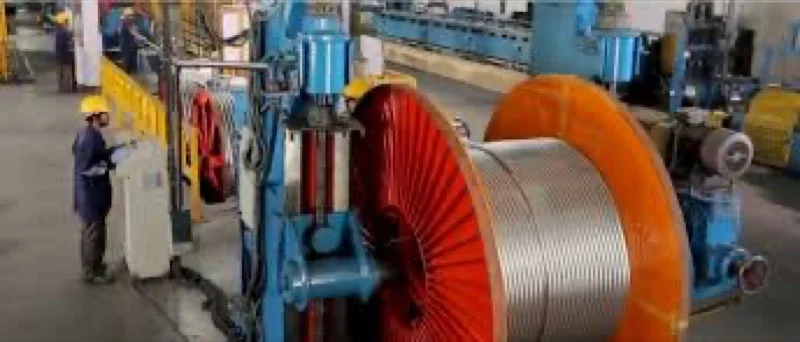 LiveAPAR Industries · Factory · 720 kW / 500 kWh battery
A factory whose process lines keep running through every dip in power.
- <1 ms
- response when the load jumps or the grid dips
- Zero
- gaps in power to the production lines
- End to end
- battery, PCS, controls and installation by one team
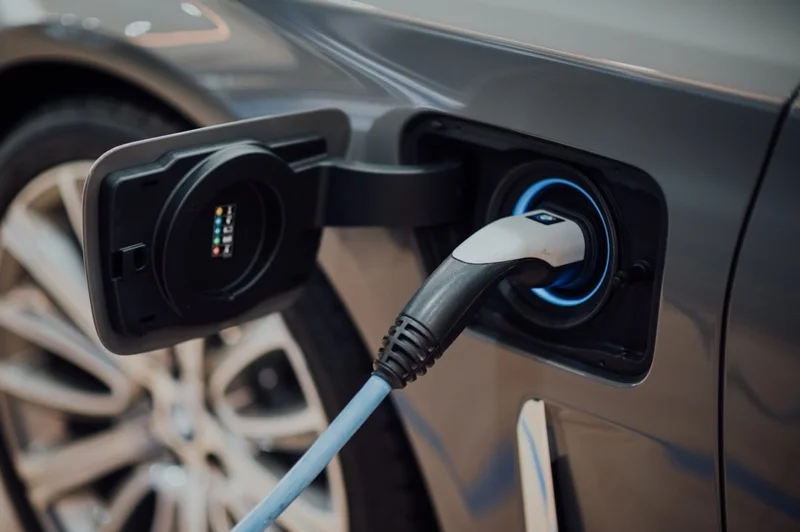 LiveEV charging hub · 260 kW / 580 kWh battery · India
Electric buses and cars keep charging, even when the grid is gone.
- 2.5×
- charging power from the same grid connection
- 1 s
- battery and PCS data, cell by cell
- Grid outage
- buses and cars still charge off the battery
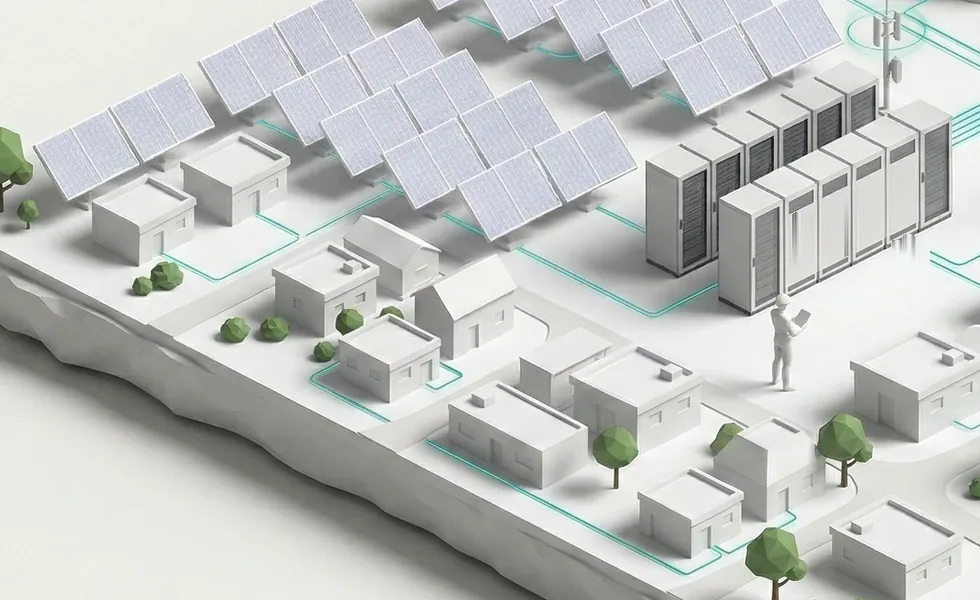 UnderwaySolar + battery micro-grid · Melghat, Maharashtra
A village without a grid. A solar and battery micro-grid that powers it.
- Village
- no grid connection
- Black start
- from standstill, no outside source
- 820
- homes on solar and battery
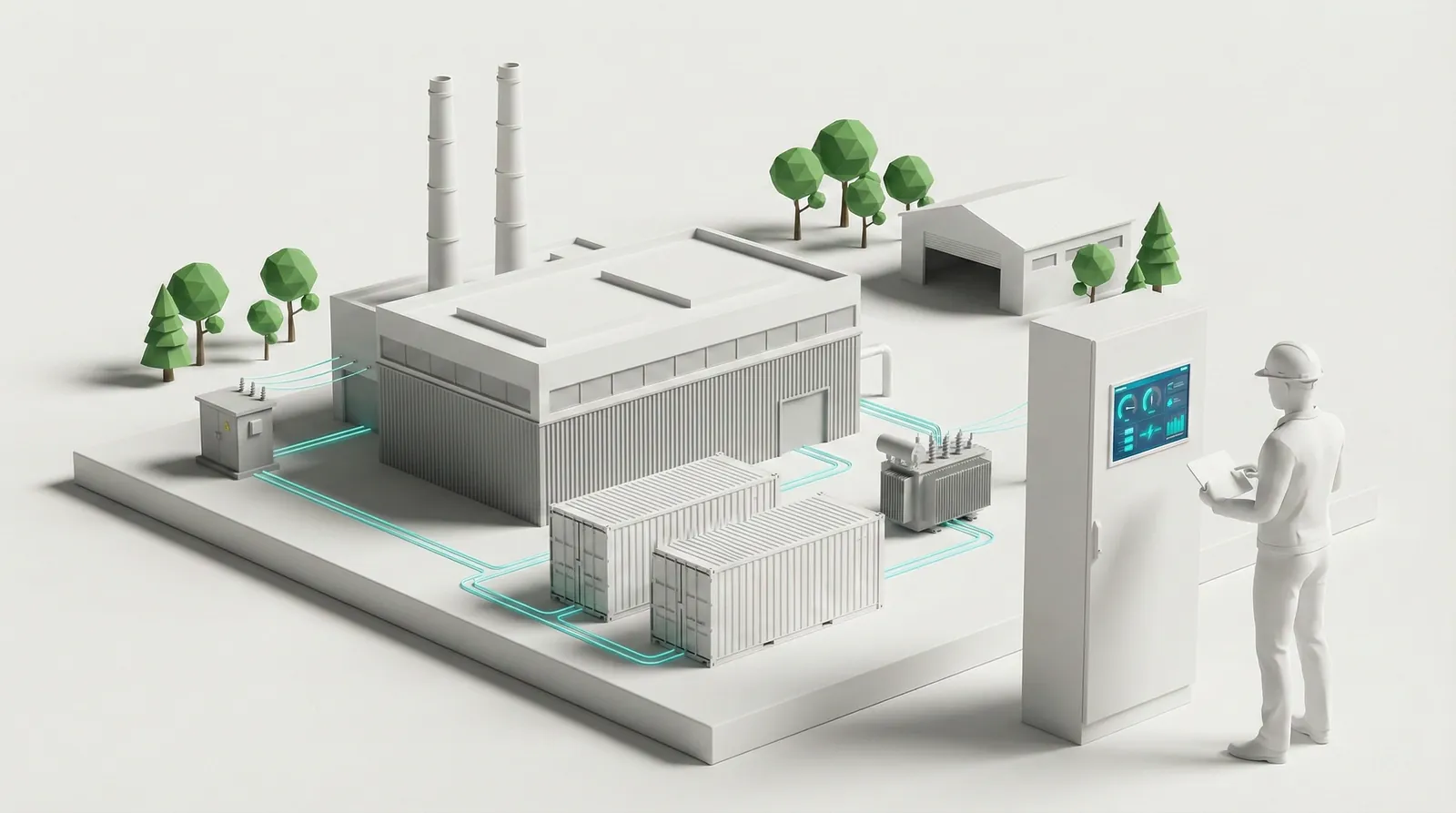 In testingIndustrial battery plant · Pune · 2.5 MW / 10 MWh
Two battery containers, two vendors, two languages. One EMS runs them as one plant.
- 2
- container makes, each with its own BMS protocol
- 1
- PCS and one EMS across both
- Hot-swap
- take a container out for service, plant keeps running
Tell us about your plant
Send what you know. An Ingro engineer gives you free expert advice on your plant: what the battery should carry, its size, cost and payback over the season. If you go ahead, our team designs and delivers the complete solution, from equipment and installation to commissioning, Ingro EMS and maintenance.
What happens next: we reply within one working day, by phone or WhatsApp. No site visit is needed at this stage, and there is nothing to pay.