Battery backup for a temple, gurudwara or trust campus: festival crowds, the kitchen and the diesel bill
On an ordinary evening the cut comes during aarti or the evening path, and for a minute the hall, the queue lines and the PA go dark until the DG starts. On a festival day the same minute happens with tens of thousands of devotees inside. This page is for the trust board, managing committee or temple administration (and, for a government-administered temple, the endowments department) weighing a battery (BESS) for a large campus: the shrine, the langar or annadanam kitchen, dharamshala rooms, lighting, sound, CCTV and pumps, roughly 50 kW and up. It covers what must not go dark, the tariff your bill is on, the diesel, solar, the approval route, and when a battery is not worth it.
Reviewed 16 November 2026 by Ingro Energy's project team
The short answer
- A battery picks up the load the moment the grid fails, so the lights, CCTV and PA never blink while the DG starts. NDMA's crowd management guide lists a power failure that causes panic and a sudden rush among the causes of crowd disasters.
- A unit from your DG costs about ₹30 in diesel alone. A unit stored in a battery from the grid costs about ₹11, less on a concessional places-of-worship tariff and less again from your own roof.
- Put the safety and service loads on the battery: queue and pathway lighting, CCTV and the control room, PA, drinking-water pumps, the kitchen's exhaust and lights, dharamshala corridors. Leave festival decorations, stalls and the extra pandal on a rented DG for those days.
- In the worked example below, a campus burning 1,500 litres a month saves about ₹9.2 lakh a year and pays back in about 4.9 to 7.5 years. The calculator shows which side your campus is on.
- It is not worth it if your DG rarely runs, or if the only big loads are a few festival days a year. Rent a DG for those.
Festival days: what must not go dark
The 2014 guide from the National Disaster Management Authority (NDMA), Managing Crowd at Events and Venues of Mass Gathering, lists the electrical causes of crowd disasters plainly: lack of adequate flood lighting of the assembly area and the pathways, "electricity supply failure creating panic and triggering a sudden exodus", and short circuits from generators. It asks for a public address system laid out to all key points with its cabling secured "to prevent PA system failure", CCTV watched from a control room, and, in its event checklist, "emergency power and lighting arrangements".
A DG on its own leaves a gap: it takes some seconds to a minute to start and take the load, and on a festival night that is when a crowd turns. A battery on the right circuits closes that gap and carries them until the DG is running or the grid is back. Make a list with your electrician of what must stay on without a blink:
- Lighting on the queue lines, ramps, stairs, the darshan route, the parikrama path and every exit, and the exit signs.
- CCTV cameras, the recorder and the control room; the PA system and its amplifiers; wireless chargers for volunteers and police.
- The sanctum and main hall lighting, and the sound for the aarti, kirtan or path, so the service itself does not stop.
- Drinking-water pumps and RO plants, the first-aid room, and lifts where devotees use them.
- The kitchen's exhaust fans and lights, so the hall does not fill with smoke when hundreds are cooking.
What stays off the battery: decorative lighting, LED screens for the overflow crowd, stalls, temporary pandals and extra air conditioning brought in for the festival. Those are big for a few days and nothing the rest of the year, and they belong on a DG hired for the occasion.
Your district administration and police may set their own conditions for a large festival. Ask them for the current written requirements and show them to whoever designs the system.
Your bill: the places-of-worship tariff, and the parts that are billed commercially
Most states bill places of worship apart from shops and offices, often cheaper, and the category name on your bill matters for the sums. Three examples. In Telangana, the FY 2023-24 tariff schedule created HT-II(B) "Wholly Religious Places" at ₹5.00 a unit and ₹260 per kVA of demand, against ₹8.80 and ₹475 for HT-II(A) "Others" at 11 kV; LT-VII(B) for religious places is also ₹5.00 a unit. In Tamil Nadu, "actual places of public worship" are on LT tariff IIC: for FY 2025-26 the regulator approved ₹6.20 a unit for the first 120 units in two months (the state pays ₹3.15 of it) and ₹7.50 a unit beyond, with no subsidy, so a large shrine pays the full rate on almost all its units. In Maharashtra, MSEDCL bills "premises used exclusively for worship, such as temples, gurudwaras, churches, mosques" under the residential category.
Read the fine print too. Maharashtra's schedule adds that halls, gardens or any other part of such premises let out for a consideration or used commercially are charged the commercial LT-II tariff. Marriage halls, rented dharamshala rooms, shops and canteens on the campus may sit on a separate commercial meter at a higher rate. Know which loads are on which meter before anyone sizes a battery.
The second bill is the diesel. At ₹95 a litre and about 3.2 units per litre, a DG unit costs about ₹30 before servicing, oil and the operator's time.
| Where the unit comes from | Cost per unit to the trust |
|---|---|
| DG set (diesel only) | about ₹30 |
| Battery, charged from the grid | about ₹11 (less on a concessional tariff) |
| Battery, charged from your rooftop solar | lower still |
Telangana's schedule also has time-of-day pricing for HT-II(B): ₹1 a unit more from 6 to 10 am and 6 to 10 pm, ₹1 less from 10 pm to 6 am. Charging at night and using it in the evening saves about ₹2 a unit before losses. That alone will not pay for a battery; the diesel and the safety case have to.
Where a campus's power goes, and when
A large campus is several sites on one connection. The shrine and halls carry lighting, sound and fans from before dawn to late night, with peaks at the morning and evening services. The langar or annadanam kitchen runs flour kneaders, chapati machines, mixers, dishwashers, exhausts and cold rooms through the day. Dharamshala rooms load up in the evening and at night with fans, lights, geysers and, in some blocks, air conditioners. Underneath it all run the pumps, the RO plant, CCTV and outdoor lighting.
That spread is why the battery is sized for the essential set, not the whole campus. Note three things before you ask anyone for a price: the hours of cuts on a normal day, when they fall (a cut at the evening service matters more than one at 3 pm), and how many months a year are like that.
Who powers the campus, minute by minute
The solid arrow is what is carrying the load. The dashed arrow is the DG waiting as backup.
Work it out from the trust's diesel register
Four numbers from the diesel purchase register or DG log book: litres in a normal month with cuts, DG hours on a normal day, the diesel price you pay, and the months a year like that. Leave the festival-week litres out, so the answer reflects ordinary days. Use the trust's own register, so the board and the auditors can check every figure.
Work it out from the trust's diesel
Four numbers from the diesel register or DG log book, for ordinary days. Nothing is sent anywhere until you ask us to check it.
Enter the campus's diesel litres and DG hours to see the figures.
How this is worked out
- A DG set makes about 3.2 units per litre of diesel.
- Grid power costs about ₹9 a unit, and a battery gives back about 85% of what it takes in. On a cheaper places-of-worship tariff the saving is a little higher.
- The battery is sized to carry one normal day's DG running on one charge.
- Installed cost is taken as ₹25,000 to ₹38,000 per kWh for a battery under 250 kWh, and ₹20,000 to ₹30,000 per kWh above that, before GST. Small systems cost more per kWh. This is a working range, not a quote.
- Rooftop solar recharging the battery and DG servicing saved are not counted, so the real saving is usually higher.
- This is a first estimate. Your essential-circuit list, tariff category, meters and solar are checked before anyone gives you a price.
Get free expert advice for your campus
Leave your name and number. We call back with the size, cost and payback, and what the complete solution would look like.
Tell us about your campus ↓An example campus, worked in rupees
This is an illustration, not a real shrine or trust. Its inputs: a temple or gurudwara campus with a daily community kitchen and 150 dharamshala rooms; the DG carries the essential load through about 3 hours of evening and night cuts on a normal day, burning 1,500 litres a month for 10 months a year; diesel at ₹95 a litre. The figures come from the same sums as the calculator above.
- Diesel today: about ₹1.4 lakh a month, about ₹14 lakh over the 10 months.
- The DG makes about 4,800 units a month, an average of about 53 kW while it runs. Battery to carry a normal day's cuts: about 180 kWh.
- Installed cost: about ₹45 lakh to ₹68 lakh before GST.
- Diesel saved: about ₹9.2 lakh a year.
- Payback: about 4.9 to 7.5 years, on diesel alone.
The calculator prices grid power at ₹9 a unit. On a ₹5 to ₹7.50 places-of-worship tariff each stored unit costs less, so the saving is a little higher. Not counted either: rooftop solar recharging the battery, DG servicing pushed further apart, and the festival evening when nothing went dark.
Change any input and the answer moves a lot. A campus with fewer cut hours saves less; one whose DG also carries dharamshala air conditioners burns more diesel but needs a much bigger battery.
Rooftop solar: what other shrines have done, and why it stops in a cut
Large shrines are putting solar on their roofs and land. In October 2021 The Tribune reported the SGPC installing 525 kW at the Golden Temple, on the roofs of the SGPC headquarters and the Dharam Parchar Committee office, as the first part of a 3 MW plan. The Shri Saibaba Sansthan Trust at Shirdi floated an EPC tender for 1.7 MW of rooftop solar in December 2025. In 2017 a 10 MW plant was commissioned in Chittoor district on land given by Tirumala Tirupati Devasthanams, to meet TTD's own power needs, with an expected saving of ₹4.5 crore a year on utility bills.
Most rooftop systems go dark in a cut, even at noon. The CEA's connectivity standards require every grid-connected solar plant to stop feeding the network within two seconds of the grid failing, so linemen are not hurt. With a battery that holds up the campus supply, the solar keeps running through the cut, recharges the battery and carries the kitchen and the halls through a daytime outage. For a campus with long daytime cuts, that is where much of the value is.
Net metering rules, size limits and what happens to surplus units differ by state and by consumer category; check yours with the DISCOM before you count exported units. PM Surya Ghar's central assistance is defined for households and for the common facilities of housing societies and RWAs, so do not plan on it for a temple unless your DISCOM confirms it in writing.
A campus whose roof already covers its daytime load and whose cuts are short gains little from storing solar. The battery's case then rests on the evening cuts and the diesel.
The approval route: trust board, managing committee or endowments department
For a private trust, math or gurudwara committee, a spend of this size normally needs a resolution of the board or managing committee; check the trust deed or scheme of administration for who may approve it and from which fund, and whether a named donation can be used. Put three figures in the agenda note, each traceable:
- The cost, from two or three turnkey quotations for the same scope (battery kWh, inverter kW, which loads, solar integration, the changeover and the maintenance years), so they compare line by line.
- The yearly saving, from twelve months of the diesel register without the festival weeks, worked as in the calculator, and the payback set against the battery warranty.
- What it protects: the queue lights, CCTV and PA in a crowd, water, the kitchen and the service itself. Write these down, but do not count them as rupees.
For a temple administered by the state, the route runs through the endowments department. When the Bhadrachalam temple in Telangana, which spent about ₹1 crore a year on power, planned a 400 kW solar plant in 2021, the proposal had to go to the Endowments Commissioner for approval before work could start. Ask the department early which approvals and tender route apply, because they decide the timeline more than the engineering does. Donors and companies sometimes fund such projects; whether a company's contribution qualifies as CSR is for its CSR committee to decide.
The DG stays; where the battery stands in a crowded campus
Keep the DG. The battery carries the cuts of a normal day and the first minutes of every cut; the DG stays for the long outage and the festival peak, and then runs far fewer hours. Fire pumps and anything the fire system depends on stay on whatever backup the fire design calls for, unless your fire consultant agrees otherwise.
The NDMA guide asks that generators, distribution boxes and breakers be kept in an isolated, fenced place away from the crowd. A battery cabinet needs the same: lithium iron phosphate (LFP) cabinets with their own battery management, cooling and fire detection, beside the DG room or main electrical room, away from queue lines, the kitchen's gas bank, dharamshala blocks and exits, and where a fire tender can reach it on a festival day. The spot is settled at the site visit, before any price is final.
Cost and battery life, in brief
As a working range, an installed system costs about ₹20,000 to ₹35,000 per kWh of battery before GST, more per kWh for small systems; what is in a turnkey price is set out in the battery cost guide. Compare warranties in years, cycles and capacity left at the end, not just the price. For the head-to-head with diesel, see battery or diesel generator.
When a battery is not worth it for a shrine or trust
- Your DG rarely runs. If the register shows little diesel outside the festivals, there is little to save and the battery sits idle.
- The big loads come only on festival days. A battery sized for a few days of crowds a year will never pay back; rent a DG for those days and size anything permanent for ordinary days.
- Cuts last most of the day and there is no solar. The battery would be huge, it cannot recharge, and the DG runs anyway.
- The bill is small on a concessional tariff and the cuts are short. A good UPS for the CCTV, PA and control room may be all you need.
- The only space is next to a queue line, an exit or the kitchen's gas bank. Solve the location first.
In the third and fourth cases, a smaller battery for the safety loads (lighting on the routes, CCTV, PA, water), with rooftop solar to recharge it, usually makes more sense than a large battery for the whole campus.
What a turnkey project covers for a trust
The trust should not have to manage separate battery, inverter, solar and electrical contractors. In a turnkey project Ingro's team works out which loads go on the battery, designs and integrates the system with any maker's LFP battery, ties in your DG and rooftop solar, helps you with the DISCOM and safety approvals, commissions it with a grid-off test, and maintains it, run by Ingro EMS. Ingro does not make batteries; it chooses the one that fits your campus.
What to ask before the trust signs
- Exactly which circuits does it carry (queue and route lighting, CCTV, PA, sanctum and hall, pumps, kitchen exhaust, dharamshala corridors), and for how many hours on one charge?
- Will you show us a grid-off test at handover, at the evening service with the PA and lights on, and the DG starting only when needed?
- Will our rooftop solar keep running in a cut, and is the DISCOM's approval for that arrangement in your scope?
- Which loads are on our commercial meter, and does the design account for both meters?
- What is the warranty in years and cycles, and what capacity is promised at the end?
- Where will the cabinet stand, how is it fenced off from the crowd, and has our fire consultant seen it?
- Is the maintenance contract in the trust's name for the whole warranty period, who do we call, and how fast do they come before a festival?
Useful next
- Turnkey battery systems: design to O&M from one team
- What a battery system costs in India
- Battery or diesel generator: the comparison
- Rooftop solar that switches off in a cut: the factory guide
- Hotels and banquet venues: the same question for wedding-season peaks
- College and school campuses: the trust approval route
- BESS cabinets sold in India, with their specifications
- DG sets sold in India
Questions trust boards and temple administrations ask
Will the lights and PA stay on during the evening service when the power goes?
Yes, if those circuits are on the battery. It takes over at once, so nothing blinks while the DG starts. Ask for a grid-off test at handover, during a service, with the PA and lighting on.
Should the battery cover our biggest festival day?
Usually not. Decorations, screens, stalls and pandals are big for a few days and nothing the rest of the year. Size the battery for the safety loads on ordinary days and rent a DG for the festival.
We are on a concessional places-of-worship tariff. Does a battery still save money?
Yes, if the DG runs most days: a DG unit costs about ₹30 in diesel and a cheaper grid tariff makes each stored unit cheaper still. If the DG rarely runs, the saving is small.
We already have rooftop solar. Why does it stop when the power goes?
Grid-connected inverters must stop within two seconds of the grid failing, under the CEA's connectivity standards. With a battery holding up the campus supply, the solar keeps running through the cut.
Our temple is under the endowments department. Who approves this?
Usually the endowments department, through its commissioner or the officer the state's rules name, on a proposal from the temple administration. Ask the department early about approvals and the tender route.
Can the battery run the dharamshala air conditioners?
It can, but the battery and its cost grow very fast. Most campuses put lights, fans, water and corridors on the battery and leave the room ACs on the DG.
Sources
- NDMA, Managing Crowd at Events and Venues of Mass Gathering (2014): power failure and lighting among causes; PA, CCTV, emergency power and lighting; generators isolated from the crowd
- TSERC, Retail Supply Tariff Schedule FY 2023-24, Telangana: LT-VII(B) and HT-II(B) Wholly Religious Places, ToD for HT-II(B)
- TNERC tariff subsidy order FY 2025-26, Tamil Nadu: LT IIC actual places of public worship, ₹6.20 / ₹7.50 a unit, state subsidy of ₹3.15 on the first 120 units
- MSEDCL Commercial Circular 341 (28 Apr 2023), MERC Case No. 226 of 2022: LT I(B) applicability, premises used exclusively for worship; let-out or commercial parts at LT-II
- The Tribune, 27 Oct 2021: Golden Temple gets 525 kW solar plant, part of SGPC's 3 MW plan
- Mercom India, 2 Dec 2025: Shirdi temple floats EPC tender for 1.7 MW rooftop solar
- Mercom India, 14 Apr 2017: 10 MW solar project for Tirumala Tirupati Devasthanams, Chittoor
- Telangana Today, 29 Jan 2021: Bhadradri temple to harness solar power; proposal to the Endowments Commissioner
- CEA (Technical Standards for Connectivity of the Distributed Generation Resources) Regulations, 2013, as amended 2019: anti-islanding within two seconds
- PIB / MNRE, Aug 2024: PM Surya Ghar central financial assistance (households, GHS/RWA)
Sites that have benefited from battery storage
Different sites, same idea: use more of your own renewable power, cut the electricity bill, and keep running when the grid cannot keep up.
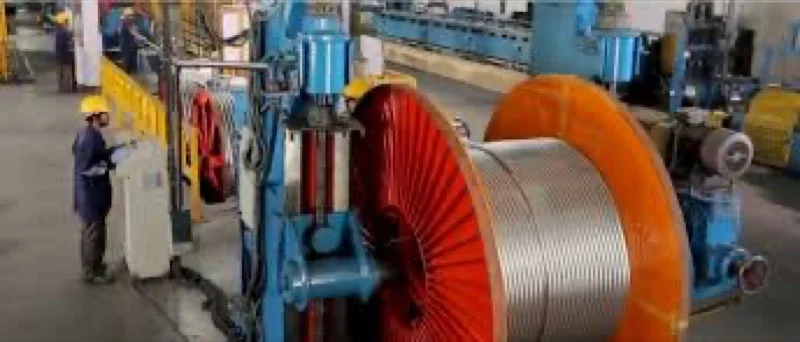 LiveAPAR Industries · Factory · 720 kW / 500 kWh battery
A factory whose process lines keep running through every dip in power.
- <1 ms
- response when the load jumps or the grid dips
- Zero
- gaps in power to the production lines
- End to end
- battery, PCS, controls and installation by one team
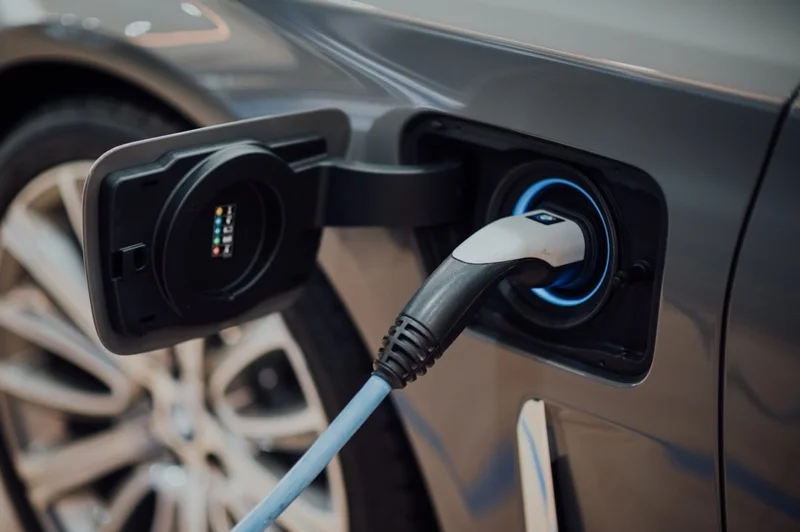 LiveEV charging hub · 260 kW / 580 kWh battery · India
Electric buses and cars keep charging, even when the grid is gone.
- 2.5×
- charging power from the same grid connection
- 1 s
- battery and PCS data, cell by cell
- Grid outage
- buses and cars still charge off the battery
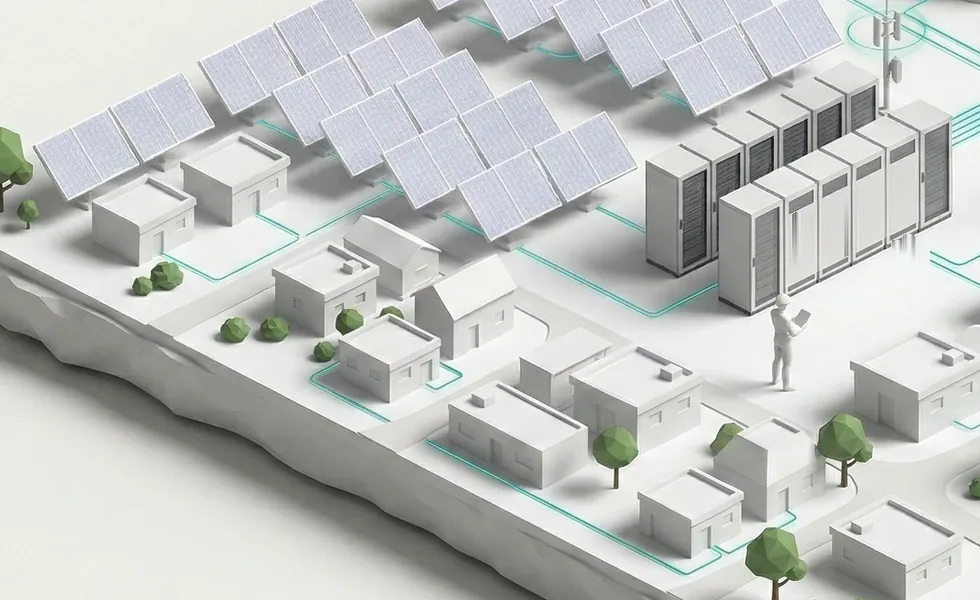 UnderwaySolar + battery micro-grid · Melghat, Maharashtra
A village without a grid. A solar and battery micro-grid that powers it.
- Village
- no grid connection
- Black start
- from standstill, no outside source
- 820
- homes on solar and battery
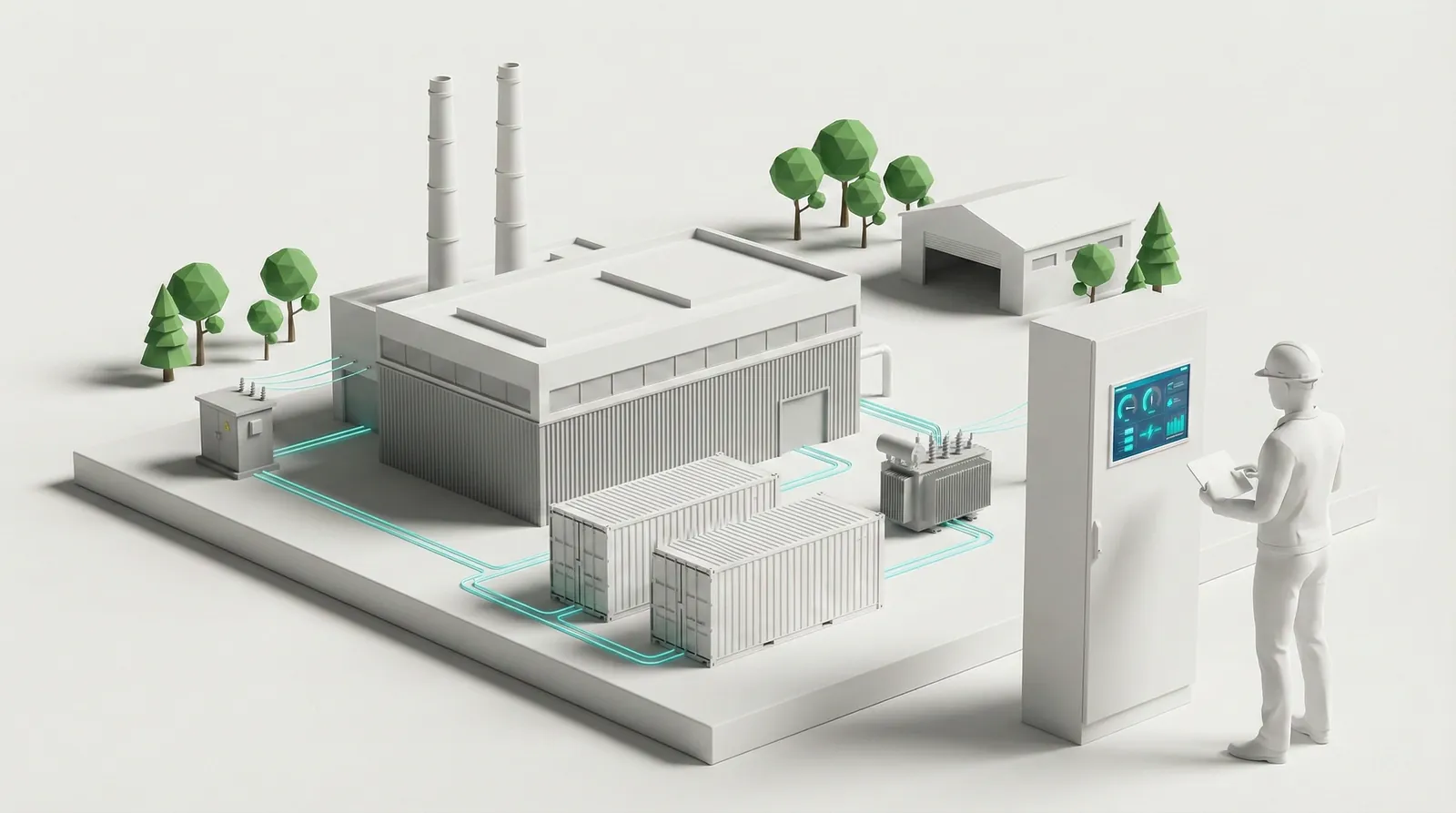 In testingIndustrial battery plant · Pune · 2.5 MW / 10 MWh
Two battery containers, two vendors, two languages. One EMS runs them as one plant.
- 2
- container makes, each with its own BMS protocol
- 1
- PCS and one EMS across both
- Hot-swap
- take a container out for service, plant keeps running
Tell us about your campus
Send what you know and get free expert advice on your campus. An Ingro engineer works out which loads should go on the battery, how it works with your DG and solar, and the cost and payback, in a form you can put to the board or the department. If the trust goes ahead, our team handles the whole job: design, equipment from any maker, installation, help with the approvals, commissioning, Ingro EMS and maintenance.
What happens next: we reply within one working day, by phone or WhatsApp. No site visit is needed at this stage, and there is nothing to pay.