Solar and a battery for a polyhouse cluster: running fans, foggers and the cold room outside your feeder's hours
Your polyhouses grow capsicum, cucumber or flowers on 10 to 50 acres. The pumps, the fertigation unit, the climate fans and the foggers, and often the pack-house with its grading line and cold room, all hang on an agricultural feeder that gives three-phase power for 7 or 8 hours a day, and some weeks those hours are at night. On a hot afternoon the fans stop when the feeder does, and a DG takes over or the crop takes the heat. This page is for the FPO's CEO and board, or the owner of an agri-business, weighing solar with a battery (BESS) for the cluster. It explains what the battery would run, what a unit costs you on each connection, what the schemes pay for and what they do not, and when a battery is not worth it.
Reviewed 16 November 2026 by Ingro Energy's project team
The short answer
- On a rostered agricultural feeder, the battery's job is to carry the cluster through the hours the feeder gives no three-phase power: fans and foggers on a hot afternoon, the cold room through the night, the grading line when the produce arrives. Solar on the pack-house and shade-net roofs charges it.
- Where pumps get free power, a battery saves nothing on the pump bill. The money is in the pack-house (in Maharashtra a greenhouse or farm cold store is billed about ₹7.21 a unit) and, above all, in diesel: a DG unit costs about ₹30 in fuel alone.
- In our example cluster with 200 kWp of solar, a battery of about 290 kWh saves about ₹5.6 lakh a year if it only replaces grid units, a payback of 10 to 15 years. If it also keeps a DG off for 120 hot days a year, the saving is about ₹11 lakh and the payback 5.1 to 7.6 years.
- No scheme we found pays for the battery by name. PM-KUSUM pays for solar pumps and solar plants; MIDH pays for polyhouses, pack-houses and cold rooms; the Agriculture Infrastructure Fund gives FPOs a 3% interest subvention and can finance solarising eligible infrastructure.
Your feeder's schedule: when three-phase actually comes
Most polyhouse clusters sit on an agricultural feeder, and agricultural feeders are rostered. In Maharashtra, MSEDCL's schedule for July to September 2025 gives agricultural load-management feeders three-phase power for 8 hours, either in the day or at night, with the day and night slots rotated weekly within a division. Where it is technically feasible, the 8 hours are to be given in daytime only, between 08:00 and 18:00; feeders solarised under the Mukhyamantri Saur Krishi Vahini Yojana 2.0 get daytime supply from the day after their solar plant is commissioned.
In Karnataka, the state's stated policy is seven hours of three-phase power a day for agricultural pump sets, and the state is solarising substations under KUSUM-C so that those seven hours can come in the daytime. The rule on paper and your feeder in May can be two different things.
- Write down a month of your feeder's real three-phase hours: when they start, when they stop, and which weeks they are at night.
- Mark the hours that hurt: a hot afternoon with the fans off, a night week when the cold room runs on the DG, a harvest morning with produce at the dock and no power for the grading line.
- Check which connection each load is on. Many clusters have the pumps on the agricultural feeder and the pack-house on a separate connection; some have everything on one.
If your pack-house is on a 24-hour village or express feeder and only has ordinary cuts, its question is the one in our cold storage and DG guides. This page is about loads that live on the rostered feeder.
What stops when three-phase goes, and what it costs you
When the feeder's three-phase hours end, everything three-phase stops: the climate fans, the high-pressure fogger pump, the borewell and fertigation pumps, the cold room's compressor, the grading line. A grid-tied solar inverter stops too, even at noon, because it shuts down whenever the grid it follows is gone. So in a night-supply week, the panels on your pack-house roof can sit idle through the hottest part of the day.
What that costs is different for each load. Pumps can usually wait for the next slot if the drip schedule is planned around it. Fans and foggers on a hot afternoon cannot. A cold room holding the day's harvest cannot go six hours without its compressor. A battery, charged by solar, lets those loads and the solar plant keep running when the feeder is off.
Who runs the cluster when the feeder's hours end
The solid arrow is what is carrying the load. The dashed arrow is the DG waiting as backup.
What the battery runs, and what it leaves to the feeder
Getting this list right is most of the sizing, and most of the cost. A cluster has a few loads that must run outside the feeder's hours and several that can be moved into them.
| Load | On the battery? | Why |
|---|---|---|
| Climate fans and fogger pump | Yes, in the hot months | This is the crop's protection on a hot afternoon when the feeder is off. |
| Staging cold room or pre-cooler | Yes | Harvest waiting for dispatch has to stay cold through the night week. |
| Grading and packing line, weighing | Yes, for the hours it works | Produce arrives on its own clock, not the feeder's. |
| Drip and fertigation pumps | Usually no | Pumps can be scheduled into the three-phase hours; where their power is free, running them on a battery costs more than it saves. |
| Borewell pump | No | Large motor, long hours, and often free grid power. Keep it on the feeder or a solar pump. |
| Office, lights, sensors, controllers | Yes, small | Climate controllers and monitoring should not reboot every time the feeder changes. |
Send the kW and starter type of the fans, the fogger pump, the cold room compressor and the grading line with your enquiry. An engineer sets the inverter by the motors that start together; you do not need to work that out yourself.
What a unit costs you: free pumps, metered pack-house
The saving depends on which tariff each load is on, and in farm clusters that varies more than anywhere else. In Maharashtra, farmers with agricultural pumps up to 7.5 HP get free electricity under the Mukhyamantri Baliraja scheme, from April 2024 to March 2029. In Karnataka, free power for pump sets up to 10 HP continues after the March 2026 tariff revision. A battery cannot save money on power that is already free.
The pack-house and the polyhouses themselves are often on a different category. Under MERC's 2023 tariff order, Maharashtra's LT IV(C) "Agriculture Others" category covers pre-cooling plants and cold storage for agricultural produce, and high-technology agriculture such as greenhouses and tissue culture, provided the power is used only for crop cultivation and not for an industrial process. Floriculture, horticulture, nurseries and plantations were moved to the cheaper LT IV(B) metered agriculture category. For FY 2026-27, MERC's rates are about ₹4.02 a unit for LT IV(B) and about ₹7.21 a unit for LT IV(C), energy and wheeling charges together, before fuel adjustment and duty.
| Where the unit comes from | Cost per unit (Maharashtra, FY 2026-27) |
|---|---|
| Agricultural pump up to 7.5 HP | Free under the Baliraja scheme |
| LT IV(B) metered agriculture (floriculture, horticulture, nurseries) | about ₹4.02 |
| LT IV(C) agriculture others (greenhouse, farm cold storage) | about ₹7.21 |
| DG set (diesel only) | about ₹30 |
Check the category printed on each bill before anyone works out a payback. The same grading line can be billed differently depending on how the connection was sanctioned.
Solar on the pack-house and shade-net: why it needs the battery here
The pack-house roof, the shade-net structures and the parking sheds are natural places for panels, and most clusters already think of solar first. On a rostered feeder, solar on its own has two gaps. In the weeks when three-phase comes at night, a grid-tied plant cannot run in the day at all. In the weeks when it comes by day, the plant makes most at noon while the cold room's hardest work is at night.
A battery with an inverter that can form the site's own supply closes both gaps: the panels keep running the fans and the cold room when the feeder is off, and what is left over at noon is stored for the evening. How the existing inverter, the battery and the feeder are tied together is an engineering question for the site, not something to work out from a page. Our guide for factories with rooftop solar covers why plants stop in cuts and lose units on zero export.
Work it out from your solar plant
Put in the solar plant on your pack-house (or the one you are planning), the share of a day's solar it cannot use today because the feeder is off or the load is low, and the rate you pay on the pack-house bill. Farms work every day, so put 30 days a month. If a DG runs the fans or the cold room outside the feeder's hours, each stored unit is worth far more than the grid rate; the example below shows how much.
Work it out from your pack-house solar
Five numbers from your inverter app and the pack-house bill. Nothing is sent anywhere until you ask us to check it.
Enter your plant size and the share of solar lost to see the figures.
How this is worked out
- Solar makes about 4.25 units per kWp on an average day. Monsoon and cloudy days make less.
- The share you type is the solar lost on a normal day. The battery is sized to hold it in one charge, using about 90% of its rated kWh, and is filled and emptied once a day.
- A battery gives back about 85% of what it takes in. Each unit it gives back saves the rate you typed; any export credit is taken off.
- Installed cost is taken as ₹25,000 to ₹38,000 per kWh for a battery under 250 kWh, and ₹20,000 to ₹30,000 per kWh above that, before GST. This is a working range, not a quote.
- Not counted: diesel saved when a DG would otherwise run, crop saved from heat, scheme support, and battery capacity fading over the years.
- This is a first estimate. Your feeder's schedule, your loads and your tariff categories are checked before anyone gives you a price.
Get free advice for your cluster
Leave your name and number. An engineer calls back about your feeder, your loads and the complete solution, with size, cost and payback.
Tell us about your polyhouse cluster ↓Worked example: a 20-acre cluster with a shared pack-house
This is an illustration, not a real FPO. Its inputs: 200 kWp of solar on the pack-house roof and shade-net structures, on the same rostered feeder as the polyhouses; about 30% of a day's solar lost today, to daytime hours with the feeder off and noon surplus the pack-house cannot use; 30 days a month; no export credit; the pack-house on LT IV(C) at ₹7.21 a unit. The figures come from the same sums as the calculator.
- Solar made: about 850 units a day. Lost today and caught by a battery: about 255 units a day.
- Battery to hold it: about 290 kWh. Installed cost: about ₹58 lakh to ₹87 lakh before GST.
- If every stored unit only replaces a grid unit at ₹7.21: about ₹5.6 lakh a year, a payback of 10 to 15 years. On grid units alone, that is slow.
- If, for 120 hot days a year, those units instead replace a DG running the fans, foggers and cold room outside the feeder's hours (about ₹30 of diesel a unit), and grid units the rest of the year: about ₹11 lakh a year, a payback of 5.1 to 7.6 years.
The crop is not counted. A batch of capsicum or roses lost to one hot afternoon, or a cold room of harvest downgraded, can be worth more than a year's saving above. Count it only from your own records of what was lost, and never as a promise.
PM-KUSUM, MIDH and the Agriculture Infrastructure Fund: what each pays for
Capital subsidy shapes almost every FPO decision, so here is what each scheme funds, as far as the published rules show. None names a battery for a pack-house.
- PM-KUSUM Component A: solar plants of 500 kW to 2 MW on farmers' land near a substation, set up by farmers, groups, cooperatives or panchayats, with the power sold to the DISCOM at a tariff the state regulator sets. The incentive goes to the DISCOM, not to you.
- PM-KUSUM Component B: standalone solar pumps where there is no grid pump. Central assistance is 30% of the benchmark or tender cost (50% in the North-East and hill states including Himachal Pradesh and Uttarakhand), with the state usually adding its share.
- PM-KUSUM Component C: solarising grid-connected pumps, individually (solar up to twice the pump's kW, 30% central assistance on the solar PV part, 50% in hill states) or at the feeder level. The assistance is for the solar component. As of March 2026, reports said the current scheme has no battery provision and that a battery component of two to four hours was being discussed for PM-KUSUM 2.0; we found no notified rule yet.
- MIDH (through NHB and the state horticulture mission): polyhouses above 2,500 sq m at 50% of cost up to ₹56 lakh a project; a pack house at 50%; an integrated pack house, pre-cooling unit or staging cold room at 35% in general areas and 50% in hilly and scheduled areas, credit-linked and paid back-ended. These pay for the structures and the cold chain, not for a battery.
- Agriculture Infrastructure Fund: a 3% a year interest subvention on loans up to ₹2 crore for seven years, open to FPOs, with polyhouses, pack houses, cold chain and sorting and grading units among eligible projects. The 2023 guidelines say solarisation of any eligible infrastructure can also be financed. Whether a battery counts as part of that solarisation is for your bank to confirm.
Schemes change, and each state runs them its own way. Ask your state horticulture mission, your DISCOM or nodal agency and your bank what applies before the board budgets on any of it.
Who signs: the FPO board, the bank and the subsidy sanction
In an FPO, the CEO usually builds the case, and a spend of this size goes to the board of directors for a resolution. If the project rides on a subsidy or an AIF loan, the order matters: the bank's appraisal and loan sanction, and the scheme's approval, usually come before the order is placed, because credit-linked subsidies are paid after the project is built and checked. Read your articles of association and the scheme's rules for who may approve what.
Put three figures in front of the board, each traceable:
- The cost, from turnkey quotations with the same scope: the same loads, the same hours outside the feeder's schedule, the same solar plant.
- The yearly saving, worked from your bills and your DG diesel register, split into pack-house units and diesel.
- The crop side: what heat or a warm cold room cost you last season, from your own records. Shown separately, not added to the saving.
When a battery is not worth it for a polyhouse cluster
- Your only big loads are pumps on free agricultural power, and they can be scheduled into the feeder's hours. There is nothing to save, and a solar pump under PM-KUSUM fits better.
- The cluster is small: a few acres, a few fans, no cold room. The battery would fall well below 50 kW, smaller than this page covers.
- Your feeder already gives daytime three-phase power reliably (for example a solarised MSKVY or KUSUM-C feeder), the pack-house is on a 24-hour connection, and no DG runs. The battery has little to do.
- You have no solar and do not plan any. A battery charged only in the feeder's hours can still carry the night week, but each stored unit costs you a grid unit plus losses.
- The polyhouse's own cooling is the problem: torn pads, undersized fans, poor ventilation. Fix that first; a battery cannot cool a house that overheats on full power.
Keep the DG if you have one. The battery takes the daily gap outside the feeder's hours, and the DG starts only for a long outage or a run of cloudy days.
Cost and battery life, in brief
As a working range, an installed system costs about ₹20,000 to ₹35,000 per kWh of battery before GST, more per kWh for small systems; what a turnkey price includes is in the battery cost guide. Lithium iron phosphate (LFP) cabinets with their own battery management, cooling and fire detection are the usual choice. Heat shortens battery life, and a pack-house in Nashik in May is hot: the cabinet needs shade, ventilation and a plinth away from wash water and fertiliser stores.
What a turnkey project covers for an FPO
Your team grows and sells produce; it should not have to manage an electrical project. In a turnkey project Ingro's team works from your feeder's schedule and bills, decides which loads the battery carries, sizes the battery and the solar it needs, picks the battery from any maker, installs and integrates it with your panels, the feeder and the DG, commissions it with Ingro EMS, and maintains it through the warranty years. We can also prepare the figures your board, your bank and the scheme's appraisal ask for. Ingro does not make batteries; it designs, integrates, commissions and maintains the whole system.
What to ask before you sign
- Which loads does it carry outside the feeder's hours (fans, fogger pump, cold room, grading line), and for how many hours on a hot day, in writing?
- Will it start the cold room compressor and the fogger pump on battery alone, with the fans running?
- Does the solar plant keep running when the feeder is off, and does it stay within what the DISCOM allows on export?
- How does it switch between feeder, battery and DG by itself, at night, with nobody in the pack-house?
- Which of the costs fit PM-KUSUM, MIDH or an AIF loan, and will you prepare the documents the bank and the scheme ask for?
- Where will the cabinet stand, away from heat, wash water and fertiliser?
- What is the warranty in years and cycles, who comes when it stops in the middle of the harvest, and how fast?
Useful next
- Cold storage: the same question for larger stores
- Factory with rooftop solar: why solar stops in cuts and on zero export
- Milk chilling centre on a weak rural feeder
- Battery or diesel generator: the full comparison
- What a battery system costs in India
- BESS cabinets sold in India, with their specifications
- Solar inverters, to compare
- Turnkey battery systems: design to O&M from one team
Questions FPO boards and farm managers ask
Can a battery run our polyhouse fans and foggers when the agricultural feeder is off?
Yes, if it is sized for the fans and the fogger pump that run together and its inverter can start them. Ask for the hours it covers on a hot afternoon, in writing.
Our pumps get free power. Will a battery save us money?
Not on the pumps. The saving comes from the pack-house, which is often on a metered category (about ₹7.21 a unit for LT IV(C) in Maharashtra), and from diesel if a DG runs outside the feeder's hours.
Why does our solar stop when the feeder goes off?
A grid-tied inverter shuts down whenever the grid it follows is gone, even at noon. With a battery and an inverter that can form the site's own supply, the panels keep running the loads.
Does PM-KUSUM pay for a battery?
Not under the current rules we found: it pays for solar pumps and solar plants. Reports in March 2026 said a battery component was being discussed for PM-KUSUM 2.0, but we found no notified rule yet.
Can the battery be part of our MIDH or AIF project?
MIDH's cost norms pay for polyhouses, pack-houses and cold rooms, not batteries. The Agriculture Infrastructure Fund can finance solarisation of eligible infrastructure for FPOs with a 3% interest subvention; whether the battery counts is for your bank to confirm.
Will we still need the DG?
Keep it. The battery covers the daily gap outside the feeder's hours; the DG stays for long outages and cloudy spells and runs far fewer hours.
Sources
- MSEDCL, letter to field offices on the three-phase supply schedule for Ag load-management feeders, July to September 2025 (30 June 2025): 8 hours by day or by night in weekly rotation; daytime only where feasible; MSKVY 2.0 solarised feeders
- MERC Mid-Term Review tariff order, Case No. 226 of 2022, as issued in MSEDCL Commercial Circular No. 341 (28 April 2023): LT IV(B) and LT IV(C) applicability, greenhouses and pre-cooling / cold storage under LT IV(C), floriculture and horticulture moved to LT IV(B)
- Maharashtra Electricity Regulatory Commission, MSEDCL review order, Case No. 75 of 2025 (25 March 2026): LT IV(B) and LT IV(C) tariffs for FY 2026-27
- The Week / PTI (3 September 2025): Mukhyamantri Baliraja free electricity scheme for agricultural pumps up to 7.5 HP, April 2024 to March 2029
- Outlook Business (19 February 2025): Karnataka's policy of seven hours of three-phase power daily for agricultural pump sets
- The Week / PTI (11 June 2025): Karnataka's KUSUM-C feeder solarisation for seven hours of daytime power to pump sets
- ETV Bharat (4 March 2026): KERC tariff revision; free power for pump sets up to 10 HP continues in Karnataka
- PIB, criteria and incentives under MNRE solar schemes (August 2024): PM-KUSUM Components A, B and C, CFA of 30% (50% in NE and hill states) of the solar pump or solar PV component
- Renewable Watch (25 January 2024): MNRE's amended PM-KUSUM guidelines, Component A plants of 500 kW to 2 MW, Component C individual and feeder-level solarisation
- KNN India (March 2026): Centre considers a battery storage component in PM-KUSUM 2.0
- Vision IAS summary of The Indian Express (30 March 2026): current PM-KUSUM has no battery provision; Ministry of Power suggests up to 4 hours, MNRE 2 hours
- National Horticulture Board, cost norms and pattern of assistance under MIDH: protected cultivation (50%, up to ₹56 lakh), pack house, integrated pack house, pre-cooling and staging cold room (35% general, 50% hilly and scheduled areas, credit-linked back-ended)
- Ministry of Agriculture & Farmers Welfare, Agriculture Infrastructure Fund revised scheme guidelines (January 2023): 3% interest subvention up to ₹2 crore, FPOs eligible, polyhouses and pack houses, solarisation of eligible infrastructure
Sites that have benefited from battery storage
Different sites, same idea: use more of your own renewable power, cut the electricity bill, and keep running when the grid cannot keep up.
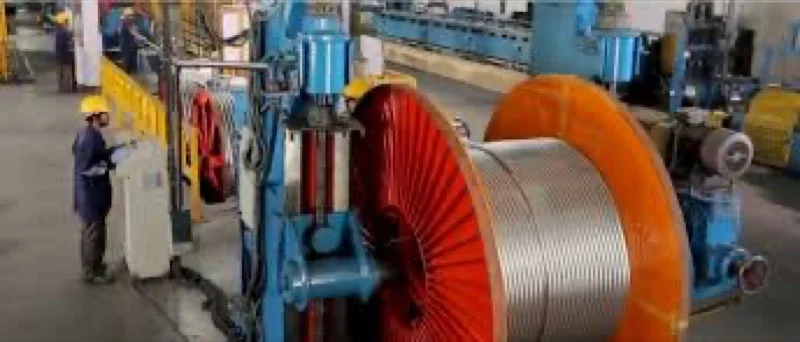 LiveAPAR Industries · Factory · 720 kW / 500 kWh battery
A factory whose process lines keep running through every dip in power.
- <1 ms
- response when the load jumps or the grid dips
- Zero
- gaps in power to the production lines
- End to end
- battery, PCS, controls and installation by one team
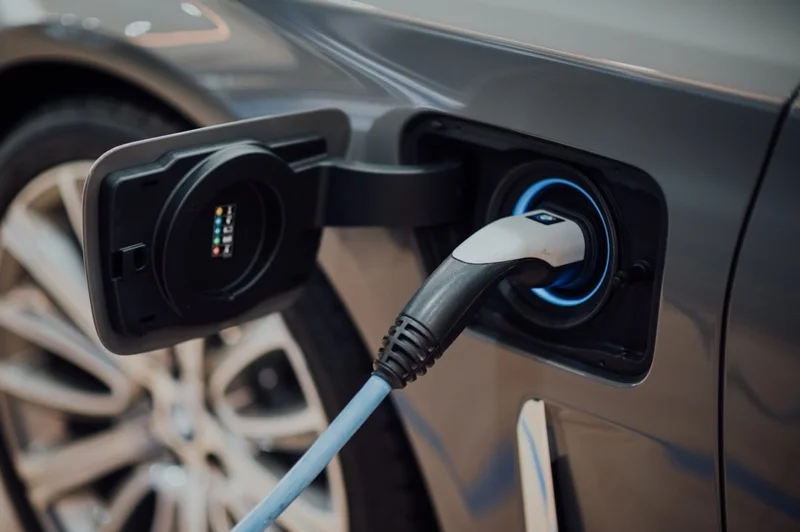 LiveEV charging hub · 260 kW / 580 kWh battery · India
Electric buses and cars keep charging, even when the grid is gone.
- 2.5×
- charging power from the same grid connection
- 1 s
- battery and PCS data, cell by cell
- Grid outage
- buses and cars still charge off the battery
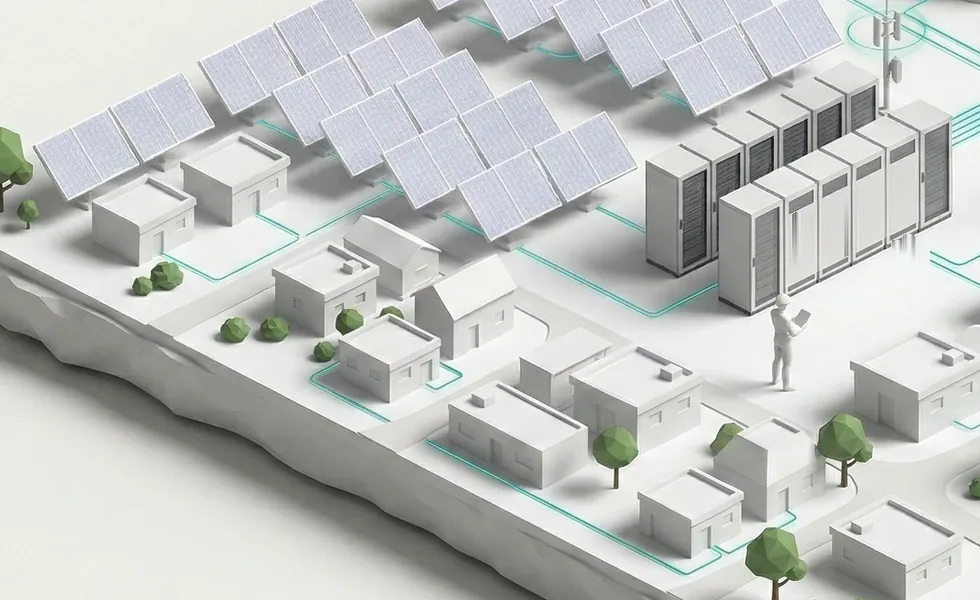 UnderwaySolar + battery micro-grid · Melghat, Maharashtra
A village without a grid. A solar and battery micro-grid that powers it.
- Village
- no grid connection
- Black start
- from standstill, no outside source
- 820
- homes on solar and battery
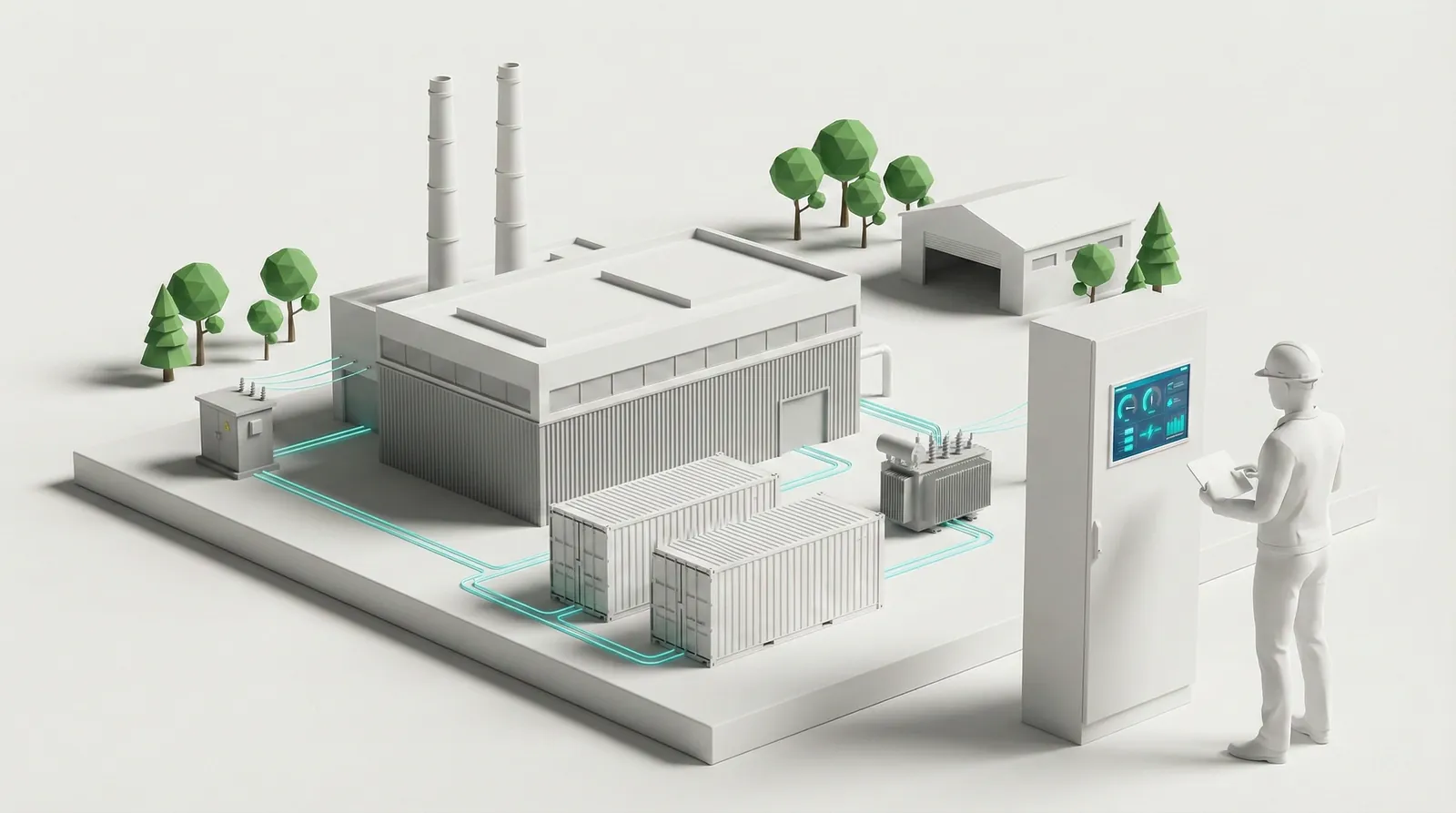 In testingIndustrial battery plant · Pune · 2.5 MW / 10 MWh
Two battery containers, two vendors, two languages. One EMS runs them as one plant.
- 2
- container makes, each with its own BMS protocol
- 1
- PCS and one EMS across both
- Hot-swap
- take a container out for service, plant keeps running
Tell us about your polyhouse cluster
Send what you know and get free expert advice on your cluster. An Ingro engineer looks at your feeder's hours, what has to run outside them, and the solar you have, and works out the complete solution with its cost and payback, in a form you can take to the board and the bank. If you go ahead, our team takes care of the rest as one turnkey project: design, equipment from any maker, installation, commissioning, Ingro EMS and maintenance.
What happens next: we reply within one working day, by phone or WhatsApp. No site visit is needed at this stage, and there is nothing to pay.