Solar installer in Punjab or UP: which of your C&I clients need a battery under your state's rules, and what to tell them
You install rooftop solar for factories, cold stores, shellers and shops in Punjab or Uttar Pradesh: Ludhiana, Jalandhar, Amritsar, Lucknow, Kanpur, Agra, Meerut. Clients now ask whether they should add a battery. In these two states the answer depends less on the battery than on the metering arrangement the state's regulator allows the client: how big his plant may be, whether he gets net metering, net billing, gross metering or nothing, and what an exported unit is worth. This page is for the installer's owner: the PSERC and UPERC rules that decide the battery case, which of your clients are candidates in each state, a worked example, and the approvals. Sizing, coupling, controls and what a battery quote must list are on our page for EPCs adding storage, linked below; this page does not repeat them.
Reviewed 16 November 2026 by Ingro Energy's project team
The short answer
- A battery earns from solar that is curtailed or exported cheaply. So the first question for every client is his metering arrangement, not his load.
- Punjab: a client on net metering within PSERC's limits (plant up to 70% of sanctioned load or contract demand, net metering up to 500 kWp) has little reason to store solar; the grid banks it. Candidates are plants behind the meter on zero export, plants held up at a full transformer, and net-billing clients whose exports are credited well below what they pay.
- Uttar Pradesh: under UPERC's rules net metering is for homes, farms and, since a later amendment, institutions. Factories and shops are on gross metering or net billing. On gross metering a battery cannot store the client's own solar at all; on net billing each stored unit is worth the gap between the grid rate and the export credit.
- In the worked example, a 250 kWp plant on zero export in Ludhiana pays back a battery in about 9.3 to 14 years. The same plant on UP net billing, at an assumed ₹3 export credit, takes about 15 to 23 years. Getting net metering or a transformer upgrade often beats a battery; say so.
Why the state decides the battery case
A stored solar unit is worth what the client would otherwise pay for a grid unit, less what he would have got for exporting it. A battery gives back about 85% of what goes in, so at ₹9 a grid unit, a stored unit saves about ₹7.7 if the export would have earned nothing. If the export would have been credited at his own rate, as under net metering, it saves nothing.
That is why the same 250 kWp plant can be a good battery case in one town and a poor one 50 km away. In Punjab and UP the deciding facts are in the PSERC and UPERC rooftop regulations: the size limit, the metering arrangement the client's category is allowed, the transformer limit and how exports are settled. The two tables below set them out with what each means for a battery quote.
For the rest of the job (sizing from the client's data, AC or DC coupling, your zero-export controller and the battery's EMS, what the quote must list, warranty and partnering), see our guide for solar EPCs adding storage. It applies in every state.
Punjab rules, for your quotes
PSPCL is the DISCOM across Punjab. The rules are PSERC's rooftop solar regulations of 2021 and their amendments of 2024, 2025 and 2026. Which version applies to a client depends on when his application was made; read his connection agreement.
| Rule | What it says | What it means for a battery quote |
|---|---|---|
| Plant size, 2021 (Reg. 4.2, 4.4) | For non-domestic consumers, the plant's inverter AC rating may not exceed 70% of the sanctioned load, or of the contract demand taken in kW at 0.9 power factor. The same limit applies under net metering, net billing and gross metering. | A client with a 400 kVA contract demand may have at most 252 kW of inverters. Clients who want more panels than that are the ones who end up behind the meter. |
| Net metering ceiling (2021, Reg. 4.3; 2026 amendment as reported) | Net metering up to 500 kWp. The 2026 amendment, as reported, ties net metering to the sanctioned load or contract demand with the same 500 kWp ceiling; net billing and gross metering follow the load limit without it. | A client within the limits on net metering is a poor battery case for solar alone. Above 500 kWp he is on net billing or gross metering, and the export credit decides. |
| Transformer limit (2021, Reg. 5.1, 11.9) | All rooftop plants on a distribution transformer or feeder up to 80% of its rating. If the transformer or service line must be upgraded, the DISCOM is to do it within 180 days, failing which the application is deemed approved. | A full transformer is a reason to chase PSPCL, not to sell a battery. |
| Who pays for the upgrade (2nd amendment, 2025) | Where the transformer or service line must be upgraded for the plant, the DISCOM does it and the cost goes into its revenue requirement. | Same: ask for the upgrade in writing before you quote storage as the way round it. |
| Annual cap (2021, Reg. 12) | Generation above 90% of the client's consumption in the settlement period (October to September) is not paid and lapses. | Matters only for clients who generate nearly what they use in a year, which is rare in a running factory. |
| Seasonal industry (1st amendment, 2024) | Rice shellers, rice bran stabilisation units and cotton ginning units, classed as seasonal industry in the tariff, settle from 1 April to 31 March. | Off-season units banked from April are used in the October to March milling months. Net metering suits them far better than a battery. |
| Year-end credit and behind the meter (3rd amendment, 2026, as reported) | Unadjusted year-end net-metering credits are paid at 75% of the Commission's feed-in tariff. Behind-the-meter systems need prior approval, and any inadvertent export is not paid or settled. | Behind-the-meter clients are your natural battery candidates: every unit they cannot use is lost. |
| Net billing (2021, Reg. 9) | Exported units are valued at the feed-in tariff approved by the Commission; imports at the client's tariff. | Each stored unit is worth the grid rate times 85%, less the feed-in tariff. Check the current feed-in tariff before you quote. |
| Battery with rooftop solar (2021, Reg. 6.4) | A rooftop system may be installed with or without battery backup. With a battery, the inverter must stop battery power flowing into the grid when the grid is off, and a manual isolation switch must be provided. | Put the anti-backfeed arrangement and the isolation switch in your single-line diagram and tell PSPCL of the change. |
UP rules, for your quotes
UPPCL's five DISCOMs serve the state: PVVNL (Meerut and west UP), MVVNL (Lucknow and central UP), DVVNL (Agra and south-west UP), PuVVNL (Varanasi and east UP) and KESCO (Kanpur city). The rules are UPERC's rooftop solar regulations of 2019 and their later amendments.
| Rule | What it says | What it means for a battery quote |
|---|---|---|
| Who gets net metering (2019) | Net metering only for metered agricultural (LMV-5) and residential (LMV-1) consumers. Gross metering open to all categories. | Under the 2019 rules a factory or shop could not offset its bill through net metering. |
| Net billing (2022 amendment) | A net billing or net feed-in arrangement added, open to all consumer categories, as UPERC's own 2023 consultation paper sets out. | Your C&I clients are on gross metering, net billing, or behind the meter with no export. |
| Institutions (later amendment, reported 2023) | Net metering extended to public institutions and private schools, colleges and research institutes, including those in the HV-1 category. | A school, college or government building may now net-meter: a weak case for storing solar, though backup can still matter. |
| Industry and shops today | We found no amendment giving industrial or commercial consumers net metering. | Treat every factory and shop as gross metering, net billing or behind the meter until his agreement says otherwise. |
| Plant size and transformer (2019) | Plant up to 100% of the connected or contracted demand. UPNEDA's portal gives a range of 1 kWp to 2,000 kWp. Rooftop plants up to 75% of a transformer. | UP allows a larger plant against the same load than Punjab; a big plant on low daytime load curtails more if it runs behind the meter. |
| Feasibility and load (2024 revision) | The DISCOM must finish the technical feasibility study within 15 days, failing which it is deemed feasible; the DISCOM is to make any needed change to the sanctioned load. | Quote the approval time to the client from the rule, and keep the acknowledgement. |
| Export price (3rd amendment, June 2025) | Exported units are paid a solar injection compensation equal to the weighted average tariff of large (5 MW and above) competitively bid solar projects of the last year, plus 25%. | That is far below a C&I grid rate, so on net billing a stored unit keeps most of its value. Take the current rate from the client's agreement. |
On gross metering the whole plant's output goes to the grid through its own meter and the client buys all his power at his tariff. A battery behind his meter cannot store that solar. It can still cut peak-hour units or back up loads in cuts, charged from the grid, which is a different sum.
Which of your clients are candidates, by state
Go through your client list with this table and the client's metering arrangement in hand. A battery needs a surplus every working day and a load to give it back to, the same evening or the next morning.
| Client | State | Battery case |
|---|---|---|
| Knitting, hosiery, garment or textile unit (Ludhiana and around), cycle or auto-parts unit, on net metering within the limits | Punjab | Poor for solar alone. Help him keep net metering. |
| The same unit, behind the meter on zero export, or held up at a full transformer | Punjab | Good if the lunch-break and shift-change curtailment is large on most working days. Chase the transformer upgrade first. |
| Any client above 500 kWp, on net billing | Punjab | Fair to good; depends on the gap between his tariff and the feed-in tariff. |
| Rice sheller, bran unit, cotton ginning | Punjab | Poor. The April to March settlement already carries off-season units into the milling months. See our rice mill guide. |
| Potato cold store | Both | A backup and diesel case, not a solar one: the store runs hardest in the holding months, and in Punjab stands idle almost half the year. See our cold storage guide. |
| Factory or shop on gross metering | UP | No solar case: the battery cannot touch the solar. Only a backup or peak-hour case, on the grid. |
| Factory on net billing (Kanpur, Lucknow, Agra, Meerut, Noida, Ghaziabad) | UP | Fair to good: every stored unit saves the grid rate less the low solar injection compensation. |
| Factory behind the meter on zero export | UP | Good if the curtailment is large; UP allows a plant up to 100% of the load, so it can be large against the daytime load. |
| School, college, hospital or government office | UP | Weak for solar if now on net metering; a backup case is separate. See our college and hospital guides. |
| Sugar mill running its own bagasse-fired power in the crushing season | Both | Not a target: it makes its own power when it runs. |
| Brick kiln | Both | Not a target: the energy is fuel in the kiln, and the electrical load is small. |
Milk chilling centres and dairies in both states are mostly a diesel-and-cuts case; see our milk chilling guide.
What to tell the client, by situation
- On net metering within the limits, Punjab or a UP institution: "The grid already stores your solar for you. A battery makes sense only if cuts and the DG cost you real money."
- Plant behind the meter because the transformer is full, Punjab: "Let us push PSPCL for the upgrade first. The rules put it on them. If it does not come, we size a battery from your curtailment."
- Wants more panels than 70% of his load allows, Punjab: "Compare raising the sanctioned load with a battery for the extra panels behind the meter. Both have a cost; let us price both."
- UP factory on gross metering: "A battery cannot store this plant's solar. Ask whether net billing or behind the meter suits you better, and whether a battery for cuts or peak hours pays on its own."
- UP factory on net billing: "Every unit you export earns the injection rate; every unit stored saves your full tariff less losses. Let us measure how much you export on a working day."
- Rice sheller or cold store: "Your surplus is seasonal. A battery cannot carry units from the off-season into the season; net metering can."
First cut for a Punjab or UP client
Five numbers from the client's monitoring portal and bill. Nothing is sent anywhere until you ask us to check it.
Enter the client's plant size and the share of solar curtailed or exported to see the figures.
How this is worked out
- Solar makes about 4.25 units per kWp on an average day. Winter fog in Punjab and UP, and monsoon days, make less.
- The share you type is the routine surplus on a working day. Only working days are counted; weekly-off, holiday and off-season surplus is left out.
- The battery is sized to hold that surplus in one charge, using about 90% of its rated kWh, and is filled and emptied once each working day.
- A battery gives back about 85% of what it takes in. Each unit it gives back saves the grid rate you typed; the export credit you typed is taken off for every unit no longer exported.
- Installed cost is taken as ₹25,000 to ₹38,000 per kWh for a battery under 250 kWh, and ₹20,000 to ₹30,000 per kWh above that, before GST. This is a working range, not a quote.
- Not counted: solar kept running in grid cuts or with the DG, diesel saved, ToD peak rates, demand charges, and battery capacity fading over the years. On gross metering the battery cannot store the plant's solar at all.
- This is a first estimate. The client's metering arrangement, load pattern and tariff are checked before anyone gives a price.
Get your client's case checked
Leave your name and number. We call back with free advice on whether a battery holds for this client under your state's rules, and what the complete solution would be.
Tell us about your client in Punjab or UP ↓Worked example: one plant, in Ludhiana and in Kanpur
An illustration, not a real client. A knitting unit in Ludhiana with a contract demand of 400 kVA, which is 360 kW at 0.9 power factor. Under PSERC's 2021 rule its rooftop plant may be at most 70% of that, 252 kW. You built 250 kWp. The net-metering file is held up because the feeder's transformer is at its 80% limit, so the plant runs behind the meter on zero export.
On a clear working day 22% of its solar is curtailed at the lunch break, shift changes and machine stops. The plant makes about 1,063 units on an average day, so about 234 are lost. A 260 kWh battery holds them. At ₹9 a unit and 26 working days a month, each stored unit saves about ₹7.7; the battery saves about ₹5.6 lakh a year, costs about ₹52 lakh to ₹78 lakh installed, and pays back in about 9.3 to 14 years on stored solar alone.
Now set that against the upgrade. If PSPCL upgrades the transformer and the plant gets net metering, the same 72,930 curtailed units a year are banked instead, worth about ₹6.6 lakh at the grid rate, with no battery to buy. That is the first thing to tell this client.
Now the same 250 kWp plant at a factory in Kanpur on UP net billing. Say its exports are credited at ₹3 a unit (an assumed figure for this illustration; the real solar injection compensation is in the client's agreement). Each stored unit now saves only about ₹4.6, because the export credit is lost. The battery saves about ₹3.4 lakh a year and pays back in about 15 to 23 years. On gross metering it would save nothing on solar.
These are the calculator's own sums: type the same numbers above and you get the same result. Daytime cuts with a DG running, or an evening shift at peak rates, are not counted and can change the answer.
Approvals and portals in Punjab and UP
Adding a battery changes the installation the DISCOM approved, so tell the DISCOM before work starts and check the client's connection agreement.
- Punjab, PSPCL: rooftop applications are made online to PSPCL's designated officer, with a processing fee of ₹50 per kW (minimum ₹500, maximum ₹10,000). PSPCL is to finish the feasibility study within 20 days and issue the letter of approval within 22 days of the acknowledgement. Since an August 2026 order, the net-metering agreement can be signed digitally on the online portal for all consumer categories.
- Punjab, behind the meter: under the 2026 amendment as reported, a behind-the-meter plant needs prior approval. Get it before you build one or add a battery to one.
- Punjab, PEDA: the state nodal agency for new and renewable energy. The file for a C&I plant is decided by PSPCL.
- UP, UPPCL and its DISCOMs: net-metering applications go through UPPCL's online portal, according to UPNEDA's FAQ, and the file is decided at the client's DISCOM (PVVNL, MVVNL, DVVNL, PuVVNL or KESCO). Keep the acknowledgement: the 15-day feasibility rule runs from it.
- UP, UPNEDA: the state nodal agency. It runs the rooftop portal, lists empanelled vendors and handles the subsidy for homes. UPNEDA's FAQ exempts only systems up to 10 kW from the Electrical Inspector's NOC, so plan for the inspector on your C&I plants.
- Subsidy: the rooftop subsidies on both states' portals are for homes. We did not find a central or state subsidy for a battery at a C&I site in either state.
The CEA safety rules, the Electrical Inspector and the BESS fire-safety chapter from April 2027 apply in every state; they are set out on our EPC page.
When to tell a Punjab or UP client not to buy a battery
- He is on net metering within PSERC's limits, or is a UP institution now on net metering. The grid already banks his solar.
- His plant is behind the meter only because the transformer is full. Push for the upgrade the rules require first.
- He is a UP factory on gross metering and wants the battery for solar. It cannot store it.
- His surplus is seasonal: a rice sheller, a cotton ginning unit, a cold store out of season. A battery shifts units by hours, not months.
- He runs a single day shift and the plant is smaller than his daytime load. There is no surplus to store.
- He is a sugar mill making its own power in season, or a brick kiln. Not a battery client.
A no today keeps the client for his next plant and his neighbour's. A battery sold on a payback that does not come costs you more than its margin.
What a turnkey project covers for your client
If a client's case holds, you do not have to take on the battery side alone. Ingro takes it on for your client's site end to end: sizing from his data, design, a battery from any maker, Ingro EMS working with your plant's controls, installation, help with the PSPCL or DISCOM and inspector approvals, commissioning and O&M, while you keep the client and the solar plant. Ingro does not make batteries. If you would rather build the battery system yourself, Ingro can supply the EMS instead, as our EPC page explains.
What to settle before you quote a battery in Punjab or UP
- Which metering arrangement is the client on today, under which version of the PSERC or UPERC regulations, and what does his agreement say about adding a battery?
- Punjab: is the plant within 70% of the sanctioned load or contract demand, and if the transformer is full, has PSPCL been asked in writing for the upgrade?
- Punjab behind the meter: has prior approval been taken, and does the battery change it?
- UP: what solar injection compensation is the client credited today, and has that been used in the payback rather than zero?
- How much is curtailed or exported on a normal working day, measured, and how many working days a year does the client really run?
- Who files the change with PSPCL or the DISCOM and the Electrical Inspector, and is it in the price?
- Whoever supplies the battery: is the size in usable kWh, and is the warranty in years and cycles, back to back with what you promise the client?
Useful next
- Solar EPC adding storage: sizing, coupling, controls and the quote checklist
- Rice mill or flour mill with rooftop solar
- Factory with rooftop solar: the owner's view
- Cold storage: battery backup through the season
- Milk chilling centre: diesel per litre of milk
- College or school campus with solar
- Hospital with rooftop solar
- What a battery system costs in India
- EMS for integrators and EPCs
- Turnkey battery systems: design to O&M from one team
What installers in Punjab and UP ask
My Punjab client is on net metering. Should I sell him a battery?
For solar alone, usually not. Under net metering his surplus is banked at his own rate, so a stored unit earns nothing extra. A battery makes sense for him only if grid cuts and the DG cost real money, which is a separate sum.
The transformer is full and PSPCL will not give net metering. Is a battery the answer?
Ask for the upgrade first. PSERC's rules cap rooftop solar at 80% of a transformer, but they also put the upgrade on the DISCOM within 180 days, and the 2025 amendment puts its cost in the DISCOM's revenue requirement. In the worked example, net metering would be worth about ₹6.6 lakh a year with no battery.
Can a UP factory get net metering?
Under UPERC's 2019 rules, net metering is for metered residential and agricultural consumers, and a later amendment added institutions. We found no amendment that extends it to factories or shops; they are on gross metering or net billing. Check the client's category and the current regulations.
My UP client is on gross metering. Can a battery store his solar?
No. On gross metering the plant's whole output goes to the grid through its own meter. A battery behind his meter can only cut peak-hour units or back up loads in cuts, charged from the grid.
What is a stored unit worth on UP net billing?
The grid rate times about 85%, less the solar injection compensation he would have earned for exporting it. In the worked example, at an assumed ₹3 credit and ₹9 grid rate, about ₹4.6.
Does PSERC allow a battery with rooftop solar?
Yes. The 2021 regulations allow a rooftop system with or without battery backup, provided the inverter stops battery power flowing into the grid when the grid is off and a manual isolation switch is fitted. Tell PSPCL of the change.
Is there a subsidy for a battery at a C&I site in Punjab or UP?
We did not find one. The rooftop subsidies on the PM Surya Ghar and state portals are for homes. Get anything else in writing before you count on it.
Sources
- PSERC (Grid Interactive Rooftop Solar Photo Voltaic Systems) Regulations, 2021, Punjab (Notification No. 158, 18 Aug 2021): Regulations 4.2, 4.3, 5.1, 6.4, 11.3 to 11.9, 12 (net-metering settlement)
- PSERC rooftop solar (1st amendment) Regulations, 2024 (Notification No. 186, 11 Mar 2024): April to March settlement for seasonal industry
- PSERC rooftop solar (Second Amendment) Regulations, 2025 (Notification No. 193, 20 Feb 2025): transformer and service line upgrades by the DISCOM
- PowerPeak Digest (April 2026): PSERC Third Amendment Regulations, 2026, notified 7 April 2026: 500 kWp net-metering ceiling, year-end credit at 75% of feed-in tariff, behind-the-meter systems
- SolarQuarter (7 Sep 2026): PSERC allows net metering agreements to be signed digitally on the online portal, all consumer categories (order of 19 Aug 2026 on PSPCL's petition)
- UPERC consultation paper (2023): Provisions for Net Metering Arrangement in view of UP Solar Policy: who gets net metering, gross metering and net billing under the 2019 Regulations and the 2022 amendment
- CBIP summary of the UPERC (Rooftop Solar PV Grid Interactive Systems Gross / Net Metering) Regulations, 2019, Uttar Pradesh
- SolarQuarter (29 Nov 2023): UPERC RSPV Regulations, 2019 (Second Amendment): net metering extended to public and private institutions
- Energetica India (31 May 2024): UPERC revises rooftop rules at UPNEDA's request: 15-day feasibility, sanctioned load adjusted by the DISCOM
- TeamLease RegTech: UPERC RSPV Regulations, 2019 (Third Amendment), 3 June 2025: solar injection compensation at the weighted average of large solar tariffs plus 25%
- UPNEDA rooftop solar portal, FAQ: 1 to 2,000 kWp, up to 100% of sanctioned load, net metering applied on UPPCL's portal
- Down To Earth (14 Feb 2019): Punjab's cold stores stand idle for almost half the year
Sites that have benefited from battery storage
Different sites, same idea: use more of your own renewable power, cut the electricity bill, and keep running when the grid cannot keep up.
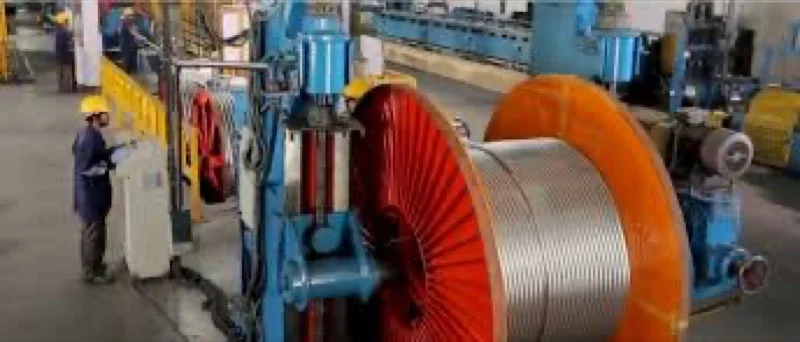 LiveAPAR Industries · Factory · 720 kW / 500 kWh battery
A factory whose process lines keep running through every dip in power.
- <1 ms
- response when the load jumps or the grid dips
- Zero
- gaps in power to the production lines
- End to end
- battery, PCS, controls and installation by one team
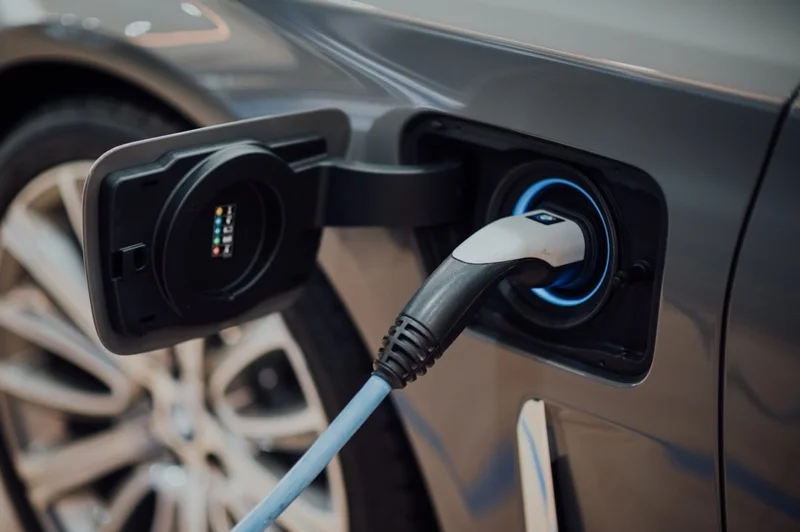 LiveEV charging hub · 260 kW / 580 kWh battery · India
Electric buses and cars keep charging, even when the grid is gone.
- 2.5×
- charging power from the same grid connection
- 1 s
- battery and PCS data, cell by cell
- Grid outage
- buses and cars still charge off the battery
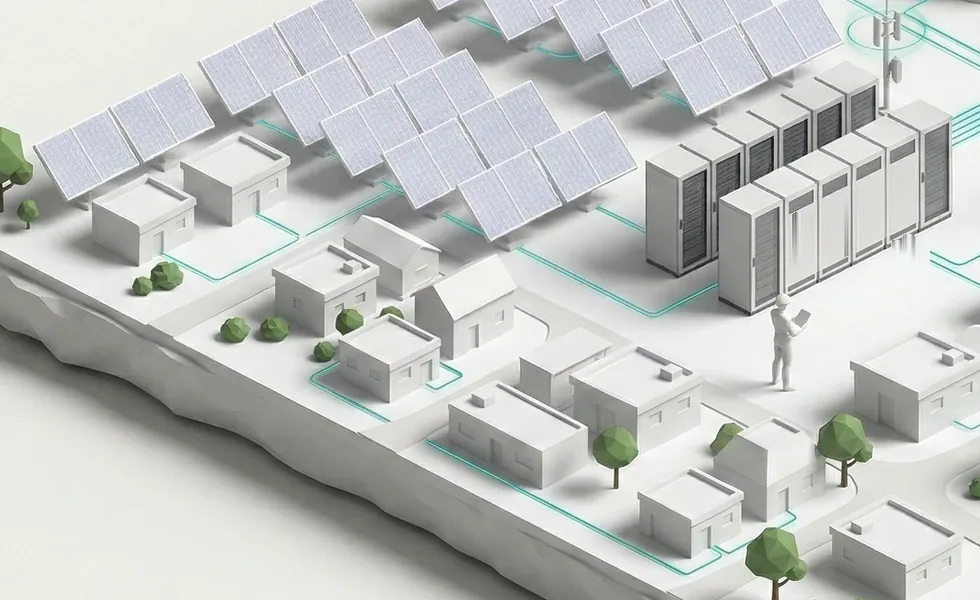 UnderwaySolar + battery micro-grid · Melghat, Maharashtra
A village without a grid. A solar and battery micro-grid that powers it.
- Village
- no grid connection
- Black start
- from standstill, no outside source
- 820
- homes on solar and battery
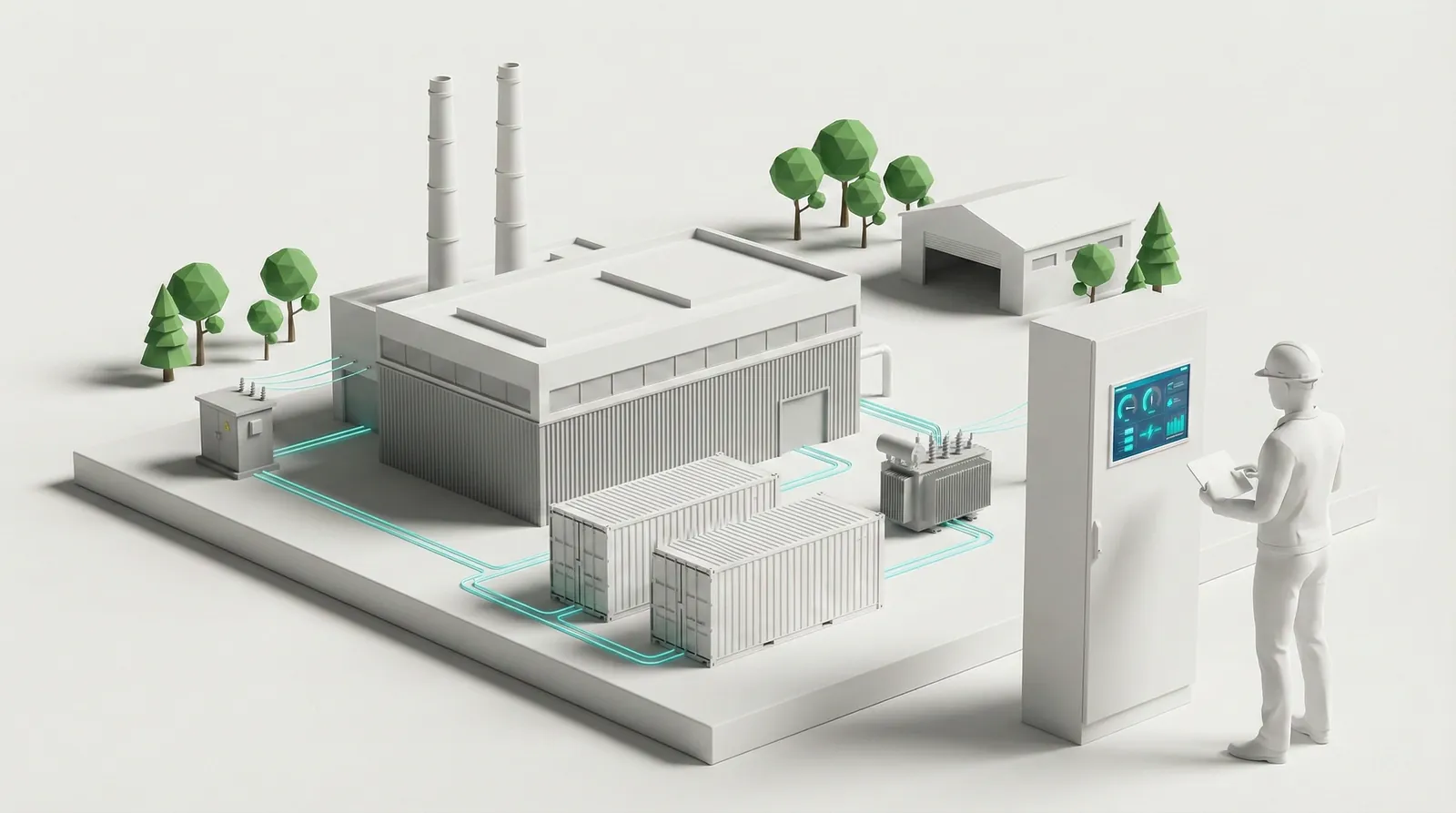 In testingIndustrial battery plant · Pune · 2.5 MW / 10 MWh
Two battery containers, two vendors, two languages. One EMS runs them as one plant.
- 2
- container makes, each with its own BMS protocol
- 1
- PCS and one EMS across both
- Hot-swap
- take a container out for service, plant keeps running
Tell us about your client in Punjab or UP
Send what you know about the client, his plant and his metering arrangement. An Ingro engineer gives you free expert advice on his case: whether a battery holds under PSERC or UPERC rules, or whether net metering or an upgrade is the better route. If it holds, we work out the complete solution, and our team takes care of the rest for your client's site: design, a battery from any maker, Ingro EMS, installation, help with the approvals, commissioning and O&M.
What happens next: we reply within one working day, by phone or WhatsApp. No site visit is needed at this stage, and there is nothing to pay.